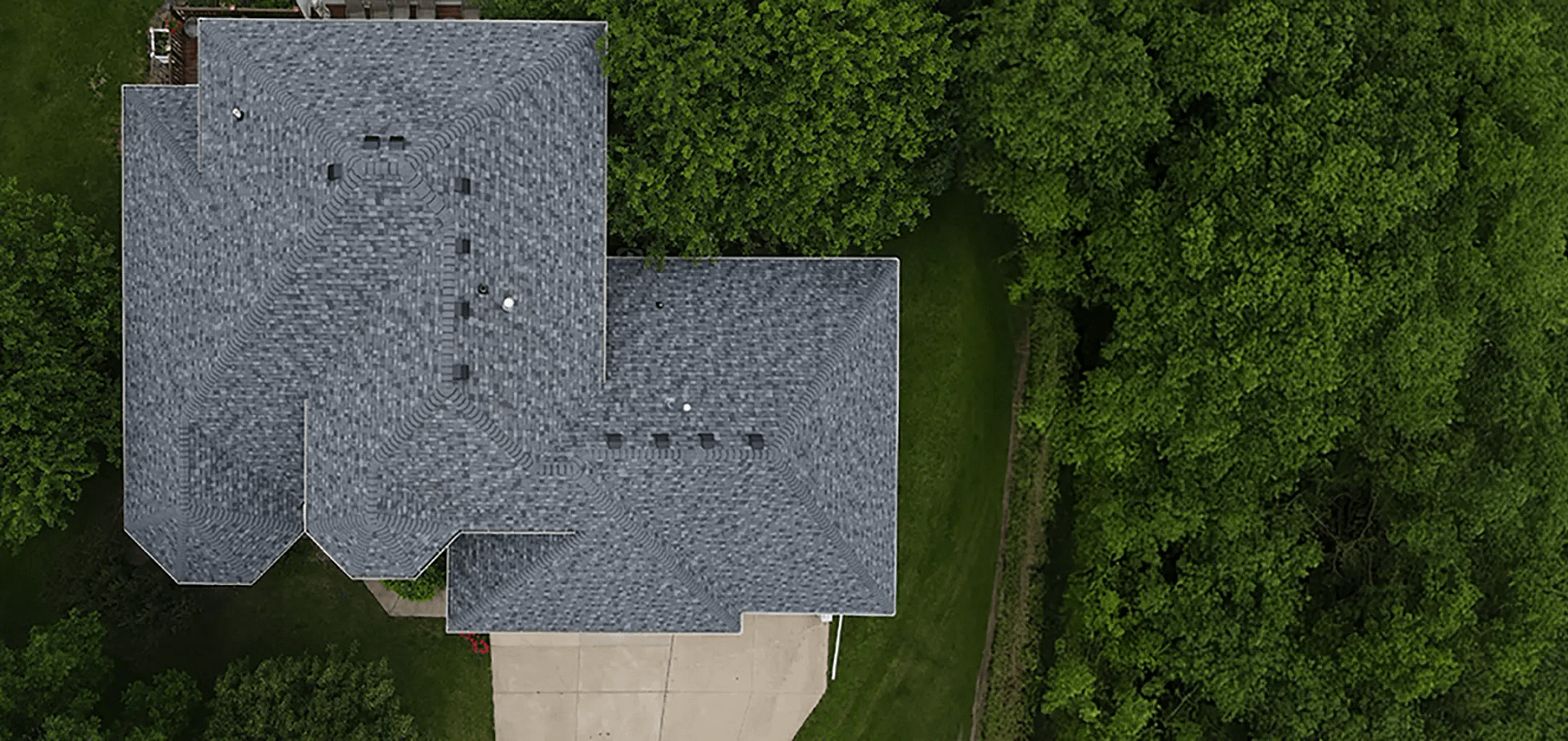
When it comes to protecting your roof from water damage, few components are more important than metal roof flashing. Flashing acts as a barrier that directs water away from vulnerable joints, edges, and penetrations, keeping your roof dry and leak-free. Whether you’re installing a new roof or maintaining an existing one, understanding flashing’s purpose and installation is essential for long-term performance.
- Moisture defense: Prevents leaks where roofing materials meet other structures.
- Longevity: Extends the life of your roof by reducing corrosion and rot.
- Energy efficiency: Helps maintain a watertight seal that prevents heat loss.
What Is Metal Roof Flashing and Why It Matters
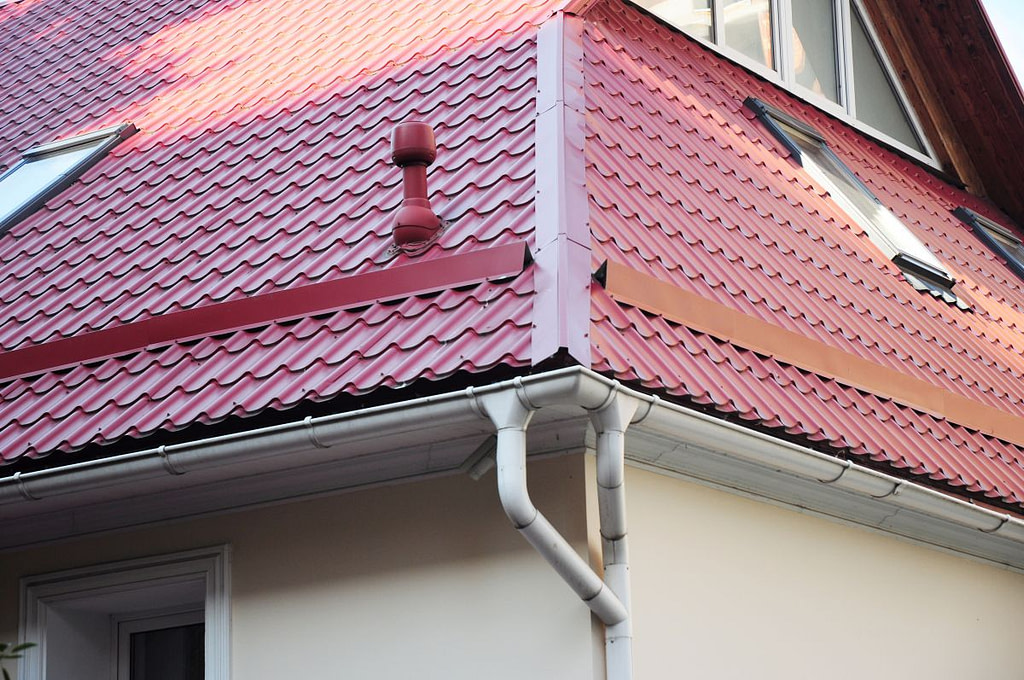
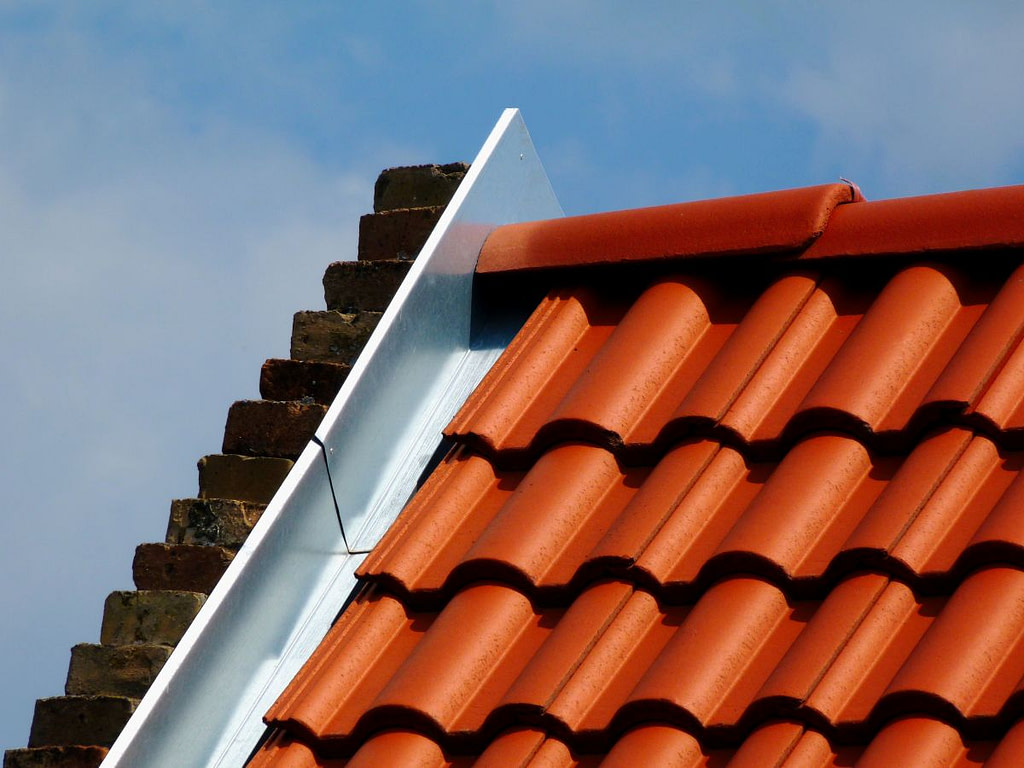
Metal roof flashing is a thin, corrosion-resistant material, typically aluminum, copper, or galvanized steel, installed at critical points on your roof to prevent water infiltration. You’ll find flashing around chimneys, vents, skylights, roof valleys, and wall intersections.
Without properly installed flashing, rainwater can seep into seams and cause leaks, rot, or mold growth inside your attic or walls. Flashing not only keeps your home dry but also supports proper drainage, helping your entire roofing system perform more efficiently.
For metal roofing systems, flashing is particularly important because water can travel along panels or seams more easily. High-quality flashing ensures that water flows away from these areas and off the roof.
4 Common Types of Metal Roof Flashing
There are several types of metal roof flashing, each designed for a specific purpose. Knowing which one to use helps ensure your roofing system remains durable, watertight, and up to code.
1. Step Flashing
Step flashing is one of the most common forms of flashing, installed where the roof meets a vertical wall or side structure. Each piece of flashing overlaps the next like shingles, creating a layered barrier that directs water downward and away from the seam.
- Ideal for roof-to-wall intersections: Common near dormers, sidewalls, and chimneys.
- Layered installation: Each piece overlaps the previous one for maximum protection.
- Versatile material options: Available in aluminum, steel, or copper for varying budgets.
Step flashing is especially effective on sloped metal roofs, where directing water flow efficiently prevents pooling or seepage.
2. Valley Flashing
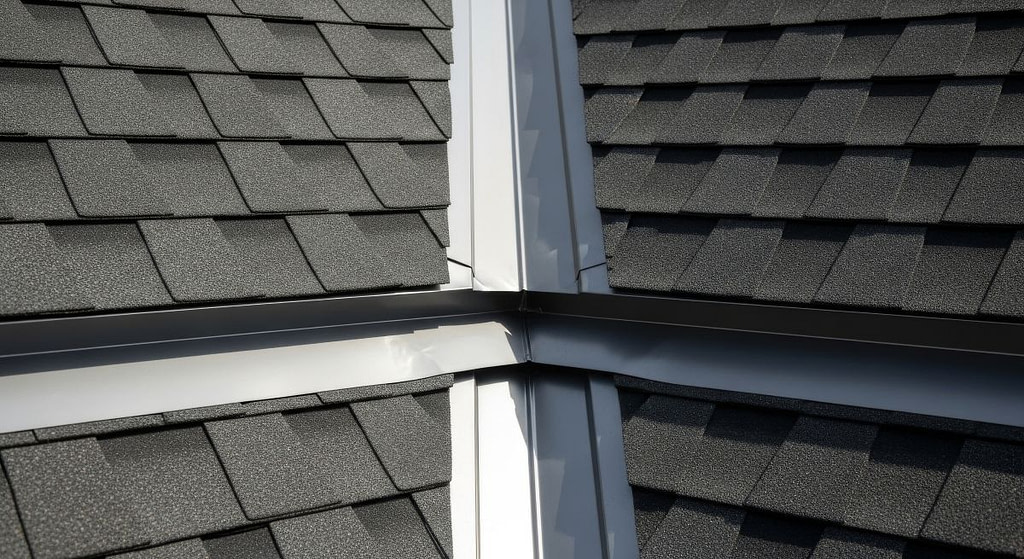
Valley flashing is installed in the “valleys” where two roof planes meet. These areas handle large amounts of rainwater and debris, making them one of the most leak-prone sections of any roof.
- Wide coverage: Channels water safely toward gutters.
- Durable design: Prevents erosion and shingle damage from water flow.
- Material strength: Galvanized steel or aluminum is typically used for longevity.
Proper installation is crucial — if valley flashing isn’t secured tightly or sealed correctly, it can allow water to penetrate beneath the panels and cause interior leaks.
3. Drip Edge Flashing
Drip edge flashing is installed along the roof’s edges to prevent water from seeping under the panels or fascia boards. This simple yet essential component helps maintain your roof’s structural integrity and prevents moisture-related wood rot.
- Protects eaves and fascia: Keeps rainwater from dripping behind gutters.
- Improves drainage: Directs water away from the edge of the roof.
- Prevents staining: Stops water from running down siding or trim.
Drip edge flashing is a small investment that provides major protection — and it’s now required by most modern building codes.
4. Counter and Base Flashing
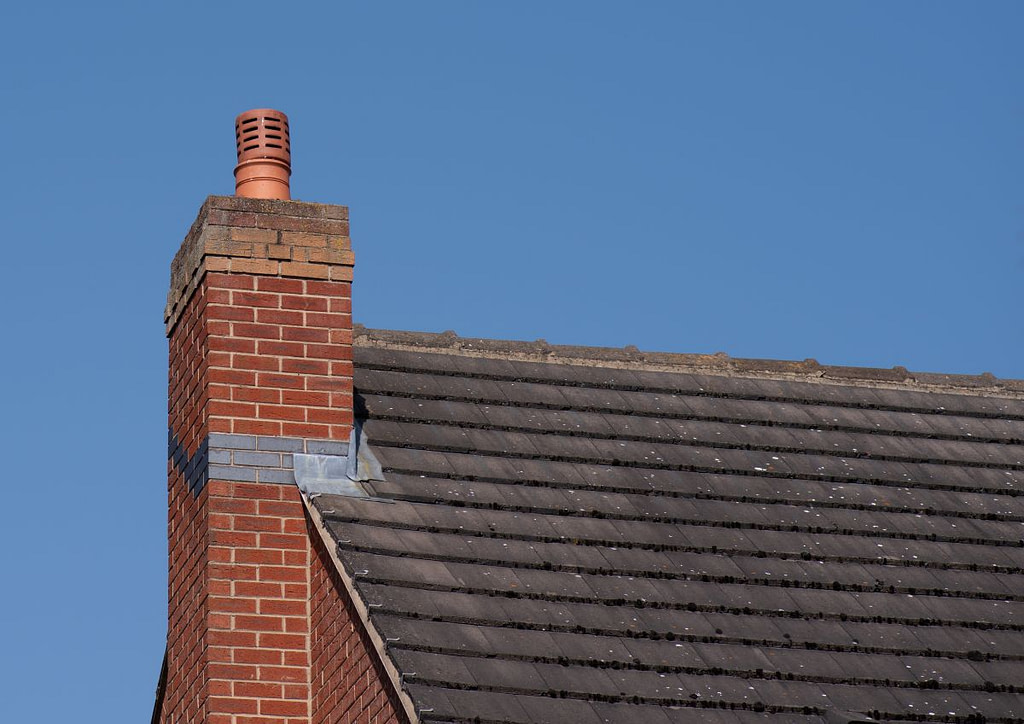
Counter and base flashing work together to seal the joint between the roof and vertical structures like chimneys or parapet walls. Base flashing is attached to the roof surface, while counter flashing overlaps it to cover seams and create a watertight finish.
- Dual-layer protection: Prevents leaks at roof penetrations and walls.
- Flexible design: Expands and contracts with temperature changes.
- Common materials: Galvanized steel for durability or copper for aesthetics.
This combination ensures that even in areas exposed to heavy rain or melting snow, water cannot enter through roof penetrations.
Materials Used for Metal Roof Flashing
Choosing the right flashing material depends on your roof design, budget, and environment. Different metals offer distinct advantages in terms of durability, appearance, and corrosion resistance.
- Aluminum: Lightweight, easy to install, and corrosion-resistant — ideal for coastal areas.
- Galvanized steel: Affordable and durable but can rust if coatings wear off.
- Copper: Offers exceptional longevity and develops a natural patina over time.
- Stainless steel: Resistant to extreme weather and temperature changes.
Each material performs well when properly installed, but copper and stainless steel tend to outlast other options, especially in harsh climates.
Key Uses of Metal Roof Flashing
Flashing isn’t just for leak prevention — it supports your roofing system in several important ways. Understanding where and how it’s used can help you spot potential problems early.
Protecting Roof Valleys and Seams
The valleys and seams of a roof experience the most water flow during rainfall. Flashing in these areas ensures water moves smoothly into gutters instead of pooling or seeping between panels.
Sealing Roof Penetrations
Any penetration — like chimneys, skylights, or vent pipes — creates a weak spot in your roof. Flashing surrounds these openings, forming a watertight seal that keeps water from entering your home’s interior.
Preserving Structural Integrity
By directing water away from joints and edges, flashing protects wood decking, insulation, and underlayment from moisture damage. This not only prevents leaks but also maintains your roof’s strength and thermal performance over time.
Installation Tips for Metal Roof Flashing
Even the best flashing materials won’t perform properly if installed incorrectly. Following proven installation methods ensures your flashing remains effective for decades.
Prepare the Surface Properly
Before installing flashing, make sure the surface is clean, dry, and free of debris. Any dirt or moisture can prevent sealants from adhering properly, compromising the waterproof seal.
Use Compatible Fasteners and Sealants
Choose fasteners that match your flashing material to avoid corrosion. For example, use stainless steel screws with stainless flashing or aluminum nails with aluminum flashing. Apply a high-quality, weather-resistant sealant along seams and joints to reinforce waterproofing.
Overlap and Secure Flashing Correctly
Overlapping flashing pieces is key to creating a watertight barrier. Each layer should overlap the one below it by at least two inches. Ensure that the flashing extends slightly beyond the roof edge to direct water into gutters instead of behind fascia boards.
Hire a Qualified Professional
While some homeowners may attempt DIY installations, flashing requires precision and experience. Improper installation can cause leaks that remain hidden until significant damage occurs. A qualified roofing contractor ensures your flashing integrates perfectly with your roof system.
Common Metal Roof Flashing Problems
Over time, flashing can wear down or become compromised, especially in regions with harsh weather. Knowing what to look for helps you catch problems before they lead to serious damage.
- Corrosion or rust: Caused by standing water or incompatible metals.
- Loose fasteners: Expansion and contraction can loosen screws over time.
- Cracked sealant: UV exposure or aging can weaken sealing materials.
- Improper overlap: Gaps in installation lead to leaks and water intrusion.
Scheduling regular inspections — especially after storms — ensures flashing remains in excellent condition.
Maintenance Tips for Long-Term Protection
Proper maintenance can extend the lifespan of your metal roof flashing and prevent costly repairs.
Regular Inspections
Inspect flashing at least twice a year, focusing on valleys, chimneys, vents, and roof edges. Catching loose sections early prevents leaks before they start.
Clean Debris and Gutters
Leaves, dirt, and branches can trap moisture around flashing, leading to corrosion. Keep gutters clean and roof surfaces clear to promote drainage.
Reseal When Needed
Sealant naturally degrades over time. Reapply a compatible sealant every few years to maintain watertight joints.
Replace Damaged Flashing Promptly
If you notice rust, cracks, or lifting sections, have the flashing replaced immediately. Addressing small issues early helps avoid full roof repairs later.
Protect Your Roof With Expert Guidance From Young Construction
Properly installed and maintained metal roof flashing is essential to the health and longevity of your roofing system. It safeguards against leaks, water intrusion, and costly damage, ensuring your home stays dry and protected year-round.
If you suspect your flashing may be damaged or aging, don’t wait until leaks appear. Contact Young Construction today for a free estimate and learn how professional roofing care can keep your home safe, efficient, and worry-free.