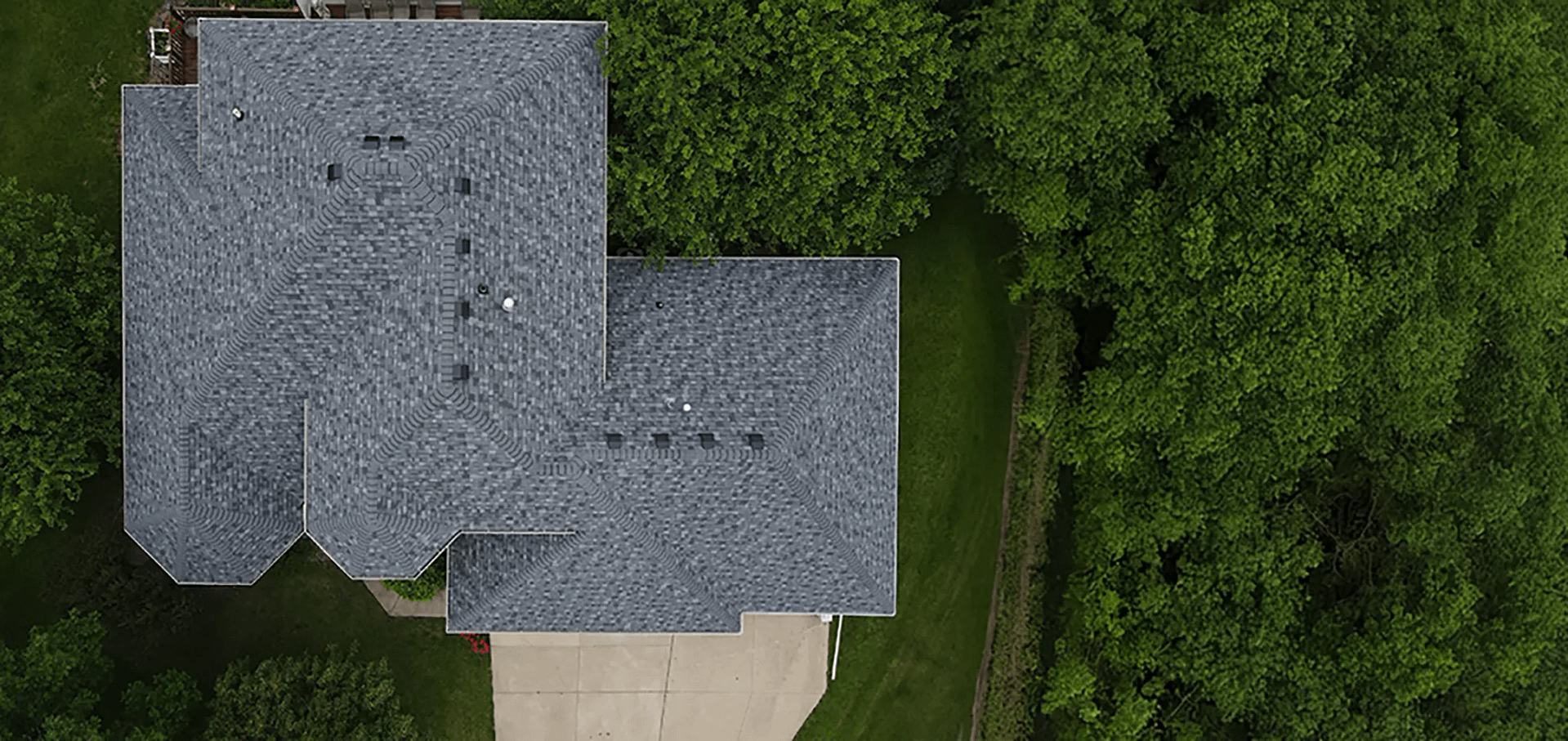
Roof snow removal is an important winter safeguard for Iowa homes, since heavy snow and ice can stress a roof to the point of leaks, ice dams, or even collapse. While a blanket of snow may look harmless, wet, packed snow is surprisingly heavy, and knowing when to remove it and how to do so safely can protect both your home and the people inside it. This guide explains when roof snow removal is needed, the warning signs to watch for, and how the job is done safely. Here is what this guide covers:
- Why it matters: How heavy snow threatens your roof and home.
- When it’s needed: The thresholds and warning signs that call for snow removal.
- How it works: The safe way to remove roof snow and when to call a professional.

Why Does Roof Snow Removal Matter?
Roof snow removal matters because the weight of accumulated snow and ice can exceed what a roof is built to carry, leading to structural damage or collapse. Removing snow before it builds up also helps prevent the ice dams that cause leaks and interior damage.
Snow Is Heavier Than It Looks
Snow is far heavier than it looks, and its weight adds up quickly on a roof. Wet, packed snow can weigh as much as 20 pounds per square foot, which means a 2,000-square-foot roof could be supporting around 20 tons of snow after a few storms. Fresh, fluffy snow weighs less, but it compacts and gains weight as more falls and as it partially melts and refreezes. Rain or a thaw following a snowfall increases the load even further. Understanding this hidden weight is the first step to recognizing when removal is needed. For homes in Clarks Grove and surrounding areas, that accumulating weight is a real winter concern.
- Heavy when wet: Packed snow can weigh up to 20 pounds per square foot.
- Adds up fast: A large roof can hold tons of snow after storms.
- Compacts over time: Snow gains weight as it settles and refreezes.
- Rain adds load: A thaw or rain after snow increases the weight.
Too Much Snow Risks Damage and Ice Dams
Too much snow on a roof risks both structural damage and ice dams, two costly winter problems. Excess weight can cause a roof to sag, crack, or in severe cases collapse, especially on older or low-slope roofs with less tolerance. At the same time, snow left to melt and refreeze at the eaves forms ice dams that force water under the shingles and into the home. Removing snow before it reaches critical levels addresses both threats at once. For homeowners in Clarks Grove and surrounding areas, this dual protection is why timely snow removal is so valuable. Acting before damage occurs is always the goal.
- Structural risk: Excess weight can cause sagging, cracks, or collapse.
- Older roofs: Aging and flat roofs have less tolerance for load.
- Ice dam link: Snow that melts and refreezes creates ice dams.
- Dual protection: Removal guards against both weight and ice dams.
6 Signs It’s Time for Roof Snow Removal
Knowing when roof snow removal is needed helps you act before damage occurs rather than after. The six signs below indicate it is time to clear snow from your roof, ideally before the situation becomes dangerous.
1. Snow Deeper Than About a Foot
Snow accumulation deeper than roughly a foot is a common threshold for considering roof snow removal. As a general guideline, removing snow once it reaches 6 to 12 inches helps prevent ice dam formation, while 1 to 2 feet of accumulation warrants prompt removal to relieve structural strain. Because wet snow is heavier than dry, the safe depth varies with moisture content, but a foot of snow is a reasonable point to take action. It is best to remove snow proactively before it gets too heavy. Clearing it early is easier and safer than waiting.
- Ice dam threshold: Clear snow at 6 to 12 inches to prevent ice dams.
- Structural threshold: Remove 1 to 2 feet promptly to relieve strain.
- Moisture matters: Wet snow is heavier, lowering the safe depth.
- Act early: Proactive removal beats waiting until it is heavy.
2. Sagging or Visible Roof Deflection
A sagging roofline or any visible deflection in the roof is a serious warning sign that demands immediate attention. If the roof or ceiling appears to sag, dip, or bow under the snow load, the structure may be under dangerous stress. This is one of the clearest signals that the weight has become excessive and removal, or professional help, is needed right away. Visible sagging should never be ignored, as it can precede a collapse. If you see this sign, act promptly and keep people clear of the area.
- Visible sag: A dipping roof or ceiling signals dangerous stress.
- Serious warning: Deflection can precede a collapse.
- Immediate action: Address or get help right away.
- Stay clear: Keep people away from the stressed area.
3. Doors or Windows Sticking
Interior doors or windows that suddenly stick or are hard to open can indicate the roof is under heavy load. When excessive snow weight stresses the structure, the frame can shift slightly, causing doors and windows, especially interior ones, to bind or jam. This subtle sign is easy to overlook but can signal that the roof is bearing more than it should. If doors that normally work fine begin sticking during a heavy snow season, consider it a warning. Pairing this sign with others helps confirm the roof is stressed.
- Sticking doors: Interior doors that bind can signal roof stress.
- Frame shift: Heavy load can distort door and window frames.
- Subtle clue: Easy to miss but worth heeding.
- Confirm with others: Combine with other signs to assess risk.

4. Cracking or Popping Sounds
Unusual cracking, popping, or creaking sounds from the roof or ceiling are warning signs of structural stress under snow load. These noises can indicate that the roof framing is straining under the weight, and they should be taken seriously. While a house makes occasional sounds, new or frequent cracking during heavy snow is a signal worth heeding. If you hear these sounds, it is wise to reduce the load or seek professional assessment. Strange structural noises during a snowy spell warrant caution.
- Structural noise: Cracking or popping can signal framing stress.
- Take it seriously: New sounds during heavy snow are a warning.
- Assess the load: Consider reducing snow or getting help.
- Caution advised: Do not ignore unusual roof noises.
5. New Cracks in Walls or Ceilings
New cracks appearing in interior walls or ceilings can be a sign that the roof structure is under excessive snow load. As the weight stresses the frame, it can cause cracks to form in drywall, particularly around door frames and where walls meet ceilings. Fresh cracks that appear during a heavy snow season, especially alongside other warning signs, suggest the roof may be overloaded. This is a cue to take action to reduce the snow weight. Monitoring for new interior cracks helps you catch a problem early.
- Fresh cracks: New wall or ceiling cracks can signal overload.
- Common spots: Often near door frames and wall-ceiling joints.
- Winter timing: Cracks during heavy snow are telling.
- Early catch: Monitoring helps you act before damage worsens.
6. Large Icicles and Ice Buildup
Large icicles and visible ice buildup along the roof edge signal both added weight and the formation of ice dams. Heavy icicles add weight to the gutters and roofline, and they often accompany the ice dams that trap meltwater behind them. Significant ice along the eaves indicates that snow is melting and refreezing, a cycle that both stresses the roof and threatens leaks. Clearing snow helps interrupt this cycle before it causes damage. Ice buildup is a visible sign that the roof needs attention.
- Heavy icicles: Add weight to gutters and the roofline.
- Ice dam signal: Often accompany damaging ice dams.
- Melt-refreeze cycle: Shows snow is melting and refreezing.
- Interrupt the cycle: Clearing snow helps prevent leaks.
An authoritative guideline helps put snow weight in perspective. According to the Insurance Institute for Business and Home Safety, your roof should be able to support about 20 pounds per square foot of snow. As a rough guide, 10 to 12 inches of fresh snow equals roughly 5 pounds per square foot, so a typical roof could hold up to about 4 feet of light, fresh snow before becoming stressed, though wet and packed snow is far heavier and drops that safe depth significantly.
How Does Roof Snow Removal Work Safely?
Roof snow removal works safely by clearing snow from the ground with a roof rake rather than climbing onto the roof, which is dangerous and can worsen the load. The goal is to reduce the weight and interrupt ice dam formation without damaging the roof or risking injury.
Use a Roof Rake From the Ground
The safe way to remove roof snow is with a roof rake used from the ground, never by climbing onto the roof. A roof rake is a long, often telescoping tool with a wide plastic blade that lets you pull snow down from the eaves while standing safely on the ground. Working from one corner, you pull the snow toward you in smooth, controlled motions, clearing the first several feet up from the edge. Removing the first 4 to 6 feet of snow up from the eaves is usually enough to relieve the most critical weight and prevent ice dams. Leaving 1 to 2 inches of snow protects the shingles from damage.
- Rake from the ground: Use a long-handled roof rake, never climb up.
- Plastic blade: A roof rake is designed not to harm shingles.
- Clear the eaves: Removing the first 4 to 6 feet relieves the most load.
- Leave a little: Keep 1 to 2 inches to protect the shingles.
Avoid Dangerous Methods and Know When to Call a Pro
Avoiding dangerous methods and knowing when to call a professional are essential to safe snow removal. Never climb onto a snow-covered roof, since your added weight can trigger a collapse and icy roofs are extremely slippery, and never use sharp tools like picks, hammers, shovels, or metal rakes that can damage shingles or conduct electricity near power lines. For two- or three-story homes, steep roofs, or heavy, hard-to-reach snow, hiring a professional snow removal service is the safe choice. Clearing snow evenly rather than one side at a time also avoids uneven loading. For homeowners in Clarks Grove and surrounding areas, a professional with the right equipment is worth the cost when in doubt.
- Never climb up: Your weight can trigger a collapse on a loaded roof.
- No sharp tools: Picks, shovels, and metal rakes damage roofs.
- Mind power lines: Keep metal tools away from utility wires.
- Call a pro: Multi-story, steep, or heavy snow calls for professionals.

Frequently Asked Questions
When should I remove snow from my roof?
Consider removing roof snow once it reaches 6 to 12 inches to prevent ice dams, and promptly at 1 to 2 feet to relieve structural strain, with wet snow lowering those thresholds. Warning signs like a sagging roof, sticking doors, or cracking sounds mean act immediately. Removing snow proactively is safer than waiting.
How much snow can a roof hold?
A typical roof can handle about 20 pounds per square foot of snow, which equals roughly 4 feet of fresh, light snow but far less wet or packed snow. Older and flat roofs tolerate less. If you are unsure of your roof’s capacity, a roofing professional can assess it.
How do I safely remove snow from my roof?
The safest way is to use a long-handled roof rake from the ground, pulling snow down from the eaves in controlled motions and leaving 1 to 2 inches to protect the shingles. Never climb onto a snow-covered roof. For tall or steep roofs, hire a professional snow removal service.
Can I climb on my roof to remove snow?
No, you should never climb onto a snow-covered roof. Your added weight can trigger a collapse on an already-stressed roof, and icy surfaces are extremely slippery and dangerous. Always work from the ground with a roof rake or hire a professional.
Will a roof rake damage my shingles?
A proper roof rake with a plastic blade is designed not to damage shingles when used gently, especially if you leave 1 to 2 inches of snow on the roof. Avoid metal rakes, shovels, and sharp tools, which can strip granules and crack shingles. Pull snow smoothly rather than scraping the roof clean.
Should I hire a professional for roof snow removal?
Hiring a professional is the safe choice for two- or three-story homes, steep roofs, or heavy, hard-to-reach snow, since the combination of height and ice makes the job dangerous. Professionals have the equipment and experience to clear snow safely. Accidentally damaging your roof costs more than hiring help.
Trust Young Construction for Winter Roof Protection
When it comes to roof snow removal and protecting your home all winter, Young Construction brings over 20 years of local experience and a clear understanding of how Iowa’s heavy snow and ice threaten a roof. Beyond clearing dangerous snow loads, we address the root causes of winter roof trouble, assessing your attic insulation, air sealing, and ventilation so your roof resists ice dams and stays sound through the season. As a family-owned, fully licensed and insured company with more than 150 five-star reviews, we treat your home with genuine care and give you honest guidance on both immediate snow concerns and long-term protection. If heavy snow or ice has you worried about your roof, you deserve a safe, lasting solution from a team that knows our winters. Contact Young Construction today to talk through your winter roof concerns and request a detailed, written estimate, and let our team help you keep your roof safe all season long.