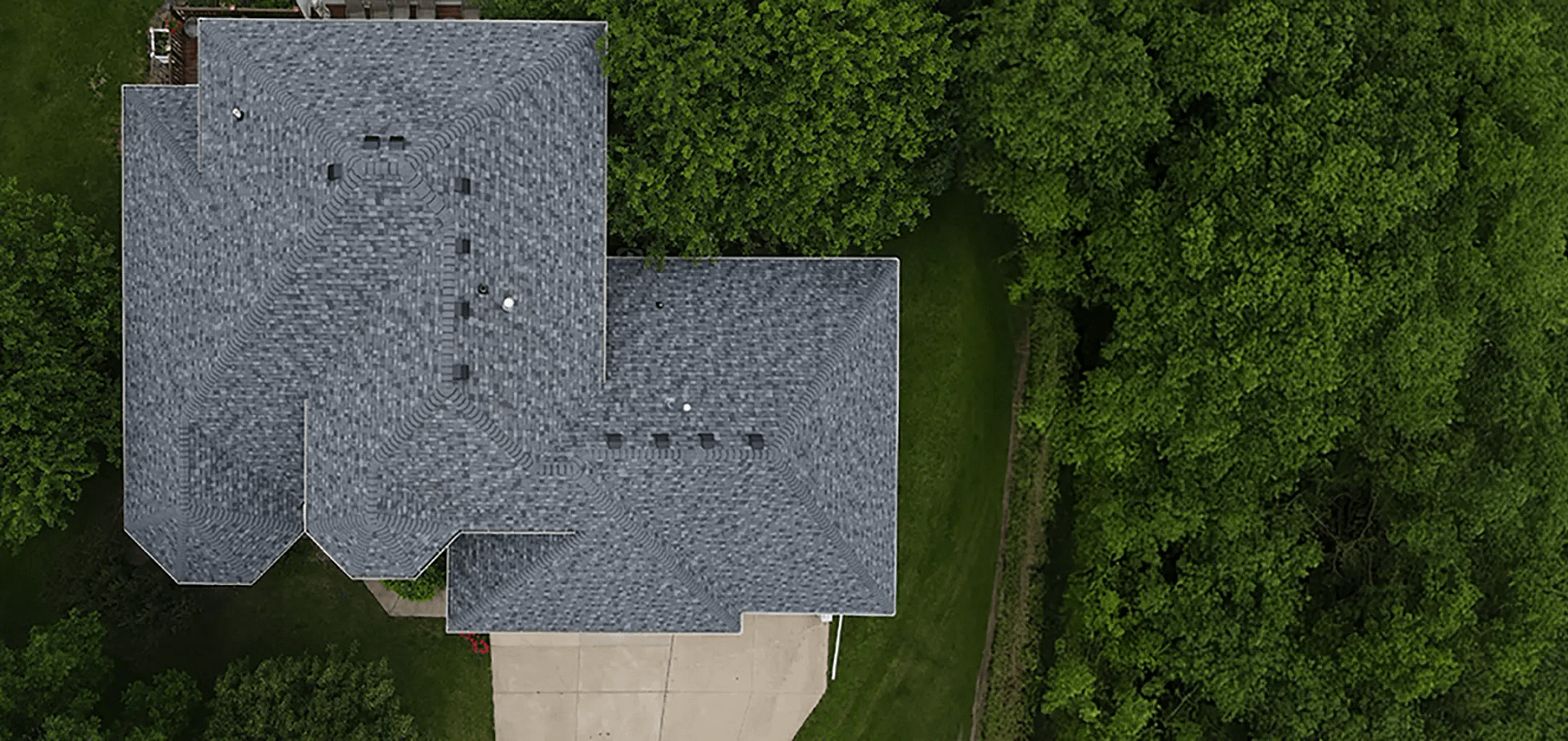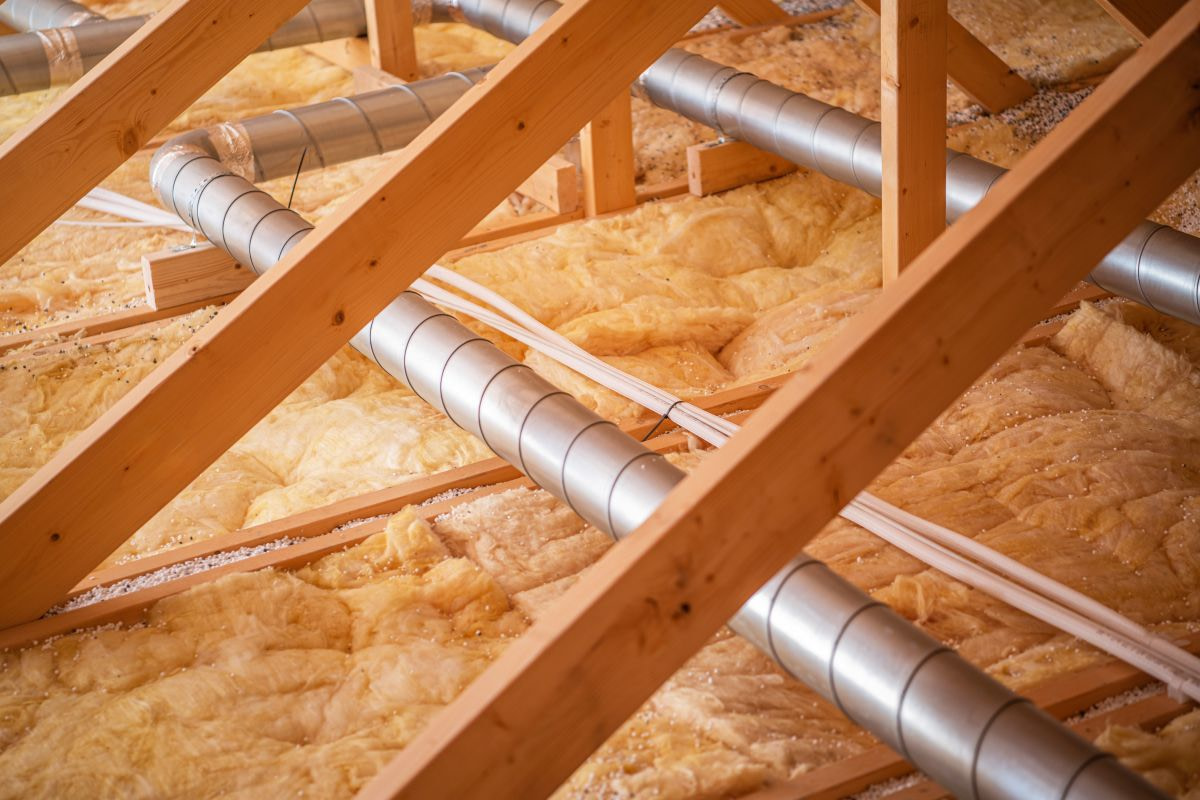
Proper attic air sealing is one of the most effective ways homeowners can improve energy efficiency, prevent moisture problems, and maintain consistent indoor comfort. Small gaps and leaks in the attic allow conditioned air to escape and outdoor air to enter, which increases energy costs and strains heating and cooling systems. Whether you live in a cold Midwest climate like Iowa or a warm, humid region like Florida, sealing attic air leaks can make a significant difference in your home’s comfort and long term efficiency.
- Energy savings: Sealing air leaks reduces heating and cooling costs.
- Moisture control: Proper sealing prevents condensation and mold issues.
- Year round comfort: Eliminating air gaps helps maintain steady indoor temperatures.
Why Attic Air Sealing Is So Important
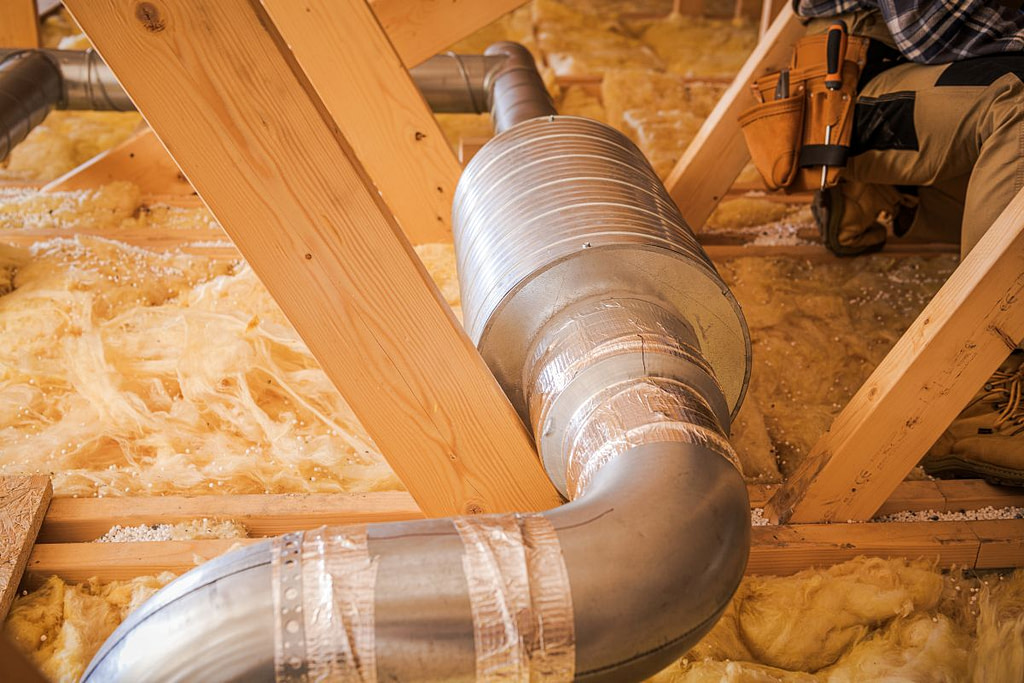
Attics often contain dozens of small openings where air can move freely between the living space and the outdoors. These leaks can occur around wiring, plumbing vents, recessed lighting fixtures, and attic access doors. Over time, these gaps allow conditioned air to escape and outside air to infiltrate the home.
In colder climates like Iowa, warm air escaping into the attic can melt roof snow and contribute to ice dams. In warmer climates like Florida, hot and humid air can enter the attic and place additional strain on the air conditioning system. Sealing these gaps improves energy efficiency while protecting the roof structure and insulation from moisture related damage.
How Air Leaks Affect Homes in Different Climates
Attic air sealing benefits homeowners everywhere, but the reasons can vary depending on climate conditions. Homes in Iowa and Florida face very different weather patterns, which makes air sealing especially valuable in both regions.
Attic Air Sealing in Iowa Homes
Iowa homes often experience cold winters with significant snowfall. During winter months, heated indoor air naturally rises and escapes through attic gaps if they are not sealed properly.
- Heat loss prevention: Air sealing keeps warm air inside where it belongs.
- Ice dam reduction: Prevents heat from melting snow on the roof unevenly.
- Energy savings: Reduces heating demand during long winter seasons.
By minimizing air leakage, Iowa homeowners can maintain comfortable indoor temperatures while protecting their roof and attic insulation from moisture buildup.
Attic Air Sealing in Florida Homes
Florida’s climate presents a different set of challenges. High humidity and hot temperatures mean cooling systems work hard year round. Attic air leaks allow warm, humid outdoor air to enter the home, increasing cooling costs and potentially creating condensation issues.
- Humidity control: Prevents moist outdoor air from entering attic spaces.
- Cooling efficiency: Helps air conditioning systems maintain steady temperatures.
- Mold prevention: Reduces condensation that can lead to mold growth.
Attic air sealing in Florida homes improves comfort while protecting insulation and attic materials from moisture damage.
5 Attic Air Sealing Tips Every Homeowner Should Know
Attic air sealing does not always require major renovations. Many improvements involve identifying common leak points and sealing them properly. These five tips can help homeowners improve attic performance and reduce energy loss.
1. Seal Around Attic Access Points
Attic access doors or pull-down ladders are one of the largest sources of air leakage in many homes. These openings often lack proper weatherstripping or insulation.
- Install weatherstripping: Creates a tight seal around attic hatches.
- Add insulation covers: Helps prevent heat transfer through attic doors.
- Check for gaps: Ensure the access panel fits securely within the frame.
Properly sealing attic access points prevents significant air leakage between the living space and the attic.
2. Seal Wiring and Plumbing Penetrations
Small holes around electrical wiring, plumbing pipes, and vent stacks can allow air to pass freely through the attic floor. These openings are easy to overlook but contribute significantly to energy loss.
- Use foam sealant: Expanding foam fills irregular gaps effectively.
- Apply caulk for smaller holes: Ideal for narrow openings and seams.
- Inspect regularly: Over time, sealants may shrink or crack.
Sealing these penetrations prevents conditioned air from escaping and helps maintain consistent indoor temperatures.
3. Seal Recessed Lighting Fixtures
Recessed lights installed in ceilings often create gaps between the attic and living space. Older fixtures may not be airtight and can allow significant heat transfer.
- Use airtight covers: Special covers prevent air movement around fixtures.
- Seal edges with fire-safe caulk: Ensures safe and effective sealing.
- Check insulation clearance: Maintain safe distances from heat sources.
Improving the seal around lighting fixtures helps prevent heat loss in winter and heat gain in summer.
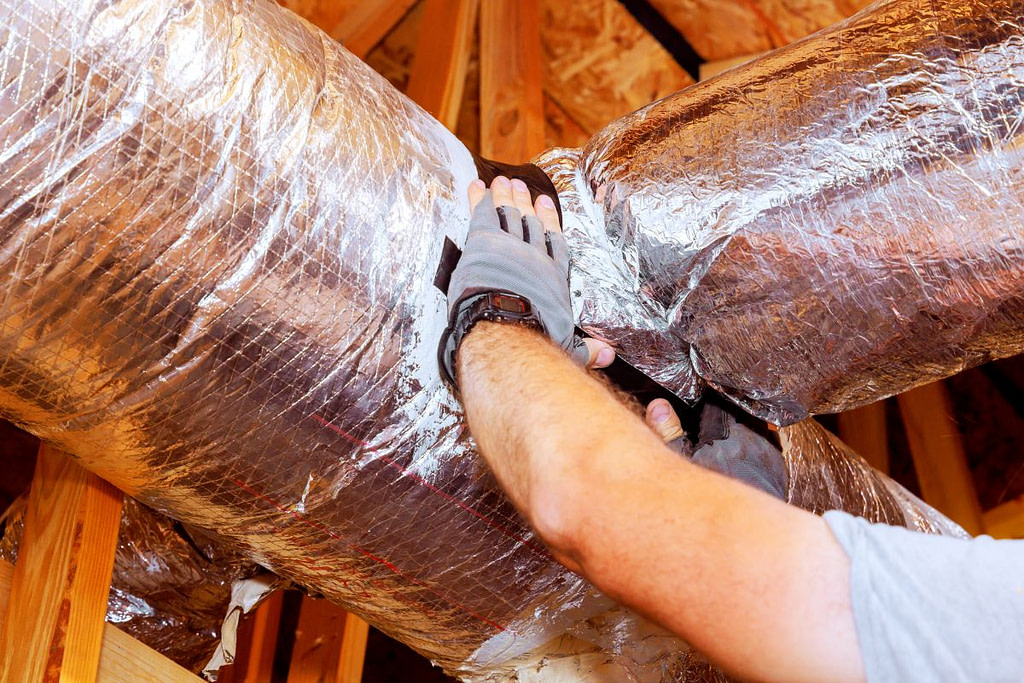
4. Seal Duct and Vent Connections
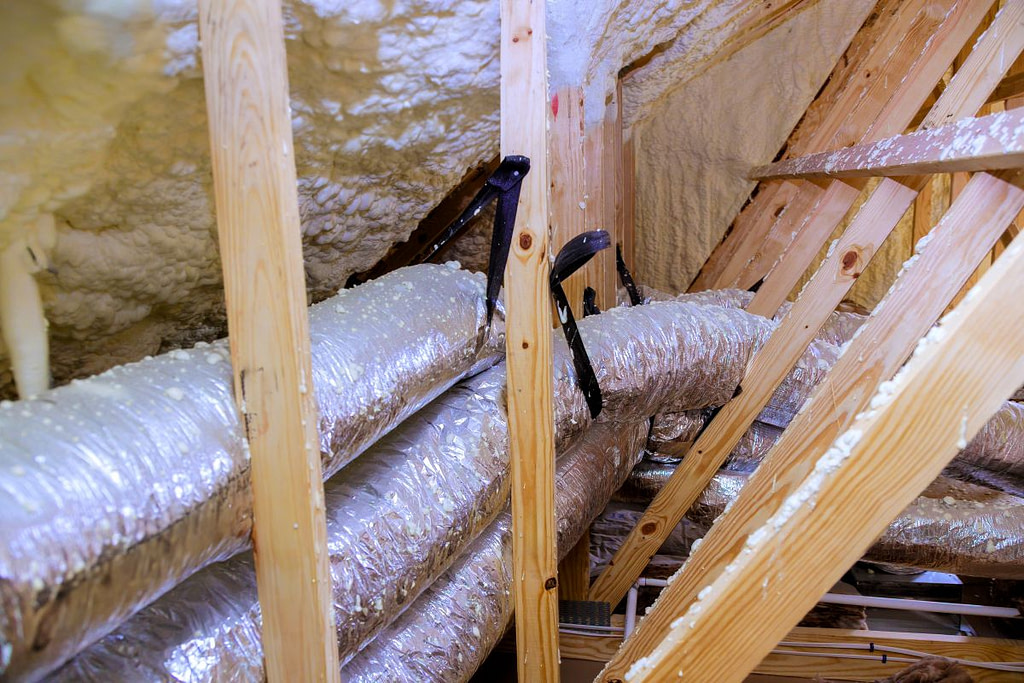
Ductwork and ventilation components that run through the attic can leak air if connections are not sealed properly. These leaks force heating and cooling systems to work harder than necessary.
- Seal duct joints: Use HVAC mastic or foil tape for durable sealing.
- Inspect vent boots: Ensure connections between vents and ceiling openings are tight.
- Secure loose fittings: Tighten connections to prevent airflow loss.
Sealing ductwork improves airflow efficiency and helps maintain consistent temperatures throughout the home.
5. Seal the Attic Top Plate
The attic top plate is the wooden framing where walls meet the attic floor. Small gaps along this framing allow air to move between the walls and attic space.
- Apply caulk along seams: Creates a continuous barrier against air leakage.
- Inspect wall cavities: Ensure gaps around framing are sealed.
- Combine with insulation: Sealing works best when paired with adequate attic insulation.
Sealing the attic top plate helps close one of the most common pathways for air movement in homes.
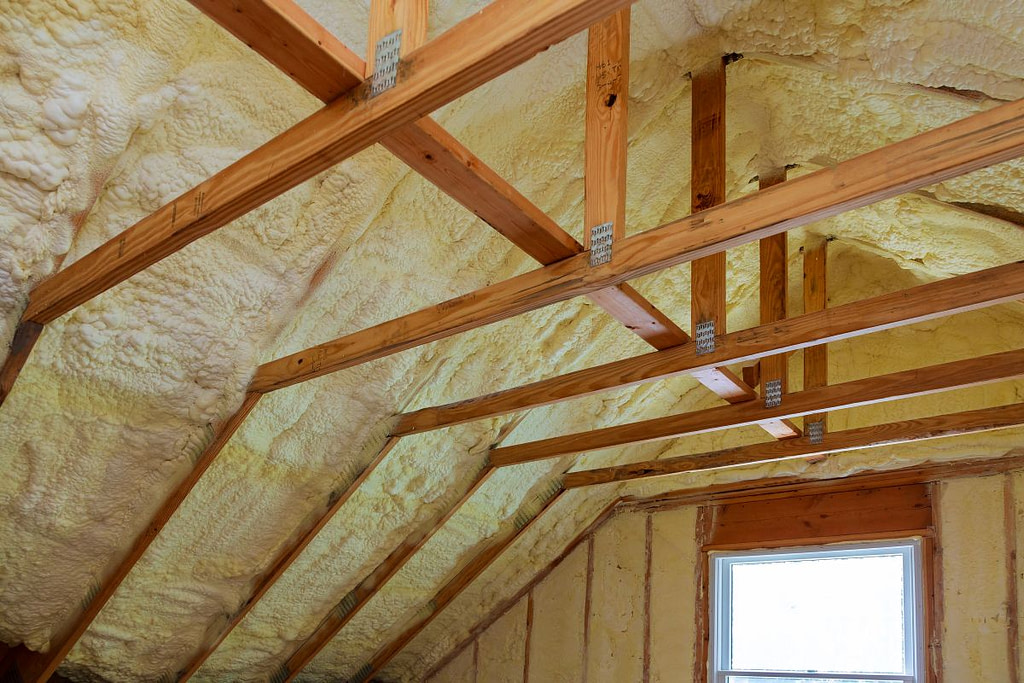
Additional Benefits of Attic Air Sealing
Beyond improving energy efficiency, attic air sealing offers several additional benefits that contribute to a healthier and more comfortable home.
Improved Indoor Comfort
- Balanced temperatures: Reduces hot and cold spots throughout the house.
- Consistent airflow: Heating and cooling systems operate more efficiently.
- Reduced drafts: Eliminates uncomfortable air movement near ceilings.
Homeowners often notice improved comfort soon after sealing major attic air leaks.
Better Moisture Management
- Reduced condensation: Prevents warm air from meeting cold attic surfaces.
- Mold prevention: Lower humidity levels discourage mold growth.
- Protects insulation: Dry insulation maintains its full performance.
Managing moisture is especially important in humid climates where condensation can develop quickly.
Longer Roof Lifespan
- Stable attic temperatures: Prevents extreme heat buildup beneath the roof.
- Reduced ice dam formation: Keeps snow melting evenly in colder regions.
- Improved ventilation performance: Works together with ridge and soffit vents.
By reducing heat and moisture buildup, attic air sealing can help extend the life of roofing materials.
When to Consider Professional Attic Improvements
While some air sealing tasks can be handled by homeowners, larger projects may require professional evaluation. Homes with complex attic layouts, extensive ductwork, or significant insulation gaps may benefit from a comprehensive attic inspection.
Professionals can identify hidden air leaks, recommend insulation improvements, and ensure ventilation systems are working correctly. Combining air sealing with proper insulation often delivers the greatest improvement in energy efficiency and home comfort.
Seal the Leaks and Strengthen Your Home’s Efficiency
Effective attic air sealing improves comfort, reduces energy costs, and protects your home from moisture related problems. Whether dealing with cold winters in Iowa or high humidity in Florida, sealing attic air leaks helps maintain a healthier and more efficient living environment.
Smart Home Improvements Start With Young Construction
Home performance improvements begin with understanding how your home functions as a system. Proper attic sealing, insulation, and ventilation all work together to protect your roof and improve comfort inside your home.
Improving attic efficiency is one of the smartest investments you can make for your home. Contact Young Construction today for a free estimate and learn how thoughtful home improvements can strengthen comfort, efficiency, and long term protection.