Choosing the right attic insulation types for your home can dramatically improve comfort, energy efficiency, and indoor air quality. Insulation plays a vital role in keeping heat where it belongs — inside during the winter and outside during the summer. Understanding your options helps you make the best choice for both performance and budget.
- Energy savings: Proper insulation reduces heating and cooling costs year-round.
- Comfort: Helps maintain consistent indoor temperatures in every season.
- Home value: Upgraded insulation improves efficiency and boosts resale potential.
Why Attic Insulation Matters
Your attic is one of the most important parts of your home’s thermal barrier. Without proper insulation, heat escapes in the winter and seeps in during summer, forcing your HVAC system to work harder. That means higher utility bills, uneven room temperatures, and increased wear on your heating and cooling equipment.
By upgrading or replacing outdated insulation, you can reduce energy loss, improve comfort, and even minimize issues like ice dams and condensation buildup. Selecting the right insulation type ensures your investment pays off for years to come.
How to Compare Attic Insulation Types
Each insulation material performs differently based on factors such as R-value (thermal resistance), installation method, and cost. The right choice depends on your home’s age, attic size, and climate.
Before committing to one option, consider how easily it can be installed, whether it resists moisture, and how it performs over time. These factors determine how effectively your insulation maintains consistent comfort and efficiency.
Factors to Evaluate
- R-Value: The higher the R-value, the better the material insulates.
- Moisture resistance: Prevents mold and water damage in humid environments.
- Air sealing: Reduces drafts and air leakage for consistent comfort.
- Installation method: Impacts cost, speed, and long-term effectiveness.
With these considerations in mind, here’s how the four most common attic insulation materials compare.
4 Common Types of Attic Insulation
When comparing insulation options, it’s important to understand how each type performs under real-world conditions. Some options are more affordable and DIY-friendly, while others deliver premium efficiency and moisture control.
Below are four popular insulation types used in modern homes, along with their key advantages and disadvantages.
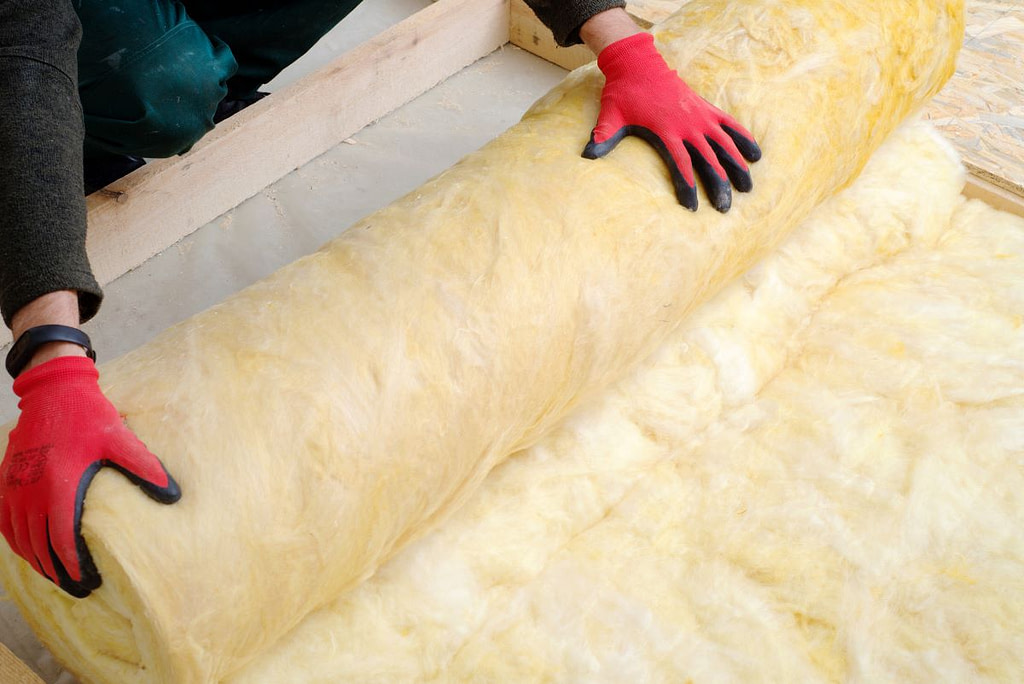
1. Fiberglass Batt Insulation
Fiberglass batt insulation is one of the most traditional and widely used options for residential attics. Made from fine glass fibers, it’s available in pre-cut panels or rolls designed to fit standard joist spacing.
Fiberglass remains popular due to its affordability, ease of installation, and reliable performance. It’s also non-combustible, making it a safe option for most homes.
Pros:
- Affordable: One of the least expensive insulation materials available.
- Easy installation: Pre-sized batts fit easily between joists.
- Durable: Retains insulating power for decades if kept dry.
- Fire-resistant: Naturally nonflammable and meets most building codes.
Cons:
- Air gaps: Must be installed precisely to avoid energy loss.
- Moisture sensitivity: Loses effectiveness when wet.
- Potential irritation: Requires protective gear during installation.
Fiberglass batt insulation is an excellent choice for homeowners seeking a cost-effective solution with solid performance when installed correctly.
2. Blown-In Cellulose Insulation
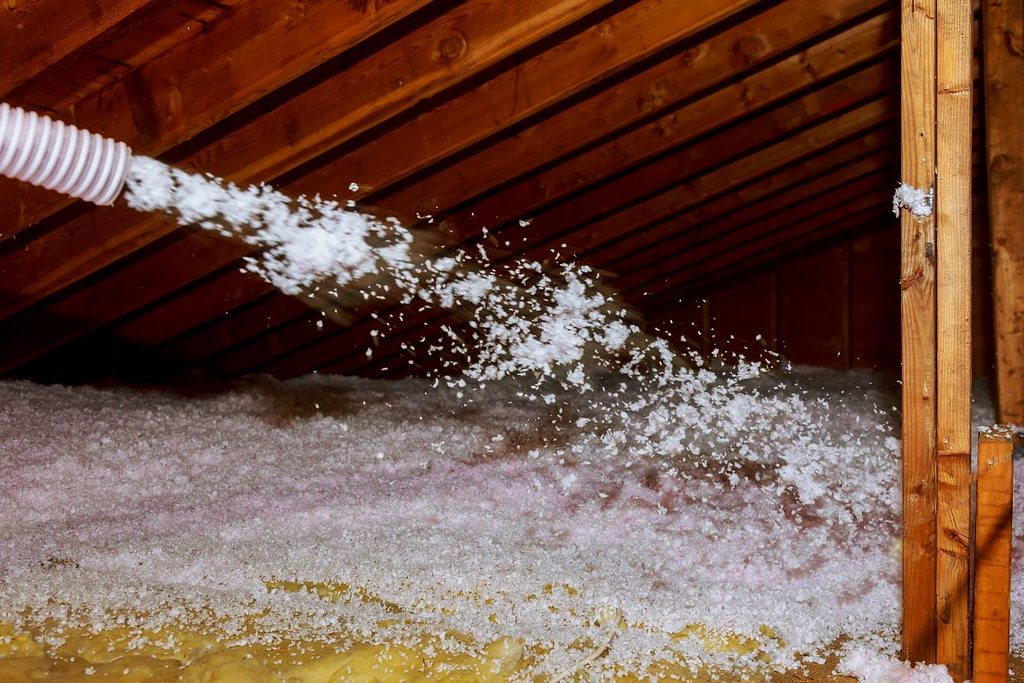
Blown-in cellulose insulation is made from recycled paper products treated with fire retardants. It’s installed using a machine that blows loose fibers into attic cavities, filling gaps and covering irregular surfaces.
This insulation type offers excellent coverage and air-sealing benefits, especially in older homes with uneven spaces or hard-to-reach areas.
Pros:
- Eco-friendly: Composed of up to 85% recycled materials.
- Comprehensive coverage: Fills cracks and corners effectively.
- Good soundproofing: Reduces noise transmission between rooms.
- Fire-treated: Chemicals help resist ignition and slow flame spread.
Cons:
- Settling over time: May lose some R-value as material compresses.
- Moisture absorption: Prone to retaining humidity in damp attics.
- Professional installation recommended: Specialized equipment ensures even coverage.
Blown-in cellulose provides an environmentally conscious option with excellent thermal and acoustic benefits when installed properly.
3. Spray Foam Insulation
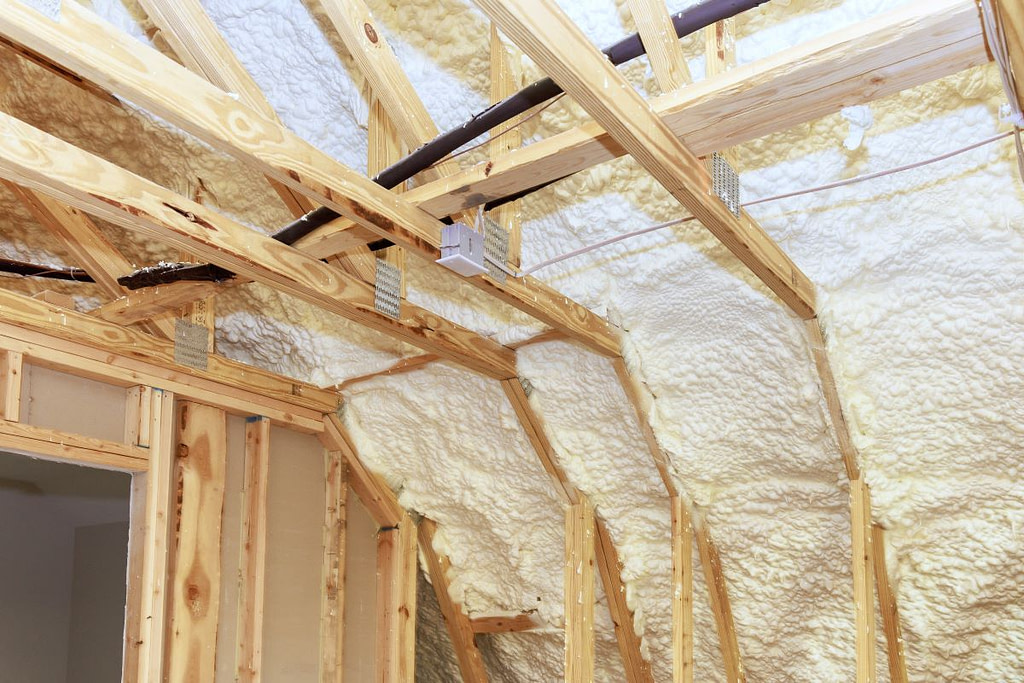
Spray foam insulation is a high-performance material that expands on contact, filling every crevice and creating an airtight seal. It’s available in two main forms: open-cell and closed-cell.
This type of insulation offers superior energy efficiency and acts as both a thermal and air barrier. It’s commonly used in homes seeking maximum performance and long-term value.
Pros:
- Exceptional air sealing: Expands to fill even the smallest gaps.
- Moisture barrier: Closed-cell foam resists water infiltration.
- High R-value: Provides more insulation per inch than other materials.
- Structural strength: Adds rigidity to roof decks and framing.
Cons:
- Higher cost: One of the most expensive insulation materials.
- Professional-only installation: Requires specialized tools and safety measures.
- Odor and curing time: May release mild fumes during application.
Spray foam insulation is ideal for homeowners looking for a premium, energy-efficient upgrade that delivers unmatched performance and durability.
4. Mineral Wool (Rock Wool) Insulation
Mineral wool insulation, also known as rock wool, is made from natural rock or slag fibers melted at high temperatures. It’s denser than fiberglass and offers excellent soundproofing and fire resistance.
This insulation type is valued for its durability and ability to maintain its R-value even when exposed to moisture. It’s also resistant to pests and mold, making it a low-maintenance choice for long-term protection.
Pros:
- Fire-resistant: Can withstand temperatures above 1,000°F.
- Water-repellent: Doesn’t absorb moisture or support mold growth.
- Soundproofing: Excellent acoustic performance for quiet interiors.
- Sustainable: Made from abundant and recyclable materials.
Cons:
- Cost: Slightly more expensive than fiberglass or cellulose.
- Weight: Heavier and less flexible for DIY installation.
- Availability: Not as widely stocked as other insulation materials.
Mineral wool provides excellent long-term value for homeowners who want superior protection and minimal maintenance.
Comparing the 4 Attic Insulation Types
Here’s a quick comparison of how these materials perform across several important factors.
| Insulation Type | Average R-Value (Per Inch) | Moisture Resistance | Installation Method | Relative Cost |
| Fiberglass Batt | 2.9–3.8 | Moderate | DIY or professional | $ |
| Blown-In Cellulose | 3.2–3.8 | Low | Professional | $$ |
| Spray Foam (Closed Cell) | 6.0–7.0 | High | Professional | $$$ |
| Mineral Wool | 3.0–3.3 | High | DIY or professional | $$–$$$ |
Each insulation type has unique advantages depending on your goals. Fiberglass and cellulose offer affordability and good coverage, while spray foam and mineral wool provide premium protection and longevity.
Signs It’s Time to Upgrade Your Attic Insulation
If your home feels drafty, your energy bills keep rising, or your HVAC system struggles to maintain temperature, your attic insulation may no longer be performing as it should. Recognizing the signs early can help you decide when to replace or upgrade.
Common Indicators
- Uneven temperatures: Rooms that feel hotter or colder than others.
- High utility bills: Energy waste from inadequate insulation.
- Drafts near ceilings: Air leaks from the attic into living areas.
- Moisture or mold: Poor insulation often leads to condensation problems.
A professional inspection can determine your insulation’s current condition and recommend the most effective replacement strategy.
Maintaining Your Attic Insulation
Once you’ve chosen the right insulation, proper upkeep ensures it continues performing efficiently. Even high-quality materials can lose effectiveness if damaged or compressed over time.
Maintenance Tips
- Inspect annually: Check for damp spots, pest activity, or settling.
- Seal air leaks: Prevent conditioned air from escaping into the attic.
- Maintain ventilation: Proper airflow prevents condensation and mold growth.
- Add layers when needed: Top off insulation to meet recommended R-values.
Simple maintenance can extend your insulation’s lifespan and maintain its energy-saving benefits.
Upgrade Your Home’s Comfort With Young Construction
The right attic insulation can make a huge difference in comfort, efficiency, and savings. At Young Construction, we help homeowners choose and install insulation that fits their unique needs, ensuring consistent performance for years to come.
Enhance your home’s comfort and reduce energy costs with professional insulation services. Contact Young Construction today for a free estimate and discover how upgrading your attic insulation can make your home more efficient year-round.