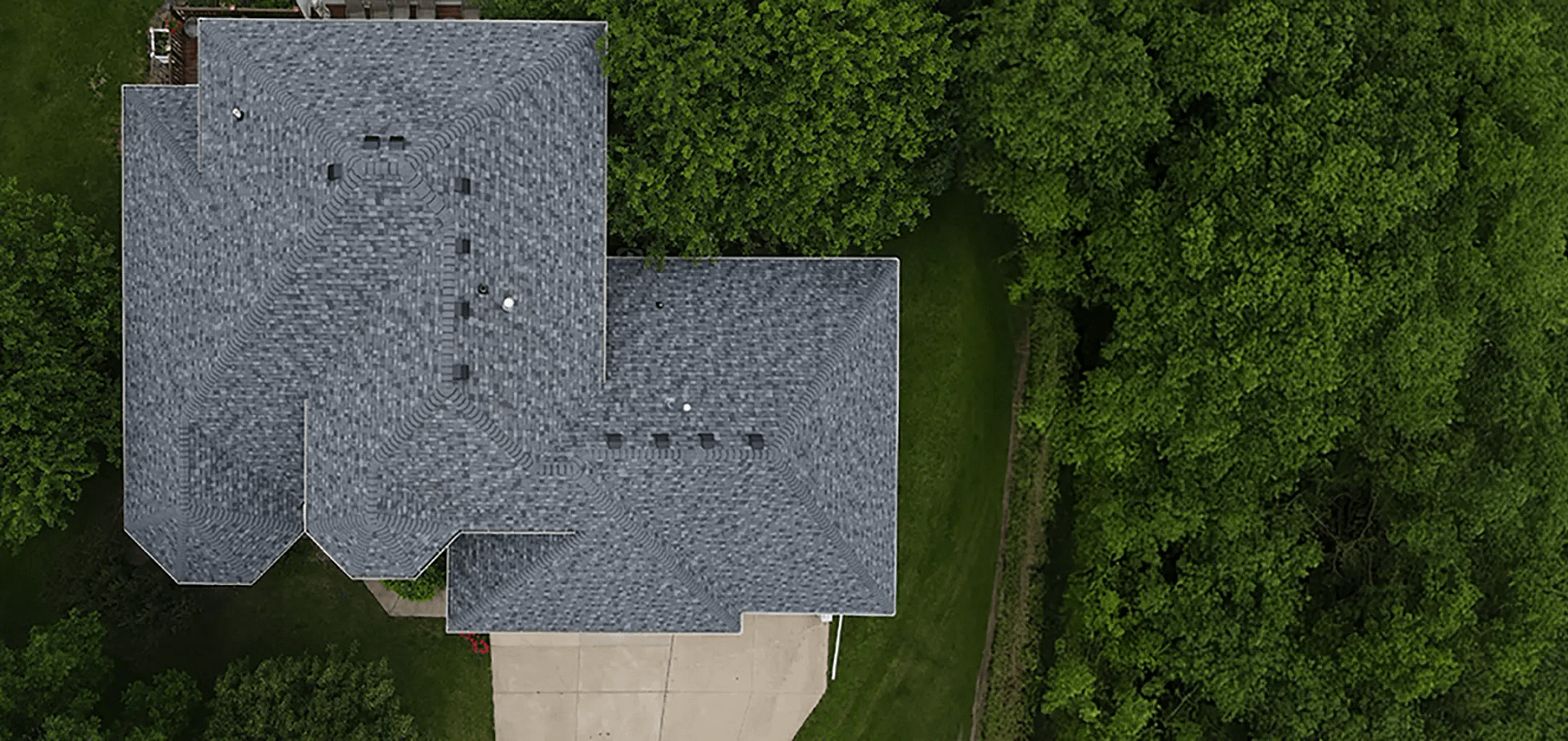
Proper ventilation is essential for a healthy roofing system, and attic roof vents play a key role in maintaining that balance. These vents allow air to circulate through your attic, preventing moisture buildup, regulating temperature, and extending your roof’s lifespan. Whether you’re building a new home or upgrading your current one, understanding vent types and placement is crucial to keeping your home energy-efficient and structurally sound.
- Improved airflow: Reduces trapped heat and humidity in your attic space.
- Energy efficiency: Helps lower heating and cooling costs.
- Roof longevity: Prevents damage caused by moisture and temperature extremes.
Why Attic Roof Vents Are So Important
Without proper ventilation, your attic can become a hotspot for trapped heat and moisture. During summer, temperatures in unventilated attics can exceed 130°F, which can damage roofing materials and raise indoor cooling costs. In winter, warm indoor air rises and meets the cold roof surface, creating condensation that can lead to mold, wood rot, and insulation damage.
Attic roof vents allow your home to “breathe” by promoting continuous airflow. Fresh air enters through intake vents (typically along the soffits) and exits through exhaust vents near the ridge. This steady circulation keeps temperatures stable and moisture under control, helping your entire roofing system last longer.
5 Common Types of Attic Roof Vents
There are several different attic roof vents to choose from, each with its own design, airflow pattern, and installation requirements. Selecting the right one for your home depends on your roof layout, climate, and desired level of ventilation efficiency.
1. Ridge Vents
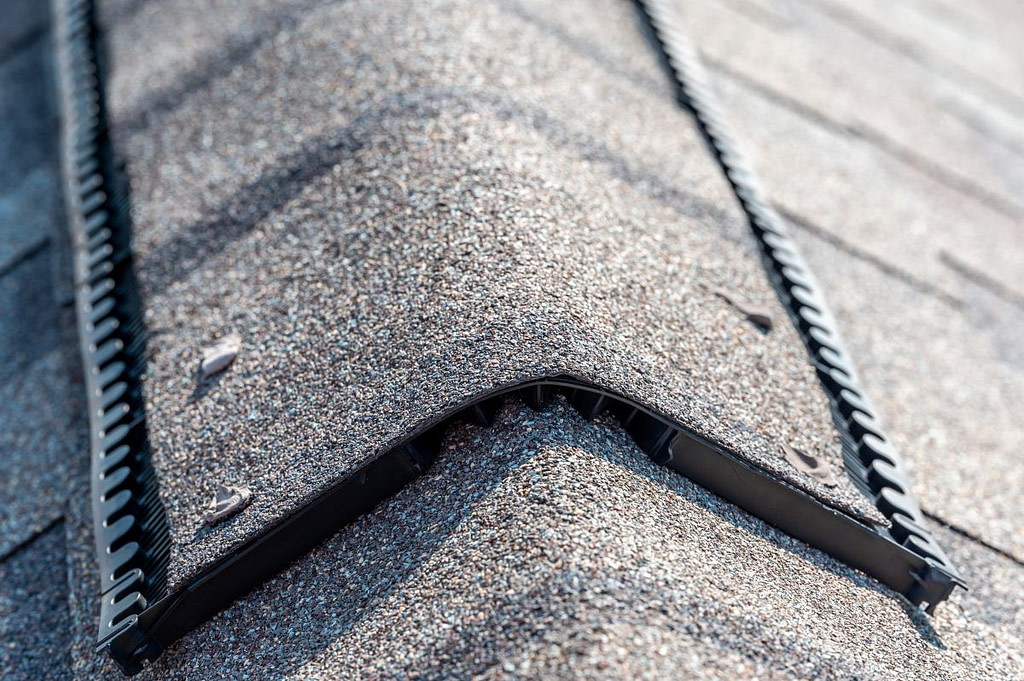
Ridge vents are installed along the peak of the roof, allowing hot air to escape evenly from the entire attic. This type of vent is popular for its clean, low-profile design and consistent performance.
- Benefits: Provides continuous ventilation across the roof’s highest point.
- Aesthetic advantage: Blends seamlessly with most roofing materials.
- Low maintenance: Fewer moving parts and clogs compared to other vent types.
Ridge vents work best when paired with properly sized soffit vents, creating a balanced intake and exhaust airflow system.
2. Soffit Vents
Soffit vents are intake vents located beneath the eaves of your roof. They draw in cooler outdoor air, which pushes hot, humid air upward toward the exhaust vents.
- Benefits: Essential for balanced ventilation and effective air movement.
- Placement: Installed under the roof’s overhang to stay protected from rain.
- Design options: Available as continuous strips or individual panels.
Without adequate soffit ventilation, even the best exhaust vents can’t function properly. Together, soffit and ridge vents form the foundation of most modern attic ventilation systems.
3. Gable Vents
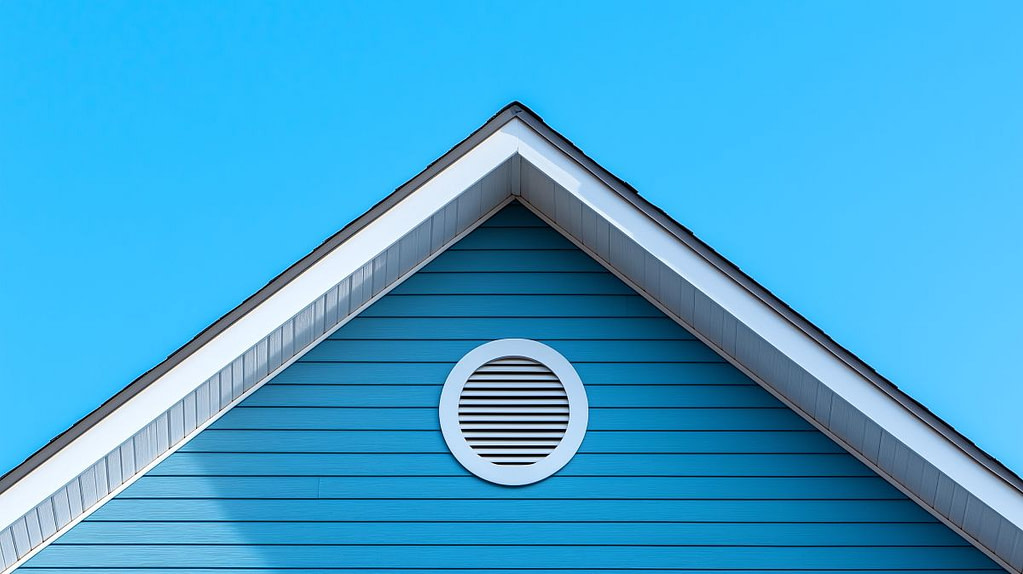
Gable vents are installed on the triangular walls at the ends of a roof. They allow cross ventilation — air enters from one side and exits the other — which helps reduce attic temperature and humidity.
- Benefits: Simple design that provides moderate airflow.
- Aesthetic appeal: Often used as decorative architectural features.
- Best suited for: Homes with open attic layouts and limited ridge area.
Although not as efficient as ridge and soffit systems, gable vents are an effective supplement for homes with older roofing structures.
4. Roof Louvers (Static Vents)
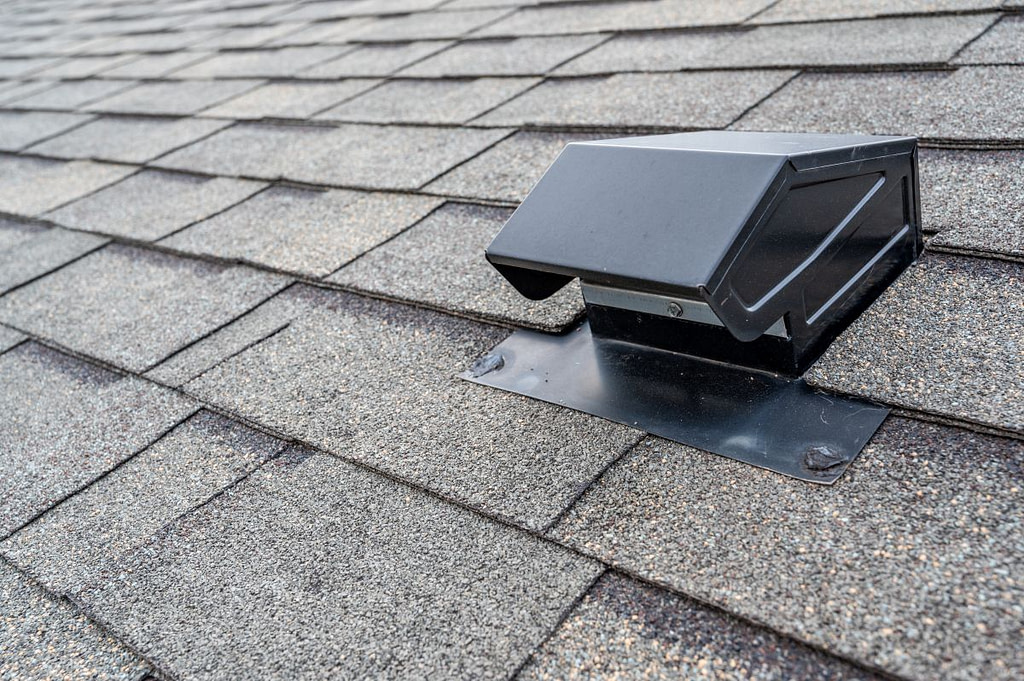
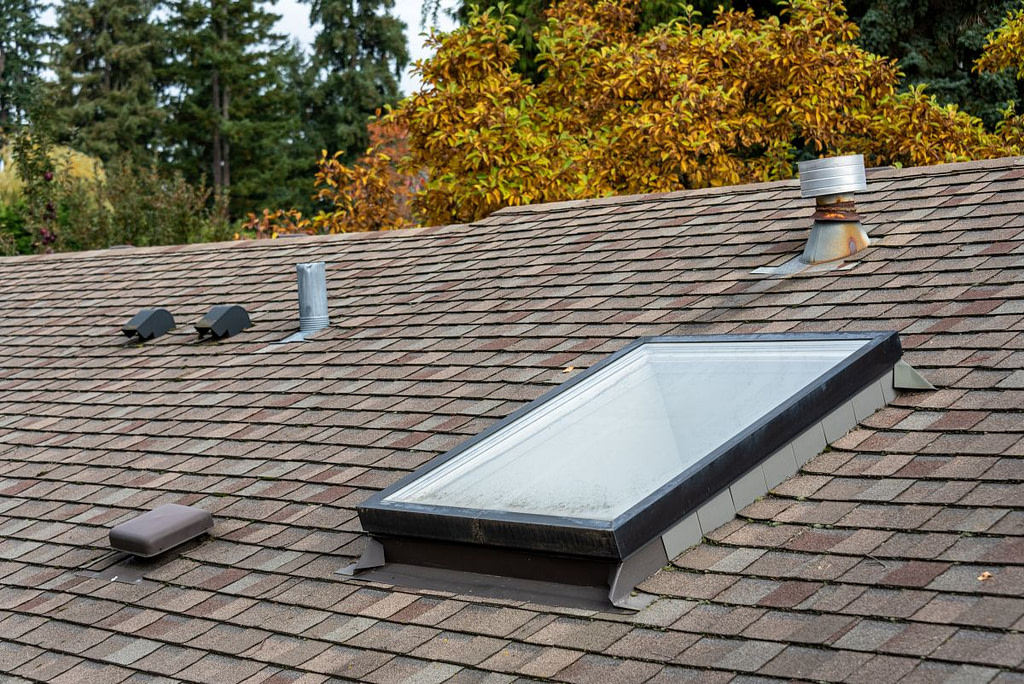
Roof louvers, also called box or turtle vents, are small, stationary vents installed near the roof’s ridge. They allow hot air to escape naturally without relying on mechanical systems.
- Benefits: Affordable and easy to install.
- Durability: Made from metal or heavy-duty plastic for long-lasting performance.
- Flexibility: Can be used alongside other ventilation systems.
Static vents are best suited for smaller attics or homes that don’t require high ventilation rates.
5. Power Vents (Electric or Solar-Powered)
Power vents use electric or solar-powered fans to actively remove hot air and humidity from the attic. These vents automatically turn on when temperatures or humidity levels rise above a certain threshold.
- Benefits: Highly effective in extreme heat or humidity.
- Energy-efficient options: Solar-powered models reduce utility costs.
- Smart technology: Some models include thermostats or humidity sensors.
Power vents are ideal for homes in hot or humid climates that need an extra boost of airflow beyond passive ventilation.
Key Benefits of Attic Roof Vents
Proper attic ventilation offers multiple long-term benefits that go beyond comfort. By maintaining airflow and temperature control, you can significantly improve your home’s energy performance and reduce the risk of costly damage.
Prevents Moisture and Mold Growth
When warm, moist air becomes trapped in your attic, it can condense on cold surfaces and create the perfect environment for mold. Over time, this can damage insulation, wood framing, and even drywall.
- Moisture control: Continuous airflow prevents humidity from settling.
- Health benefits: Reduces mold and mildew that can impact indoor air quality.
- Structural protection: Keeps rafters and decking dry and strong.
Reduces Energy Costs
In summer, attic ventilation helps release trapped heat that would otherwise radiate down into your living spaces. In winter, it prevents ice dams by keeping the roof surface cold enough to stop snow from melting and refreezing at the eaves.
- Lower utility bills: Reduces strain on air conditioning and heating systems.
- Improved comfort: Maintains more consistent indoor temperatures.
- HVAC longevity: Decreases wear on heating and cooling equipment.
Extends Roof Lifespan
Heat buildup and moisture are two of the biggest threats to roof materials. Proper ventilation reduces both, helping shingles, decking, and underlayment last longer.
- Shingle preservation: Prevents curling, cracking, and premature aging.
- Underlayment protection: Keeps materials dry and functional.
- Reduced repair frequency: Minimizes weather-related roof damage.
By managing heat and moisture effectively, attic vents help you get the most from your roofing investment.
Best Placement for Attic Roof Vents
The effectiveness of attic roof vents depends heavily on proper placement. A balanced system should include both intake and exhaust vents, strategically positioned to promote steady air circulation.
Intake vs. Exhaust Vent Placement
- Intake vents: Located along the soffits to draw in cool, fresh air.
- Exhaust vents: Placed near or along the ridge to expel hot, moist air.
- Balance: The total intake area should match or slightly exceed exhaust capacity.
This combination creates a natural convection system — cooler air enters low and pushes warmer air out high — ensuring efficient ventilation throughout the attic space.
Factors That Influence Placement
Several elements affect where and how vents should be installed, including roof slope, attic size, and regional climate.
- Roof pitch: Steeper roofs may require additional vents for balanced airflow.
- Attic volume: Larger attics need more venting area to maintain proper circulation.
- Local climate: Hot, humid regions benefit from added exhaust vents or power-assisted systems.
Consulting a roofing professional ensures vents are properly sized and positioned for your specific home design.
How to Tell If Your Attic Ventilation Is Working
Even the best vents won’t perform as expected if airflow is obstructed or unbalanced. Here are a few signs that your attic ventilation system may need improvement:
- Uneven temperatures: Hot or cold spots in your attic or upper floors.
- Condensation or frost: Visible moisture on rafters, insulation, or nails.
- Moldy odors: A musty smell indicates poor airflow and high humidity.
- Ice dams: Forming along roof edges during winter months.
Regular inspections and cleaning of vents help maintain airflow and prevent these issues before they escalate.
Maintain a Healthy Roof With Proper Ventilation
A well-designed ventilation system is one of the simplest ways to protect your home’s structure and energy efficiency. By understanding how attic roof vents function and ensuring they’re properly placed, you can prevent moisture damage, improve comfort, and extend the lifespan of your roof.
Ventilation may be easy to overlook, but it’s one of the most important investments in your home’s durability. Contact Young Construction today for a free estimate and learn more about how proper ventilation can keep your roof strong, efficient, and problem-free for years to come.