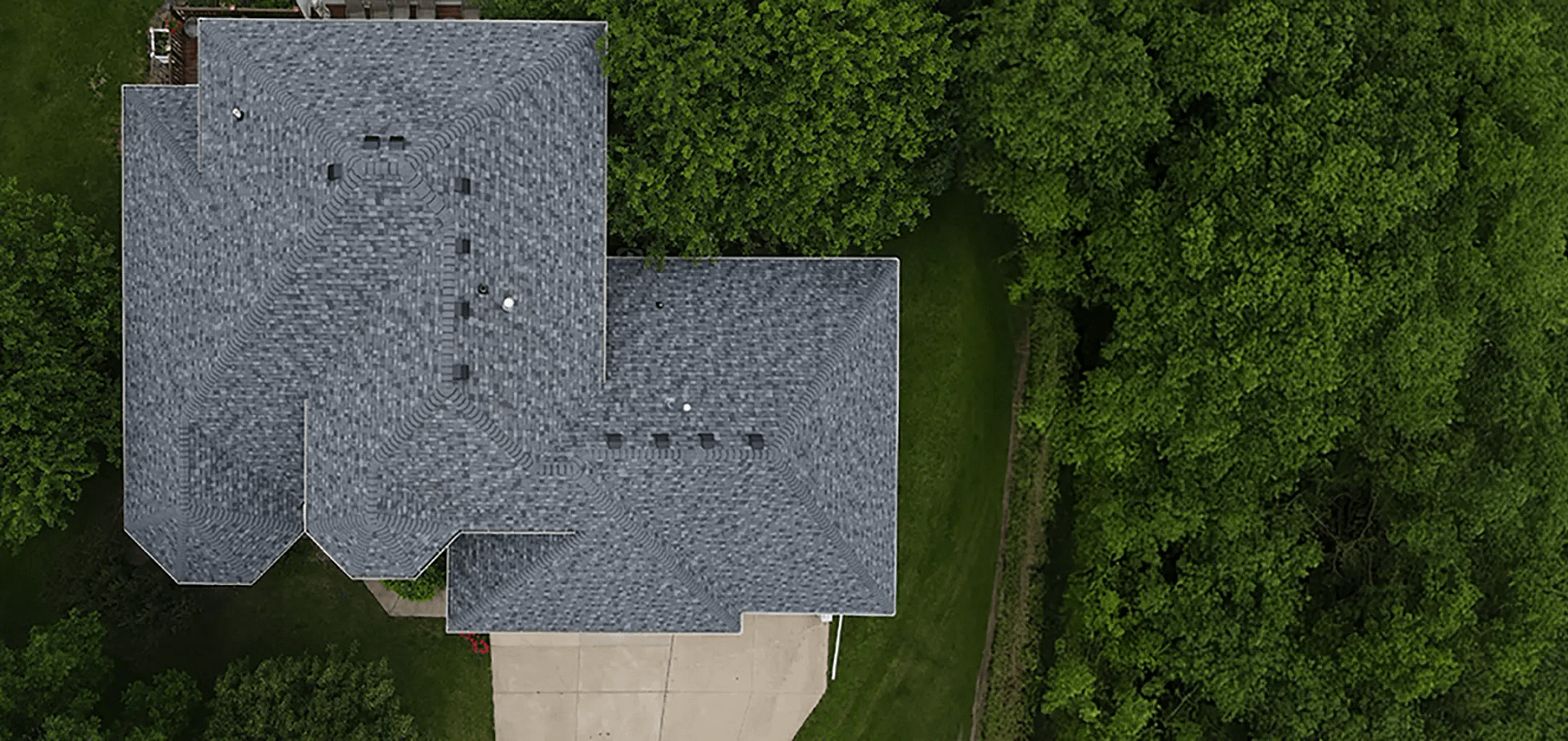
Choosing the best roof sealant for leaks can help homeowners stop small roofing issues before they turn into expensive structural problems. Roof sealants are designed to close gaps, cracks, and seams where water may enter the roofing system. When used correctly, these products provide a protective barrier that improves waterproofing, extends roof lifespan, and helps prevent future damage.
- Water protection: Sealants help block moisture from entering vulnerable roof areas.
- Extended roof lifespan: Proper sealing can slow down wear and deterioration.
- Quick repair option: Sealants often provide a temporary or supplemental repair solution.
Why Roof Sealants Are Used for Leak Prevention
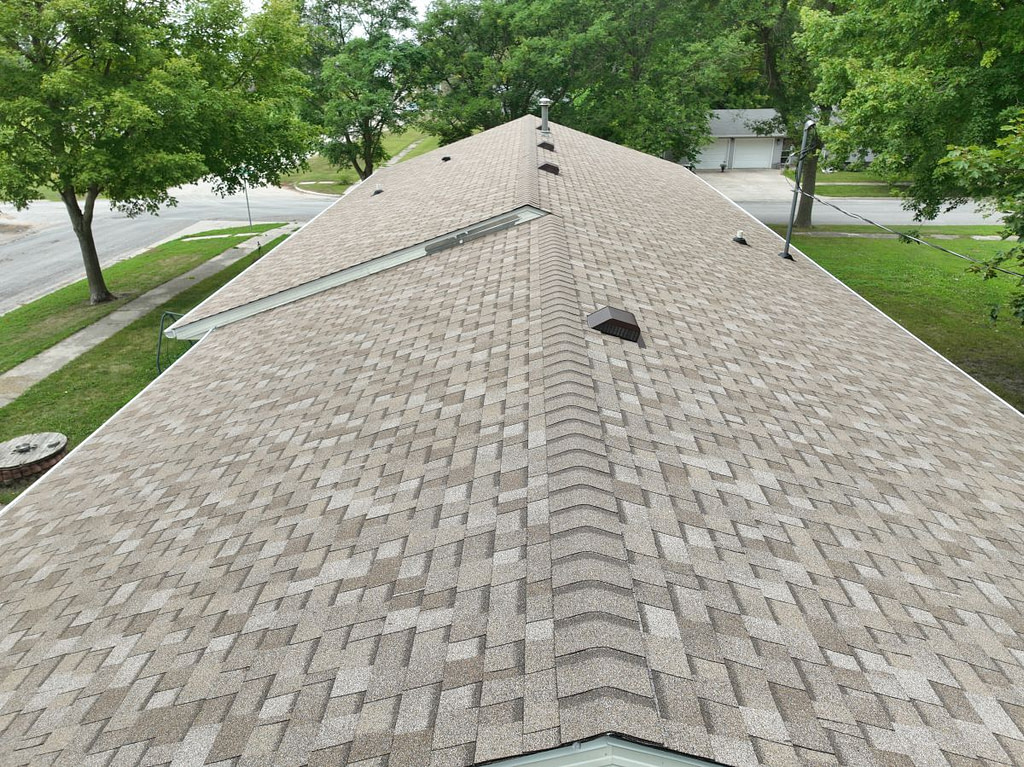
Roof leaks often develop around flashing, vents, seams, or damaged roofing materials. Even small cracks can allow water to enter the roof structure and cause insulation damage, mold growth, and wood rot. Sealants provide a protective layer that blocks water from penetrating these weak points.
Different roof sealants are formulated for different roofing materials and weather conditions. Some are designed for flexibility and expansion, while others focus on durability and UV resistance. Understanding the strengths and limitations of each type helps homeowners choose the right option for their roofing system.
6 Best Roof Sealant Options for Common Roof Leaks
Different roofing materials require specific sealant products to ensure proper adhesion and performance. The following sealants are commonly used for leak prevention and roof maintenance.
1. Silicone Roof Sealant
Silicone sealant is widely used because of its strong waterproofing ability and resistance to extreme weather conditions. It performs especially well on roofs exposed to heavy rain and standing water.
- Pros: Excellent waterproofing, strong UV resistance, and long lifespan.
- Cons: Higher material cost compared to some other sealants.
- Typical cost: Approximately $35 to $70 per gallon depending on product quality.
Silicone sealant works well on flat roofs, metal roofs, and areas where water tends to pool.
2. Acrylic Roof Sealant
Acrylic sealants are commonly used for roof maintenance because they are affordable and easy to apply. They are particularly useful for sealing small cracks and seams.
- Pros: Cost effective, reflective surface helps reduce heat absorption.
- Cons: Less durable in areas with standing water.
- Typical cost: Approximately $20 to $50 per gallon.
Acrylic sealants are often used on metal roofs and sloped roofing surfaces.
3. Polyurethane Roof Sealant
Polyurethane sealants are known for their strong adhesion and durability. They bond well with many roofing materials and can withstand significant expansion and contraction.
- Pros: Strong adhesion, highly durable, flexible in changing temperatures.
- Cons: Slightly more difficult to apply than other sealants.
- Typical cost: Around $40 to $80 per gallon.
This type of sealant is often used for flashing repairs and high stress areas.
4. Rubberized Asphalt Sealant
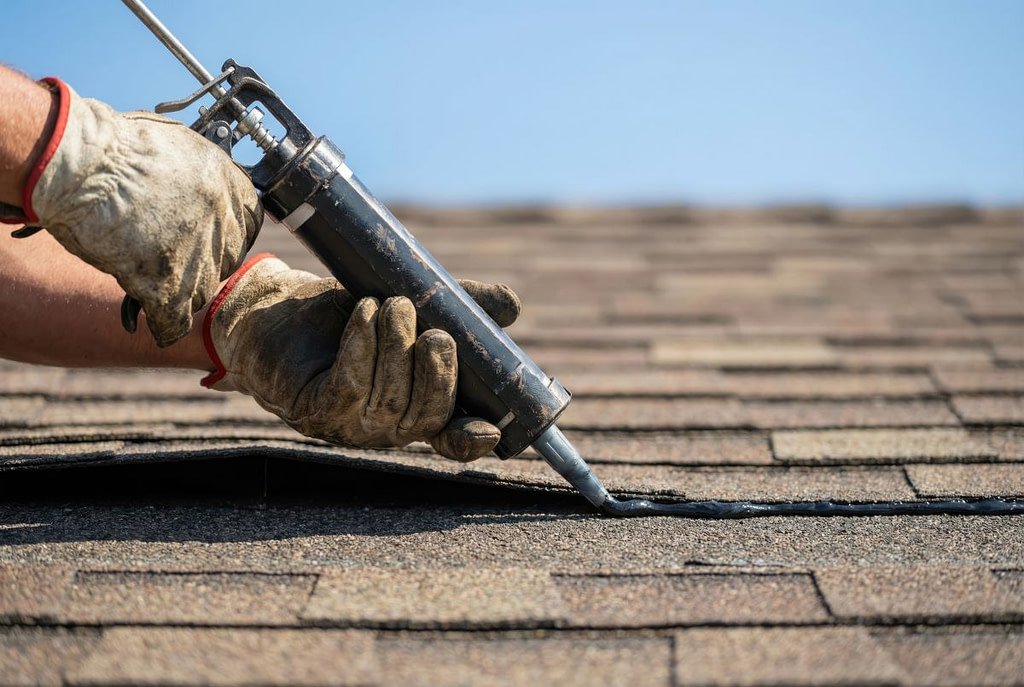
Rubberized asphalt sealants are frequently used for patching leaks on asphalt shingle roofs. They provide a thick waterproof layer that fills cracks and small openings.
- Pros: Excellent adhesion to asphalt surfaces, strong waterproofing.
- Cons: Limited aesthetic appearance and may degrade under intense sunlight.
- Typical cost: Approximately $15 to $40 per gallon.
This sealant works well for sealing flashing and small gaps around roofing components.
5. Butyl Rubber Sealant
Butyl sealant is highly flexible and resistant to water infiltration. It is often used in roofing systems that experience significant movement due to temperature changes.
- Pros: Excellent flexibility and long term waterproofing performance.
- Cons: Limited availability in some retail stores.
- Typical cost: Around $30 to $60 per gallon.
Butyl sealant is commonly used for metal roofing seams and flashing areas.
6. Elastomeric Roof Sealant
Elastomeric sealants are designed to stretch and contract as roofing materials expand and shrink with temperature changes.
- Pros: Highly flexible, durable coating that resists cracking.
- Cons: Requires careful surface preparation for proper adhesion.
- Typical cost: Approximately $25 to $60 per gallon.
These sealants are often used on flat or low slope roofs where flexibility is important.
Comparison of Common Roof Sealant Types
Choosing the right product depends on your roof material and environmental conditions.
| Sealant Type | Best For | Durability | Cost Range |
| Silicone | Flat roofs, ponding water areas | Very high | $35 to $70 per gallon |
| Acrylic | Sloped roofs, general repairs | Moderate | $20 to $50 per gallon |
| Polyurethane | Flashing, high stress seams | High | $40 to $80 per gallon |
| Rubberized Asphalt | Asphalt shingles | Moderate | $15 to $40 per gallon |
| Butyl Rubber | Metal roofing seams | High | $30 to $60 per gallon |
| Elastomeric | Flat roofs and flexible surfaces | High | $25 to $60 per gallon |
When Roof Sealants Are Most Effective
Roof sealants are most effective when used to address minor issues before they become major problems. They work well for sealing small cracks, seams, and flashing connections where water infiltration may occur.
Small Cracks or Surface Gaps
- Early leak prevention: Sealants stop small cracks from spreading.
- Weather protection: Helps protect vulnerable roof sections.
- Cost effective repair: Minor sealing can prevent larger repairs.
Addressing small cracks early helps extend roof lifespan.
Flashing and Roof Penetrations
- Vent pipes: Sealants help protect areas around roof vents.
- Chimney flashing: Prevents water intrusion at roof joints.
- Roof seams: Sealing seams improves waterproofing performance.
Roof penetrations are common locations for leaks to develop.
Temporary Leak Repairs
- Emergency sealing: Sealants can temporarily stop water intrusion.
- Storm damage protection: Helps protect exposed roof areas until permanent repairs are completed.
- Maintenance solution: Sealants can be used during routine roof maintenance.
While helpful, sealants are not always a permanent solution for serious roof damage.
Limitations of Roof Sealants
Although roof sealants are useful for maintenance and minor repairs, they cannot solve every roofing problem. In some cases, larger repairs or component replacements may be necessary.
Structural Roof Damage
- Large cracks: Structural damage cannot be solved with sealant alone.
- Rotting materials: Water damaged decking may require replacement.
- Severe storm damage: Major roof damage requires professional repair.
Sealants should be viewed as a supplemental repair method rather than a complete solution.
Improper Surface Preparation
- Dirty surfaces: Debris prevents sealant adhesion.
- Wet conditions: Moisture can weaken the bond.
- Incorrect product choice: Some sealants do not adhere well to certain materials.
Proper preparation is essential for sealants to perform correctly.
Choosing the Right Roof Sealant for Your Home
Selecting the best roof sealant for leaks depends on several factors, including roof material, climate conditions, and the type of damage being repaired. Some sealants perform better in areas with heavy rainfall, while others excel in hot climates with intense sun exposure.
Homeowners should consider durability, flexibility, and compatibility with their roofing system when choosing a sealant. In many cases, consulting roofing professionals can help determine whether a sealant repair or a more comprehensive solution is the best option.

Protect Your Roof With Smart Maintenance
Roof maintenance plays an important role in protecting your home from water damage. Identifying leaks early and using the right repair methods can extend the life of your roof and reduce long term maintenance costs.
A strong roofing system protects your home from the elements and preserves your property’s long term value. Understanding roofing materials, repair options, and maintenance strategies helps homeowners make confident decisions about protecting their investment.
Protect your home with roofing solutions designed for long term performance. Contact Young Construction today for a free estimate and learn how expert exterior services can keep your home safe, efficient, and well protected for years to come.