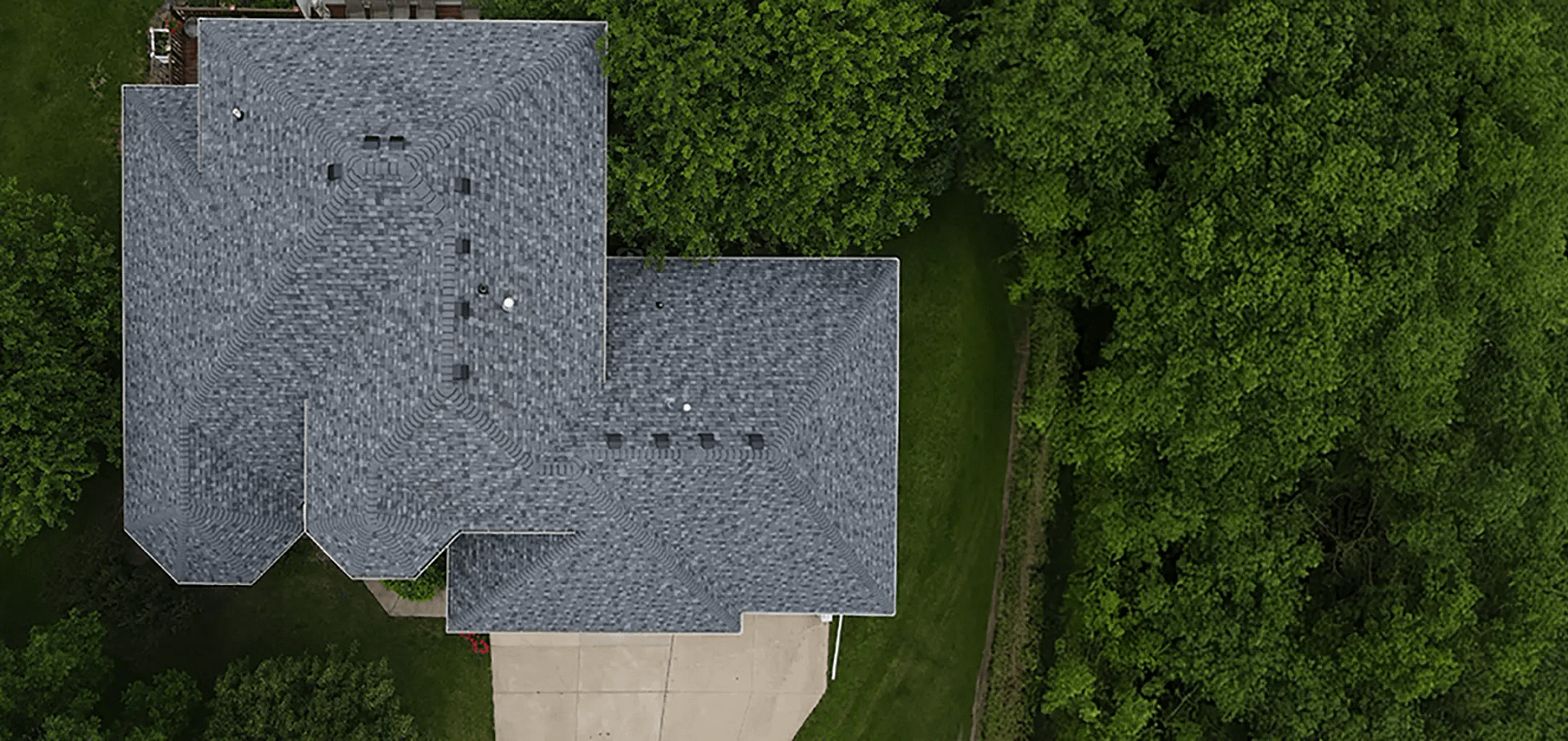
Choosing the best siding for Albert Lea MN homes is essential for protecting your property against harsh weather while maintaining strong curb appeal. Homes in southern Minnesota experience cold winters, temperature swings, wind, and seasonal moisture, all of which can impact siding performance. Selecting the right material helps ensure long-term durability, energy efficiency, and fewer maintenance issues over time.
- Weather protection: Siding must handle freezing temperatures, snow, and wind.
- Energy efficiency: The right material helps regulate indoor temperatures.
- Long-term value: Durable siding reduces repair and replacement costs.
Why Climate Matters When Choosing Siding in Albert Lea, MN
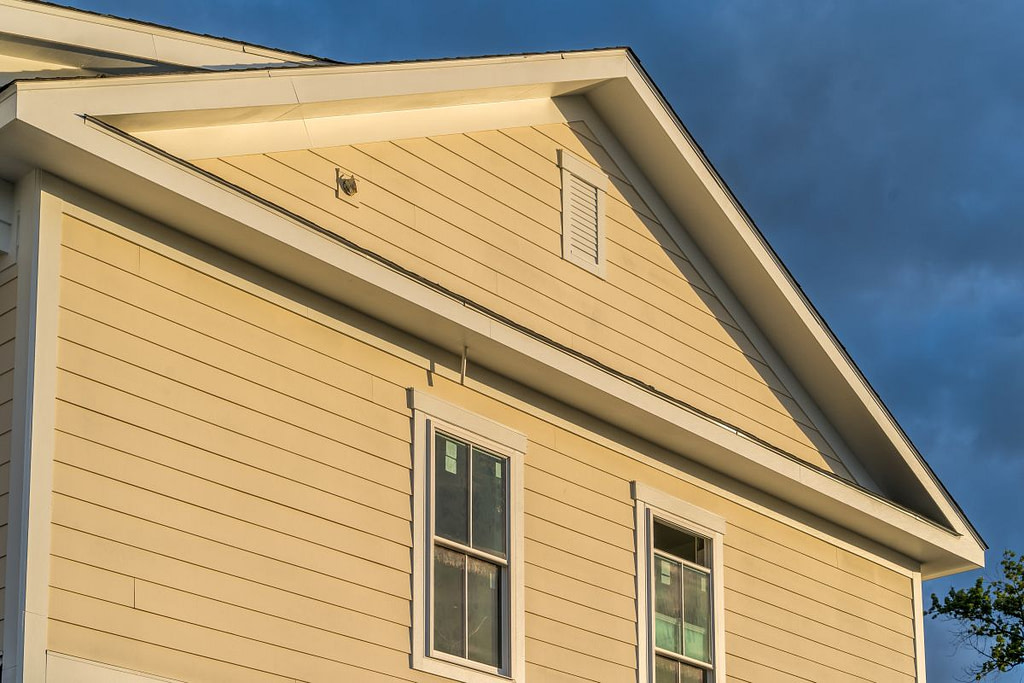
Albert Lea experiences a wide range of weather conditions throughout the year. Winters bring freezing temperatures, snow, and ice, while summers can include heat, humidity, and storms. These seasonal changes cause siding materials to expand and contract, which can lead to cracking or warping if the material is not designed for these conditions.
Moisture is another major concern. Snowmelt, rain, and humidity can affect siding performance, especially if water penetrates seams or behind panels. Wind exposure can also loosen poorly installed siding or damage lower-quality materials. Choosing siding built to handle these conditions is key to protecting your home.
5 Best Siding Materials for Albert Lea Homes
Not all siding materials perform equally in Minnesota’s climate. These options are among the most reliable for durability, performance, and long-term value.
1. Vinyl Siding
Vinyl siding is one of the most popular choices for homeowners due to its affordability and low maintenance requirements.
- Weather resistance: Handles moisture and cold temperatures well.
- Low maintenance: Does not require painting or sealing.
- Cost effective: One of the most budget-friendly options available.
Vinyl siding works well in Albert Lea because it resists moisture and does not rot or attract pests.
2. Fiber Cement Siding
Fiber cement siding is known for its strength and durability in extreme weather conditions.
- Cold weather durability: Resists cracking during freeze-thaw cycles.
- Moisture resistance: Performs well in wet and humid conditions.
- Fire resistance: Adds an extra layer of protection for the home.
Fiber cement is often considered one of the best long-term siding options for Minnesota homes.
3. Engineered Wood Siding
Engineered wood offers the appearance of natural wood with improved durability and resistance to weather.
- Moisture protection: Designed to resist water damage better than traditional wood.
- Durability: Holds up well in temperature changes.
- Aesthetic appeal: Provides a natural wood look with less maintenance.
This option is ideal for homeowners who want a classic appearance without the upkeep of natural wood.
4. Metal Siding
Metal siding is becoming more popular for its strength and modern appearance.
- Extreme durability: Resists wind, pests, and weather damage.
- Low maintenance: Requires minimal upkeep over time.
- Longevity: Can last for decades with proper installation.
Metal siding is a strong option for homeowners looking for long-term performance.
5. Natural Wood Siding
Wood siding offers a traditional and timeless look but requires more maintenance than other materials.
- Natural appearance: Provides warmth and classic curb appeal.
- Custom finishes: Can be painted or stained in various colors.
- Maintenance needs: Requires regular sealing or painting.
While beautiful, wood siding may require more upkeep in Minnesota’s climate.
Key Features to Look for in Cold Climate Siding

Choosing the best siding involves more than just selecting a material. Certain features improve performance in colder climates like Albert Lea.
Resistance to Freeze-Thaw Cycles
- Material flexibility: Allows siding to expand and contract without cracking.
- Durability: Prevents damage from repeated temperature changes.
- Long-term performance: Reduces the risk of structural wear.
Materials that handle freeze-thaw cycles well last longer in Minnesota.
Moisture Protection
- Water resistance: Prevents moisture from penetrating siding panels.
- Sealed seams: Keeps water out during rain and snow.
- Proper installation: Ensures water drains away from the home.
Moisture resistance is critical for preventing mold and structural damage.
Wind Resistance
- Secure fastening: Keeps siding attached during strong winds.
- Impact resistance: Protects against debris during storms.
- Durable materials: Reduces the risk of damage in severe weather.
Wind-resistant siding is especially important in open or exposed areas.
Comparing Popular Siding Materials
Here is a quick comparison of siding materials based on key performance factors:
| Material | Durability | Maintenance | Climate Performance |
| Vinyl | Moderate to high | Low | Good for cold and moisture |
| Fiber Cement | High | Moderate | Excellent for extreme climates |
| Engineered Wood | Moderate to high | Moderate | Good for varied conditions |
| Metal | Very high | Low | Excellent for wind and weather |
| Natural Wood | Moderate | High | Requires regular maintenance |
This comparison helps homeowners evaluate which material best fits their needs.
Installation Matters as Much as Material
Even the best siding for Albert Lea MN homes can fail if it is not installed properly. Installation plays a critical role in how siding performs over time.
Proper Sealing and Flashing
- Water management: Prevents leaks around windows and doors.
- Protection layers: Adds barriers behind siding panels.
- Long-term durability: Reduces moisture-related damage.
Correct sealing helps siding perform as intended.
Correct Fastening Techniques
- Secure attachment: Keeps panels in place during storms.
- Expansion allowance: Prevents buckling in temperature changes.
- Even alignment: Improves both appearance and performance.
Proper fastening ensures siding remains stable and effective.
Professional Installation
- Material expertise: Ensures correct installation methods are used.
- Efficiency: Reduces installation errors and delays.
- Long-term results: Improves durability and performance.
Working with experienced professionals helps ensure the best outcome.
How to Choose the Right Siding for Your Home
Selecting the right siding depends on your priorities, budget, and long-term goals.
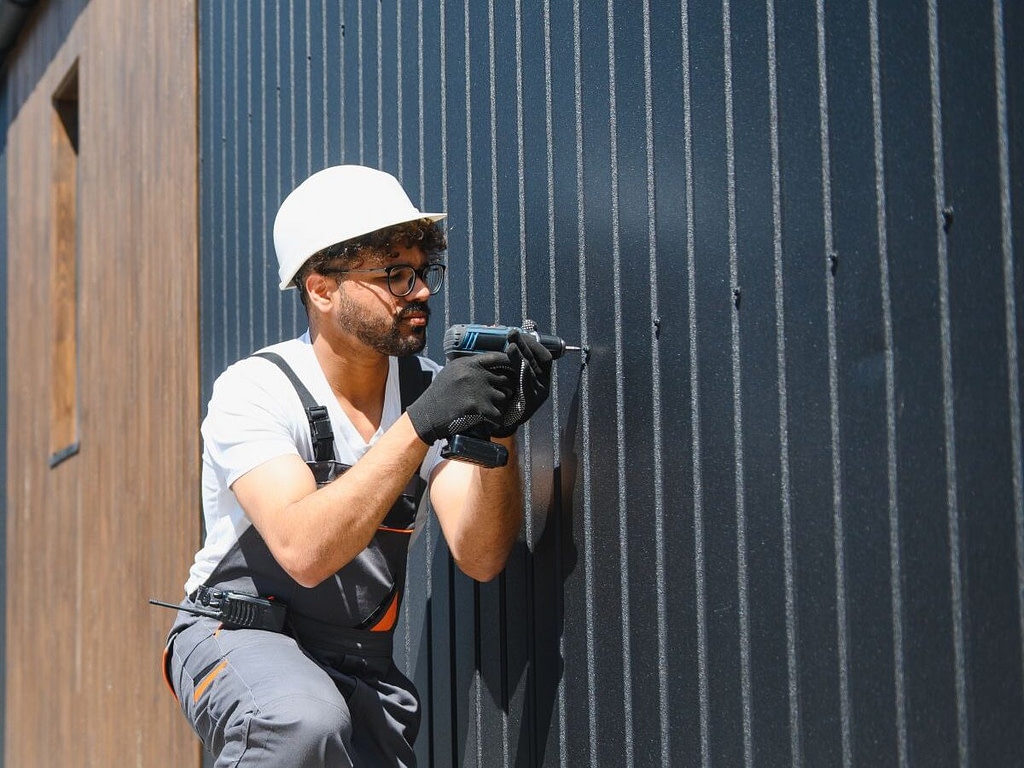
Consider Your Budget
- Upfront cost: Some materials are more affordable than others.
- Maintenance expenses: Long-term upkeep should be considered.
- Value over time: Durable materials may cost more initially but last longer.
Balancing cost and performance helps maximize value.
Think About Maintenance
- Low maintenance options: Vinyl and metal require minimal upkeep.
- Moderate maintenance: Fiber cement may need occasional repainting.
- High maintenance: Wood requires regular care.
Choosing a material that fits your lifestyle is important.
Evaluate Long-Term Performance
- Durability: Materials should handle local weather conditions.
- Energy efficiency: Insulated siding can improve comfort.
- Resale value: High-quality siding can increase home value.
Long-term performance should be a top priority.
Protect Your Home With the Right Siding Choice
Choosing the best siding for Albert Lea MN homes ensures your property stays protected against harsh weather while maintaining strong curb appeal. With the right material and proper installation, your siding can provide reliable performance for decades.
Your home deserves siding that delivers both protection and style. Understanding how different materials perform in Minnesota’s climate helps you make confident decisions for your exterior upgrade.
Why Homeowners Trust Young Construction
- Local expertise: Experience with siding solutions designed for Minnesota weather.
- Commitment to quality: Focused on durable materials and proper installation.
- Trusted guidance: Helping homeowners choose the right siding for their needs.
Protect your home with siding built for long-term performance. Contact Young Construction today for a free estimate and discover how expert exterior solutions can enhance your home’s durability and curb appeal.