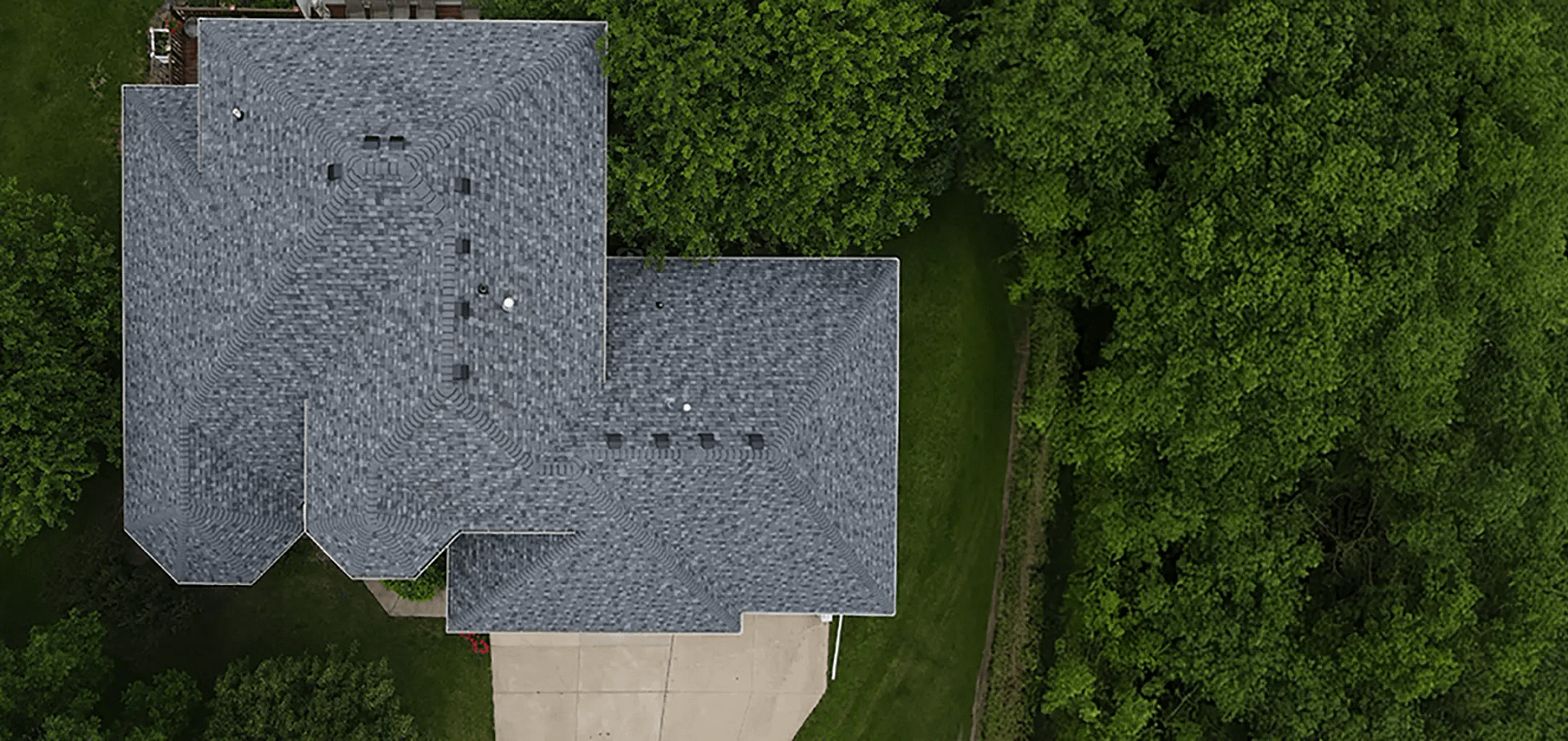
The best time to replace roof in Minnesota is late spring through early fall, when daytime temperatures sit consistently between 40 and 85 degrees Fahrenheit and asphalt shingles can seal correctly. Minnesota’s climate swings from sub-zero winters to humid summers, and that range matters more here than in milder states because shingle adhesive, crew safety, and scheduling all depend on stable, moderate weather. Choosing the right window protects your investment, keeps costs predictable, and ensures your new roof is fully sealed before the next hard freeze arrives. Here is what this guide covers:
- Seasonal timing: Which months in Minnesota give your shingles the best chance to seal and last.
- Temperature science: Why the 40 to 85 degree range determines installation quality and warranty coverage.
- Cost and planning factors: How season, scheduling, and storm damage affect your timeline and budget.
What Is the Best Season to Replace a Roof in Minnesota?
Fall is widely considered the best season to replace a roof in Minnesota, with late spring as a close second. Both windows offer the moderate temperatures and lower humidity that asphalt shingles need to bond properly before winter weather sets in.
Why Is Fall the Ideal Time for Roof Replacement?
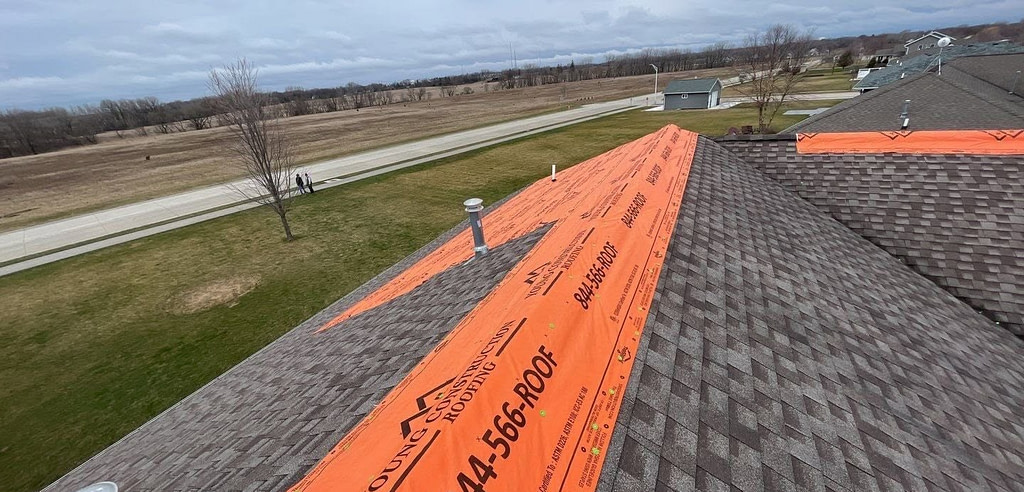
Fall is the ideal time for a roof replacement in Minnesota because September and October typically deliver steady daytime temperatures in the 50 to 70 degree range, giving shingles enough warmth to activate their adhesive strips while staying cool enough to avoid scuffing. This window also lets you get a watertight roof in place before snow, ice, and freeze-thaw cycles begin. Crews work efficiently in crisp, dry conditions, and homeowners across Albert Lea and surrounding areas often book early to lock in fall dates before they fill up.
- Stable temperatures: Fall days usually stay within the 40 to 85 degree sealing range without summer’s extreme heat.
- Lower humidity: Drier autumn air helps adhesive bond cleanly without trapped moisture.
- Pre-winter protection: A roof finished in fall is fully sealed before the first hard freeze.
- Predictable scheduling: Fewer surprise rain delays than spring means a tighter, more reliable timeline.
How Does Spring Compare for Roof Installation?
Spring is a strong second choice for roof installation in Minnesota, especially from late April through June once the threat of overnight freezing has passed. The main tradeoff is unpredictability, since spring brings frequent rain and the occasional late snow that can push back start dates. Still, replacing your roof in spring means any winter damage gets corrected early, and your home is protected through the storm-heavy summer months. Many homeowners in Albert Lea and surrounding areas schedule spring inspections right after the snow melts to catch issues before they worsen.
- Early damage repair: Spring replacement fixes winter wear before summer storms hit.
- Warming temperatures: Late spring reliably reaches the sealing threshold for asphalt shingles.
- Rain delays: Wet spring weather can extend timelines, so flexibility helps.
- High demand: Booking ahead secures a spot before the busy season ramps up.
Why Does Temperature Matter So Much for Minnesota Roofs?
Temperature directly controls whether asphalt shingles seal properly, which is why it is the single most important timing factor for any Minnesota roof. Install too cold and the adhesive never activates; install in extreme heat and shingles soften and scuff under foot traffic.
What Temperature Is Too Cold to Install Shingles?
Temperatures consistently below 40 degrees Fahrenheit are generally too cold to install asphalt shingles without special precautions. In cold weather the shingles become stiff and brittle, making them prone to cracking when cut or nailed, and the heat-activated sealant strips on the underside may never bond. When that adhesive fails to seal, shingles are vulnerable to wind uplift and blow-off until warmer weather arrives. Pneumatic nail guns also lose pressure in freezing air, leading to over-driven or under-driven nails that create leak points across the roof.
- Brittle materials: Cold shingles crack easily during cutting and fastening.
- Failed sealing: Adhesive strips will not activate reliably below 40 degrees.
- Wind vulnerability: Unsealed shingles can lift and blow off in winter winds.
- Nail problems: Reduced air pressure causes inconsistent fastening and potential leaks.
Asphalt shingles are designed to seal using heat-activated adhesive, and shingle manufacturer GAF advises that for easiest handling temperatures should be above 40 degrees Fahrenheit in cold weather and below 90 degrees in hot weather, since cold shingles can become brittle and need to be hand-sealed when the adhesive will not activate on its own. Installing outside that range without manufacturer-approved methods can compromise the seal and, in some cases, affect warranty coverage.
Can You Replace a Roof in Minnesota Winter?

Yes, you can replace a roof in a Minnesota winter, but it requires extra steps, costs more, and is best reserved for emergencies. When freezing temperatures cannot be avoided, professional crews hand-seal each shingle with manufacturer-approved roofing cement, store materials in heated spaces above 50 degrees until installation, and clear all snow and ice from the deck first. Metal and certain synthetic roofing systems handle cold far better than asphalt and can often be installed year-round. For most homeowners, an emergency tarp followed by a spring or fall replacement is the smarter path.
- Hand-sealing required: Crews manually apply adhesive when the sun cannot activate it.
- Warm storage: Shingles must be kept above 50 degrees until the moment of install.
- Material matters: Metal and polymer roofs tolerate cold better than asphalt.
- Emergency option: Tarping stops leaks until conditions allow a full replacement.
5 Factors That Determine the Best Time to Replace Your Roof
Beyond the calendar, several practical factors shape the right replacement timing for your specific home. Weighing these together helps you balance cost, urgency, and quality so your new roof performs for decades.
1. Current Roof Condition and Urgency
The condition of your existing roof is the most urgent factor in deciding when to replace it, because active leaks or storm damage cannot wait for the perfect season. If shingles are missing, the deck is exposed, or water is entering your home, immediate action protects your interior, insulation, and structure from far costlier damage. A professional inspection determines whether you need an emergency replacement now or can safely schedule for the next ideal window. Homeowners in Albert Lea and surrounding areas often discover hidden wear during routine fall inspections.
- Active leaks: Water intrusion demands immediate attention regardless of season.
- Storm damage: Hail or wind damage may require fast turnaround and an insurance claim.
- Age of roof: Most asphalt roofs last 20 to 25 years before replacement is needed.
- Inspection findings: A professional assessment sets a realistic timeline for the work.
2. Weather Window and Forecast Stability
A stable, dry weather window is essential for a clean roof replacement, ideally several consecutive days without rain, high wind, or extreme temperatures. Roofers monitor forecasts closely because moisture trapped under shingles or adhesive that cures in the wrong conditions can shorten a roof’s lifespan. The most reliable stretches in Minnesota fall in early fall and late spring, when conditions sit comfortably inside the sealing range. Planning around a stable forecast reduces delays and ensures every layer goes down correctly.
- Dry conditions: Rain during installation can trap moisture beneath the roofing system.
- Low wind: Calm days keep crews safe and shingles aligned during fastening.
- Consistent temperatures: Steady warmth helps adhesive seal evenly across the roof.
- Multi-day window: Larger homes need several clear days to complete safely.
3. Scheduling and Contractor Availability
Contractor availability often dictates the realistic timing of your replacement, since the best crews book out weeks or even months during peak season. Spring and fall are the busiest periods for Minnesota roofers, so reaching out early gives you first choice of dates and avoids the rush. Off-season inquiries can sometimes secure better pricing and faster scheduling if your roof can wait. Booking ahead also gives you time to compare materials, review estimates, and plan financing without pressure.
- Peak demand: Spring and fall fill up fast, so early booking matters.
- Off-season value: Winter and late summer may offer more flexible scheduling.
- Lead time: Booking weeks ahead secures preferred dates and materials.
- Planning room: Early scheduling allows time to finalize estimates and financing.
4. Roofing Material Selection
Your choice of roofing material influences the best installation timing because different materials tolerate temperature differently. Asphalt shingles are the most temperature-sensitive and perform best between 40 and 85 degrees, while metal and synthetic polymer systems can be installed across a much wider range, including colder conditions. If you are set on asphalt, timing your replacement for spring or fall is important; if you are open to metal, your window expands considerably. Discussing material options early helps align your product choice with your ideal schedule.
- Asphalt shingles: Most common and most temperature-sensitive, best in moderate weather.
- Metal roofing: Installs reliably in colder temperatures than asphalt allows.
- Synthetic and polymer: Engineered to handle freeze-thaw cycles with fewer limits.
- Warranty alignment: Material choice affects required installation conditions and coverage.
5. Budget and Financing Timing
Budget timing plays a real role in when homeowners choose to replace a roof, and the off-season can occasionally bring cost advantages. Some contractors offer more competitive pricing during slower winter months, though the tradeoff is harder weather and longer adhesive cure times. Financing options also let you move forward on the ideal seasonal window without waiting to save the full amount up front. Planning your budget around a spring or fall installation usually delivers the best balance of price and quality.
- Off-season pricing: Slower months may come with more competitive quotes.
- Financing access: Payment plans let you act in the ideal weather window.
- Quality tradeoff: Cheaper winter installs carry added cold-weather requirements.
- Long-term value: A properly sealed roof avoids costly repairs down the road.
How Long Does a Roof Replacement Take in Minnesota?
Most residential roof replacements in Minnesota take one to two days for an average-sized home under normal weather conditions. Larger homes, steep pitches, or complex rooflines can extend the timeline, and weather delays are the most common reason a job runs longer.
What Affects the Replacement Timeline?
Several variables affect how long your roof replacement takes, with home size and weather leading the list. A standard single-family home with straightforward access is often completed in a single day, while multi-layer tear-offs, large square footage, or intricate designs add time. Unexpected deck damage discovered during tear-off can also extend the schedule, since rotted or compromised sheathing must be replaced before new shingles go down. A reputable contractor builds a realistic timeline into the estimate and communicates clearly if conditions change.
- Home size: Larger roofs naturally require more time to tear off and install.
- Roof complexity: Steep slopes, valleys, and dormers slow the pace of work.
- Deck condition: Hidden rot or damage adds repair time before new roofing.
- Weather interruptions: Rain or wind can pause work and push back completion.
Frequently Asked Questions
What is the cheapest time of year to replace a roof in Minnesota?
Winter and late summer tend to be the most affordable times, as demand drops and some contractors offer lower pricing. The tradeoff is harder installation conditions in winter, which can require extra cold-weather steps. For most homeowners, the small premium for a spring or fall install is worth the better sealing conditions.
How much does a roof replacement cost in Minnesota?
A typical asphalt shingle roof replacement in Minnesota generally ranges from about $8,000 to $20,000, depending on home size, materials, and roof complexity. Metal and premium materials cost more. The best way to get an accurate number is a free, on-site inspection and estimate.
How often should a roof be replaced?
Most asphalt shingle roofs last 20 to 25 years before they need replacement, though Minnesota’s freeze-thaw cycles and severe storms can shorten that lifespan. Metal roofs can last 40 to 70 years. Regular inspections help you catch wear before it becomes a leak.
Can I replace my roof myself to save money?
Roof replacement is not recommended as a do-it-yourself job because of the safety risks, warranty requirements, and technical demands of proper sealing and flashing. Improper installation often voids manufacturer warranties and leads to leaks. Licensed, insured professionals deliver lasting results and stand behind their work.
Do I need a licensed contractor to replace a roof in Minnesota?
Yes, roofing work in Minnesota should be performed by a properly licensed and insured contractor. Licensing protects you if something goes wrong and ensures the crew follows state building codes and manufacturer specifications. Always verify a contractor’s license and insurance before signing.
How soon should I replace my roof after storm damage?
You should have storm damage inspected as soon as it is safe, ideally within days, to prevent water intrusion and document the damage for insurance. Emergency tarping can protect your home until a full replacement is scheduled. Acting quickly also helps your insurance claim move smoothly.
Trust Young Construction for the Right Roof at the Right Time
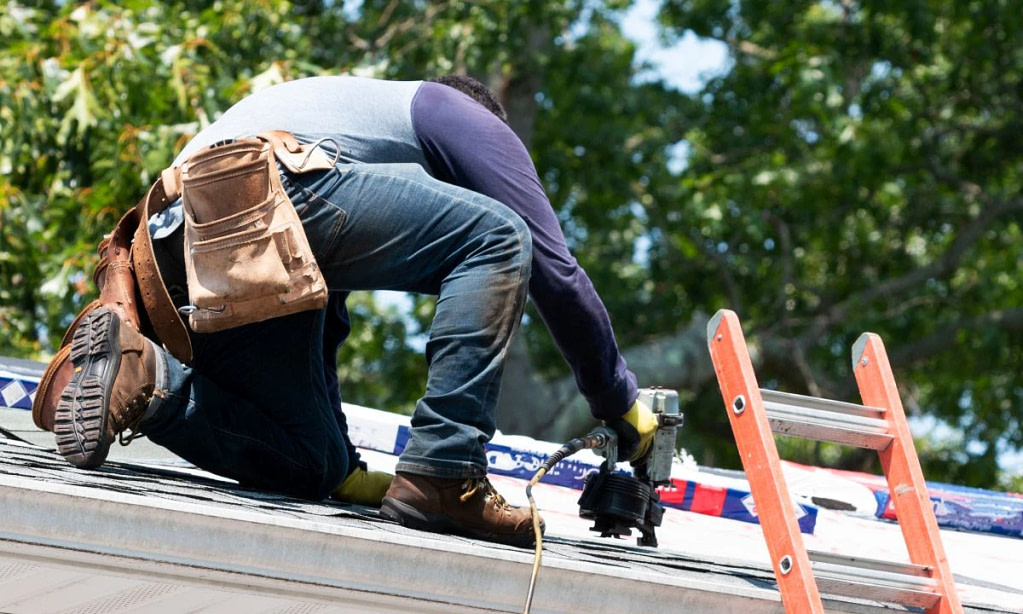
When it comes to choosing the best time to replace a roof in Minnesota, Young Construction brings over 20 years of local experience, a deep understanding of our region’s demanding climate, and a commitment to doing the job right the first time. We help homeowners across Albert Lea and surrounding areas time their replacements for the ideal weather window, select the materials best suited to Minnesota winters, and protect their homes before the next freeze. As a family-owned, fully licensed, and insured company with more than 150 five-star reviews, we guide you through every step with clear communication and integrity-based service. If your roof is aging, storm-damaged, or simply due for an upgrade, now is the time to plan ahead. Contact Young Construction today for a free, no-obligation roof inspection and estimate, and let our team help you schedule your replacement for the season that gives your new roof the longest, strongest life.