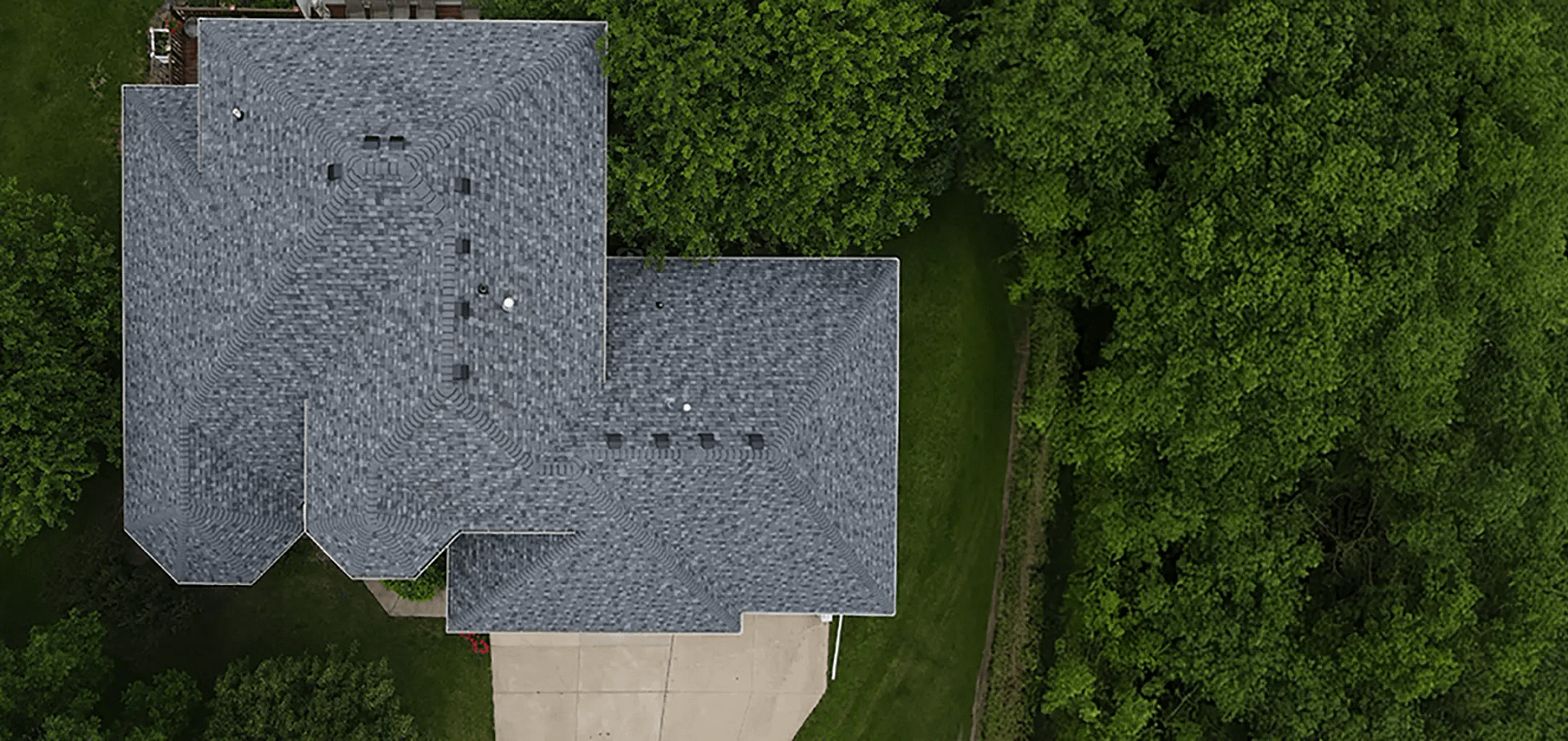
Choosing the right blown-in insulation contractor is one of the most important decisions you can make for your home’s comfort and energy efficiency, because the quality of the installation matters far more than most homeowners realize. Blown-in insulation is hidden once it is installed, tucked into attic floors and wall cavities, which means there is no easy way to inspect the work after the fact without tearing things apart. That invisibility makes the qualifications of the person doing the work absolutely critical. Here is what this guide covers:
- Credentials to verify: The licensing, insurance, and certifications that separate a pro from a risk.
- Questions to ask: The specific questions that reveal a contractor’s real experience and approach.
- Red flags to avoid: The warning signs that should make you walk away from a bid.
Why Does Choosing the Right Contractor Matter So Much?
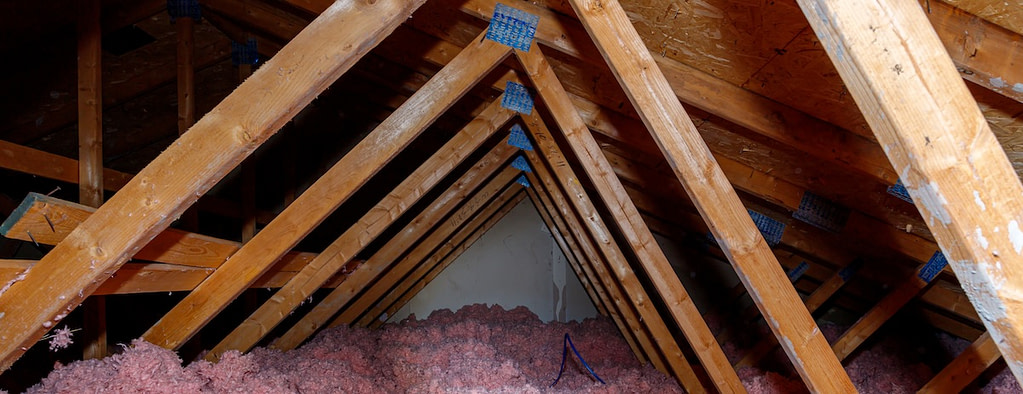
Choosing the right contractor matters because a poor blown-in insulation job leads to problems that are expensive and difficult to fix once the work is buried in your walls and attic. The gap between a skilled, certified installer and an unqualified one shows up for years in your energy bills, comfort, and home health.
What Goes Wrong with a Poor Installation?
A poor blown-in insulation installation leads to uneven coverage, the wrong density, gaps around obstructions, and inadequate air sealing, all of which undermine the insulation’s performance. These mistakes cause higher energy bills, cold rooms in winter, ice dams at the roof edge, and moisture problems that can grow into mold and rot. Because the insulation is hidden, these failures often go unnoticed until the damage is significant and costly to correct. Fixing a botched job frequently costs more than the original work would have with a qualified contractor. Homeowners in Northwood and surrounding areas are better served paying for quality the first time.
- Uneven coverage: Gaps and thin spots let heat escape and create cold zones.
- Wrong density: Too loose reduces R-value, undercutting energy performance.
- Poor air sealing: Without sealing leaks first, insulation cannot perform well.
- Hidden damage: Moisture problems can fester unseen until they are expensive.
How Does Quality Installation Pay Off?
Quality installation pays off through lower energy bills, steadier indoor temperatures, and insulation that performs at its rated value for decades. A skilled contractor seals air leaks before blowing in material, achieves the correct density and depth, and ensures complete coverage around wiring, pipes, and framing. That attention to detail is what delivers the energy savings and comfort that motivated the work in the first place. Properly installed blown-in insulation can last 20 to 30 years, making the upfront care a long-term investment. The difference between a good job and a bad one is felt every month on your utility bill.
- Energy savings: Correct coverage and density deliver the efficiency you paid for.
- Lasting comfort: Even insulation steadies temperatures across the home.
- Long lifespan: A quality job lasts 20 to 30 years before needing attention.
- Protected investment: Doing it right the first time avoids costly corrections.
What Credentials Should a Blown-In Insulation Contractor Have?
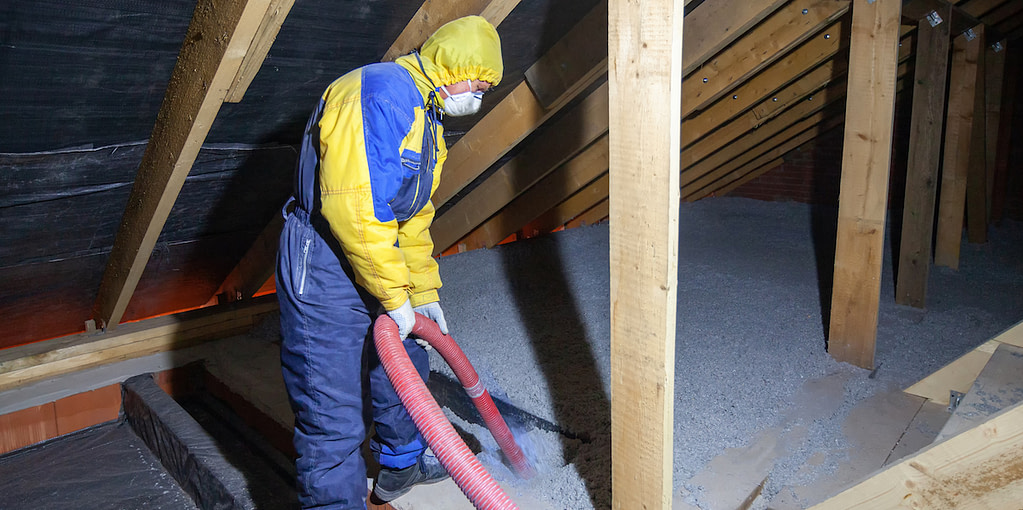
A qualified blown-in insulation contractor should carry proper licensing, adequate insurance, and ideally industry certifications that go beyond the legal minimum. These credentials protect you financially and signal that the contractor has the training to do the job correctly.
Why Are Licensing and Insurance Non-Negotiable?
Licensing and insurance are non-negotiable because they protect you from liability and prove the contractor has met basic regulatory and safety standards. A valid license shows the contractor understands building codes and has met state requirements, while insurance shields you if an accident or property damage occurs during the work. Adequate coverage should include both general liability and workers’ compensation, since without it you could be held financially responsible for injuries on your property. A legitimate contractor provides their license number and current insurance certificates without hesitation. Always verify these before signing anything with a contractor in Northwood and surrounding areas.
- Valid license: Confirms the contractor meets state and code requirements.
- General liability: Covers property damage that may occur during the work.
- Workers’ compensation: Protects you if a worker is injured on your property.
- Easy verification: Reputable pros share documentation without resistance.
What Certifications Should You Look For?
Industry certifications signal that a contractor has pursued training beyond what licensing requires, demonstrating real expertise in insulation and building science. Credentials from organizations like the Building Performance Institute (BPI), the Insulation Contractors Association of America (ICAA), and material manufacturers indicate a contractor who understands proper installation technique and quality control. These certifications are not universal, since not every contractor pursues them, which makes their presence a meaningful way to tell candidates apart. A certified contractor has shown competence in achieving correct density, complete coverage, and sound building science. Look for these credentials as a marker of a contractor who takes the craft seriously.
- BPI certification: Shows training in building science and energy performance.
- ICAA membership: Indicates commitment to insulation industry standards.
- Manufacturer certification: Confirms training on specific products and warranties.
- Differentiator: Certifications set serious pros apart from general laborers.
5 Questions to Ask Before You Hire
Asking the right questions upfront reveals a contractor’s real experience and helps you avoid a costly mismatch. The five questions below cut through marketing language to show you who is genuinely qualified for your home.
1. How Much Experience Do You Have with Blown-In Insulation?
Asking about specific blown-in insulation experience matters because general contracting work is not the same as specialized insulation expertise. You want a contractor who has spent years installing the exact type of insulation your home needs, not someone for whom insulation is an occasional side job. For residential blown-in work, five or more years of focused experience is a strong benchmark. Ask how long they have been installing the specific material they propose and in spaces like yours, whether attics, walls, or crawl spaces. Depth of relevant experience is one of the clearest predictors of a good outcome.
- Specialized focus: Insulation expertise differs from general contracting.
- Years in the trade: Five or more years of blown-in work is a solid benchmark.
- Material familiarity: Ask how long they have used the proposed product.
- Space-specific: Attics, walls, and crawl spaces each require know-how.
2. Which Insulation Material Do You Recommend and Why?
Asking why a contractor recommends a particular material reveals whether they are matching the product to your home or simply selling what they stock. A knowledgeable contractor explains the tradeoffs between options like cellulose and fiberglass, including R-value, moisture behavior, and suitability for your climate and application. Cellulose is made from recycled paper and offers good air sealing and sound absorption, while fiberglass resists moisture and settling. The right answer is tailored to your home, not a one-size-fits-all pitch. A contractor who can clearly explain the reasoning behind a recommendation is one who understands the material.
- Tailored advice: The recommendation should fit your home, not their inventory.
- Cellulose strengths: Recycled content, air sealing, and sound absorption.
- Fiberglass strengths: Moisture resistance and minimal settling over time.
- Clear reasoning: A good contractor explains the why, not just the what.
3. Will You Air Seal Before Installing?
Asking about air sealing is important because blown-in insulation works far better when air leaks are sealed first, and skipping this step undermines the whole job. Loose-fill material slows heat transfer but does not stop air movement on its own, so unsealed gaps let conditioned air escape right past the new insulation. A thorough contractor identifies and seals leaks around penetrations, top plates, and fixtures before blowing in material. A contractor who omits air sealing or dismisses its importance is cutting a corner you will pay for later. This single step often separates a great installation from a mediocre one.
- Sealing comes first: Air leaks must be closed before insulation goes in.
- Insulation limits: Loose-fill alone does not stop air movement.
- Common leak points: Penetrations, top plates, and fixtures need attention.
- Quality marker: Skipping air sealing is a sign of a corner-cutting job.
4. Can You Provide References and Proof of Past Work?
Asking for references and examples of past work matters because a track record of satisfied customers is one of the most reliable indicators of quality. A trustworthy contractor readily provides a list of recent customers you can contact and is transparent about online reviews. Reluctance to share feedback or references is a meaningful red flag. Ask references whether the crew cleaned up, stayed on schedule, communicated clearly, and whether they would hire the contractor again. Checking reviews and references from past customers in Northwood and surrounding areas gives you confidence that the contractor delivers what they promise.
- Recent references: Quality pros share lists of customers you can call.
- Online reviews: Transparency about feedback signals confidence in their work.
- Reference questions: Ask about cleanup, schedule, and communication.
- Red flag: Refusing to share references is a reason to be cautious.
5. What Does Your Written Estimate and Warranty Include?
Asking for a detailed written estimate and warranty protects you from surprise costs and clarifies exactly what you are paying for. A complete estimate should spell out materials, labor, target R-value, any old insulation removal, permits, and cleanup, so you can compare bids accurately. The contractor should also explain their warranty coverage and how long-term support works. Vague verbal quotes or missing details are warning signs that costs could balloon later. A clear, itemized estimate paired with a stated warranty is the mark of a professional operation.
- Itemized scope: Materials, labor, R-value, removal, and cleanup spelled out.
- Permits included: A pro handles necessary permits and local code compliance.
- Warranty terms: Coverage and support should be explained in writing.
- Comparison tool: A detailed estimate lets you weigh bids fairly.
What Are the Red Flags to Watch For?
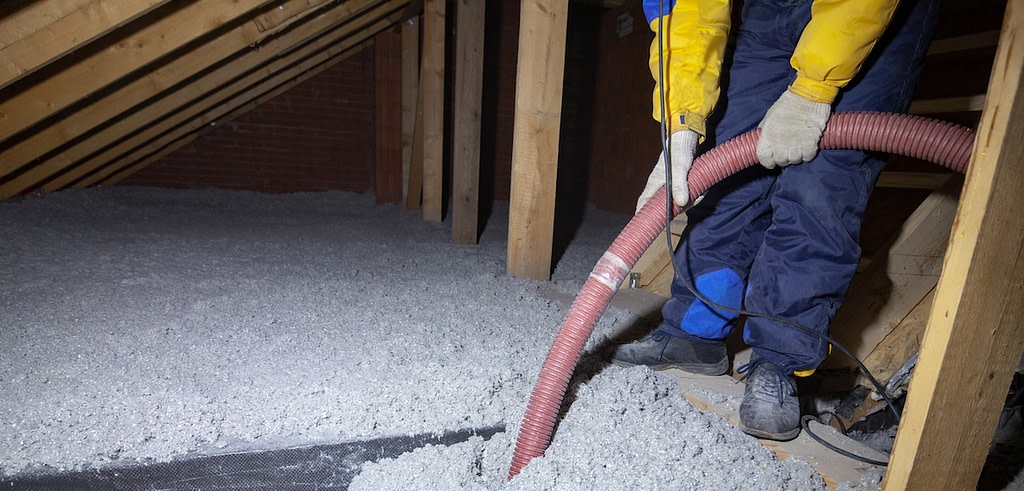
Certain warning signs should make you pause or walk away from a blown-in insulation contractor, no matter how attractive the price. Recognizing these red flags early saves you from a poor installation and the expensive corrections that follow.
What Behaviors Signal a Contractor to Avoid?
The clearest red flags are a contractor who avoids technical questions, refuses to show licensing or insurance, uses high-pressure sales tactics, or offers a price far below everyone else. Vague answers about materials, density, or air sealing suggest a lack of genuine expertise, while an unusually low bid often signals shortcuts, missing insurance, or limited experience. A reluctance to provide references or written details is another warning sign. The cheapest option frequently becomes the most expensive once corrections are needed. Trust a contractor who is transparent, specific, and patient with your questions over one who rushes or dodges.
- Dodging questions: Vague technical answers point to thin expertise.
- No documentation: Refusing to show a license or insurance is disqualifying.
- Pressure tactics: Pushy, rushed sales approaches are a warning sign.
- Suspiciously low bids: Far-below-market pricing often hides shortcuts.
Frequently Asked Questions
Do blown-in insulation contractors need a license?
Licensing requirements vary by state, with some requiring a specialty insulation license and others a general contractor credential, so requirements differ by location. Even where no state license is required, a reputable contractor still carries business registration, insurance, and often manufacturer certifications. Always verify a contractor’s licensing and insurance before hiring.
How many estimates should I get?
It is wise to get at least two to three estimates from different blown-in insulation contractors so you can compare scope, materials, and pricing. Comparing detailed written quotes side by side helps you judge value rather than just price. Be wary of any bid that comes in dramatically lower than the others.
Is the cheapest contractor the best choice?
No, the cheapest bid is rarely the best choice, since unusually low pricing often reflects shortcuts, lack of insurance, or limited experience. A poor installation can cost more to correct than the original work would have with a qualified pro. Focus on value, expertise, and protection rather than price alone.
How long does blown-in insulation last?
Properly installed blown-in insulation typically lasts 20 to 30 years, though lifespan depends on the material, the installation quality, and conditions in the space. Periodic checks help confirm it has not settled or developed gaps over time. Quality installation is what makes the long lifespan achievable.
Should I get an energy audit first?
A home energy audit before hiring can be valuable because it provides objective data about your home’s specific insulation needs. That information helps you evaluate contractors’ recommendations and avoid being oversold. Many homeowners find an audit gives them confidence in the scope of work they actually need.
What is blown-in insulation made of?
According to the U.S. Department of Energy, loose-fill or blown-in insulation consists of small particles of fiber, foam, or other materials that conform to any space without disturbing structures or finishes. The most common materials are cellulose, fiberglass, and mineral wool. Your contractor should help you choose the right one for your home and climate.
Trust Young Construction for Your Insulation Needs
When it comes to hiring a blown-in insulation contractor you can count on, Young Construction brings over 20 years of local experience and a thorough understanding of how Iowa’s demanding climate shapes what your home needs. We are fully licensed and insured, we air seal before we insulate, and we explain our material recommendations, R-value targets, and warranty in plain terms so you know exactly what you are getting. As a family-owned company with more than 150 five-star reviews, we treat your home with genuine care and stand behind every installation with honest, straightforward communication. If you are weighing an insulation upgrade or comparing contractors, you deserve a team that does the job right the first time and welcomes every question you have. Contact Young Construction today to talk through your insulation needs and request a detailed, written estimate, and let our team help you build a more comfortable, efficient home.