Cellulose insulation has become one of the most popular eco-friendly insulation choices for homeowners who want strong energy performance without a premium price. Made largely from recycled paper and treated for fire and pest resistance, it seals air leaks, dampens sound, and delivers a solid R-value, all while giving new life to material that would otherwise end up in a landfill. Understanding its benefits, cost, and what to expect from an installation helps you decide whether it is the right fit for your home. Here is what this guide covers:
- Key benefits: The five biggest advantages cellulose insulation offers homeowners.
- Cost expectations: What cellulose insulation costs and what shapes the price.
- What to expect: How installation works and what to keep in mind.
Why Homeowners Choose Cellulose Insulation
Homeowners choose cellulose insulation because it combines strong thermal performance, eco-friendly materials, and a competitive price in a single product. Its dense, fibrous makeup fills gaps that other insulation misses, sealing air leaks and improving comfort throughout the home.
It Balances Performance, Cost, and Sustainability
Cellulose insulation stands out because it balances performance, affordability, and sustainability better than most alternatives. It offers a higher R-value per inch than typical loose fill insulation made of fiberglass, excellent air sealing from its dense composition, and one of the highest recycled contents of any insulation, all at a competitive price. This mix makes it appealing to budget-conscious and environmentally minded homeowners alike. Few insulation types deliver this combination of benefits in one material. For homeowners in Austin and surrounding areas, that balance makes cellulose a strong contender for an insulation upgrade.
- Strong performance: Higher R-value per inch than most loose-fill fiberglass.
- Eco-friendly: Among the highest recycled content of any insulation.
- Competitive price: Delivers strong value for the performance.
- Well-rounded: Combines efficiency, sustainability, and affordability.
It Fills Gaps Other Insulation Misses
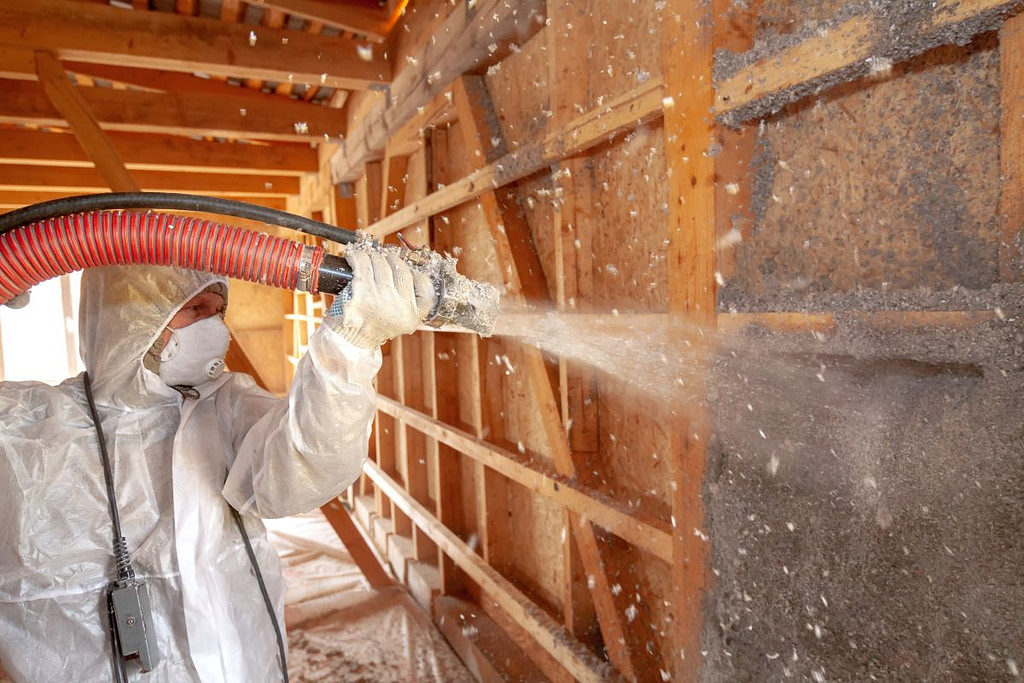
Cellulose insulation fills gaps and irregular spaces that rigid batts leave behind, which is central to its performance. Blown in as loose-fill or dense-pack, it flows around wiring, pipes, and framing, conforming to the space and sealing the small gaps where air and heat escape. This tight fit reduces air leakage far better than poorly fitted batts, which is where much of a home’s energy loss occurs. Its ability to reach tight and awkward spaces makes it especially useful in attics, walls, and older homes. That gap-filling ability is a big part of why cellulose seals so well.
- Conforms to space: Flows around wiring, pipes, and framing.
- Seals air leaks: Fills the small gaps where energy escapes.
- Beats poor batts: Reduces the air leakage that undermines batts.
- Great for retrofits: Reaches tight spaces in attics and older homes.
5 Benefits of Cellulose Insulation
Cellulose insulation offers a distinct set of advantages that make it a compelling choice for many homes. The five benefits below cover why homeowners increasingly turn to cellulose for comfort, savings, and sustainability.
1. Strong Energy Efficiency and Savings
The primary benefit of cellulose insulation is strong energy efficiency, which translates into lower heating and cooling bills. Its dense composition seals air leaks and provides excellent thermal resistance, minimizing the heat transfer that drives up energy costs. Cellulose can save homeowners a meaningful share on heating and cooling, with the biggest savings in cold climates where heat loss is greatest, which describes homes in Austin and surrounding areas well. Because it fills gaps so well, it reduces the air infiltration that undermines other insulation. That combination of air sealing and thermal performance is what delivers the savings.
- Lower bills: Air sealing and thermal resistance cut energy costs.
- Cold-climate payoff: Savings are greatest where winters are harsh.
- Air infiltration: Dense fill reduces performance-robbing leaks.
- Dual mechanism: Combines sealing and thermal resistance for efficiency.
2. Eco-Friendly Recycled Content
A standout benefit of cellulose is its eco-friendliness, since it is made from up to 85 percent recycled paper content. This diverts paper waste from landfills and requires far less energy to produce than fiberglass insulation or foam insulation, giving cellulose one of the lowest carbon footprints of any insulation. For homeowners aiming to build or renovate sustainably, this recycled, bio-based makeup is a major draw. It supports a circular economy by turning discarded newspaper into decades of home performance. Few insulation options can match cellulose’s environmental profile.
- High recycled content: Made from up to 85 percent recycled paper.
- Low carbon footprint: Requires less energy to produce than alternatives.
- Diverts waste: Keeps paper out of landfills.
- Sustainable choice: Supports a circular, low-waste economy.
3. Superior Soundproofing
Cellulose insulation excels at soundproofing, thanks to a dense, fibrous structure that absorbs and blocks sound far better than lighter insulation. This dense makeup dampens noise transmission through walls, ceilings, and floors, reducing both outside noise and sound traveling room to room. This acoustic performance makes cellulose a favorite for quieter living spaces, home theaters, and busy households. It delivers energy savings and a quieter home in one material. Many homeowners are pleasantly surprised by how much quieter their home feels after a cellulose upgrade.
- Noise absorption: Dense fibers absorb and block sound effectively.
- Room-to-room quiet: Reduces sound traveling within the home.
- Outside noise: Dampens noise from busy or loud exteriors.
- Dual benefit: Delivers both quiet and energy savings.
4. Fire and Pest Resistance
Cellulose insulation offers valuable fire and pest resistance thanks to borate-based treatments applied during manufacturing. Boric acid, a natural and non-toxic fire retardant required by building codes for cellulose, helps slow the spread of fire without releasing toxic fumes. The same borate treatment also deters insects and rodents, adding a layer of pest protection. These treatments make treated cellulose a safe, effective choice when properly installed. The combination of fire and pest resistance adds meaningful peace of mind.
- Fire retardant: Borate treatment slows fire spread safely.
- Non-toxic: Boric acid protects without dangerous fumes.
- Pest deterrent: The same treatment discourages insects and rodents.
- Code-required: Fire retardants are mandated for cellulose.
5. Mold Resistance and Moisture Regulation
Cellulose insulation provides mold resistance and helpful moisture regulation, adding to its long-term value. The borate treatment that resists fire and pests also helps resist mold growth, and cellulose’s hygroscopic nature lets it absorb and release moisture, moving it from damp areas to drier ones. This helps prevent moisture buildup in walls when the assembly is properly designed and sealed. Kept dry and correctly installed, cellulose contributes to a healthier, more durable home. This moisture-regulating quality is an often-overlooked benefit of the material.
- Mold resistance: Borate treatment discourages mold growth.
- Moisture regulation: Cellulose absorbs and releases humidity.
- Healthier walls: Helps prevent moisture buildup when sealed well.
- Long-term value: Contributes to a durable, healthy home.
Cellulose’s soundproofing benefit is backed by a specific acoustic measure, not just marketing. According to Eco-Building Products, cellulose insulation has a Noise Reduction Coefficient of 0.80 to 0.90 and can reduce airborne sound transmission by 45 to 80 decibels, giving it superior soundproofing among common insulation types. That measurable acoustic performance is a big reason homeowners notice a quieter home after installing it.
How Much Does Cellulose Insulation Cost?
Cellulose insulation typically costs about $0.60 to $2.30 per square foot installed for loose-fill in attics, with dense-pack wall applications running higher. The final price depends on the area size, the depth needed for your target R-value, and accessibility.
Cost Depends on Area, Depth, and Access
The cost of a cellulose installation depends most on the size of the area, the target R-value, and how accessible the space is. A larger area needs more material and labor, and a higher R-value means greater depth and more material to install. Removing old insulation adds labor and disposal costs, while tight or hard-to-reach attics and walls raise the price. Local labor rates and your climate zone’s requirements also factor in. Understanding these drivers helps homeowners in Austin and surrounding areas budget accurately and compare quotes fairly.
- Area size: Larger spaces need more material and labor time.
- Target R-value: Higher R-values require greater depth and material.
- Old insulation removal: Adds labor and disposal to the total.
- Accessibility: Tight or tall spaces increase the price.

Frequently Asked Questions
How much does cellulose insulation cost?
Cellulose insulation typically costs $0.60 to $2.30 per square foot installed for loose-fill attic applications, with dense-pack wall installations running about $1.50 to $3.00 per square foot. Most full installations fall between $2,000 and $10,000 depending on area, depth, and accessibility. A detailed, written estimate gives you an accurate figure for your home.
Is cellulose insulation fire-resistant?
Yes, cellulose is treated with borate-based fire retardants, typically boric acid, which are required by building codes and help slow the spread of fire without releasing toxic fumes. The same treatment also resists pests and mold. When properly installed and kept dry, treated cellulose is a safe, effective, and widely used insulation.
Is cellulose insulation good for soundproofing?
Yes, cellulose is one of the best insulation materials for soundproofing, with a Noise Reduction Coefficient of 0.80 to 0.90 that absorbs a large share of sound. Its dense, fibrous structure reduces noise through walls, ceilings, and floors. Many homeowners notice a noticeably quieter home after installing it.
How eco-friendly is cellulose insulation?
Cellulose is among the most eco-friendly insulation options, made from up to 85 percent recycled paper and requiring less energy to produce than fiberglass or foam. It diverts paper waste from landfills and has a low carbon footprint. This makes it a strong choice for sustainable building and renovation.
How does cellulose compare to fiberglass and foam insulation?
Cellulose typically offers a higher R-value per inch and better air sealing than fiberglass insulation, while costing less than most foam insulation. Fiberglass insulation settles less and resists moisture better, and foam insulation delivers the highest R-value per inch but at a premium price. The best loose fill insulation choice depends on your climate, budget, and application, so a professional can help you compare.
How long does cellulose insulation last?
Cellulose insulation can last several decades, often the life of the home, when properly installed and kept dry. Loose-fill cellulose settles about 15 to 20 percent early on, so quality installers add extra depth to maintain the target R-value. Keeping it dry is the main factor in its longevity.
Trust Young Construction for Cellulose Insulation
When it comes to cellulose insulation, Young Construction brings over 20 years of local experience and a clear understanding of how Iowa’s cold winters reward a dense, eco-friendly insulation that seals air leaks and holds heat. We assess your space, calculate the right depth to hit your target R-value even after settling, and install cellulose evenly for complete coverage that cuts energy bills and quiets your home. As a family-owned, fully licensed and insured company with more than 150 five-star reviews, we treat your home with genuine care and explain every material choice and cost in plain terms. If you want an eco-friendly insulation that performs in our climate and saves you money, you deserve honest guidance from a team that does it right. Contact Young Construction today to talk through your insulation needs and request a detailed, written estimate, and let our team help you build a warmer, quieter, more efficient home.