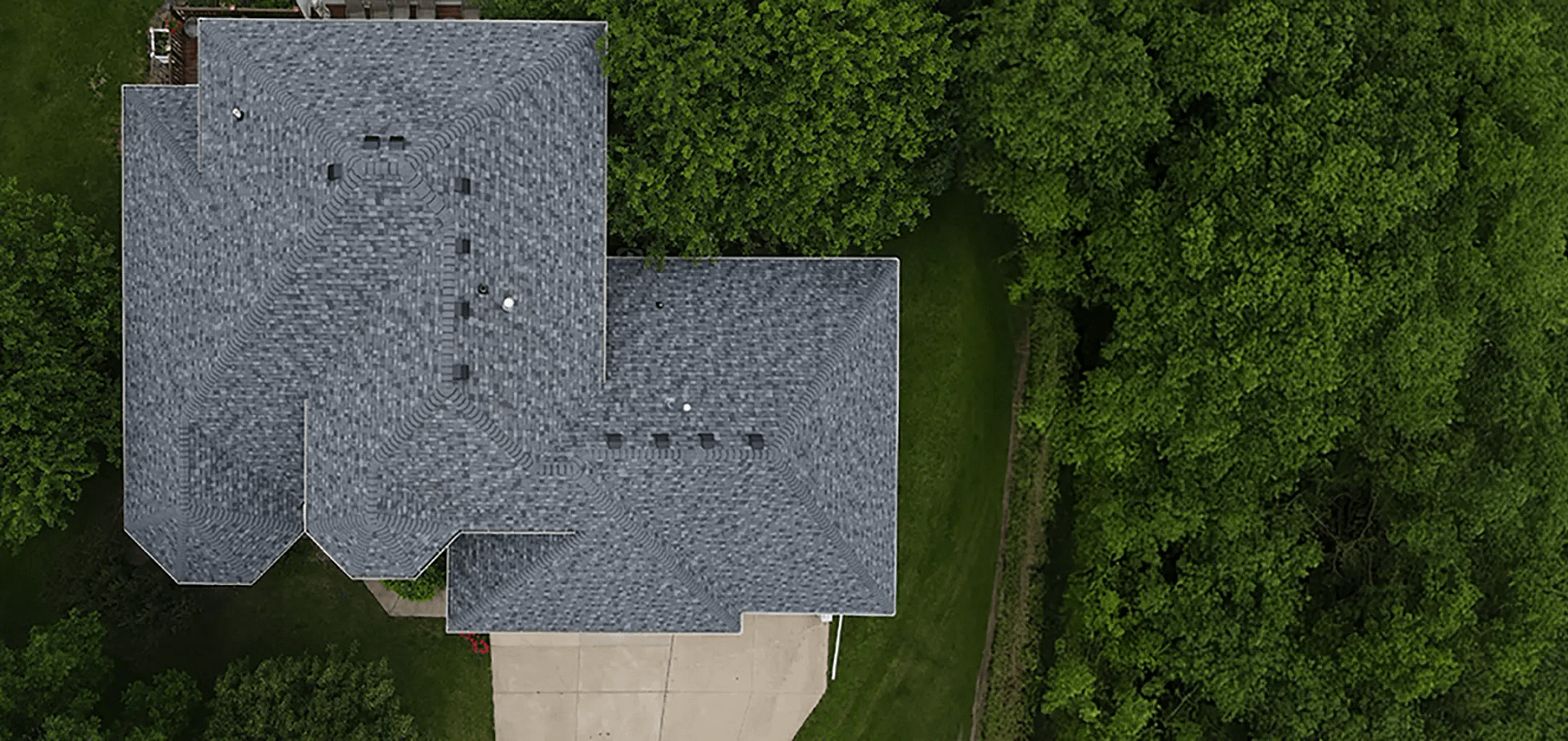
Proper chimney cap installation is one of the simplest and most effective ways to protect your home from weather damage, pests, and structural deterioration. Yet, many homeowners make mistakes during installation that can lead to long-term problems, from leaks to smoke backup. Understanding these common pitfalls can help ensure your chimney cap functions correctly and lasts for years.
- Moisture protection: Keeps rain and snow from seeping into the chimney flue.
- Pest prevention: Stops birds, squirrels, and insects from nesting inside.
- Improved performance: Helps your fireplace vent properly and safely.
Why a Chimney Cap Matters
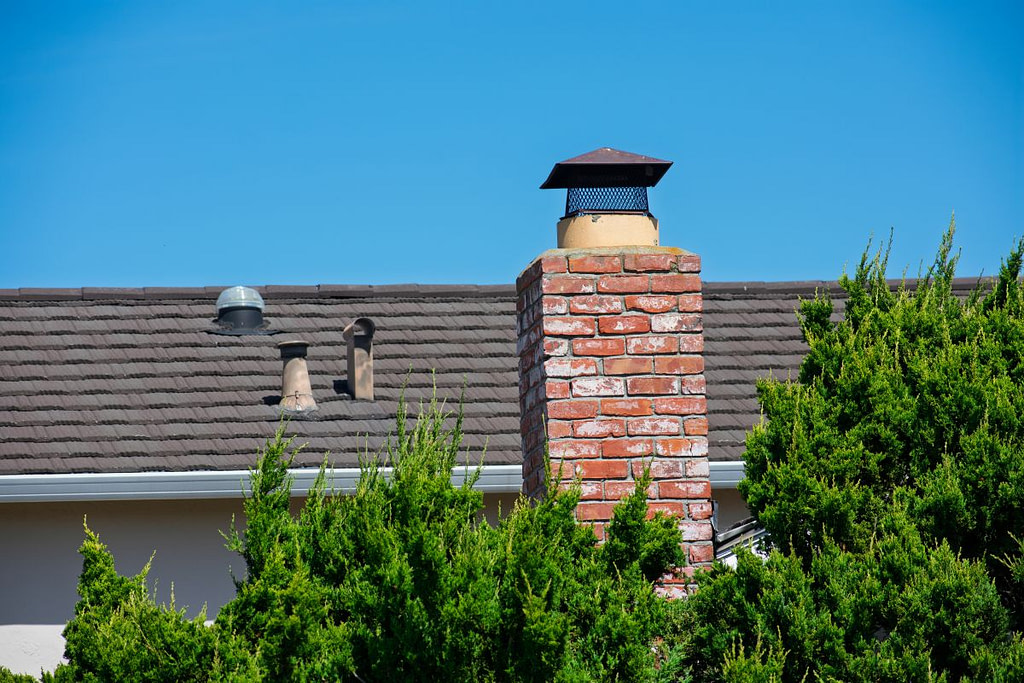
A chimney cap is more than just a decorative feature, it plays a vital role in maintaining your home’s safety and efficiency. Installed at the top of the chimney, it acts as a barrier that prevents water, debris, and animals from entering while still allowing smoke and gases to escape.
Without a cap, moisture can seep into the masonry, leading to cracks, mold growth, and weakened structure. Even small openings can allow pests or debris to block the flue, causing dangerous ventilation problems. A properly installed cap ensures your fireplace system operates safely and efficiently year-round.
5 Common Chimney Cap Installation Mistakes
Installing a chimney cap might seem straightforward, but small errors can create major issues later. Below are five common mistakes homeowners make, and how to avoid them.
1. Choosing the Wrong Chimney Cap Size
One of the most frequent mistakes is selecting a cap that doesn’t fit properly. A chimney cap that’s too small won’t provide full coverage, while one that’s too large can trap moisture or debris.
Before purchasing, it’s essential to measure the flue or chimney crown accurately. Caps typically come in several styles — single-flue, multi-flue, and specialty models — each requiring precise dimensions for a proper fit.
- Too small: Leaves gaps that allow water or pests inside.
- Too large: Restricts airflow and traps soot buildup.
- Proper fit: Ensures both protection and efficient ventilation.
Getting the measurements right is the first step to ensuring long-lasting protection.
2. Ignoring Material Quality
Not all chimney caps are created equal. Some homeowners choose the cheapest option available, only to discover that it rusts, corrodes, or breaks down within a few seasons.
Common chimney cap materials include stainless steel, galvanized steel, copper, and aluminum — each with varying durability and cost. Stainless steel and copper typically offer the best combination of longevity and aesthetics.
- Galvanized steel: Inexpensive but prone to rust.
- Aluminum: Lightweight yet less durable in high heat.
- Stainless steel: Resistant to corrosion and ideal for most climates.
- Copper: Premium option with long-term weather resistance.
Investing in high-quality materials ensures your chimney cap performs effectively and resists corrosion for decades.
3. Skipping Waterproof Sealant or Fasteners
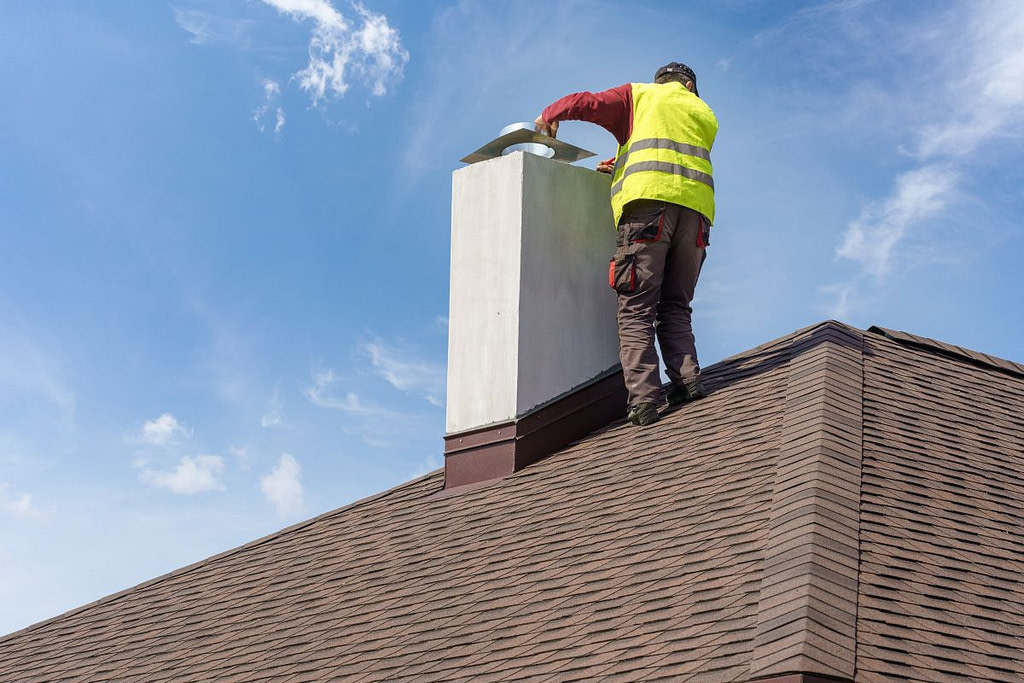
Even the best-fitting cap won’t function correctly if not properly secured. A common mistake during chimney cap installation is failing to use the appropriate fasteners or sealant to create a watertight bond.
When caps are loosely attached or unsealed, rainwater can seep beneath the base and into the chimney crown or flue. Over time, this moisture causes mortar erosion, cracks, and potential leaks inside the home.
- Proper installation: Use corrosion-resistant screws and waterproof sealant.
- Avoid shortcuts: Tighten fasteners evenly to prevent warping.
- Check regularly: Inspect attachments annually for wear or loosening.
A few extra minutes during installation can prevent thousands of dollars in water damage later.
4. Incorrect Cap Placement or Alignment
Another common issue is improper alignment. When a chimney cap sits unevenly or off-center, it can restrict smoke flow or allow wind-driven rain to enter the flue.
Always ensure the cap sits squarely and securely on top of the flue or crown. For multi-flue chimneys, confirm that each flue is adequately covered and that airflow remains unobstructed.
- Poor alignment: Can lead to backdrafting and smoke entering the home.
- Centered placement: Maintains even airflow and optimal venting.
- Level installation: Prevents standing water from pooling around the base.
Taking time to position the cap correctly improves both safety and efficiency.
5. Forgetting Routine Maintenance and Inspection
Even a properly installed chimney cap requires occasional maintenance. Many homeowners overlook regular inspections, allowing small problems like rust, clogs, or loosened fasteners to go unnoticed.
To maintain your cap’s performance, schedule annual inspections, particularly before fireplace season. During this check, look for corrosion, blockages, or nesting materials that could obstruct airflow.
- Annual inspection: Catch issues early before they become costly.
- Post-storm check: Ensure caps remain secure after strong winds.
- Clean regularly: Remove debris to maintain proper ventilation.
Routine care ensures your chimney cap continues protecting your home for years.
Materials Used in Chimney Cap Construction
Chimney caps come in several materials, each offering unique benefits in terms of cost, appearance, and longevity. Knowing the differences helps homeowners make better long-term choices.
| Material | Durability | Maintenance Level | Estimated Cost (Per Cap) | Best For |
| Galvanized Steel | 5–10 years | Moderate | $50–$100 | Budget-conscious homeowners |
| Aluminum | 10–15 years | Low | $75–$125 | Lightweight protection |
| Stainless Steel | 20+ years | Low | $100–$200 | All climates, corrosion resistance |
| Copper | 30+ years | Very Low | $200–$400 | Premium appearance and longevity |
Stainless steel remains the most popular option due to its combination of affordability, strength, and minimal upkeep.
Benefits of Installing a Chimney Cap
Installing a chimney cap is one of the most effective upgrades you can make to protect both your chimney and home.
Key Advantages
- Weather protection: Shields against rain, snow, and debris.
- Animal deterrent: Prevents nesting and infestations in the flue.
- Improved safety: Reduces fire risk by blocking sparks from escaping.
- Extended chimney life: Minimizes water damage and freeze-thaw deterioration.
- Energy efficiency: Helps regulate airflow and prevents downdrafts.
A small investment in proper chimney cap installation pays off through long-term protection and peace of mind.
How To Maintain Your Chimney Cap
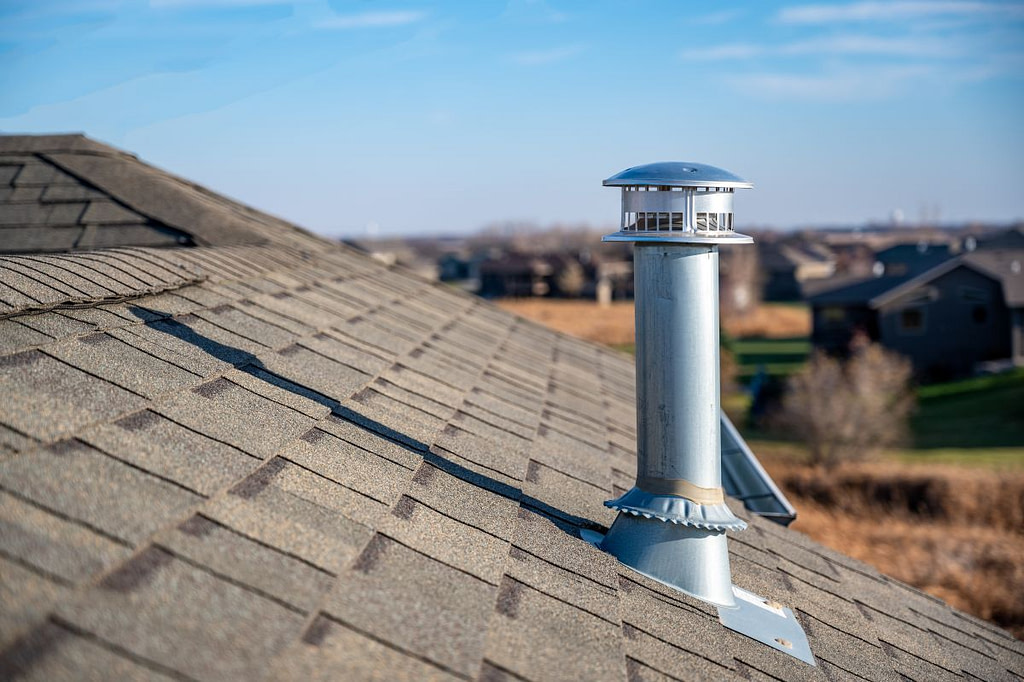
Regular maintenance is simple yet essential for keeping your chimney cap functioning properly. Two quick inspections per year, once before winter and once in spring, are usually sufficient.
Maintenance Recommendations
- Visual inspection: Look for signs of rust, warping, or loose fasteners.
- Clean debris: Remove leaves, soot, or animal nests that could block airflow.
- Check mesh screen: Ensure it’s intact to keep pests out.
- Reapply sealant: Touch up waterproofing if cracks appear around the base.
Consistent care extends your cap’s life and ensures it continues providing reliable protection.
Keep Your Home Protected With Young Construction
A well-installed chimney cap plays a critical role in keeping your home dry, efficient, and safe from unwanted pests or damage. Avoiding these common chimney cap installation mistakes ensures lasting protection for your entire roofing system.
Why Homeowners Trust Young Construction
- Roofing expertise: Our team understands how small details protect your home long-term.
- Quality focus: We use only trusted materials built to endure harsh climates.
- Reliable service: Committed to helping homeowners make smart, lasting improvements.
When it’s time to inspect, repair, or upgrade your roof’s components, trust professionals who prioritize precision and longevity. Contact Young Construction today for a free estimate and learn how expert roofing guidance can keep your home protected year-round.