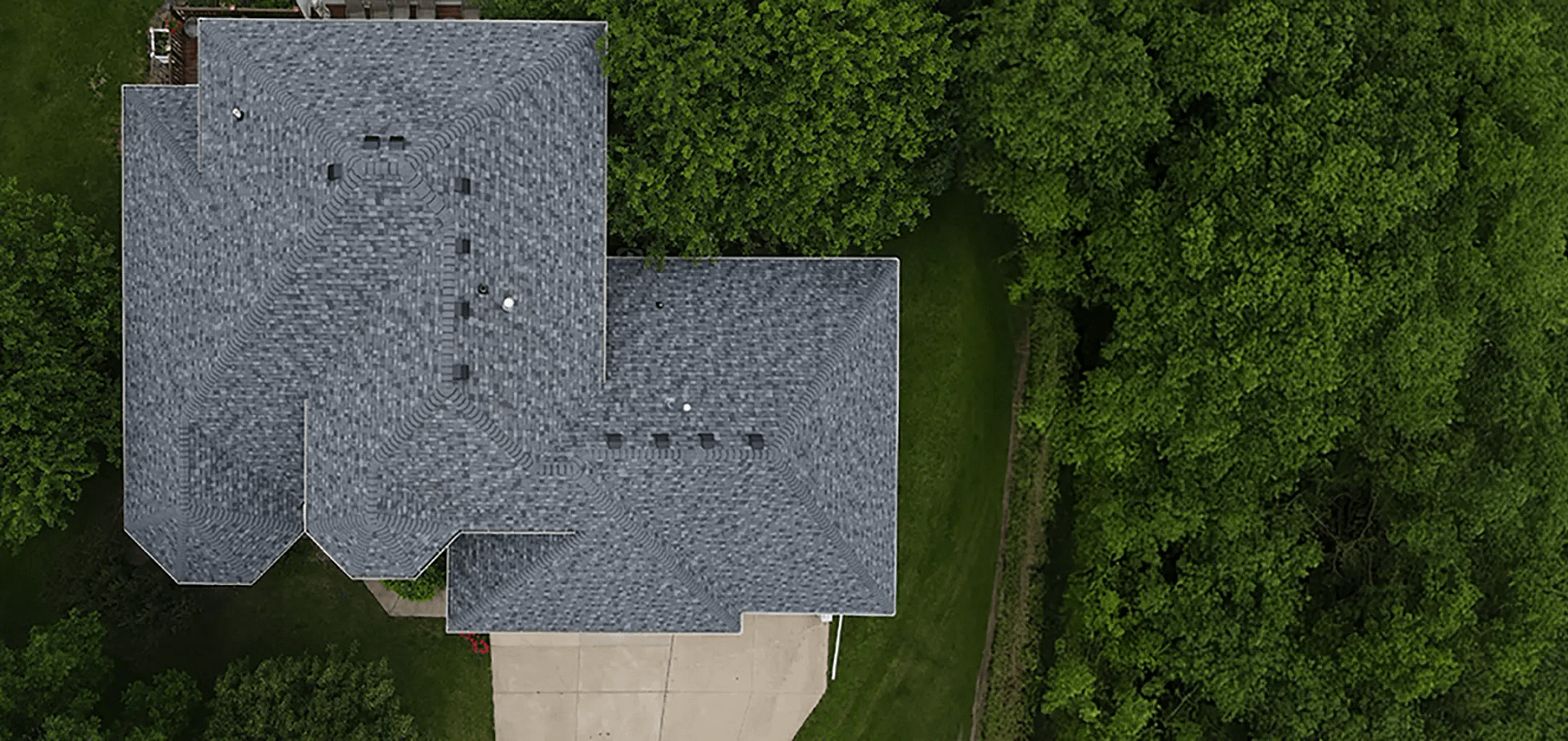
Knowing when to schedule a chimney cap repair can save you from costly water damage, pest problems, and structural issues down the line. The chimney cap is your fireplace’s first line of defense, protecting the flue and chimney crown from rain, debris, and nesting animals. When this small but essential component fails, it can lead to bigger issues that affect your entire roofing system.
- Moisture protection: A working cap keeps water from entering your chimney flue.
- Fire safety: Prevents sparks from escaping and igniting nearby materials.
- Longevity: Protects masonry from cracking, corrosion, and early deterioration.
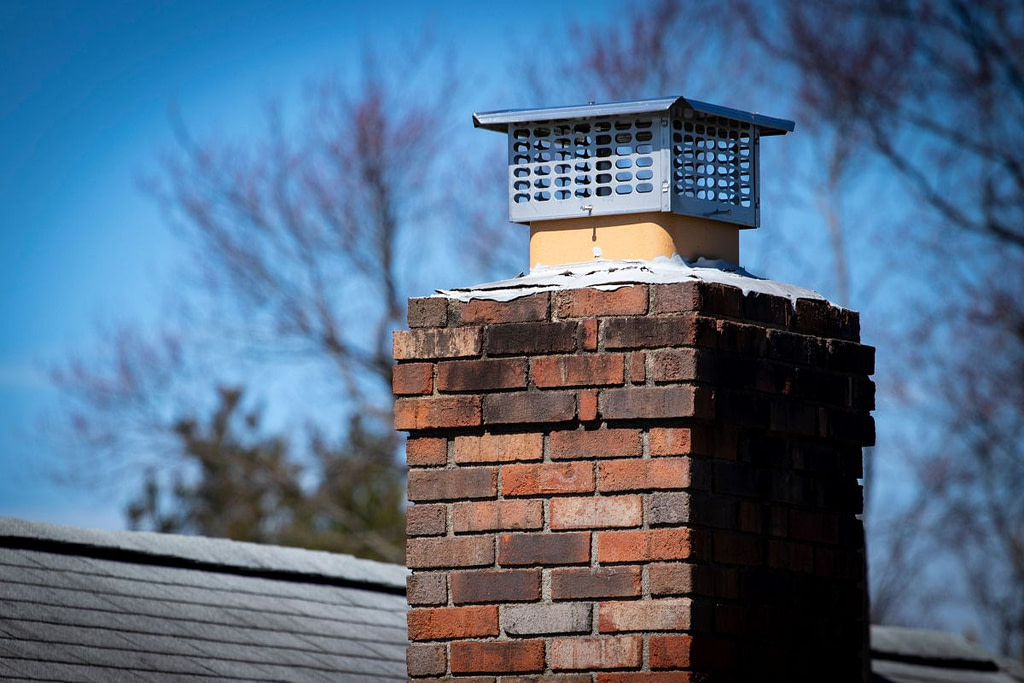
Why Chimney Cap Repairs Matter
The chimney cap shields the top of your chimney from harsh weather and environmental wear. Without it, rainwater, snow, and debris can enter the flue, creating blockages and moisture buildup that weaken brick and mortar. Over time, this can lead to expensive repairs or even chimney reconstruction.
Even a small crack, rust spot, or missing screw can compromise your cap’s performance. Identifying issues early allows you to make simple fixes before they turn into more extensive structural damage.
6 Signs You Need Chimney Cap Repair
Chimney caps are built to last, but no material is immune to the effects of weather and time. These six warning signs indicate your cap may need repair or replacement soon.
1. Visible Rust or Corrosion
If your chimney cap is made of metal, rust is one of the earliest signs of wear. Rust weakens the structure, allowing gaps where moisture can seep in.
Surface rust may look harmless, but it often signals deeper corrosion underneath. Once rust spreads, the cap can deteriorate quickly, especially in humid or coastal climates.
- Inspect for discoloration: Orange or reddish-brown streaks indicate oxidation.
- Check nearby masonry: Rust stains on bricks suggest water is leaking down from the cap.
- Repair early: Sanding and recoating can sometimes restore minor damage.
If corrosion has eaten through the metal, full replacement may be the safer option.
2. Loose or Missing Screws and Fasteners
Fasteners secure your chimney cap in place, keeping it stable through strong winds and storms. When these components loosen or fall out, the cap can shift or detach completely.
Loose caps allow water and debris to enter the flue, potentially leading to leaks inside your home. Over time, movement from wind and vibration can widen existing gaps.
- Check regularly: After major storms or high winds, confirm the cap remains secure.
- Tighten hardware: Use corrosion-resistant screws when possible.
- Avoid overtightening: Excessive pressure can warp thin metal components.
A wobbly or partially detached cap is a clear signal that repair is needed right away.
3. Water Leaks or Moisture Inside the Fireplace
Water dripping into your fireplace or pooling at the base of the chimney is one of the most obvious signs of cap failure. When the cap can’t keep out precipitation, the interior masonry absorbs moisture, leading to cracks, mold, and staining.
During heavy rain, moisture entering the flue may cause a musty smell or visible damp spots around the fireplace. In winter, trapped water can freeze and expand, worsening existing cracks.
- Watch for discoloration: White streaks or efflorescence indicate water seepage.
- Monitor odors: Damp, earthy smells suggest moisture inside the flue.
- Inspect after storms: Look for active drips or wet spots near the damper.
Prompt chimney cap repair prevents long-term water damage and mold growth.
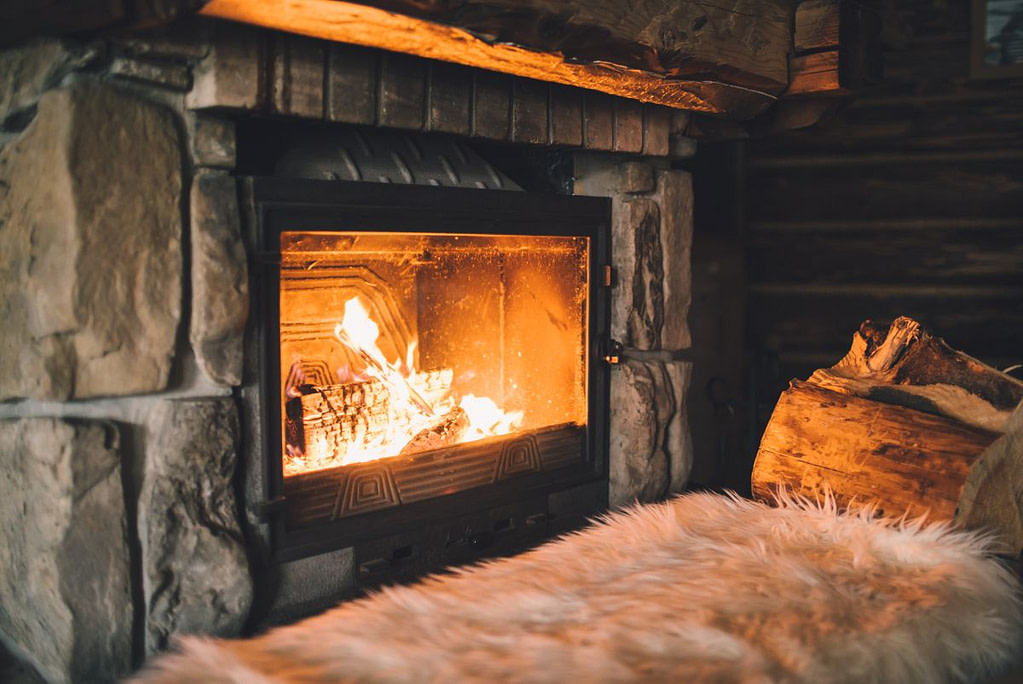
4. Blocked or Damaged Mesh Screen
Most chimney caps feature a metal mesh screen that keeps out birds, squirrels, and leaves while allowing smoke to escape. When the mesh becomes clogged or bent, it can restrict airflow or create a fire hazard.
Over time, rust or debris can cause holes in the mesh, allowing animals to enter and nest inside the flue. A blocked screen can also force smoke back into your living space.
- Clear debris: Remove leaves, soot, or animal nests during inspections.
- Repair small holes: Patch with durable wire mesh or replace damaged sections.
- Replace when necessary: Severely corroded screens should be swapped out completely.
Maintaining clear airflow through the mesh keeps your chimney functioning efficiently.
5. Cracked or Damaged Chimney Crown
The chimney crown — the concrete layer surrounding the flue opening — works together with the cap to seal out water. If the crown cracks, it can compromise the cap’s seal and allow water to seep into the structure.
Even small fissures can worsen during freeze-thaw cycles, leading to extensive brick damage. Repairing these cracks early helps preserve the entire chimney system.
- Inspect annually: Check for chips, crumbling, or hairline fractures.
- Seal small cracks: Use a waterproof masonry sealant.
- Repair or replace: For larger damage, professional restoration may be required.
Addressing crown damage along with cap repairs ensures total moisture protection.
6. Signs of Animal Activity
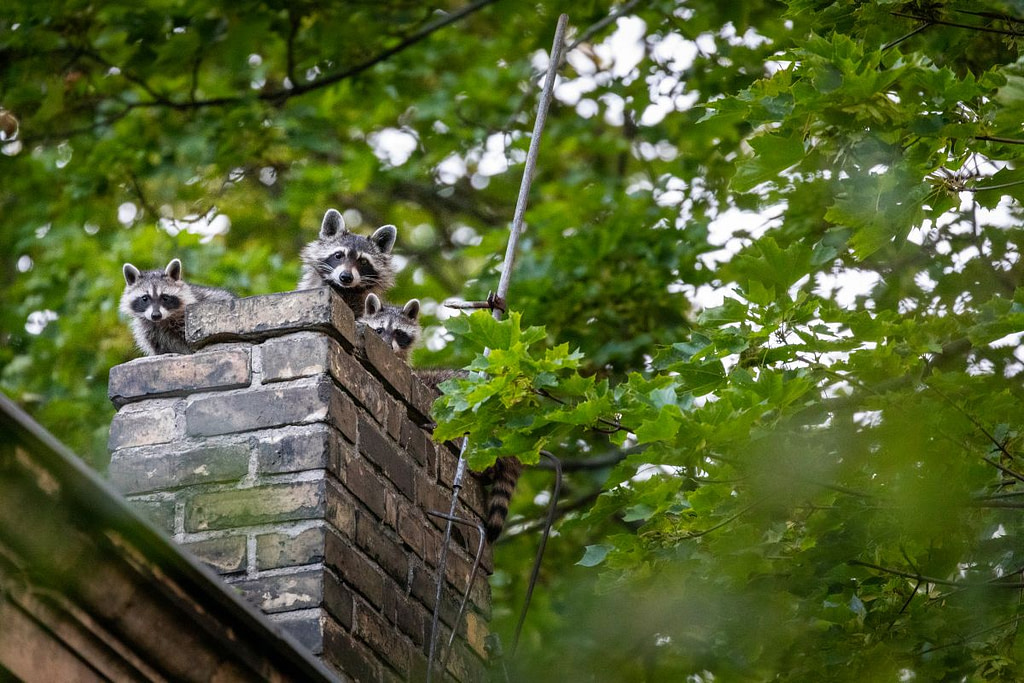
Birds, raccoons, and squirrels often seek warmth and shelter in open chimneys. If you hear scratching, chirping, or rustling sounds, it may mean your chimney cap has gaps or missing mesh.
Animal nests can block ventilation, leading to smoke buildup, carbon monoxide exposure, or fire hazards. They can also carry debris that clogs the flue and damages the damper.
- Look for nesting material: Sticks, leaves, or fur near the flue opening.
- Install screening: Ensure the mesh is fine enough to deter small animals.
- Inspect seasonally: Especially in spring when nesting activity peaks.
Restoring the cap’s integrity prevents these unwanted visitors and protects your home from contamination and ventilation issues.
Cost of Chimney Cap Repair
Repair costs depend on the type of damage, materials, and accessibility of your chimney. On average, chimney cap repair costs range from $150 to $400, while full replacement can cost $200 to $600 depending on size and material.
Factors Affecting Cost
- Extent of damage: Minor corrosion or loose screws are inexpensive to fix.
- Material type: Stainless steel repairs generally cost more than aluminum or galvanized metal.
- Roof height and accessibility: Two-story homes or steep roofs may require extra labor and safety equipment.
Although small repairs may seem insignificant, addressing them early can prevent much larger expenses caused by water intrusion or structural decay.
How To Prevent Chimney Cap Damage
Routine maintenance can dramatically extend the life of your chimney cap and reduce repair frequency. Taking preventive steps ensures optimal performance throughout the year.
Maintenance Recommendations
- Inspect twice a year: Check in spring and fall for signs of rust or loosened hardware.
- Clean debris: Remove twigs, soot, or buildup that blocks airflow.
- Reapply sealant: Refresh waterproof coatings as needed to prevent leaks.
- Monitor after storms: High winds can shift or damage caps without visible warning.
A few minutes of inspection can save you from costly repairs and protect your chimney for decades.
Keep Your Home Protected With Young Construction
A well-maintained chimney cap plays a crucial role in keeping your home dry, efficient, and free from unwanted damage. Recognizing the early signs of deterioration allows for timely chimney cap repair, preserving both safety and structural integrity.
Why Homeowners Trust Young Construction
- Roofing and chimney expertise: Our team understands how interconnected systems protect your home.
- Long-term solutions: We help homeowners make maintenance decisions that prevent recurring damage.
- Commitment to quality: Every project is approached with attention to detail and lasting performance in mind.
If your chimney cap shows signs of wear, don’t wait for small issues to escalate. Contact Young Construction today for a free estimate and let our experts help you ensure your home stays protected season after season.