If your home has a fireplace, regular chimney maintenance is essential — and one of the most overlooked components is the chimney cap. A properly functioning cap protects your chimney and home from debris, moisture, and pests. But over time, wear and tear can lead to damage that requires attention. Knowing when it’s time for a chimney cap replacement can prevent costly repairs and ensure your home stays safe and efficient.
- Moisture control: A secure chimney cap keeps rain and snow out of your chimney system.
- Animal prevention: It stops birds, squirrels, and pests from nesting inside your flue.
- Fire safety: A well-fitted cap prevents sparks from escaping onto your roof.
Why a Chimney Cap Matters
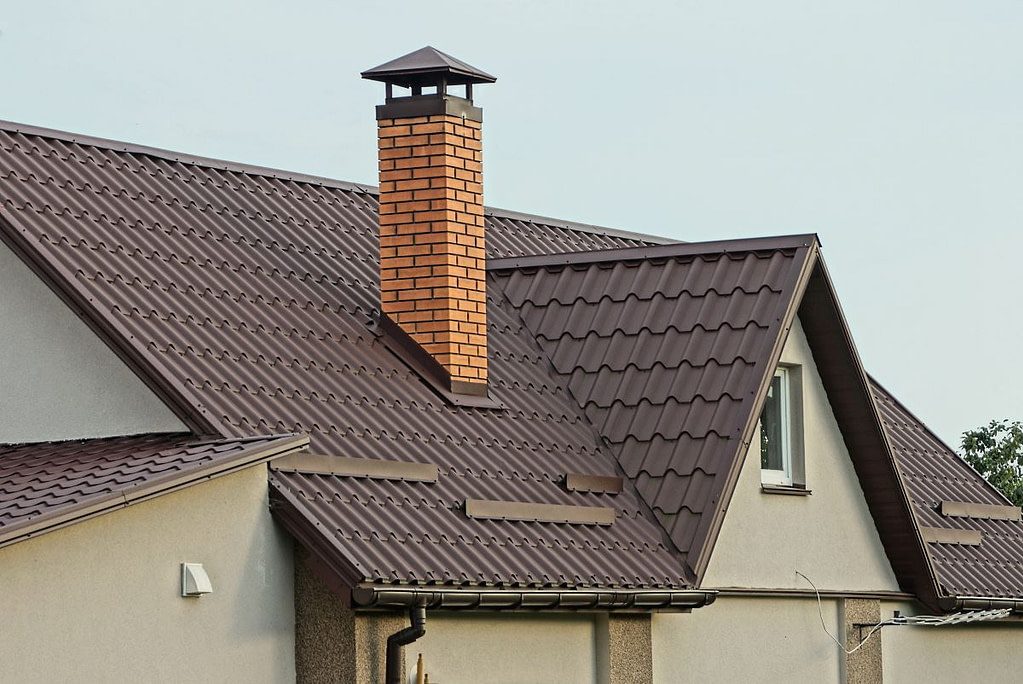
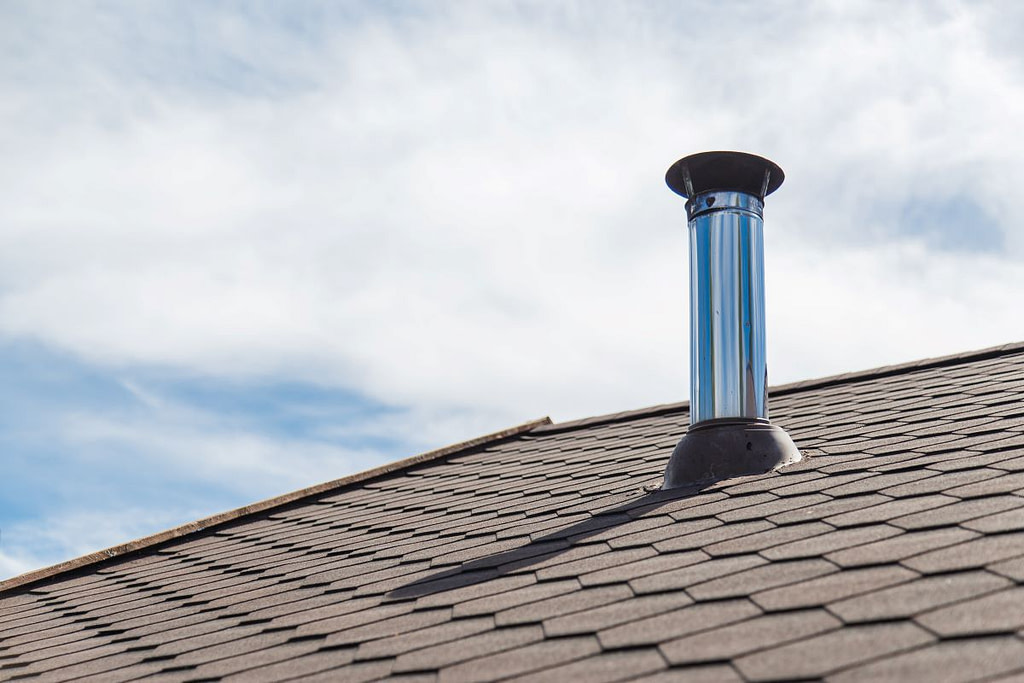
The chimney cap may be small, but it plays a critical role in protecting your home. Installed at the top of your chimney, this metal or stainless-steel cover prevents rain, debris, and wildlife from entering your chimney. It also improves draft control and reduces downdrafts during windy conditions.
Without a cap, your chimney is exposed to elements that can cause significant deterioration over time. A damaged or missing cap allows water to seep into the masonry, leading to mold growth, structural cracks, and interior staining. Recognizing the signs early helps you avoid these costly outcomes.
Common Causes of Chimney Cap Damage
Several factors contribute to chimney cap deterioration, and identifying them can help you understand why replacement is sometimes necessary.
Weather Exposure
Harsh weather conditions such as heavy rain, snow, or high winds can weaken or warp your chimney cap.
- Rust and corrosion: Moisture buildup causes metal caps to degrade over time.
- Freeze-thaw damage: Repeated cycles expand small cracks into major splits.
- Storm impact: Strong winds or falling branches can dislodge or bend the cap.
Poor Installation or Low-Quality Materials
Not all chimney caps are created equal. Low-grade materials or improper installation can lead to early failure.
- Loose fit: A poorly secured cap allows leaks and debris buildup.
- Thin metals: Cheaper caps may corrode faster and lose strength.
- Misalignment: Improper placement can interfere with ventilation or cause blockages.
Animal Interference
Birds, raccoons, and squirrels often see chimneys as ideal nesting spots.
- Blocked flues: Nests restrict airflow, leading to smoke backup indoors.
- Physical damage: Persistent animals can bend or loosen screens and edges.
- Health concerns: Droppings or debris introduce bacteria and odors into your home.
5 Signs You Need a Chimney Cap Replacement
The easiest way to avoid extensive chimney damage is to recognize warning signs early. These indicators suggest that your cap is no longer doing its job effectively and needs attention from a professional.
1. Visible Rust or Corrosion
If you notice rust stains on your chimney or roof, it’s a clear sign that your chimney cap is deteriorating.
- Early detection: Rust usually begins at corners and edges.
- Functional risk: Corroded metal weakens over time, allowing moisture intrusion.
- Aesthetic impact: Discoloration can stain your roof or siding.
Regular cleaning can slow corrosion, but once rust appears, a replacement is often the most reliable solution.
2. Moisture or Water Damage Inside the Fireplace
Water is one of the most damaging elements for chimneys. If you see dampness, white staining (efflorescence), or crumbling mortar inside your fireplace, your cap may not be sealing correctly.
- Dripping sounds: Indicates water entering during rainfall.
- Musty odors: Suggest hidden mold or moisture buildup.
- Cracked flue tiles: Can result from repeated water exposure and temperature changes.
Replacing the cap promptly prevents additional interior damage and improves ventilation efficiency.
3. Loose or Missing Chimney Cap
A missing or loose chimney cap leaves your flue completely unprotected. You may notice debris, leaves, or even small animals inside.
- Wind displacement: Caps can be blown off during strong storms.
- Improper fastening: Old screws or adhesives may loosen over time.
- Structural stress: Masonry shifts can alter the cap’s secure fit.
If the cap appears tilted or partially detached, professional replacement is necessary to prevent moisture and wildlife entry.
4. Rusted or Damaged Mesh Screen
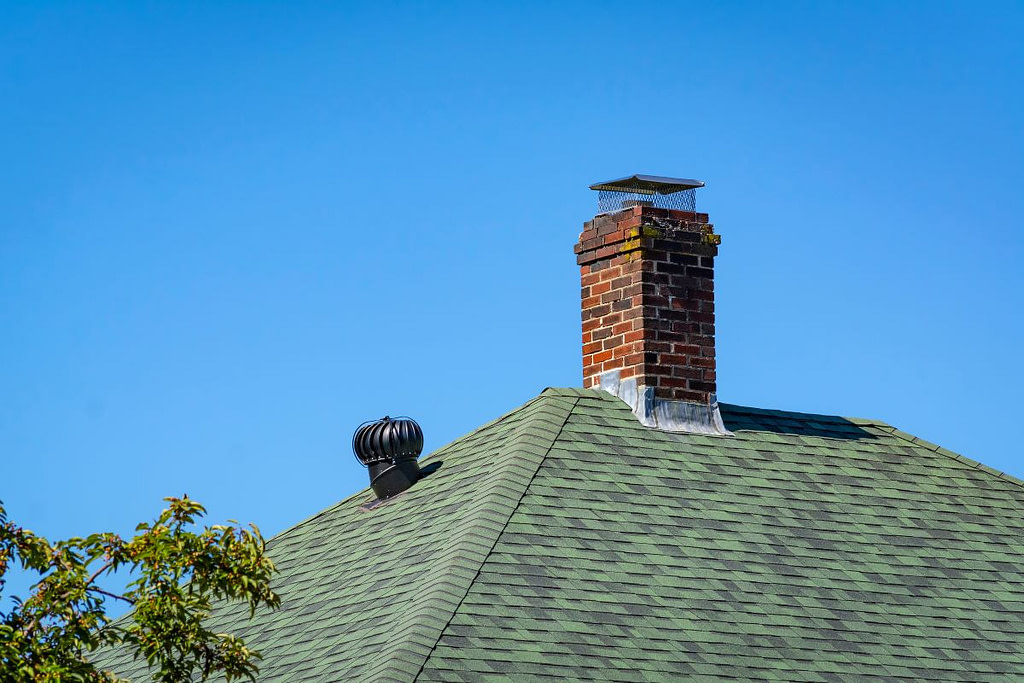
The mesh screen around your chimney cap keeps animals out while allowing smoke to exit. However, this screen can degrade after years of exposure.
- Blocked airflow: Bent or clogged screens restrict smoke ventilation.
- Animal intrusion: Tears or holes invite pests to nest inside your chimney.
- Fire hazard: Accumulated creosote and debris can ignite during use.
A replacement cap with stainless steel mesh offers better corrosion resistance and longer lifespan.
5. Poor Fireplace Draft or Smoke Backup
If smoke billows into your home when you light a fire, a damaged chimney cap may be the cause.
- Downdraft issues: A warped or blocked cap can reverse airflow.
- Clogged screen: Debris buildup limits the chimney’s draft capacity.
- Safety concern: Poor airflow increases carbon monoxide risk.
Replacing your cap restores proper ventilation and keeps your fireplace functioning safely.
Average Cost of Chimney Cap Replacement
The cost of chimney cap replacement varies depending on material, size, and installation complexity. Investing in a durable cap ensures long-term protection and lower maintenance costs.
Cost Breakdown
| Material Type | Average Cost (Installed) | Lifespan | Maintenance Level |
| Galvanized Steel | $150–$250 | 5–10 years | Moderate |
| Stainless Steel | $250–$450 | 15–20 years | Low |
| Copper | $500–$900 | 20+ years | Very Low |
| Aluminum | $200–$350 | 10–15 years | Moderate |
| Custom Decorative Caps | $800–$1,500 | 20+ years | Low |
Additional Cost Factors
- Chimney height: Taller structures require additional labor and safety setup.
- Complex designs: Decorative or multi-flue caps cost more to fabricate and install.
- Weatherproofing: Some replacements include sealants or flashing repairs for better protection.
While lower-cost caps may seem appealing upfront, high-quality stainless steel or copper versions provide better value over time.
Maintaining Your New Chimney Cap
Once your new cap is installed, regular maintenance helps extend its life and performance.
Routine Inspection
- Annual checks: Have your chimney inspected at least once per year.
- After major storms: Look for bent edges or dislodged parts.
- Professional cleaning: Ensures your cap and flue remain free of blockages.
Preventive Care
- Rust prevention: Apply protective coatings if your cap isn’t stainless steel.
- Bird guard maintenance: Keep mesh screens clear of soot and debris.
- Seal integrity: Check for gaps or cracks where the cap meets the chimney crown.
Staying proactive helps avoid the same issues that led to your previous replacement.
Keep Your Home Safe With Chimney Experts
Your chimney system plays an essential role in keeping your home comfortable and safe. At Young Construction, we specialize in comprehensive chimney services, from cap replacement to full inspection and repair. Our skilled technicians use premium materials and proven methods to ensure lasting protection.
Why Homeowners Trust Young Construction
- Quality materials: We install durable stainless steel and copper caps for long-term performance.
- Expert craftsmanship: Our team ensures each installation fits securely and functions properly.
- Complete protection: Every project includes inspection for leaks, cracks, and structural wear.
Don’t wait for water damage or smoke problems to appear — act before minor issues become costly repairs. Contact Young Construction today for a free quote and let our experts handle your chimney cap replacement with precision, care, and reliability.