When comparing chimney crown vs cap, it’s easy to confuse the two since both play a role in keeping your chimney dry and protected. While they work together to shield your home from rain, debris, and pests, crowns and caps serve very different purposes. Understanding how they function, and how to maintain them, helps homeowners protect their chimney structure and prevent costly water damage.
- Moisture protection: Both features help block rainwater from entering the chimney system.
- Structural defense: Crowns preserve the chimney masonry, while caps safeguard the flue.
- Long-term value: Together, they extend the life of your fireplace and chimney.
Why Knowing the Difference Matters
A chimney is one of your home’s most exposed structures, constantly facing rain, snow, wind, and temperature fluctuations. Without proper protection, water can seep into the masonry and cause cracks, leaks, or even structural deterioration.
The crown and cap each act as barriers that keep this from happening. Misunderstanding their roles can lead to neglected maintenance, increasing the risk of damage that often goes unnoticed until major repairs are needed. Knowing the distinction ensures you can spot early warning signs of wear and schedule timely repairs when needed.
Chimney Crown vs Cap: What They Are and How They Work
Both the chimney crown and chimney cap sit at the top of your chimney, but they serve unique purposes within the system. Let’s take a closer look at what makes each one important.
What Is a Chimney Crown?
A chimney crown is the solid, sloped concrete or mortar surface that covers the very top of the chimney structure. It’s built directly onto the brick or stone and designed to seal the top of the chimney from water intrusion.
- Purpose: Prevents rainwater from entering the masonry or leaking between bricks.
- Design: Typically slopes outward to direct water away from the chimney sides.
- Material: Made of concrete, mortar, or sometimes stone.
- Location: Covers the top surface of the chimney but leaves the flue pipe exposed.
The crown’s main job is to keep moisture out of the chimney’s structural components. When it cracks or deteriorates, rainwater can soak into the masonry, freeze, and expand, leading to serious damage over time.
What Is a Chimney Cap?
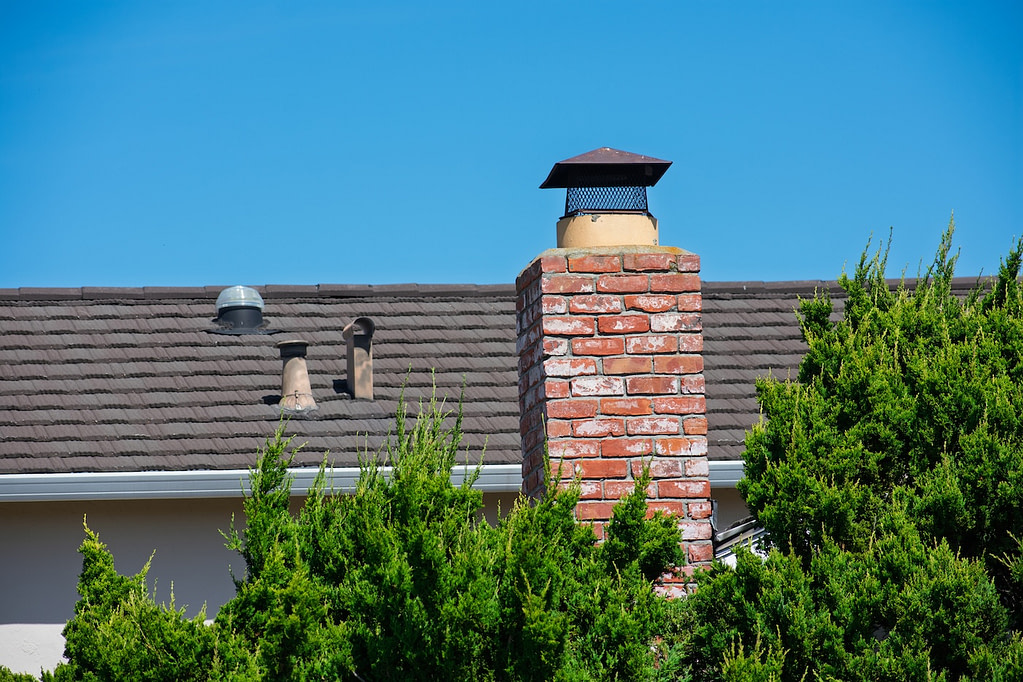
A chimney cap is a metal covering that sits above the flue opening, often attached with screws or brackets. It acts like an umbrella for the chimney, blocking rain, snow, animals, and debris from entering while allowing smoke and gases to escape freely.
- Purpose: Protects the flue from moisture, debris, and nesting animals.
- Design: Includes a metal mesh or screen to prevent blockages and sparks.
- Material: Usually made of stainless steel, aluminum, or copper.
- Location: Mounted directly on top of the flue pipe, above the crown.
A chimney cap is essential for preventing clogs and maintaining safe airflow. Without it, rainwater can pour directly into the flue, damaging the interior lining and creating unpleasant odors or smoke backflow.
3 Key Differences Between a Chimney Crown and Cap
Now that you know what each component does, let’s explore how they differ in purpose, material, and maintenance.
1. Function and Protection
- Chimney Crown: Acts as a waterproof roof for the masonry itself, sealing the top of the chimney structure. Its slope ensures that water runs off and doesn’t pool or seep into the brickwork.
- Chimney Cap: Serves as a guard for the flue opening, preventing rain, leaves, and small animals from entering while allowing smoke to escape safely.
- Key takeaway: The crown protects the structure, while the cap protects the interior vent system.
Together, they form a two-part defense system, the crown keeps water out of the chimney’s body, and the cap keeps the inside of your fireplace dry and debris-free.
2. Materials and Construction
- Chimney Crown: Usually made from concrete or mortar. Higher-quality crowns are reinforced with wire mesh or fiber for added strength.
- Chimney Cap: Made from corrosion-resistant metals such as stainless steel, copper, or aluminum to withstand heat and moisture.
- Key takeaway: Crowns are solid and permanent, while caps are removable and replaceable.
Because they’re made from different materials, crowns and caps experience wear differently. Concrete can crack or chip with age, while metal caps may rust or loosen if not properly maintained.
3. Maintenance and Lifespan
- Chimney Crown: Requires periodic inspection for cracks or surface deterioration. Applying a waterproof sealant every few years helps extend its life.
- Chimney Cap: Needs occasional cleaning to remove soot and debris buildup on the mesh screen. Metal caps should also be checked for rust or loose fittings.
- Key takeaway: Both need maintenance, but caps are easier to replace than crowns.
With routine care, a chimney crown can last 20 to 30 years, and a high-quality cap can last just as long, especially when made of stainless steel or copper.
How Water Damage Affects Chimney Crowns and Caps
When crowns or caps fail, water becomes your chimney’s biggest threat. It can cause several structural and safety issues if not addressed promptly.
- Cracked masonry: Water seeps into mortar joints, freezes, and causes expansion damage.
- Rusting components: Metal parts like dampers or flue liners can corrode over time.
- Mold growth: Moisture accumulation inside the chimney promotes mold and mildew.
- Smoke issues: Blocked or water-damaged flues reduce draft efficiency and increase smoke backflow.
Proper maintenance prevents these problems and ensures your fireplace operates safely and efficiently year-round.
Inspection Tips for Homeowners
Even if you don’t climb onto your roof, you can still spot signs of chimney damage from the ground or attic. Routine visual checks help identify issues early before costly repairs are needed.
What to Look For
- Visible cracks: Check for lines or chips along the crown’s edges or corners.
- Rust streaks: Brown or red stains running down the chimney may indicate a rusting cap.
- Loose mesh or cover: A displaced cap can allow animals or water to enter the flue.
- Efflorescence: White, powdery residue on the brickwork signals water seepage.
If you notice any of these warning signs, it’s best to have a professional perform a detailed inspection before leaks worsen.
Maintenance Best Practices
- Seal the crown: Apply a breathable masonry sealer every few years.
- Clean the cap: Brush away leaves, twigs, or soot buildup that can restrict airflow.
- Check after storms: High winds or hail can loosen or dent metal caps.
- Inspect annually: A once-a-year check ensures both components are working properly.
Routine care keeps your chimney system protected and helps you avoid expensive restoration work later.
Cost Comparison: Chimney Crown vs Cap
Costs for crowns and caps vary based on size, material, and installation complexity. Below is a general estimate for 2026 pricing:
| Component | Average Cost (2026) | Details |
| Chimney Crown Repair/Replacement | $600–$2,000 | Depends on damage and concrete quality |
| Chimney Cap Installation | $200–$800 | Varies by metal type and size |
| Waterproof Sealant Application | $150–$400 | Adds years of protection to crowns |
While crowns cost more to replace, they also last longer and play a greater structural role. Caps are more affordable and easier to replace if damaged.
How Climate Impacts Chimney Components
Different climates affect crowns and caps in unique ways. Homeowners in northern regions often face freeze-thaw damage to crowns, while southern homeowners may see corrosion on metal caps due to humidity.
- Cold climates: Freezing water expands inside cracks, worsening crown damage.
- Humid climates: Metal caps may rust faster without regular cleaning.
- Windy areas: Loose caps can detach, leaving the flue unprotected.
Choosing durable materials and scheduling seasonal maintenance ensures both parts withstand the elements.
Protect Your Home With Smart Maintenance

Understanding the difference between a chimney crown vs cap helps homeowners take the right steps to maintain safety, efficiency, and curb appeal. Both components are essential for preventing leaks and protecting your home from costly moisture damage.
Your chimney’s first line of defense starts at the top. Contact Young Construction today for a free estimate and learn how proactive home maintenance can keep your property safe and efficient year after year.