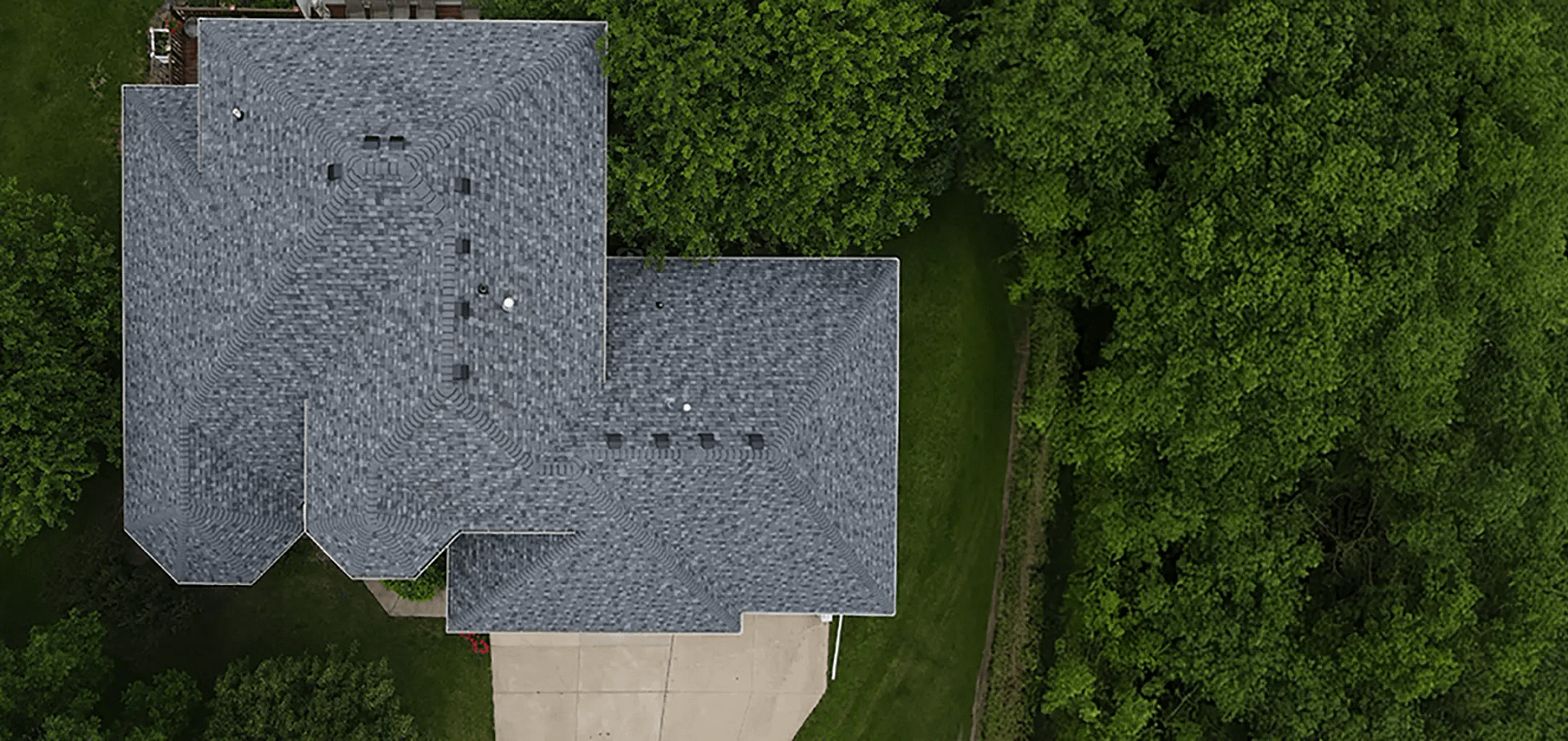
A commercial roof inspection is one of the most important parts of maintaining your building’s value, performance, and safety. For business managers and property owners, staying proactive with inspections helps prevent unexpected repairs, downtime, and costly water damage. Whether your property is located in Iowa’s changing seasons or Florida’s tropical climate, consistent inspections ensure your commercial roof stays strong year-round.
- Asset protection: Routine inspections extend the life of your roof investment.
- Safety assurance: Identifying damage early prevents leaks and structural hazards.
- Operational efficiency: A well-maintained roof supports HVAC performance and energy savings.
Why Every Business Needs Regular Roof Inspections
Your commercial roof is one of your property’s largest assets — and one of the most expensive to replace. Regular inspections allow you to catch issues such as ponding water, membrane punctures, or deteriorating flashing before they lead to interior damage or business interruptions.
Professional inspections also help maintain manufacturer warranties and compliance with insurance requirements. Skipping routine maintenance can void those protections, leading to greater financial risk down the line.
The Value Of Preventive Maintenance For Businesses
Preventive inspections cost far less than emergency repairs. A consistent inspection schedule keeps your maintenance predictable and your building safe. This is especially important for facilities that store inventory, operate machinery, or house employees under one roof.
- Reduced liability: Prevents safety risks caused by roof leaks or water damage.
- Lower repair costs: Fixing small problems before they spread saves thousands in the long term.
- Peace of mind: Keeps business operations running smoothly, even during severe weather.
Key Differences In Commercial Roof Inspections Between Iowa And Florida
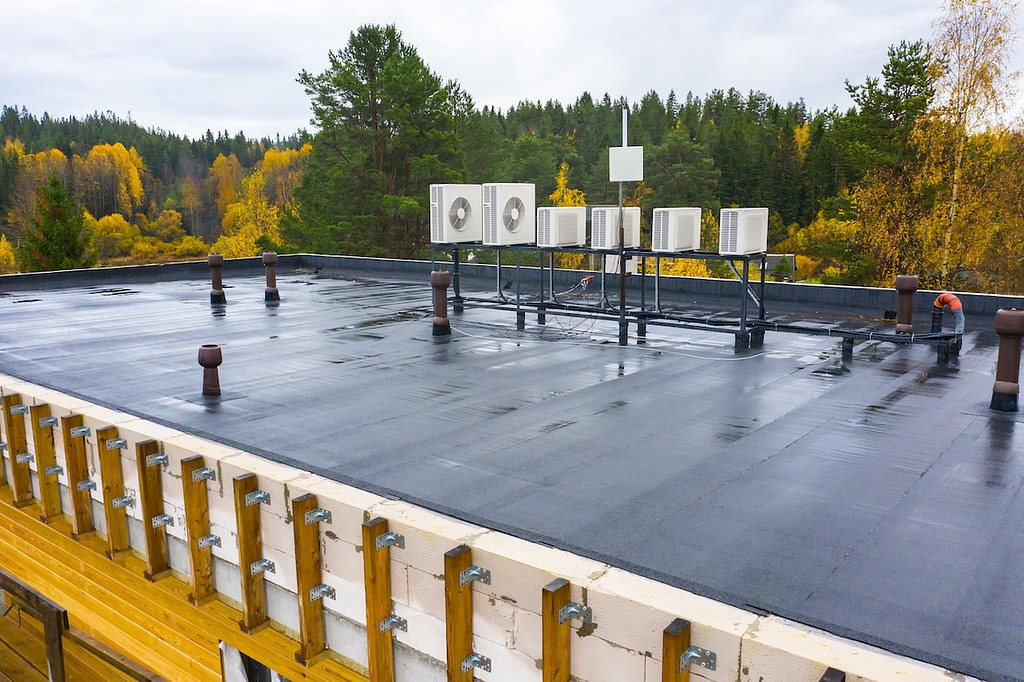
Commercial buildings in different climates face unique roofing challenges. A roof in Iowa endures snow, ice, and wind, while a roof in Florida faces constant sun, salt air, and hurricane-season rain. Inspection priorities change based on these environmental factors, and knowing what to look for in each region is essential for proper maintenance.
Iowa vs. Florida Commercial Roof Inspections
| Inspection Focus | Iowa (Cold, Variable Climate) | Florida (Hot, Humid Climate) |
| Primary Roof Material | EPDM, TPO, Modified Bitumen | TPO, PVC, Metal Roofing |
| Common Concerns | Ice dams, membrane cracking, wind uplift | UV degradation, corrosion, algae growth |
| Moisture Issues | Snow and ice infiltration | Condensation and humidity intrusion |
| Structural Focus | Freeze-thaw expansion, insulation damage | Thermal movement, wind uplift from storms |
| Drainage Needs | Clearing ice and debris from drains | Preventing blockages from tropical debris |
| Inspection Frequency | Twice yearly (spring and fall) | Quarterly or before/after storm season |
| Repair Priority | Seal seams, check insulation moisture | Reseal flashings, apply reflective coatings |
| Additional Concerns | Freeze damage to HVAC curbs | Salt corrosion on fasteners and seams |
Both climates require expert attention, but the inspection approach differs. Iowa roofs need strong seals against moisture and temperature shifts, while Florida roofs demand UV protection and corrosion control.
5 Tips For Effective Commercial Roof Inspection Management
Commercial roof inspections are more than routine walk-throughs — they’re strategic evaluations that protect your entire business operation. Following these five tips helps property managers and owners maximize the return on every inspection.
1. Schedule Inspections Around Seasonal Shifts
Timing matters. Inspections should take place before and after major seasonal transitions when weather extremes test your roof’s resilience.
- In Iowa: Schedule in spring after snowmelt and in fall before freezing temperatures return.
- In Florida: Plan for late spring before storm season and again after hurricane activity subsides.
- Pro Tip: Add extra inspections following any severe weather event, such as hail, heavy wind, or tropical rain.
2. Review Drainage Systems Thoroughly
Proper drainage is crucial to the performance of flat or low-slope commercial roofs. Clogged drains and scuppers can create ponding water, which accelerates material deterioration.
- Visual checks: Ensure all drains, gutters, and downspouts are clear of debris.
- Functional testing: Run water through drainage points to confirm smooth flow.
- Preventive upgrades: Consider installing strainers or gutter guards to minimize future blockages.
In Iowa, look for ice buildup or debris from seasonal foliage. In Florida, check for tropical leaves, sand, or algae growth that could block drains and downspouts.
3. Document Everything With Photos And Reports
Detailed documentation is one of the most valuable outcomes of a commercial roof inspection. It provides a history of maintenance and proof for insurance or warranty claims.
- High-resolution photos: Capture before-and-after images of problem areas.
- Digital records: Store inspection reports for quick reference and compliance tracking.
- Repair logs: Keep a timeline of maintenance performed to monitor recurring issues.
By maintaining organized documentation, property managers can make informed budgeting decisions and demonstrate proactive care to stakeholders or tenants.
4. Address Small Repairs Immediately
Delaying repairs is one of the biggest mistakes property owners make. A small puncture, separated seam, or deteriorated flashing can allow moisture infiltration that spreads across insulation and decking.
- Quick patching: Seal minor holes or tears using manufacturer-approved materials.
- Flashing repair: Replace any loose or corroded metal flashing around penetrations.
- Seam resealing: Reapply adhesive or heat welding where membrane separation begins.
In Iowa, prioritize sealing seams affected by freeze-thaw expansion. In Florida, focus on restoring sealants and fasteners that degrade from UV and salt exposure.
5. Partner With A Certified Roofing Contractor
Professional insight is essential for identifying underlying issues that aren’t visible from the surface. Certified roofing contractors have the tools and experience to perform accurate assessments and ensure compliance with safety and building codes.
- Expert diagnosis: Detects early warning signs of leaks or structural movement.
- Thermal scanning: Identifies moisture beneath membranes without invasive testing.
- Maintenance planning: Provides long-term solutions for budgeting and roof lifecycle management.
Partnering with an established contractor like Young Construction ensures your roof remains compliant, cost-effective, and fully documented for warranty coverage.
What To Expect During A Professional Commercial Roof Inspection
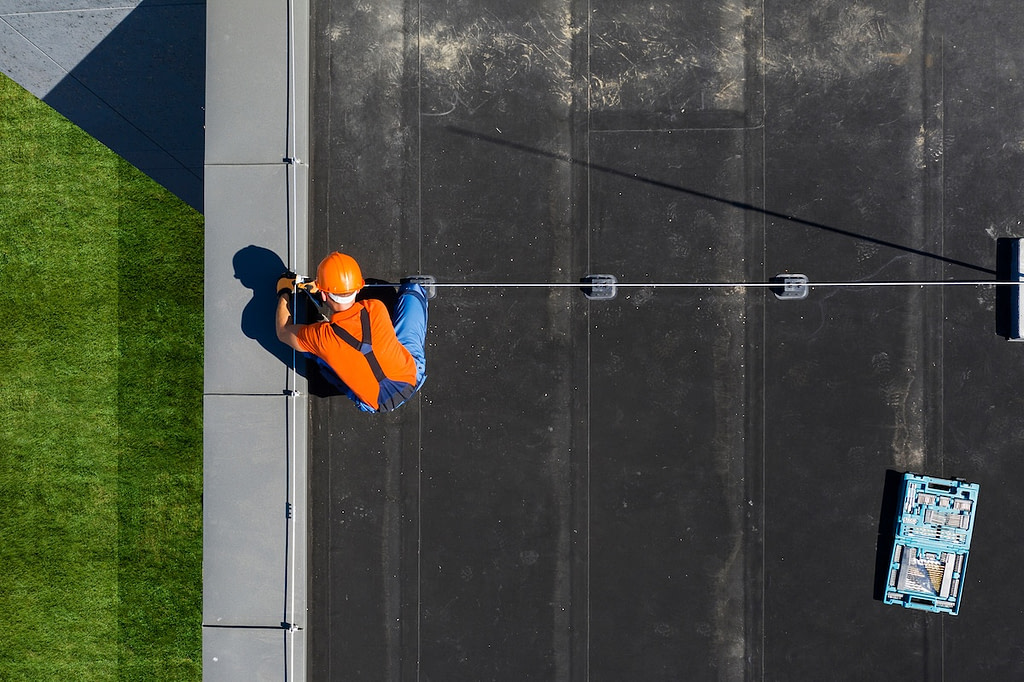
A full commercial roof inspection involves more than a quick visual check. It’s a systematic process that evaluates your roof’s structure, surface, and performance components to catch every possible issue before it escalates.
Typical Inspection Process
- Surface evaluation: Checking for punctures, blisters, or loose materials.
- Flashing and edge review: Ensuring all perimeters are sealed tightly.
- Drainage testing: Confirming proper slope and clear water flow.
- HVAC and penetration checks: Inspecting around curbs, vents, and skylights for signs of wear.
- Moisture detection: Using infrared scanning or core sampling to identify trapped water.
Common Findings
- Seam separations: Often appear after thermal expansion or contraction.
- UV deterioration: Causes cracks in membranes and exposed insulation.
- Ponding water: Indicates inadequate slope or clogged drainage points.
- Surface debris: Adds weight and traps moisture, speeding up aging.
Each inspection result helps shape your maintenance plan and determines when repairs or roof restoration should occur.
Long-Term Benefits Of Consistent Roof Inspections
Investing in routine inspections creates measurable returns for property owners and managers. Over time, preventive maintenance reduces emergency costs, extends system lifespan, and maintains a safe working environment.
Business Advantages
- Cost control: Predictable maintenance budgets prevent financial surprises.
- Operational continuity: Avoids downtime caused by leaks or interior water damage.
- Asset longevity: Extends the usable life of the roofing system.
- Improved building value: Maintained roofs support higher property resale or lease rates.
Routine inspections also enhance sustainability. Energy-efficient roofs perform better when membranes remain clean and well-sealed, helping businesses meet environmental standards.
5-Step Inspection Plan For Managers
- Set A Schedule: Plan semiannual or quarterly inspections depending on your climate.
- Hire A Certified Contractor: Choose an experienced commercial roofer familiar with your roof type.
- Review Reports Carefully: Compare findings with previous inspections to track changes.
- Implement Repairs Promptly: Address issues immediately to prevent structural damage.
- Maintain Documentation: Keep digital records for warranties, insurance, and compliance purposes.
Choose Young Construction For Commercial Roof Inspections
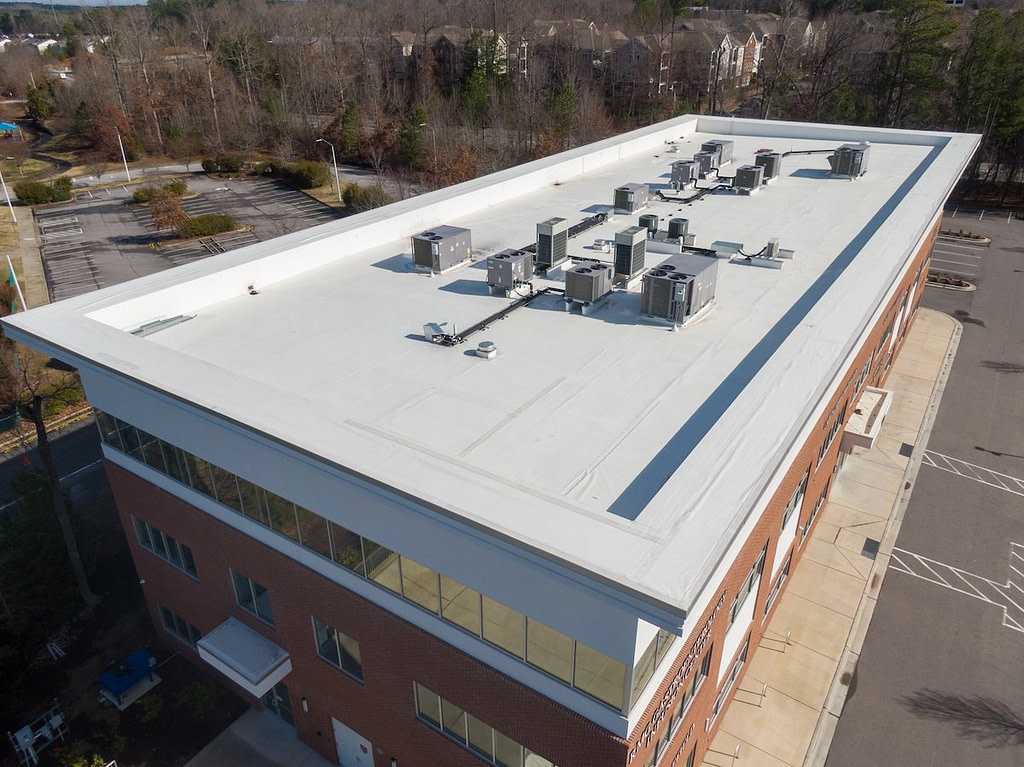
At Young Construction, we provide detailed, professional commercial roof inspection services designed for business managers and property owners who value precision and reliability. Our experienced team understands how climate affects roof performance — from Iowa’s snow and ice to Florida’s heat and humidity — and we tailor our inspections accordingly.
Protect Your Commercial Investment
Don’t wait until a leak disrupts your business operations. Proactive inspections keep your facility safe, dry, and efficient throughout the year. Contact Young Construction today for a free quote and let our experts create a custom commercial roof inspection plan built around your property’s needs and climate.