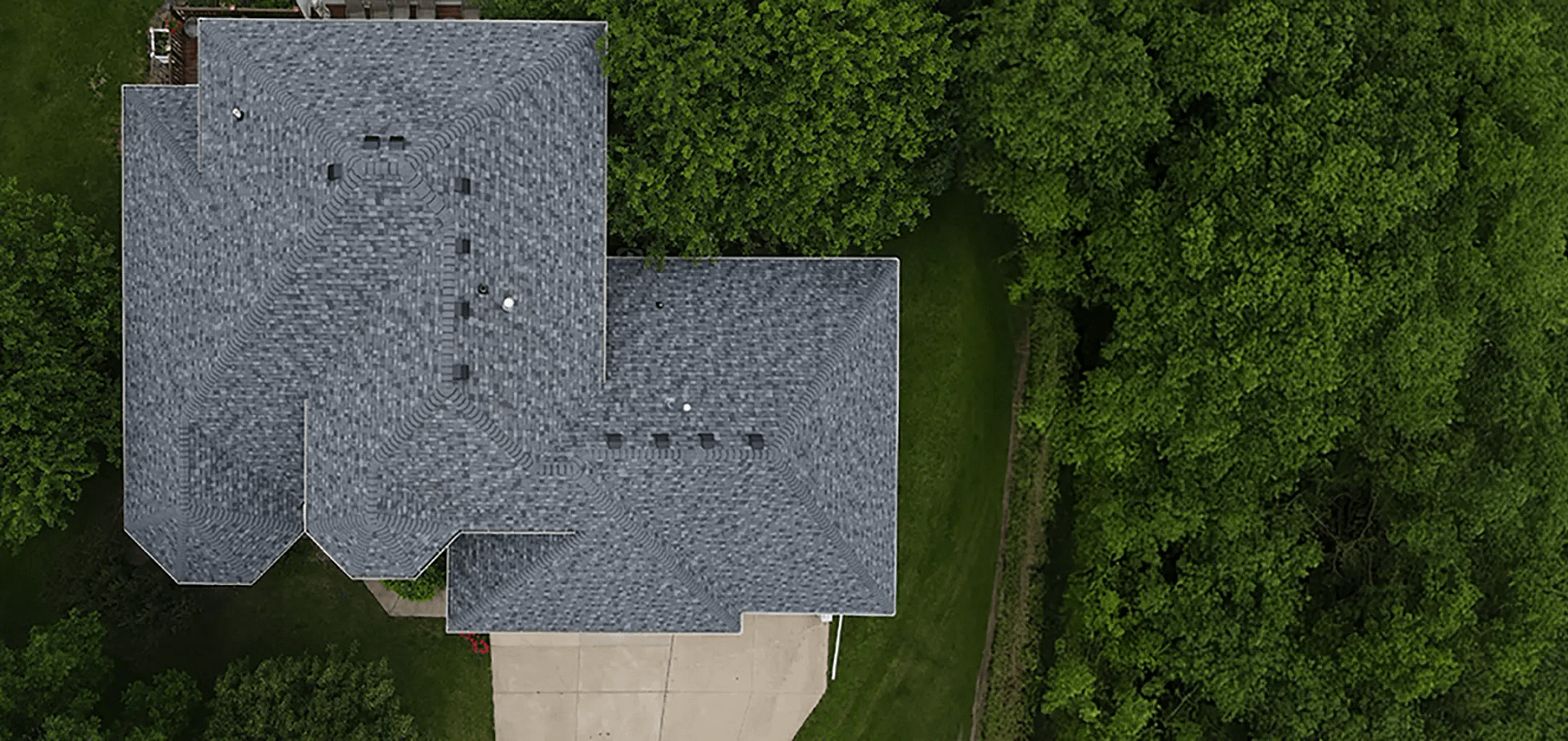
Planning a commercial roof installation is a major step for any property owner, and understanding the process can help you prepare for a smooth and successful project. Commercial roofing systems are more complex than residential roofs due to their size, structure, and the presence of equipment like HVAC units. Knowing what to expect helps minimize disruptions, control costs, and ensure long-term performance.
- Project clarity: Understanding each phase helps you prepare your property and operations.
- Better results: Proper planning leads to stronger, longer-lasting roofing systems.
- Reduced downtime: Knowing the timeline helps minimize business interruptions.
Why Commercial Roof Installation Requires Careful Planning

A commercial roof is a critical part of your building’s structure, protecting inventory, equipment, and daily operations. Unlike residential roofing, commercial systems often involve flat or low-slope designs that require specialized materials and installation techniques.
Planning ahead ensures that everything from material selection to scheduling is handled efficiently. A well-organized installation process helps prevent delays, reduces the risk of errors, and ensures your roof performs reliably for years to come.
Key Phases of a Commercial Roof Installation
A commercial roof installation follows a structured process designed to ensure safety, durability, and efficiency. Each phase plays an important role in the overall success of the project.
Initial Inspection and Project Planning
Before installation begins, a thorough inspection is conducted to assess the current roof condition and structural integrity. This step helps determine whether a full replacement is needed or if certain components can remain.
- Roof evaluation: Identifies damage, leaks, and structural concerns.
- Material selection: Determines the best roofing system for the building.
- Project scope: Outlines timelines, labor, and equipment requirements.
Proper planning ensures the installation process runs smoothly from start to finish.
Material Selection and Preparation
Choosing the right roofing material is essential for long-term performance. Commercial roofs commonly use systems such as TPO, EPDM, or modified bitumen, each offering different benefits.
- Durability: Materials are selected based on weather resistance and lifespan.
- Energy efficiency: Reflective materials can reduce cooling costs.
- Compatibility: Roofing systems must match the building’s structure and use.
Once materials are selected, they are delivered and prepared for installation.
Roof Tear-Off or Preparation
Depending on the project, the existing roof may need to be removed before installing the new system. In some cases, a new layer can be installed over the existing roof if conditions allow.
- Old material removal: Ensures a clean surface for new installation.
- Debris disposal: Old roofing materials are properly removed from the site.
- Surface preparation: The roof deck is cleaned and inspected.
This step creates a solid foundation for the new roofing system.
Installation of Roofing System
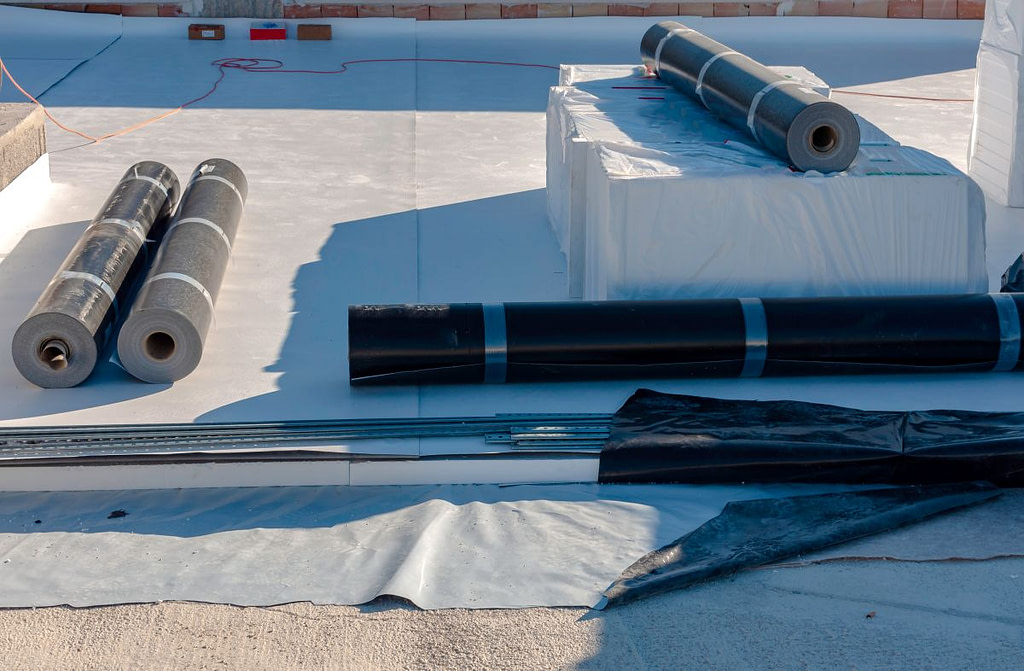
The installation phase involves placing insulation, membranes, and protective layers to create a durable and waterproof roofing system.
- Insulation placement: Improves energy efficiency and structural support.
- Membrane installation: Provides the primary waterproof barrier.
- Seam sealing: Ensures all joints are watertight.
Proper installation techniques are critical for long-term performance.
Final Inspection and Quality Check
Once installation is complete, a final inspection ensures the roof meets quality standards and performs as expected.
- Seam inspection: Verifies all connections are properly sealed.
- Drainage check: Confirms water flows correctly off the roof.
- Safety review: Ensures the roof is secure and ready for use.
This step provides confidence that the installation was completed correctly.
3 Common Commercial Roofing Materials
Choosing the right material is one of the most important decisions during a commercial roof installation. Each option offers different benefits depending on the building’s needs.
1. TPO Roofing
- Energy efficient: Reflects sunlight to reduce heat absorption.
- Cost effective: One of the most popular commercial roofing options.
- Durable: Resistant to UV rays and weather exposure.
TPO is widely used for its balance of performance and affordability.
2. EPDM Roofing
- Flexible material: Performs well in temperature changes.
- Long lifespan: Can last decades with proper maintenance.
- Weather resistant: Handles extreme conditions effectively.
EPDM is a reliable option for many commercial properties.
3. Modified Bitumen
- Layered protection: Provides strong waterproofing.
- Durability: Resistant to wear and tear.
- Proven performance: Used for decades in commercial roofing.
This material is often chosen for its strength and reliability.
Timeline for Commercial Roof Installation
The timeline for a commercial roof installation can vary depending on the size and complexity of the project. While smaller buildings may take a few days, larger structures can require several weeks.
Factors That Affect Timeline
- Roof size: Larger roofs require more time to complete.
- Weather conditions: Rain or extreme temperatures can delay work.
- Material type: Some systems take longer to install than others.
Planning for these factors helps minimize delays.
Minimizing Business Disruptions
- Scheduling work hours: Projects can be planned around business operations.
- Clear communication: Keeping staff informed reduces confusion.
- Safety measures: Protects employees and customers during installation.
Proper coordination helps keep your business running smoothly during the project.
What Property Owners Should Prepare
Preparing your property before installation begins can help ensure the project runs efficiently and safely.
Clear the Work Area
- Remove obstacles: Keep the roof and surrounding areas clear.
- Protect equipment: Cover or relocate sensitive items.
- Allow access: Ensure crews can move freely around the building.
A clear workspace improves efficiency and safety.
Plan for Noise and Activity
- Temporary disruptions: Installation may involve noise and movement.
- Communication: Inform employees or tenants ahead of time.
- Safety awareness: Keep people clear of work zones.
Preparation helps reduce inconvenience during the project.
Long-Term Benefits of Professional Installation
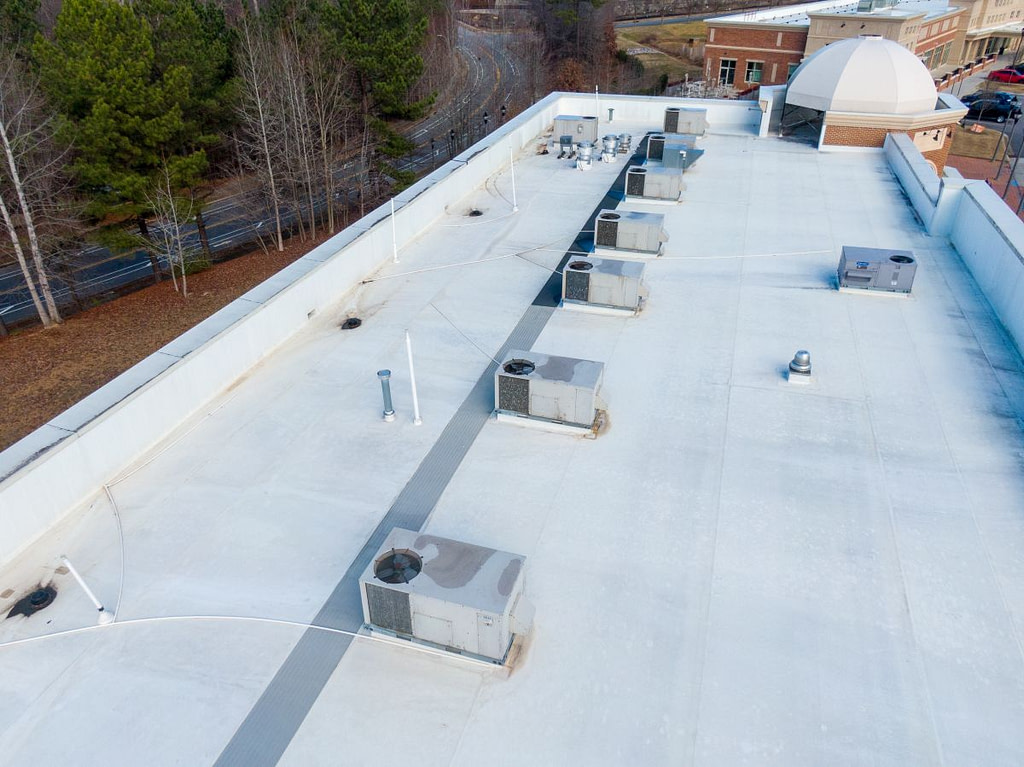
A professionally installed commercial roof offers several long-term advantages for property owners.
Improved Durability
- Stronger materials: High-quality systems resist wear and damage.
- Proper installation: Reduces the risk of leaks and failures.
- Extended lifespan: Well-installed roofs last longer.
Durability helps reduce maintenance and replacement costs.
Better Energy Efficiency
- Reflective surfaces: Reduce heat absorption.
- Improved insulation: Helps regulate indoor temperatures.
- Lower energy bills: Reduces heating and cooling costs.
Energy efficiency benefits both comfort and operating expenses.
Reduced Maintenance Costs
- Fewer repairs: Proper installation prevents recurring issues.
- Long-term performance: Durable systems require less upkeep.
- Reliable protection: Keeps the building safe from weather damage.
Lower maintenance needs help protect your investment.
Set Your Project Up for Success With Young Construction
A well-planned commercial roof installation ensures your building remains protected, efficient, and durable for years to come. Understanding the process helps property owners prepare effectively and make confident decisions.
Your commercial roof plays a critical role in protecting your business and maintaining long-term value. Knowing what to expect during installation helps ensure the project is completed smoothly and successfully.
Why Businesses Trust Young Construction
- Commercial expertise: Experience with a wide range of roofing systems.
- Commitment to quality: Focused on durable, long-lasting solutions.
- Trusted guidance: Helping property owners understand every step of the process.
Start your roofing project with confidence. Contact Young Construction today for a free estimate and learn how expert installation can protect your property and support your business for years to come.