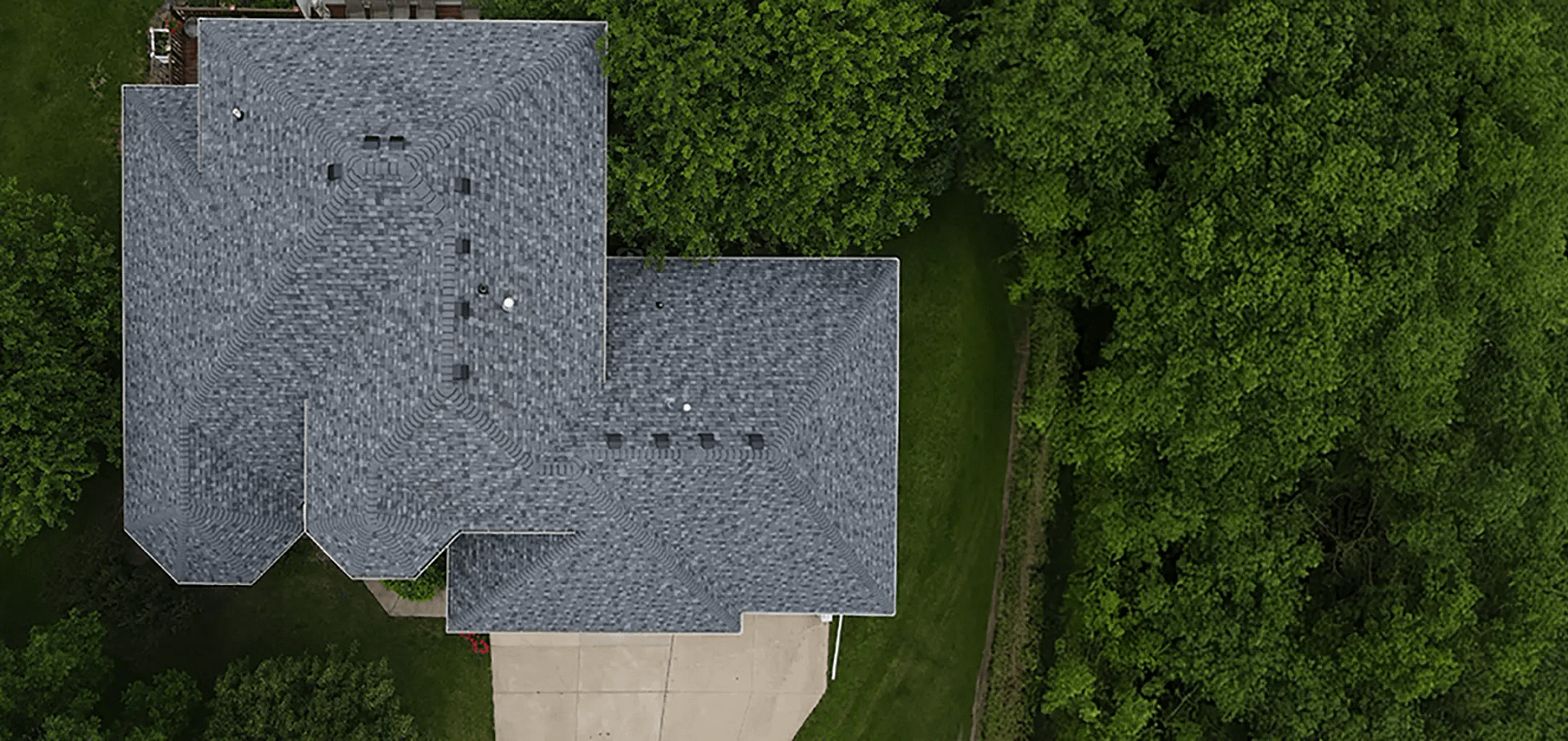
When water seeps into your building, finding the source quickly is essential — and that’s where professional commercial roof leak detection comes in. Even small leaks can lead to serious damage, from interior staining and mold to costly structural repairs. For commercial property owners, staying proactive about leak detection protects not just your roof, but also your tenants, employees, and bottom line.
- Early detection: Prevents minor leaks from becoming major water damage.
- Operational continuity: Keeps your business running without costly downtime.
- Long-term savings: Helps extend the life of your roofing system.
Why Commercial Roof Leak Detection Matters
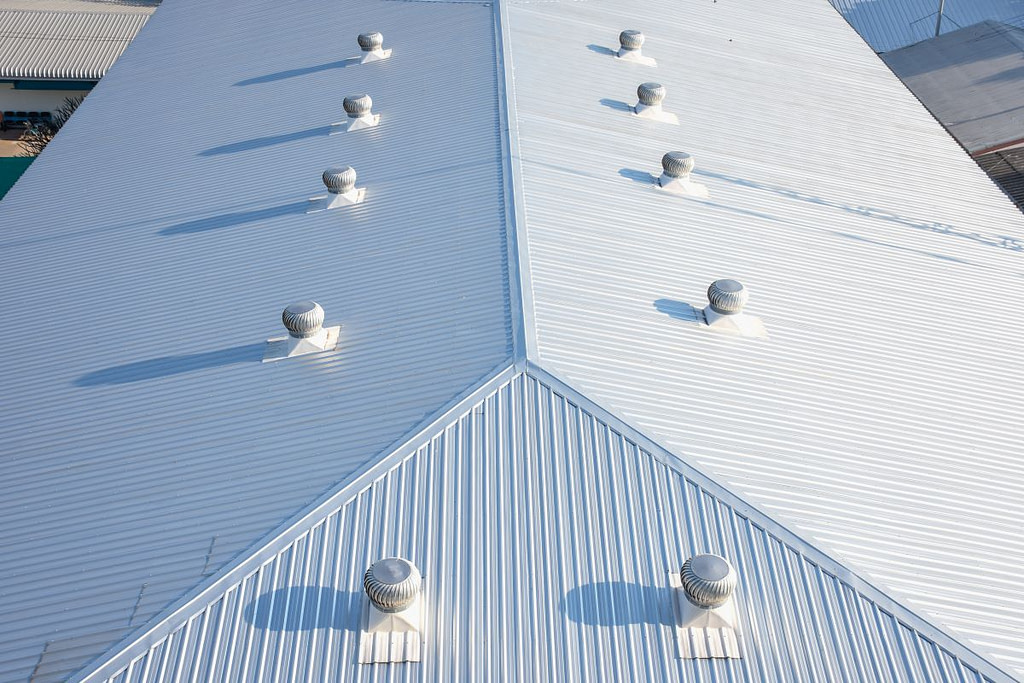
Commercial roofs cover a large surface area and often house complex systems such as HVAC units, vents, and drains — all potential leak points. Unlike residential roofs, leaks in commercial systems may go unnoticed for weeks or even months because the water can travel long distances beneath the surface before appearing inside.
Prompt leak detection identifies weak points early, minimizing damage and preventing disruptions to business operations. The sooner a leak is found and repaired, the lower the chance of extensive structural or interior issues.
Common Causes of Commercial Roof Leaks
Understanding what leads to leaks can help you prevent them in the first place. Many commercial roof problems stem from weather, wear, or neglect — but most are avoidable with routine maintenance.
Typical Leak Sources
- Aging materials: Over time, membranes and sealants lose flexibility and crack.
- Ponding water: Standing water weakens roofing membranes and seams.
- Damaged flashing: Cracked or loose flashing around HVAC units and vents allows entry points for water.
- Improper drainage: Blocked gutters or scuppers can cause overflow and saturation.
- Foot traffic: Technicians and maintenance workers may puncture or compress membranes.
By inspecting these areas regularly, property owners can prevent most leaks before they start.
5 Steps for an Effective Commercial Roof Leak Detection Process
Detecting and diagnosing roof leaks is a detailed process that requires a combination of observation, testing, and professional expertise. Below is a step-by-step overview of how leaks are accurately located and evaluated before repairs begin.
1. Initial Visual Inspection
The first step in any leak detection process is a thorough visual assessment of the roof’s surface and interior.
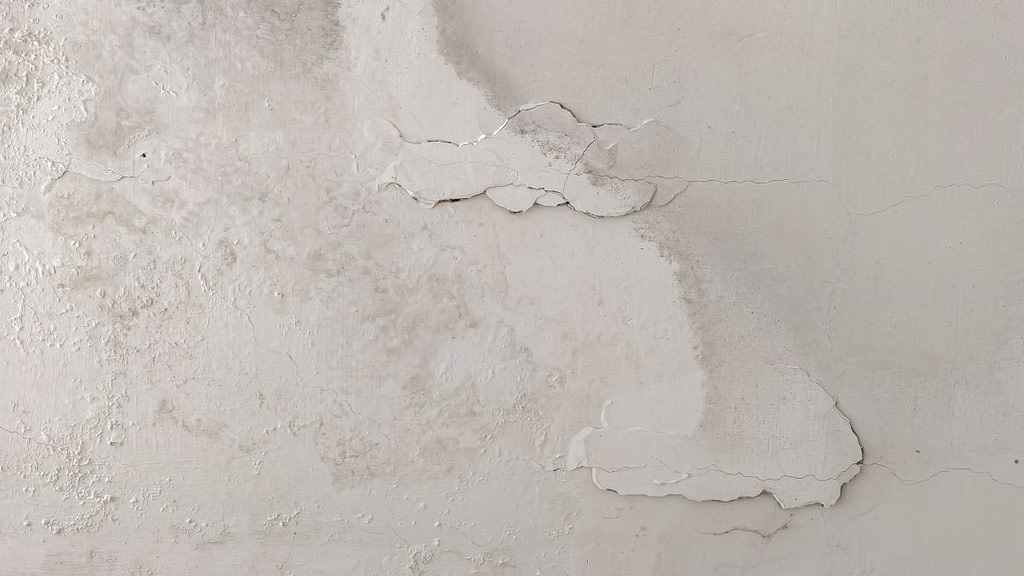
Inspectors start by looking for obvious signs such as stains, cracks, punctures, or areas where water may be pooling. Inside the building, they check ceilings, walls, and insulation for discoloration or dampness that indicates a potential leak path.
- Check drainage points: Look for blockages or debris buildup.
- Inspect seams and joints: These are common entry points for water infiltration.
- Note recurring stains: Consistent moisture spots often indicate a structural issue.
Visual inspections provide a baseline understanding of where leaks might originate and guide the next phase of testing.
2. Moisture Scanning and Infrared Testing
If no obvious damage is visible, moisture scanning tools and infrared cameras can identify leaks hidden beneath the surface. These advanced technologies help pinpoint areas of trapped moisture that are invisible to the naked eye.
Infrared imaging detects temperature differences between dry and wet roofing materials. Wet areas appear cooler in the scan, allowing professionals to locate the exact spot where water is entering.
- Non-invasive process: No cutting or drilling required.
- Highly accurate: Reveals hidden moisture pockets before visible damage appears.
- Ideal for large roofs: Efficient for warehouses, schools, and office buildings.
This step provides valuable data that supports a targeted and cost-effective repair plan.
3. Core Sampling or Electronic Testing
After identifying suspect areas, technicians often perform core sampling or use low-voltage electronic leak detection for confirmation.
Core sampling involves removing a small section of the roofing membrane to examine moisture levels beneath the surface. Electronic leak detection, on the other hand, uses electric currents to trace the flow of water through the membrane’s weak points.
- Core testing: Helps verify insulation saturation and identify material breakdown.
- Electronic detection: Locates micro-tears or pinholes invisible during inspection.
- Data collection: Results help plan appropriate repair or replacement actions.
Both methods ensure accurate results while minimizing unnecessary damage to your roofing system.
4. Identifying the Leak Source and Path
Once moisture presence is confirmed, the next step is determining how water is entering and traveling across the roof system. This process requires expertise, as leaks often originate far from the visible water damage inside the building.
Inspectors trace the leak path back to its origin by analyzing slope direction, wind exposure, and seam patterns. They also review potential weak spots around roof penetrations, parapet walls, and drainage components.
- Pinpointing origins: Confirms whether the issue stems from seams, flashing, or mechanical units.
- Mapping the path: Helps determine how far the water has spread beneath the surface.
- Documenting findings: Provides clarity for repair planning and future maintenance.
Proper identification ensures the root cause of the leak is addressed — not just the symptoms.
5. Documentation and Repair Planning
After the inspection and testing are complete, detailed documentation is prepared outlining the findings, affected areas, and recommended next steps.
Professional roofers use this information to develop a targeted repair or replacement plan tailored to the building’s specific roofing system. For property owners, this documentation is also helpful when reviewing maintenance schedules or discussing roof history with service providers.
- Photo records: Support transparency and track roof condition over time.
- Detailed reports: Summarize damage, moisture areas, and suggested fixes.
- Maintenance planning: Encourages proactive care to prevent future leaks.
Once the plan is finalized, prompt repair ensures the roof’s integrity is restored and future leaks are less likely to occur.
How to Prevent Future Roof Leaks
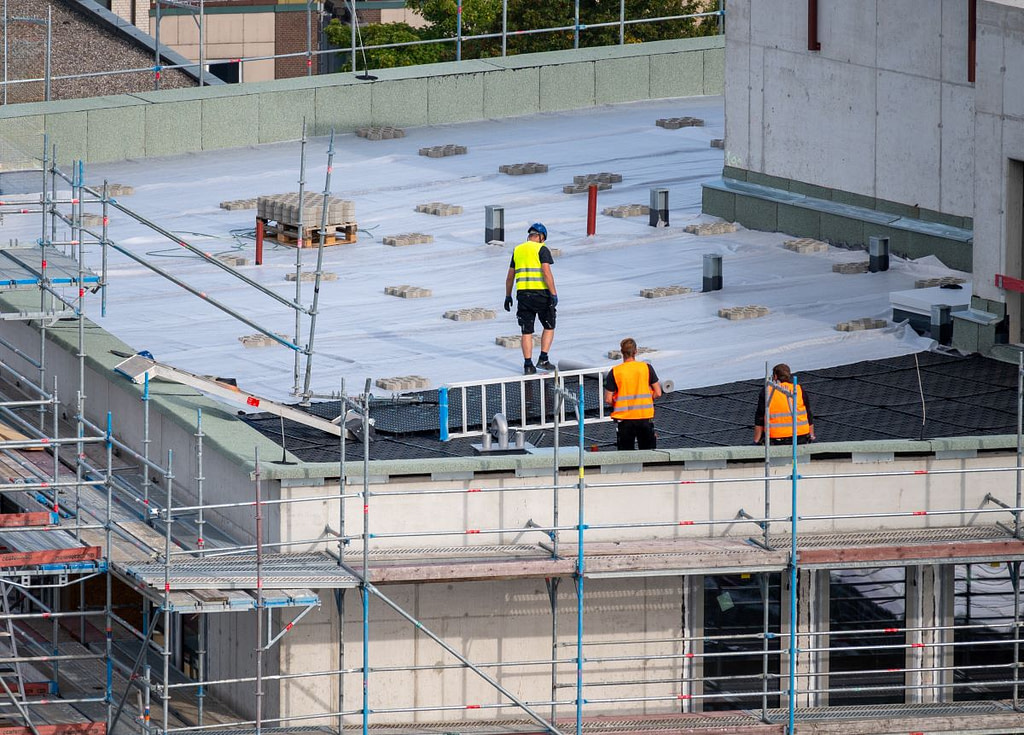
Preventive maintenance plays a crucial role in keeping commercial roofs watertight. Routine inspections and timely repairs extend roof life and minimize the risk of leaks forming in the first place.
Regular Roof Inspections
Have your commercial roof inspected at least twice a year — ideally in the spring and fall.
- Seasonal monitoring: Identifies early signs of wear or damage.
- Post-storm checks: Detects issues caused by wind, hail, or heavy rainfall.
- Detailed reporting: Keeps building owners informed about roof performance.
Scheduled inspections are the most effective way to detect problems before they escalate into costly repairs.
Proactive Maintenance
Addressing minor issues right away prevents leaks from spreading and damaging other parts of the building.
- Clean drains and gutters: Ensures proper water flow and reduces ponding.
- Replace damaged flashing: Keeps penetrations fully sealed.
- Monitor roof traffic: Restrict unnecessary access to prevent membrane punctures.
Consistent upkeep preserves your roof’s durability and reduces long-term maintenance expenses.
Work With Experienced Roofing Professionals
Partnering with a trusted roofing company ensures your roof is properly cared for throughout its lifespan. Professionals have the tools and expertise to detect, repair, and prevent leaks using proven methods and industry best practices.
- Comprehensive evaluations: Go beyond surface-level inspections.
- Tailored repair plans: Match solutions to your specific roofing system.
- Quality workmanship: Ensures repairs last and prevent repeat issues.
A proactive approach backed by professional expertise helps you avoid costly disruptions to your business operations.
Protect Your Building With Young Construction
When it comes to maintaining your commercial property, protecting your roof is protecting your investment. At Young Construction, we provide thorough inspections and professional maintenance services to identify problems early and extend the life of your roofing system.
Keep your commercial building safe and watertight with help from trusted professionals. Contact Young Construction and ensure your roof continues to protect your business for years to come.