Understanding the true cost of a commercial roof repair in 2026 is essential for property owners who want to protect their investment while planning an accurate maintenance budget. Commercial roofs endure heavy stress from weather, foot traffic, and mechanical equipment, making timely repairs critical to preventing larger, more expensive problems.
- Cost clarity: Learn what factors influence pricing for commercial roof repairs.
- Budget strategy: Know when repairs are cost-effective versus when replacement makes sense.
- Long-term protection: Keep your building safe and efficient through preventive maintenance.
Why Commercial Roof Repair Costs Vary
The cost of repairing a commercial roof depends on multiple variables, including roof size, material type, damage severity, and access difficulty. Each repair project is unique — a small leak fix on a flat roof will cost far less than major structural restoration on a multi-story building.
Understanding these factors allows property managers to set realistic expectations and prevent surprise expenses.
Average Commercial Roof Repair Costs in 2026
In 2026, the national average cost for commercial roof repair ranges between $4.00 and $10.00 per square foot, depending on the system type and extent of the damage. For most commercial properties, total repair costs fall between $2,500 and $15,000, though larger or more complex roofs may exceed that range.
Here’s a quick look at cost ranges based on the most common commercial roofing systems.
| Roof Type | Average Repair Cost (Per Sq. Ft.) | Typical Repair Scenarios |
| TPO | $5.00 – $9.00 | Seam separation, membrane punctures, leaks near HVAC units |
| EPDM (Rubber) | $4.00 – $8.00 | Cracks, tears, flashing damage, water pooling |
| PVC | $6.00 – $10.00 | Punctures, seam failure, UV degradation |
| Modified Bitumen | $4.50 – $8.00 | Blistering, split seams, membrane bubbling |
| Metal Roofing | $7.00 – $12.00 | Loose fasteners, panel corrosion, leaks around penetrations |
These averages reflect state and regional market trends but can fluctuate based on accessibility, material quality, and local labor rates.
6 Key Factors That Influence Commercial Roof Repair Costs
While averages are useful, several key factors determine the exact cost of your project. Every commercial roof is different, and even two buildings of the same size can have very different repair needs based on materials, accessibility, and how well the roof has been maintained over time. Understanding these elements helps business owners budget more accurately and avoid unnecessary surprises.
1. Roof Type and Material
Each roofing system has unique materials, coatings, and repair techniques. For example, TPO and PVC roofs require heat-welded seams, while EPDM repairs rely on adhesive patches. Metal roofs may involve panel replacement or seam resealing.
- Single-ply systems (TPO, PVC, EPDM): Cost-effective and quick to repair.
- Built-up roofs (BUR): Labor-intensive, requiring layer-by-layer restoration.
- Metal roofs: More durable but costlier to fix due to specialized fasteners.
Choosing compatible materials for repairs ensures long-term adhesion and protection.
2. Extent of Damage
Minor repairs like patching a leak or resealing flashing are far less expensive than addressing widespread water intrusion or insulation damage.
- Small leaks: $500–$1,500 on average.
- Moderate surface repairs: $2,000–$5,000 for multiple punctures or seam resealing.
- Major restoration: $10,000 or more for structural or membrane replacement.
Regular inspections help catch issues before they reach the high-cost category.
3. Roof Accessibility
The easier it is for contractors to reach the roof, the lower the labor costs tend to be. Multi-story or high-rise commercial buildings require additional safety equipment, time, and labor, all of which raise the total cost.
- Single-story buildings: Simplest and least expensive to access.
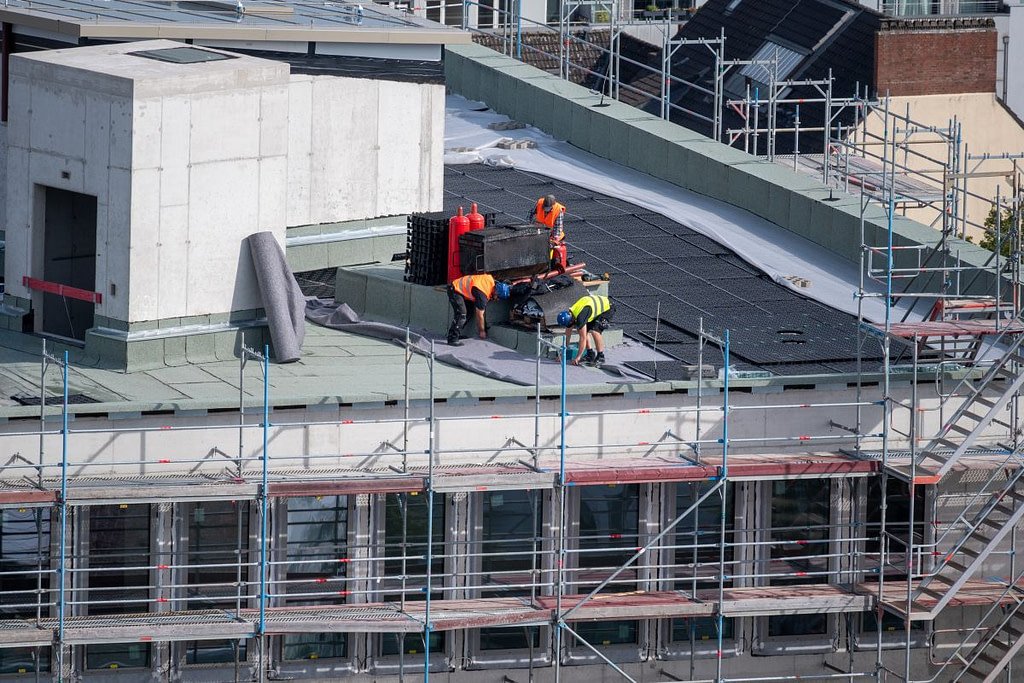
- Tall or restricted roofs: May require cranes or scaffolding.
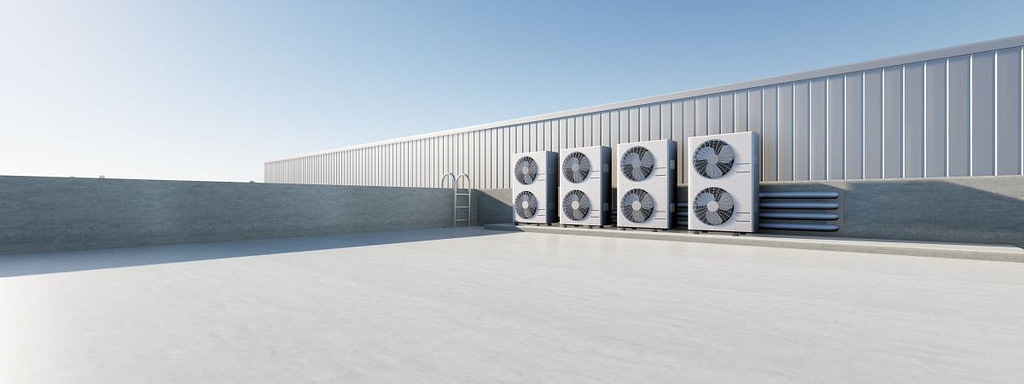
- Crowded rooftops: HVAC units and vents can increase labor time.
Accessibility directly impacts project efficiency and pricing.
4. Weather and Timing
Roof repair pricing can fluctuate with the seasons. Demand rises during storm-heavy months or after major weather events, increasing labor rates and material shortages.
- Off-season scheduling: Winter or early spring can offer lower rates.
- Emergency repairs: Urgent fixes often cost 15–25% more due to response time.
- Preventive repairs: Budget-friendly when planned ahead of severe weather.
Timing repairs strategically helps control costs without sacrificing quality.
5. Labor and Material Availability
Supply chain conditions still influence roofing prices in 2026. While stability has improved since previous years, premium materials like high-mil TPO membranes or energy-efficient coatings remain in high demand.
Local labor costs also vary — urban markets typically charge more due to higher overhead and specialized certifications.
6. Building Code and Permit Requirements
Commercial repairs often require building permits or compliance inspections. These add administrative costs but ensure the work meets safety and performance standards.
- Permit fees: Usually between $150 and $500 depending on project scope.
- Code upgrades: If older systems need new insulation or ventilation.
- Inspection reports: May be required for warranty or insurance purposes.
Factoring these into your budget upfront avoids delays and unexpected expenses later.
Signs Your Commercial Roof Needs Repair
Understanding the warning signs of roof distress can help property owners plan ahead before repairs become emergencies.
Common Indicators
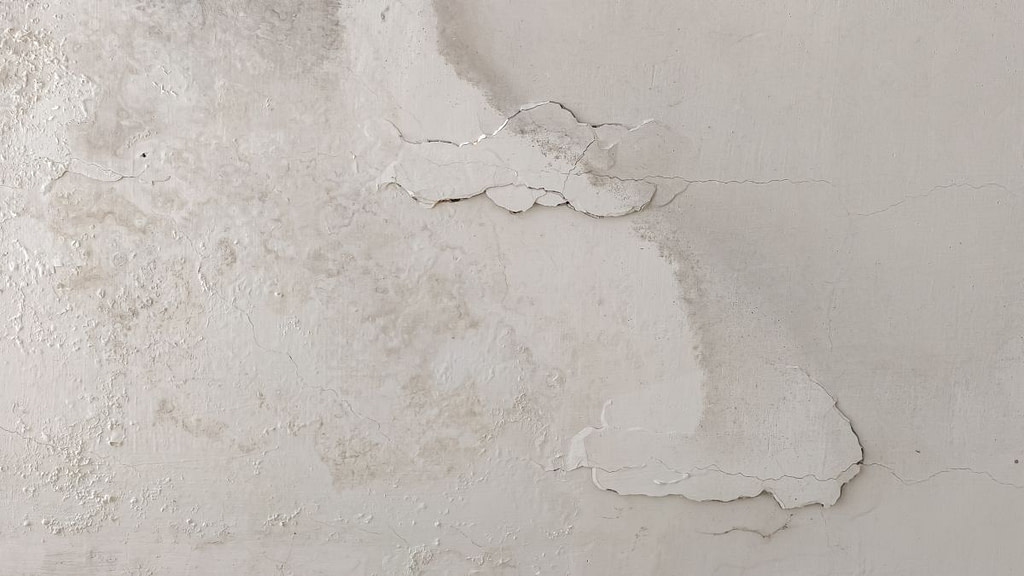
- Visible leaks or ceiling stains: Suggest moisture intrusion through the membrane.
- Pooling water: Indicates insufficient drainage or slope issues.
- Blistering or bubbling: Trapped moisture between membrane layers.
- Increased energy costs: Poor insulation or reflective surface deterioration.
- Cracked flashing or open seams: Early signs of wear and tear.
Scheduling prompt inspections after these signs appear prevents additional water or structural damage.
Commercial Roof Repair vs. Replacement
Knowing whether to repair or replace your commercial roof can save substantial money in the long run.
| Condition | Repair Recommended | Replacement Recommended |
| Localized punctures or leaks | ✅ Yes | ❌ No |
| Minor seam separation | ✅ Yes | ❌ No |
| Widespread membrane aging | ❌ No | ✅ Yes |
| Frequent leaks across large areas | ❌ No | ✅ Yes |
| Structural damage or wet insulation | ❌ No | ✅ Yes |
If your repair costs begin approaching 40–50% of full replacement cost, replacement may be the more economical option.
How To Budget for Commercial Roof Repairs
Proactive budgeting helps business owners maintain their roofing systems without sudden financial strain.
Budgeting Tips
- Schedule annual inspections: Catch minor issues before they escalate.
- Set aside reserves: Allocate 1–2% of your building’s value annually for roof maintenance.
- Track past repairs: Helps predict future spending and replacement cycles.
- Document all work: Supports warranty claims and future resale value.
Maintaining a repair budget ensures predictable expenses and fewer operational disruptions.
Preventive Maintenance To Lower Future Costs
The best way to control repair costs is through consistent preventive care. A small investment in maintenance can extend your roof’s lifespan and reduce emergency calls.
Maintenance Best Practices
- Clean drains and gutters regularly: Prevents water accumulation.
- Trim nearby trees: Reduces debris and puncture risks.
- Monitor rooftop equipment: Ensure mounts and penetrations remain sealed.
- Apply roof coatings: Restores reflectivity and waterproofing.
A structured maintenance plan keeps your roof performing efficiently year after year.
Protect Your Business Investment With Young Construction
Keeping up with commercial roof repair ensures your property remains safe, efficient, and compliant for years to come. Understanding costs and planning ahead helps you make informed decisions that protect your investment and minimize downtime.
Your building’s roof is one of its most valuable assets. Contact Young Construction today for a free estimate and discover how proactive roof care can protect your business and reduce future repair costs.