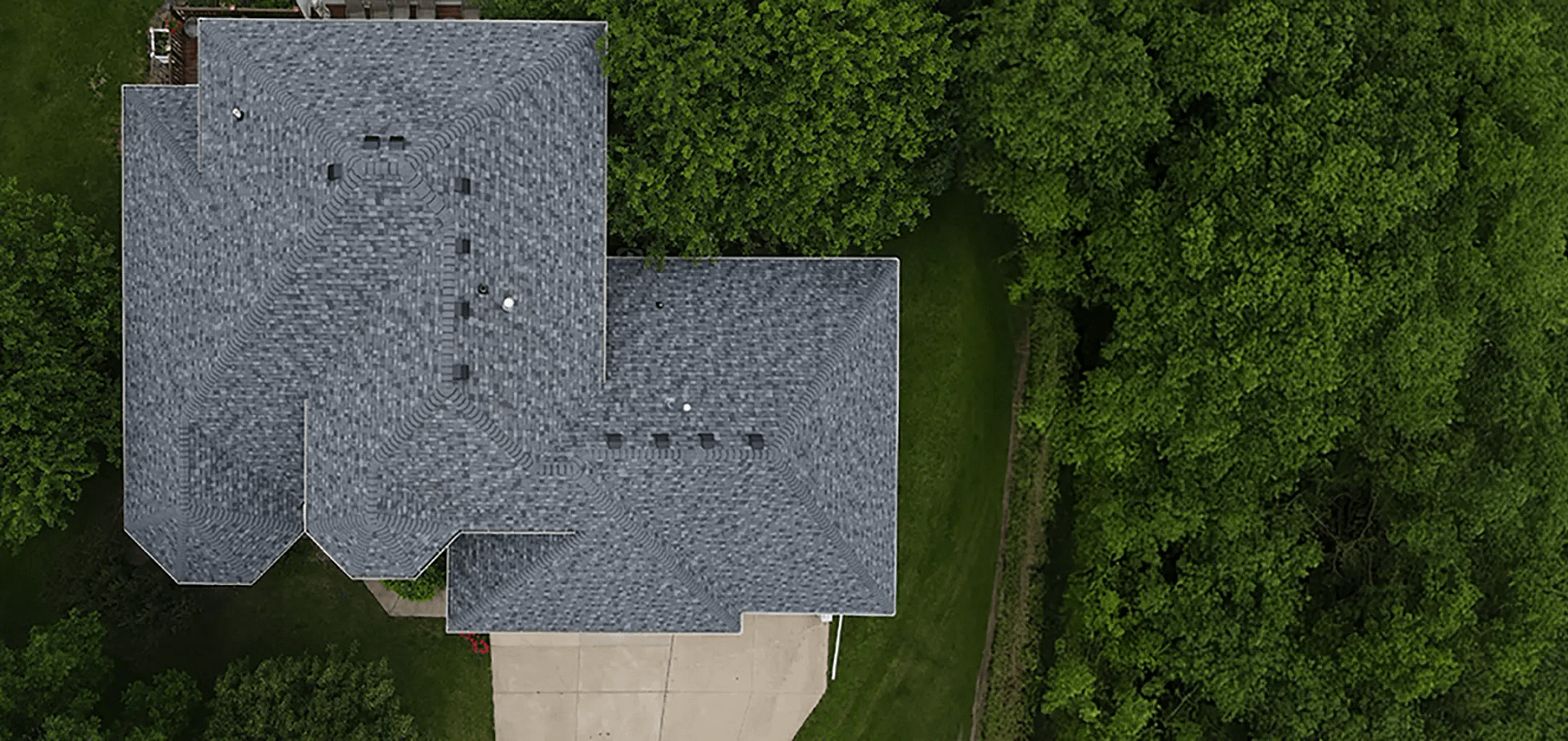
When evaluating commercial roofing types, it’s essential for property owners to understand how different materials perform, how long they last, and what kind of maintenance they require. A well-chosen roofing system can protect your investment for decades while minimizing repair costs and improving energy efficiency. With multiple materials available today — from single-ply membranes to metal systems — each offers unique benefits suited to specific building needs.
- Durability: The right roof provides long-term protection against UV rays, ponding water, and weather extremes.
- Value: Lifespan, maintenance needs, and installation costs vary widely across roofing systems.
- Efficiency: Certain materials can dramatically reduce heating and cooling expenses.
Understanding the Purpose of a Commercial Roofing System
Commercial roofs serve more than just a protective function. They impact energy consumption, water drainage, and even the overall safety of your building. A quality roof must be durable enough to handle heavy equipment loads, extreme weather, and regular maintenance traffic.
Different commercial roofing types offer different advantages based on climate, budget, and structural design. Whether you manage an office complex, retail center, or industrial facility, understanding these differences helps you plan smarter and maximize long-term value.
Most Common Commercial Roofing Types
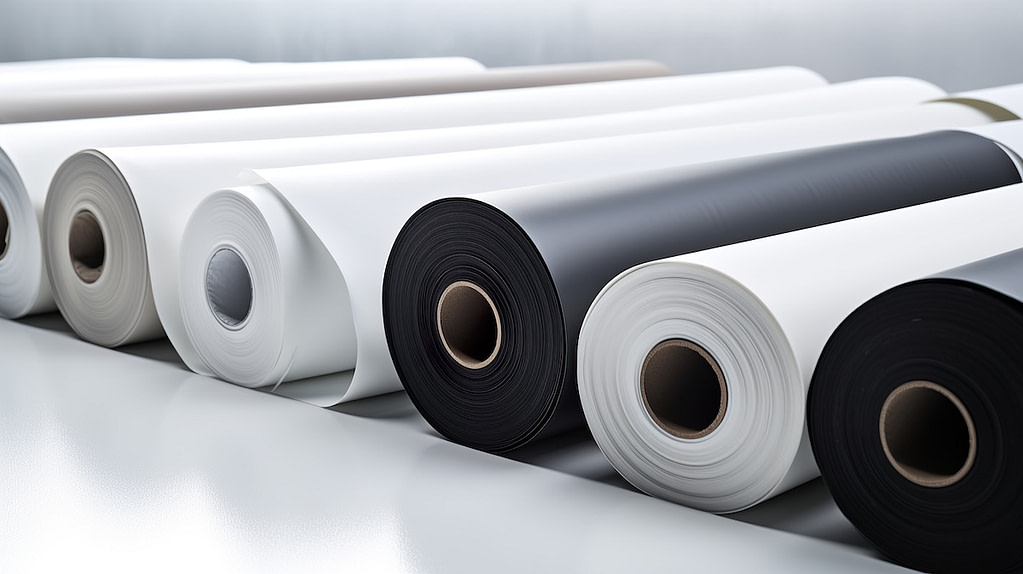
Each commercial roofing system has its strengths and limitations. Here’s an overview of the most common materials and how they compare in terms of performance, maintenance, and lifespan.
EPDM Roofing (Rubber Membrane)
EPDM roofing is one of the most popular options for flat or low-slope commercial buildings. Made from durable synthetic rubber, it provides excellent flexibility and weather resistance.
- Average lifespan: 25–30 years with regular maintenance.
- Maintenance: Minimal, though seams should be checked periodically.
- Best for: Buildings in cooler climates or those needing budget-friendly solutions.
Because EPDM absorbs heat, reflective coatings can be applied to improve energy efficiency in warmer regions.
TPO Roofing (Thermoplastic Polyolefin)
TPO is a single-ply membrane that has grown in popularity for its energy-efficient white surface and weldable seams.
- Average lifespan: 20–30 years depending on installation quality.
- Maintenance: Annual inspection for punctures and seam integrity.
- Best for: Commercial buildings seeking energy savings and low maintenance.
TPO’s reflective surface helps reduce heat absorption, lowering cooling costs for large facilities such as warehouses or shopping centers.
PVC Roofing (Polyvinyl Chloride)
PVC roofing is another single-ply system valued for its chemical resistance and long-term reliability.
- Average lifespan: 25–35 years.
- Maintenance: Very low; resistant to chemicals, grease, and UV rays.
- Best for: Restaurants, factories, or buildings with rooftop exhaust systems.
PVC’s welded seams provide exceptional waterproofing, making it a preferred choice in humid or coastal environments.
Metal Roofing Systems
Metal roofing remains one of the longest-lasting commercial roofing types. It can be made from aluminum, galvanized steel, or copper, and is suitable for sloped or curved designs.
- Average lifespan: 40–70 years depending on material and coating.
- Maintenance: Occasional inspections for fastener tightness and corrosion.
- Best for: Buildings needing durability and modern aesthetics.
While more expensive upfront, metal roofing offers unmatched longevity and strong wind resistance, especially valuable for properties in storm-prone areas.
Modified Bitumen Roofing
Modified bitumen systems combine asphalt with polymer reinforcements for strength and flexibility. They’re often installed in multiple layers for added protection.
- Average lifespan: 20–25 years.
- Maintenance: Requires regular inspection of seams and flashings.
- Best for: Smaller commercial roofs or those needing high puncture resistance.
This traditional system remains reliable and cost-effective for many mid-sized commercial applications.
Built-Up Roofing (BUR)
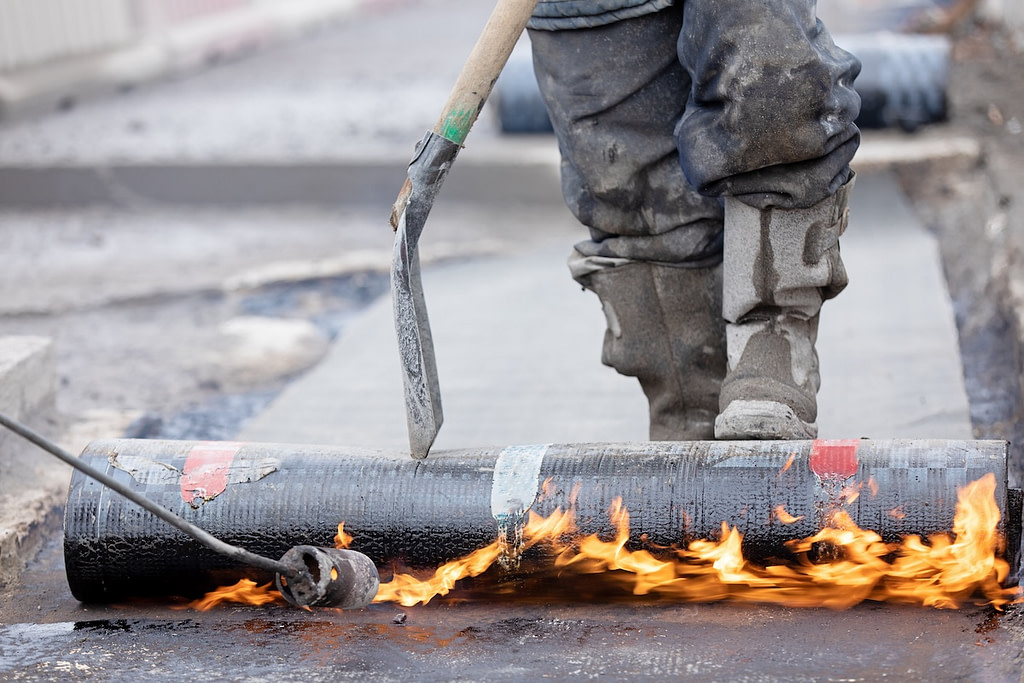
Built-up roofing, also known as tar and gravel roofing, has been used for over a century. It consists of alternating layers of bitumen and reinforcing fabric.
- Average lifespan: 20–30 years depending on the number of layers.
- Maintenance: Periodic surface gravel replenishment and leak inspection.
- Best for: Flat roofs that require strong waterproofing and insulation.
Though heavy, BUR systems deliver proven durability and excellent protection against standing water.
Comparing Lifespans of Commercial Roofing Systems
The expected lifespan of a commercial roof depends on material quality, installation methods, and ongoing maintenance. Proper care can often extend these averages by 5–10 years or more.
| Roof Type | Average Lifespan | Maintenance Level | Energy Efficiency |
| EPDM Rubber | 25–30 years | Low | Moderate |
| TPO Membrane | 20–30 years | Low | High |
| PVC Membrane | 25–35 years | Low | High |
| Metal Roofing | 40–70 years | Moderate | High |
| Modified Bitumen | 20–25 years | Moderate | Moderate |
| Built-Up Roofing | 20–30 years | High | Moderate |
These estimates assume routine inspections and timely repairs to address small issues before they develop into larger structural concerns.
6 Key Factors That Affect Roof Longevity
No matter which system you choose, your roof’s actual lifespan will depend on how it’s designed, installed, and maintained.
- Material Quality
Higher-grade materials, reinforced membranes, and protective coatings all contribute to longer service life and better performance. - Installation Technique
Even premium products fail early when poorly installed. Hiring certified contractors ensures adherence to manufacturer specifications and warranties. - Climate and Weather
Exposure to heavy snow, high winds, or UV radiation impacts longevity. Systems like metal or PVC excel in harsh conditions. - Maintenance Practices
Regular inspections, cleaning, and minor repairs prevent small leaks from escalating into major failures. - Roof Usage
Roofs that support heavy equipment or frequent foot traffic experience faster wear and may require reinforced systems. - Drainage and Design
Poor drainage leads to ponding water, which accelerates deterioration. A properly designed slope extends membrane life significantly.
Energy Efficiency Across Roofing Systems
Energy efficiency is a growing concern for commercial property owners. The roofing material you select directly affects how your building absorbs and reflects heat.
Reflective Roof Surfaces
- White TPO or PVC membranes: Reflect up to 80% of sunlight, keeping buildings cooler.
- Coated metal systems: Deflect solar radiation and reduce HVAC strain.
- Modified bitumen with reflective coatings: Provide affordable efficiency upgrades.
Insulation Integration
- Improved R-values: Insulated roof assemblies retain indoor temperatures better.
- Reduced operating costs: Lower energy use translates to measurable savings.
- Environmental impact: Energy-efficient systems reduce carbon emissions and support sustainability goals.
Investing in a roof that balances energy efficiency and durability can yield both immediate and long-term financial benefits.
Maintenance Tips to Extend Roof Lifespan
Even the most durable commercial roofs require consistent care to maintain peak performance.
Routine Inspections
- Semiannual schedule: Inspect twice a year — before and after severe weather seasons.
- Check drainage: Clear debris from gutters, scuppers, and downspouts.
- Monitor seams and flashings: Look for separation or adhesive failure.
Preventive Repairs
- Seal cracks early: Prompt repair prevents membrane damage from spreading.
- Maintain coatings: Reapply reflective or waterproof coatings as needed.
- Document repairs: Keep detailed maintenance records for warranty compliance.
Routine maintenance ensures your roofing system performs as designed and extends its lifespan by many years.
Protect Your Commercial Investment
At Young Construction, we help business owners choose and maintain the best commercial roofing types for their unique properties. Our experienced team installs, repairs, and replaces all major flat and low-slope roofing systems using materials built for strength, efficiency, and longevity.
Whether you’re exploring a new installation or considering replacement options, our experts can help you compare systems and select the perfect fit. Contact Young Construction today for a free consultation and discover how the right commercial roofing solution can protect your investment for decades to come.