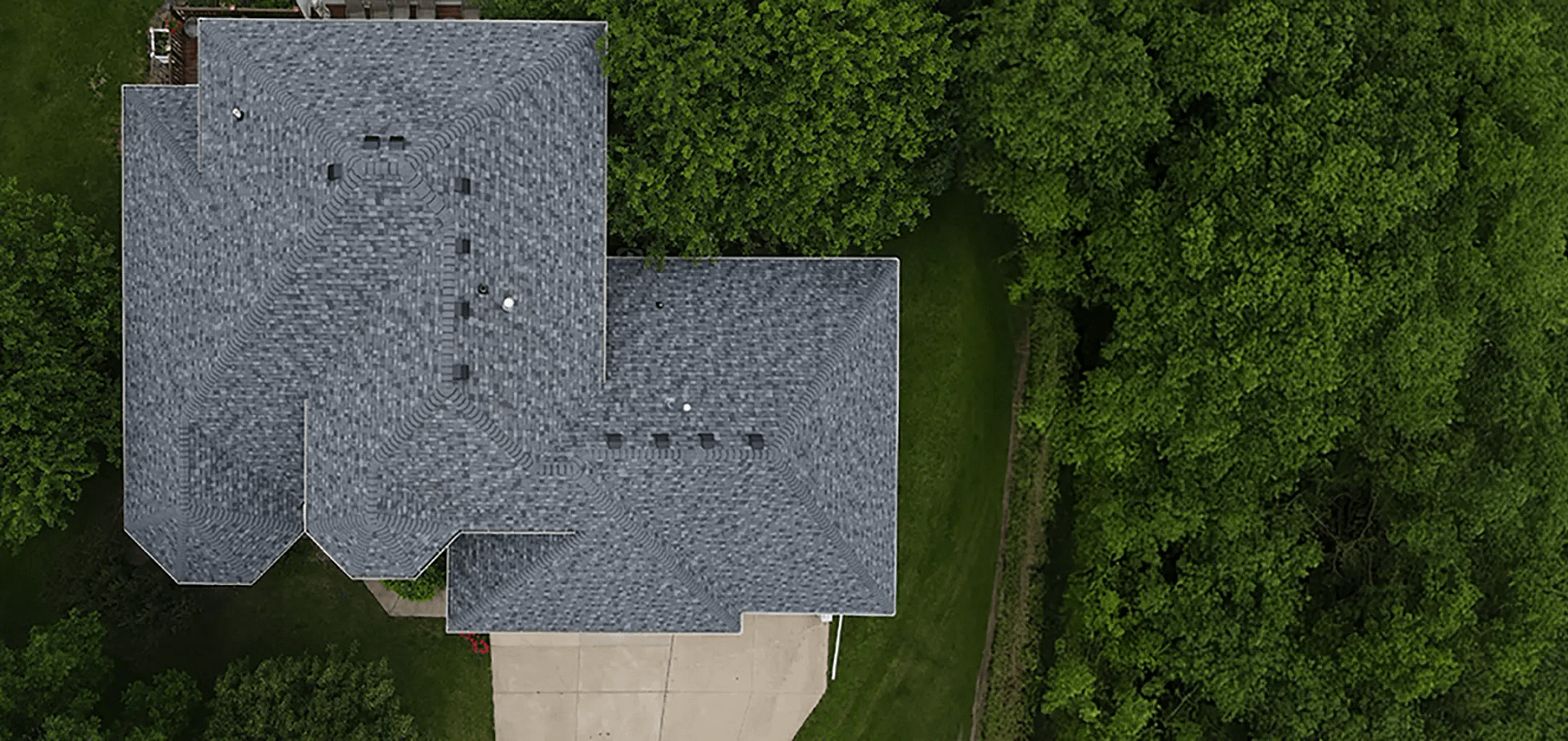
Many homeowners ask does vinyl siding fade over time, especially after years of exposure to sun, wind, and changing weather conditions. Vinyl siding is known for its durability and low maintenance, but like any exterior material, it can experience gradual color changes depending on climate, sunlight exposure, and material quality. Understanding how fading occurs and how to minimize it can help homeowners protect their siding and maintain curb appeal for many years.
- Sun exposure: Long term UV exposure can gradually affect siding color.
- Material quality: Higher quality vinyl siding resists fading longer.
- Preventive care: Proper cleaning and maintenance help preserve color.
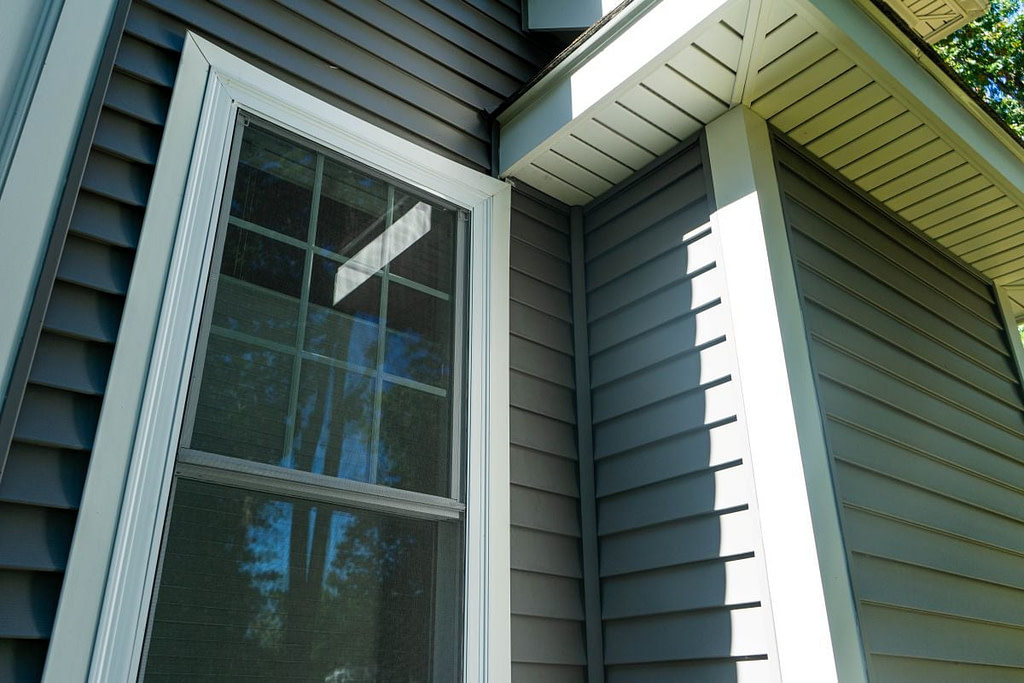
Why Vinyl Siding Can Fade Over Time
Vinyl siding is manufactured with color pigments that are blended throughout the material. This design helps maintain color longer than painted siding, but exposure to environmental elements can still impact its appearance. Over many years, ultraviolet rays from the sun slowly break down color pigments, which can cause siding to lighten or change shade.
Other environmental factors can also contribute to color fading. Pollution, dirt buildup, and extreme weather conditions may affect the surface appearance of siding panels. Fortunately, modern vinyl siding products are engineered with improved UV protection, which significantly slows the fading process compared to older materials.
7 Facts Homeowners Should Know About Vinyl Siding Fading
Understanding how vinyl siding performs over time helps homeowners make informed decisions about maintenance and exterior upgrades.
1. Sunlight Is the Main Cause of Fading
Ultraviolet radiation from the sun is the primary reason vinyl siding may gradually lose its color intensity. Homes that receive direct sunlight throughout the day are more likely to experience noticeable fading.
- South facing walls: Often receive the strongest sun exposure.
- Dark colors: May show fading more noticeably over time.
- UV exposure: Long term sunlight slowly breaks down color pigments.
Modern siding materials include UV inhibitors that help slow this process.
2. Modern Vinyl Siding Is More Fade Resistant
Manufacturing technology has improved significantly over the years. Many modern vinyl siding products include advanced pigments and protective additives designed to resist fading.
- Improved pigments: Provide longer lasting color stability.
- UV inhibitors: Help protect the surface from sun damage.
- Thicker panels: Often maintain color better than thinner materials.
These improvements allow newer siding products to maintain their appearance much longer than earlier versions.
3. Darker Colors May Fade Faster
While darker siding colors can create dramatic curb appeal, they may show fading more easily than lighter shades.
- Higher heat absorption: Dark colors absorb more sunlight.
- Visible color changes: Even small fading differences may be noticeable.
- Temperature effects: Heat can slightly accelerate pigment breakdown.
Lighter siding colors often maintain their appearance longer in sunny climates.
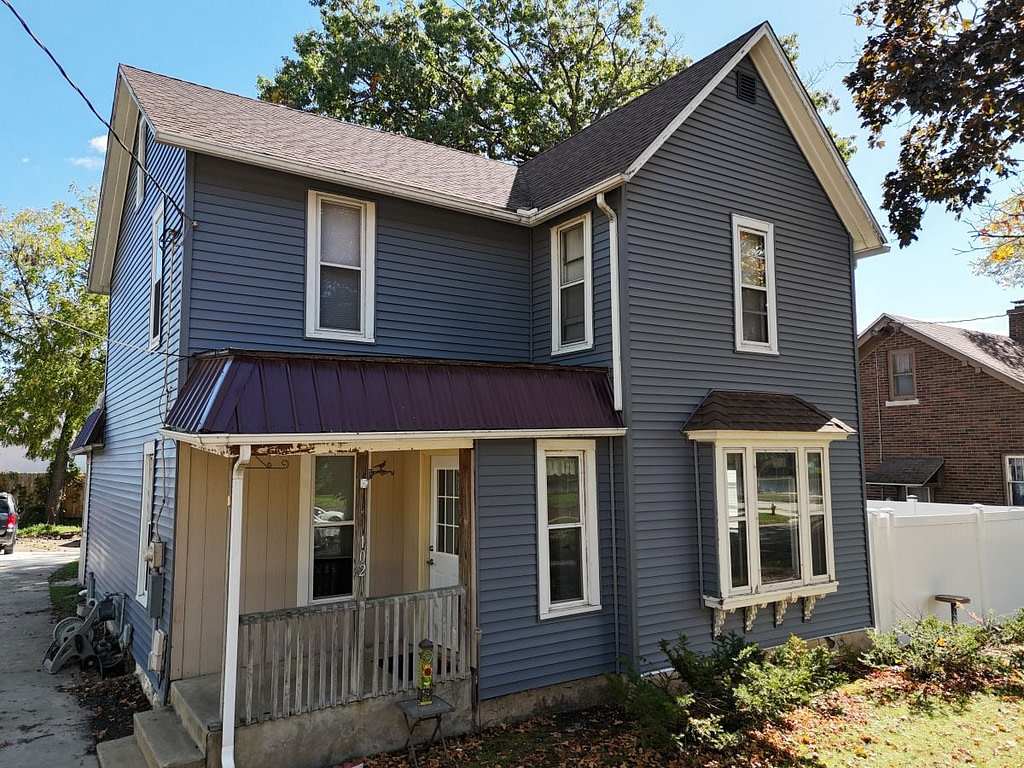
Factors That Influence Vinyl Siding Fading
Several environmental and installation factors can affect how quickly vinyl siding fades.
Climate and Weather Conditions
Different climates can influence siding performance over time. Homes in regions with strong sunlight or extreme temperatures may experience faster fading compared to milder climates.
- High UV regions: Increased sun exposure accelerates color change.
- Temperature fluctuations: Expansion and contraction can impact surface wear.
- Severe weather: Wind driven debris may affect siding appearance.
Climate conditions play an important role in long term siding performance.
Material Quality and Manufacturing
Not all vinyl siding is produced with the same quality standards. Premium siding products typically include better pigments and stronger UV protection.
- Higher grade materials: Designed to resist fading longer.
- Better manufacturing processes: Ensure consistent color distribution.
- Longer warranties: Often reflect improved fade resistance.
Choosing quality siding materials helps preserve color and durability.
Installation and Maintenance
Proper installation and regular maintenance can also influence how siding ages.
- Correct installation: Ensures siding panels perform as designed.
- Routine cleaning: Removes dirt that may dull the surface appearance.
- Inspection and upkeep: Helps identify early signs of wear.
Maintaining siding properly helps preserve its original appearance.
How to Reduce Vinyl Siding Fading
While some gradual fading is natural over time, homeowners can take steps to slow the process and maintain their siding’s appearance.
Choose Quality Siding Materials
- Look for UV protection: Many premium products include fade resistant additives.
- Consider lighter colors: Lighter shades often maintain appearance longer.
- Review warranties: Fade protection may be included in manufacturer coverage.
Investing in high quality materials provides better long term performance.
Keep Siding Clean
- Remove dirt and debris: Regular cleaning prevents buildup that can dull color.
- Use gentle cleaning solutions: Mild soap and water are often sufficient.
- Avoid harsh chemicals: Strong cleaners may damage the siding surface.
Routine cleaning helps keep siding looking bright and well maintained.
Protect Siding From Environmental Factors
- Trim nearby trees: Reduces debris and surface scratches.
- Maintain gutters: Prevents water stains from overflowing gutters.
- Inspect annually: Look for damage or discoloration.
Preventive care helps preserve siding appearance and performance.
Signs Your Vinyl Siding May Be Fading
Recognizing fading early helps homeowners determine whether maintenance or replacement may be necessary.
Uneven Color Across the Exterior
- Sun exposed areas: Walls facing direct sunlight may appear lighter.
- Shade differences: Covered areas may retain darker original color.
- Patchy appearance: Gradual fading can create uneven color variation.
These changes typically occur slowly over many years.
Chalky or Powdery Surface
- Oxidation effect: UV exposure may cause a chalky residue on siding surfaces.
- Surface dullness: Color may appear less vibrant than before.
- Cleaning improvement: Washing the siding may temporarily restore brightness.
Chalking is a common sign of long term sun exposure.
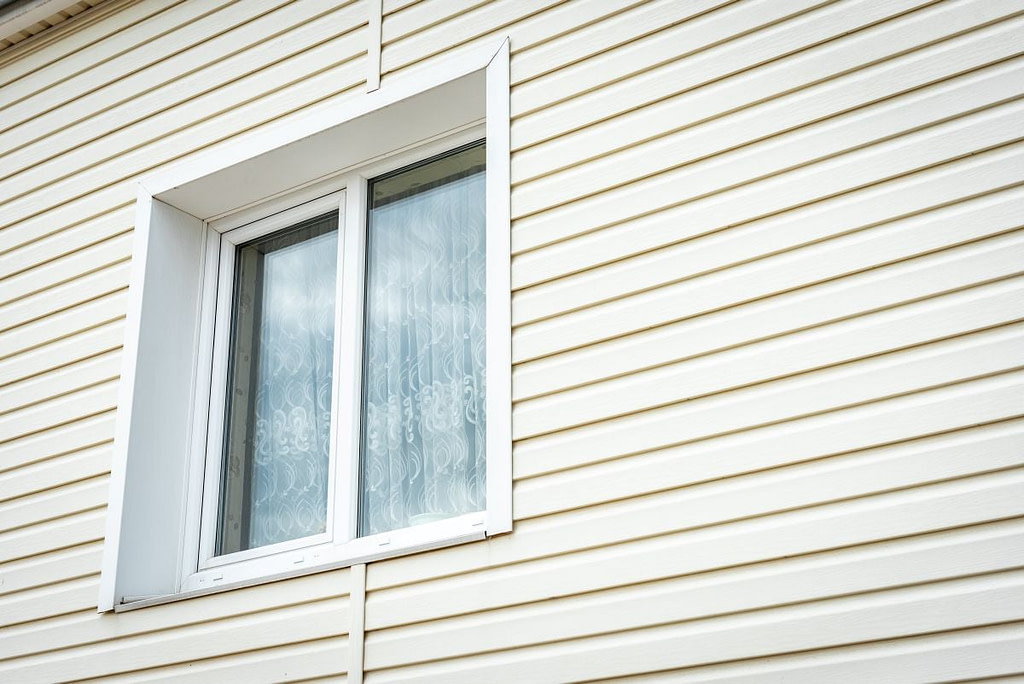
How Long Vinyl Siding Typically Lasts
Vinyl siding is designed to last for decades with proper care. Many modern products can maintain their color and structural integrity for 20 to 40 years depending on environmental conditions.
Higher quality siding products often include warranties that protect against excessive fading. While some gradual color change is natural, major fading issues are far less common with modern siding materials.
Regular maintenance and periodic inspections help ensure vinyl siding continues protecting your home effectively.
Keep Your Home Exterior Looking Its Best With Young Construction
Understanding does vinyl siding fade helps homeowners make informed decisions about exterior materials and maintenance. With proper care and high quality siding products, homeowners can enjoy long lasting curb appeal and reliable protection.
A well maintained exterior protects your home from weather while enhancing its overall appearance. Learning how siding materials perform over time helps homeowners preserve their investment and avoid costly repairs.
Protect your home’s exterior with durable siding and expert craftsmanship. Contact Young Construction today for a free estimate and discover how professional exterior solutions can help keep your home looking beautiful and protected for years to come.