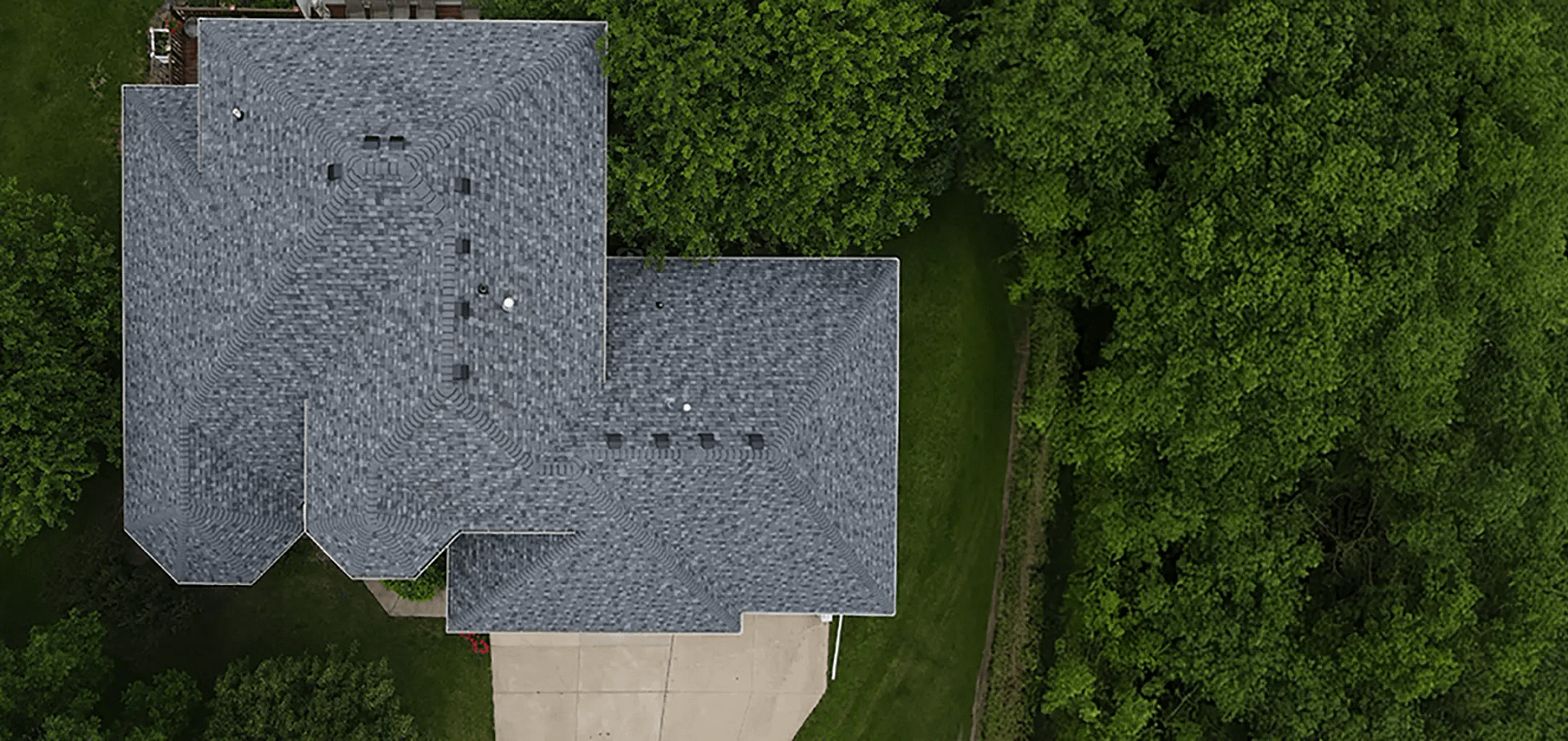
When a storm hits or a sudden leak appears, knowing how to handle emergency roof leak repair can save you from costly water damage and interior repairs. Acting quickly minimizes structural harm, protects your belongings, and keeps your home safe until professional help arrives.
- Immediate response: Quick action can stop water from spreading indoors.
- Damage control: Protects ceilings, insulation, and electrical systems.
- Peace of mind: Helps prevent costly long-term repairs.
Why Quick Roof Leak Response Is Essential
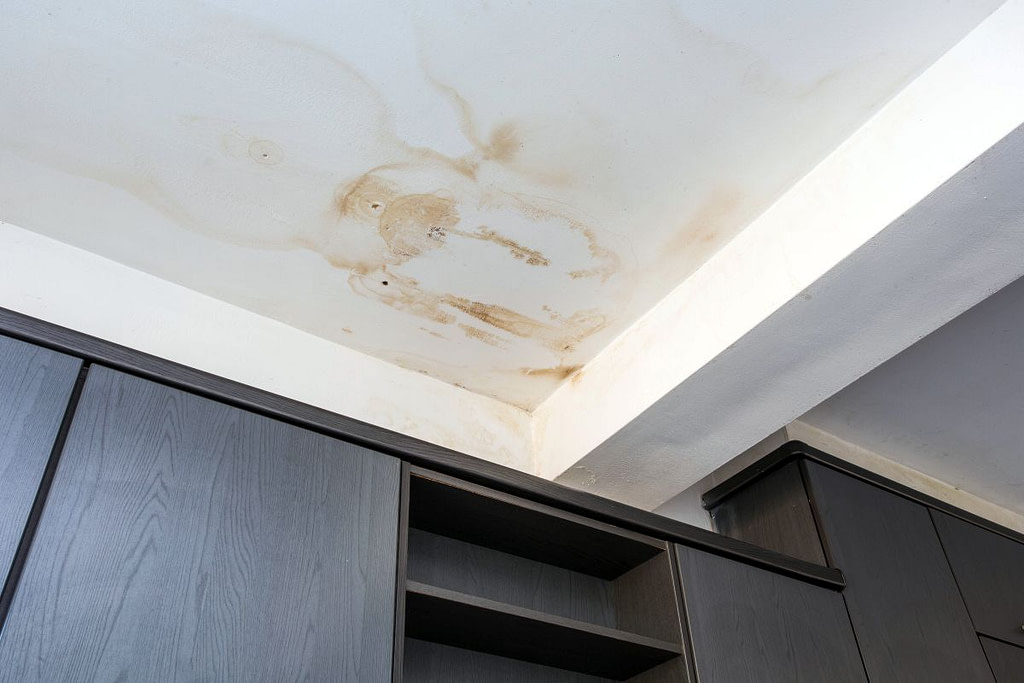
A small roof leak can escalate into a major problem within hours. Once water seeps through the outer layers of your roofing system, it can saturate insulation, stain drywall, and even compromise structural supports. Taking quick, temporary measures helps control the situation until an expert can assess and repair the damage.
Roof leaks can occur for many reasons, including wind-driven rain, missing shingles, flashing failures, or clogged gutters. Regardless of the cause, early action is key to preventing secondary damage like mold or rot.
Common Causes of Roof Leaks
Understanding what typically causes roof leaks can help you respond more effectively when they occur.
Typical Leak Triggers
- Storm damage: High winds or hail can dislodge shingles and open seams.
- Flashing failure: Gaps form where roof sections meet chimneys or vents.
- Clogged gutters: Standing water forces moisture beneath shingles.
- Aging materials: Shingles and sealants lose flexibility over time.
- Punctures: Falling debris or branches can create small openings.
Knowing where leaks are likely to start makes it easier to locate the source and take immediate action.
7 Emergency Roof Leak Repair Tips
When you discover a roof leak, follow these seven steps to control the damage and keep your home safe until professional repairs can be completed.
1. Locate the Source of the Leak
The first step in emergency roof leak repair is identifying where the water is coming from. Sometimes, the visible drip inside your home doesn’t align with the actual roof penetration point.
Inspect your attic for damp insulation, water stains, or mold growth. Follow the path of the moisture to find the highest point of intrusion. If safe to do so, check for missing shingles or flashing damage from the exterior once the weather clears.
- Tip: Never climb onto a wet or slippery roof — wait until it’s dry or call a professional.
2. Contain Interior Water Damage
Once you’ve found where the water is entering, take steps to prevent it from spreading. Move furniture, electronics, and valuables away from the affected area.
Place a bucket or large container beneath the leak to collect dripping water. For persistent leaks, line the floor with towels or tarps to protect flooring and baseboards.
- Bonus Tip: If the ceiling bulges, carefully puncture it with a small hole to release trapped water and prevent collapse.
3. Temporarily Patch the Leak From Inside
If the leak is accessible from your attic, a temporary patch can help slow water intrusion.
Use a piece of heavy plastic sheeting or waterproof tarp to cover the affected area. Secure it with roofing nails, duct tape, or staples, making sure the edges overlap dry sections of the roof deck.
- Quick fix: Roofing tape or sealant can also help close small openings temporarily.
This measure won’t stop the leak completely, but it can prevent additional water from entering until professional repairs are made.
4. Cover the Roof With a Tarp (If Safe)
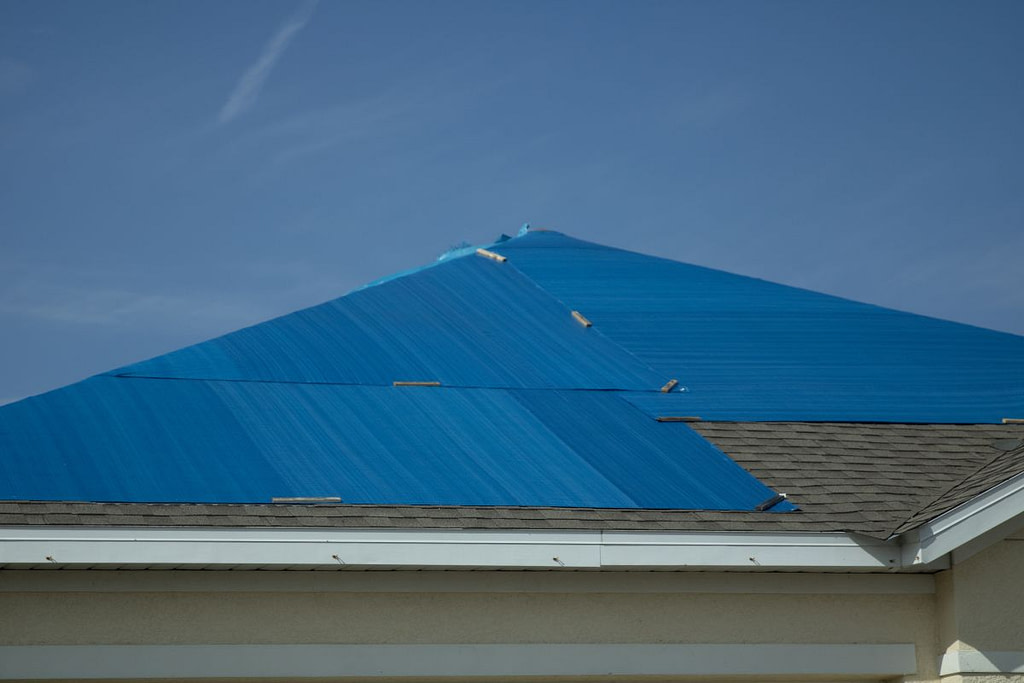
If weather conditions allow, and the roof is dry enough for safe access, covering the damaged area with a waterproof tarp is one of the most effective temporary fixes.
Cut the tarp large enough to cover the leak and extend several feet past the damaged area. Use nails, sandbags, or heavy boards to secure the edges, ensuring water can flow freely off the tarp.
- Safety first: Always have another person assist and use a stable ladder.
- Avoid risky areas: Stay clear of steep slopes and wet surfaces.
This simple step can prevent thousands of dollars in interior damage during ongoing rain.
5. Clear Gutters and Downspouts
Clogged gutters are one of the most common causes of roof leaks, especially during heavy rain. Debris buildup prevents water from draining properly, forcing it beneath shingles or into fascia boards.
If conditions are safe, remove leaves, twigs, and debris from gutters and downspouts to restore water flow.
- Use gloves: Protect your hands from sharp edges and debris.
- Flush with water: Run a garden hose through the system to confirm proper drainage.
- Avoid overreaching: Always maintain a firm footing on the ladder.
A clean gutter system can drastically reduce further water intrusion.
6. Document the Damage
Even if you plan to handle repairs privately, documenting roof damage is an important step for future maintenance or insurance discussions.
Take clear photos of the leak, both indoors and outdoors, along with any damaged materials. Keep a written record of the date, weather conditions, and temporary repairs you performed.
- Organize documentation: Store digital copies in the cloud for easy access.
- Track repairs: Record expenses for materials used during emergency measures.
This documentation provides valuable insight for contractors and helps ensure nothing is overlooked during permanent repairs.
7. Schedule a Professional Inspection
After you’ve stabilized the situation, contact a qualified roofing contractor to conduct a full inspection and determine the best repair solution.
Professionals will assess not only the visible damage but also the underlying components, including decking, insulation, and flashing. They’ll provide a detailed repair plan to restore your roof’s integrity.
- Prompt scheduling: Arrange an inspection as soon as weather conditions permit.
- Long-term assessment: Determine if full replacement is more cost-effective than repeated repairs.
Having a trusted roofing professional assess the situation ensures your roof remains watertight and structurally secure for years to come.
Preventing Future Roof Leaks
Once the immediate emergency has passed, implementing preventive measures can help you avoid similar issues in the future.
Maintenance Recommendations
- Inspect annually: Schedule professional roof inspections at least once per year.
- Clean gutters: Keep drainage systems free of debris year-round.
- Trim overhanging branches: Prevent punctures from falling limbs.
- Check flashing: Ensure seals remain intact around vents and chimneys.
- Address minor repairs quickly: Small issues often lead to bigger problems.
These small steps go a long way toward preventing emergency roof leaks during storms.
Common Mistakes To Avoid During a Roof Leak Emergency
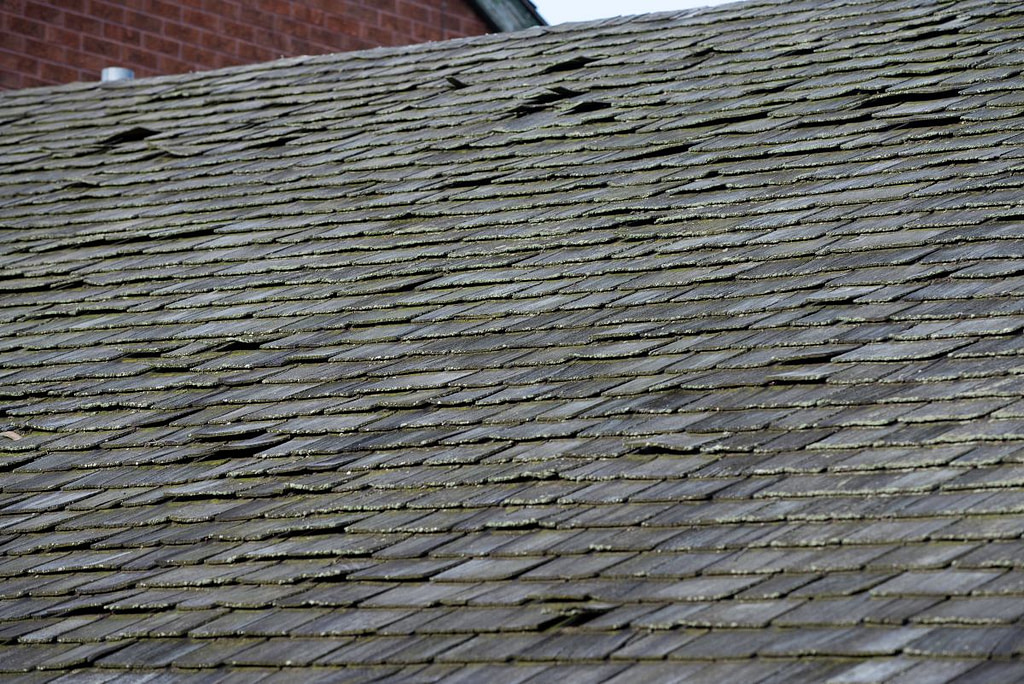
Even well-meaning homeowners can make critical mistakes during a leak situation that worsen the problem.
Avoid These Errors
- Climbing a wet roof: Slippery conditions greatly increase accident risk.
- Ignoring minor drips: Small leaks often hide major structural issues.
- Using high-pressure washers: They can dislodge shingles and flashing.
- Delaying professional help: Waiting too long allows more damage to occur.
Staying calm and taking the right steps ensures your quick fixes hold until experts arrive.
Protect Your Home With Young Construction
When dealing with storm damage or sudden leaks, taking quick action makes all the difference. These emergency roof leak repair tips can help you protect your property until a professional assessment can be made.
Why Homeowners Trust Young Construction
- Reliable expertise: We educate homeowners on how to protect their roofs during emergencies.
- Commitment to quality: Every repair and replacement is built to last.
- Proactive solutions: We emphasize preventive maintenance to minimize future risks.
If your home has suffered storm damage or recurring leaks, professional help ensures lasting protection. Contact Young Construction today for a free estimate and get expert guidance on restoring your roof’s strength, efficiency, and reliability.