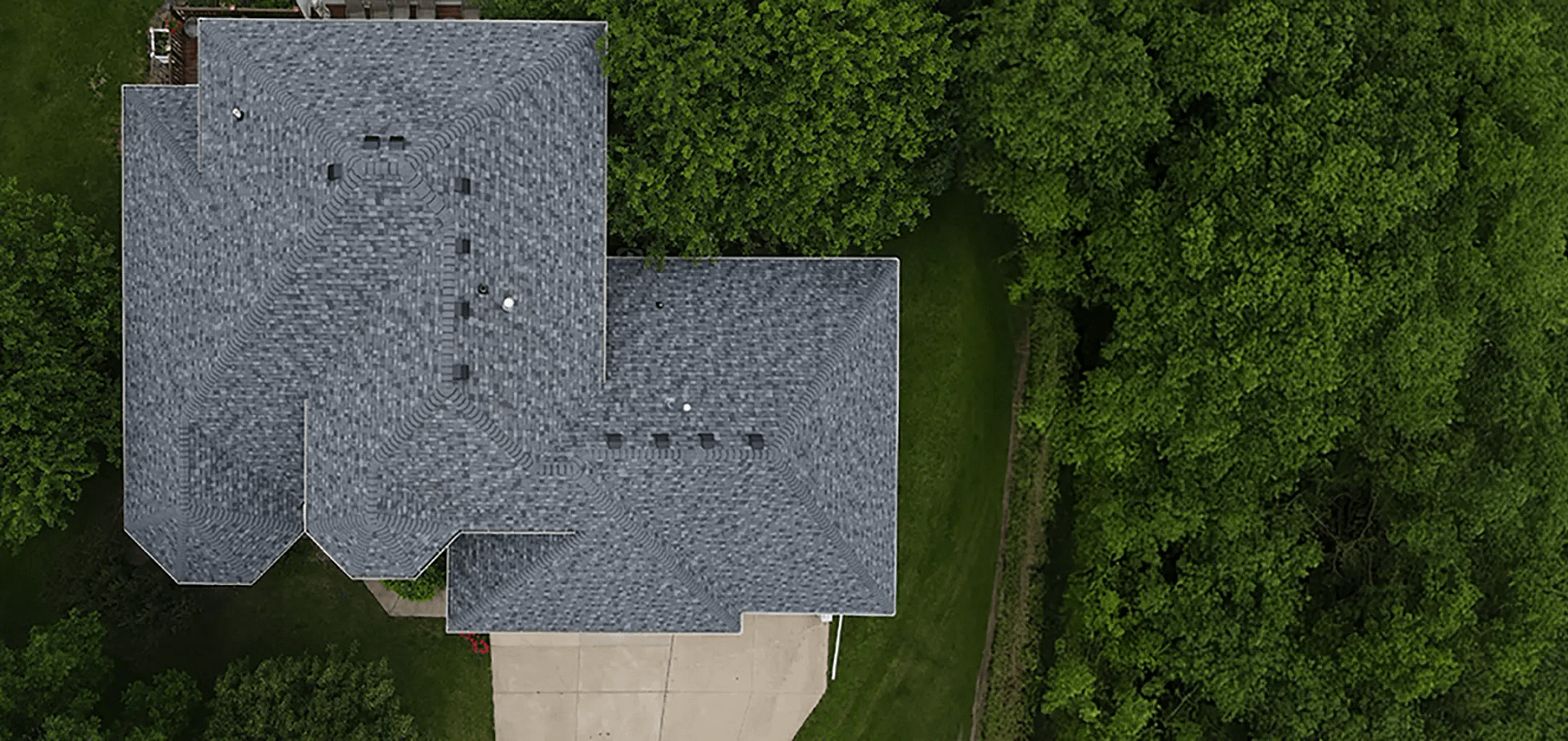
Knowing when to call an emergency roofing contractor after a storm can make the difference between minor repairs and major structural damage. Storms can cause both visible and hidden issues, and acting quickly helps protect your home from water intrusion, mold growth, and long-term deterioration. Understanding the warning signs ensures you get the help you need at the right time.
- Fast response: Quick action helps prevent further damage.
- Safety protection: Professionals handle dangerous roof conditions safely.
- Damage control: Early intervention reduces repair severity.
Why Timing Matters After Storm Damage
After a storm, your roof may have sustained damage that is not immediately visible. High winds, hail, and heavy rain can loosen shingles, damage flashing, or create small openings where water can enter. These issues can quickly worsen if left untreated.
Waiting too long to call an emergency roofing contractor can allow water to penetrate deeper into your home’s structure. This can lead to insulation damage, ceiling stains, and even structural weakening. Acting quickly helps minimize these risks and keeps repair costs manageable.
6 Signs You Should Call an Emergency Roofing Contractor
Certain warning signs indicate that immediate professional attention is necessary. Recognizing these signs helps homeowners respond quickly and protect their property.
1. Active Roof Leaks
- Water dripping: Visible leaks during or after a storm.
- Ceiling stains: Discoloration indicating moisture intrusion.
- Worsening conditions: Leaks that spread or become more severe.
Active leaks require immediate attention to prevent interior damage.
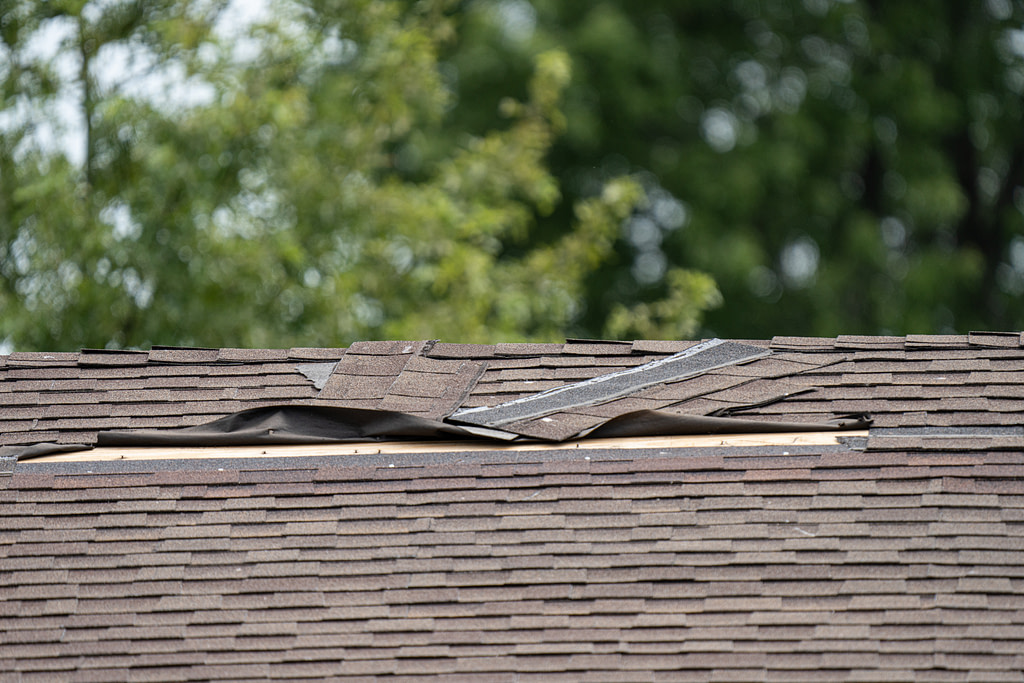
2. Missing or Severely Damaged Shingles
- Bare roof areas: Missing shingles expose underlayment.
- Cracked or curled shingles: Indicate storm impact or aging.
- Wind damage: Shingles may be lifted or blown off.
Significant shingle damage leaves your roof vulnerable to water intrusion.
3. Fallen Debris on the Roof
- Tree branches: Heavy limbs can puncture roofing materials.
- Impact damage: Debris may create holes or cracks.
- Visible structural issues: Sagging or displaced roofing sections.
Debris damage often requires urgent inspection and repair.
4. Sagging or Structural Concerns
- Uneven rooflines: Indicates possible structural weakening.
- Soft spots: Areas that feel unstable or weakened.
- Interior signs: Cracks in ceilings or walls.
Structural issues should be addressed immediately for safety reasons.
5. Damaged Flashing or Roof Penetrations
- Loose flashing: Around chimneys, vents, or skylights.
- Gaps or openings: Allow water to enter the roof system.
- Seal failure: Damaged sealant can lead to leaks.
Flashing damage is a common cause of post-storm leaks.
6. Gutter and Drainage Damage
- Detached gutters: Can affect water flow and roof edges.
- Overflow issues: Indicate drainage problems.
- Water pooling: May signal blocked or damaged systems.
Proper drainage is essential for preventing further roof damage.
Situations That Require Immediate Emergency Service
Some storm damage situations require urgent attention to prevent serious consequences.
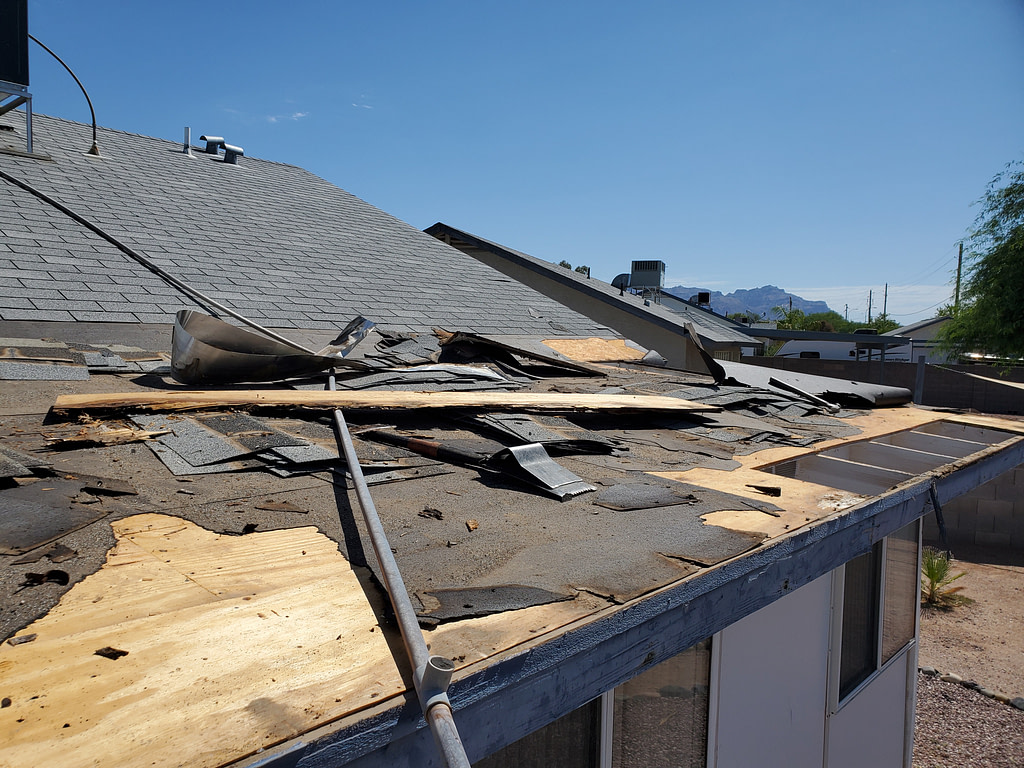
Severe Storm Impact
- High winds or hail: Can cause widespread roof damage.
- Heavy rainfall: Increases the risk of leaks.
- Multiple damage points: Indicate a compromised roofing system.
Severe storms often require immediate professional evaluation.
Ongoing Water Intrusion
- Continuous leaks: Water entering during ongoing rain.
- Interior damage: Ceiling or wall deterioration.
- Moisture buildup: Can lead to mold growth.
Stopping water intrusion quickly is critical.
Safety Hazards
- Unstable roof sections: Risk of collapse or further damage.
- Electrical risks: Water entering near wiring.
- Falling debris: Hazardous conditions around the home.
Emergency roofing contractors are equipped to handle dangerous situations safely.
What to Do Before the Contractor Arrives
While waiting for an emergency roofing contractor, homeowners can take steps to reduce damage and stay safe.
Protect Interior Spaces
- Move valuables: Keep furniture and belongings away from leaks.
- Contain water: Use buckets or towels to manage leaks.
- Limit exposure: Avoid areas with heavy water intrusion.
These steps help minimize interior damage.
Avoid Climbing on the Roof
- Safety risk: Damaged roofs may be unstable.
- Slippery surfaces: Increase the risk of falls.
- Hidden hazards: Structural damage may not be visible.
Leave roof access to professionals.
Document the Damage
- Take photos: Capture visible damage from a safe distance.
- Record timing: Note when the storm occurred.
- Track changes: Monitor worsening conditions.
Documentation helps create a clear record of the situation.
How Emergency Roofing Contractors Help
Emergency roofing contractors provide specialized services to stabilize and protect your roof quickly.
Temporary Protection
- Roof tarping: Covers damaged areas to prevent water intrusion.
- Leak sealing: Stops active leaks temporarily.
- Damage containment: Prevents further deterioration.
Temporary solutions help protect your home immediately.
Damage Assessment
- Comprehensive inspection: Identifies visible and hidden issues.
- Structural evaluation: Ensures the roof is safe and stable.
- Repair planning: Outlines next steps for permanent solutions.
Professional assessments ensure nothing is overlooked.
Permanent Repair Solutions
- Targeted repairs: Fix damaged sections of the roof.
- Material replacement: Restore roofing system performance.
- Full replacement: Recommended for severe damage.
Long-term solutions restore your roof’s integrity.
Protect Your Home by Acting Quickly
Knowing when to call an emergency roofing contractor helps homeowners respond effectively after storm damage. Acting quickly can prevent small issues from becoming major problems and ensure your home remains safe and protected.
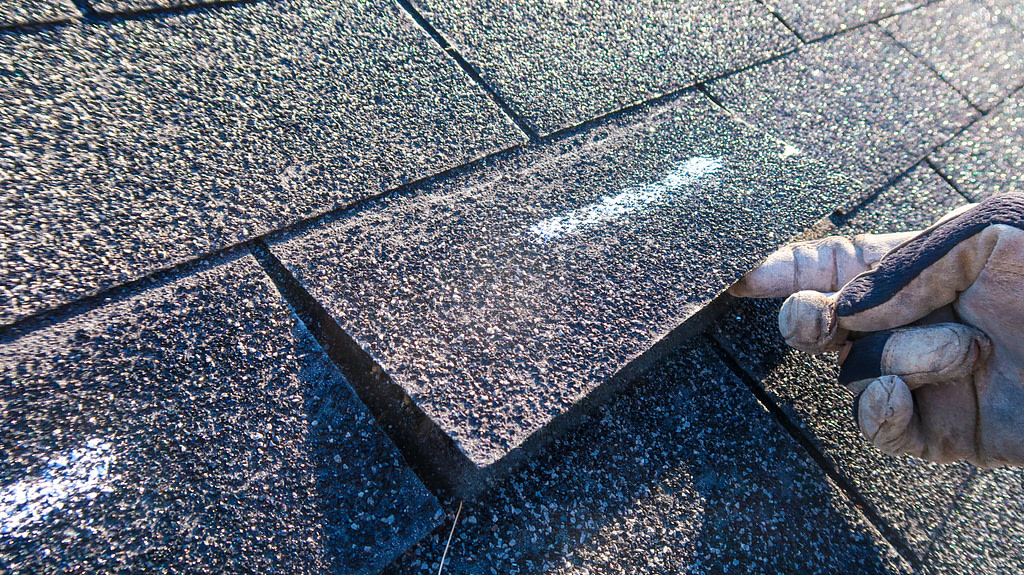
Get Fast, Reliable Help With Young Construction
Storm damage can happen unexpectedly, but taking the right steps ensures your home stays protected. Understanding when to call for emergency roofing services helps you act with confidence and minimize damage.
Why Homeowners Trust Young Construction
- Emergency expertise: Experience handling urgent roofing situations.
- Commitment to quality: Focused on durable, long-term solutions.
- Trusted guidance: Helping homeowners navigate storm damage repairs.
If your roof has been damaged, contact Young Construction today for a free estimate and get expert help restoring your home quickly and effectively.v