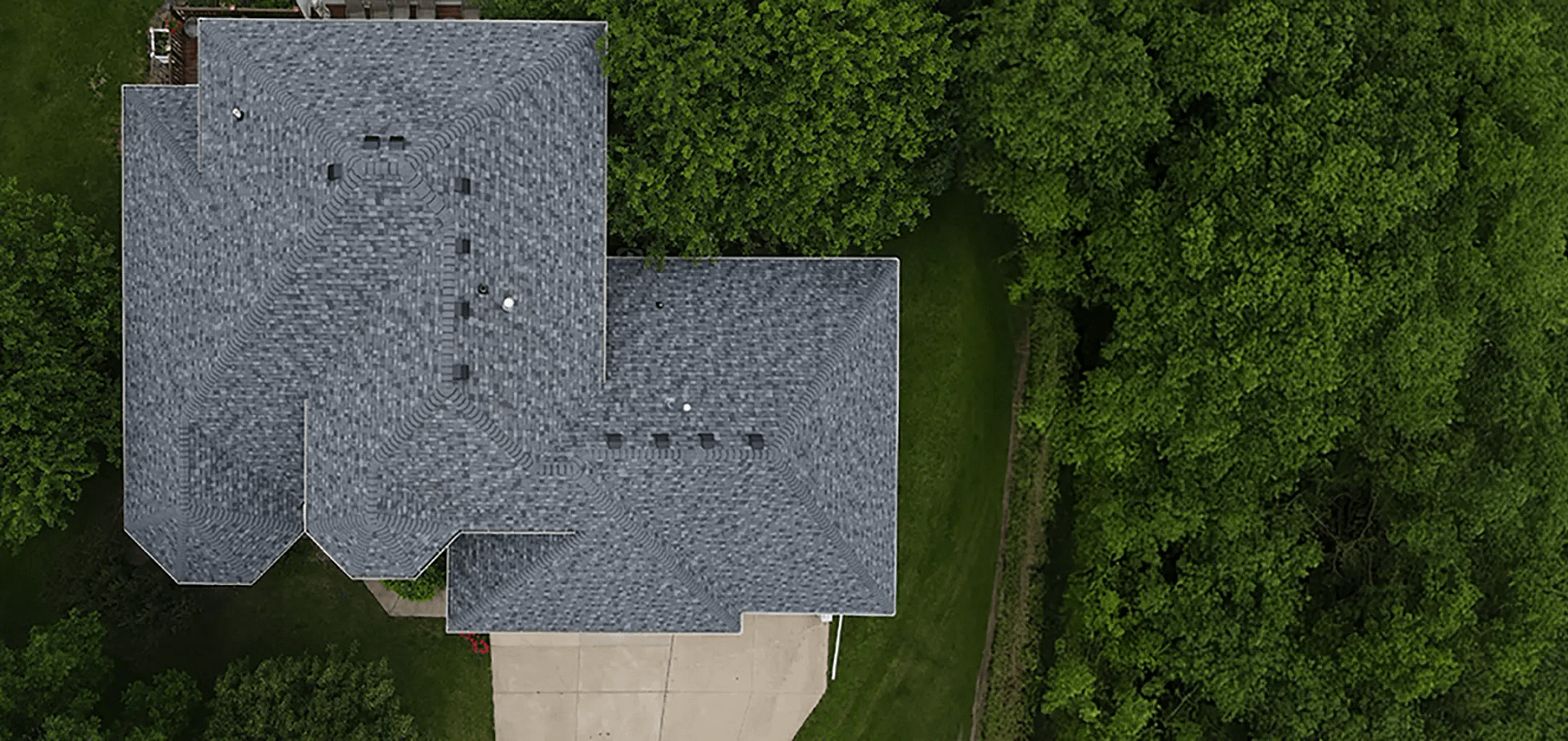
Choosing between fascia gutters and regular gutter systems is an important decision for homeowners looking to improve drainage and protect their home’s exterior. While both options serve the same purpose, they differ in design, installation, appearance, and performance. Understanding these differences helps you choose the best option for your home.
- Design differences: Fascia gutters integrate into the roofline, while regular gutters are attached separately.
- Performance factors: Each system handles water flow differently.
- Aesthetic impact: The choice affects your home’s overall appearance.
What Are Fascia Gutters vs Regular Gutters?
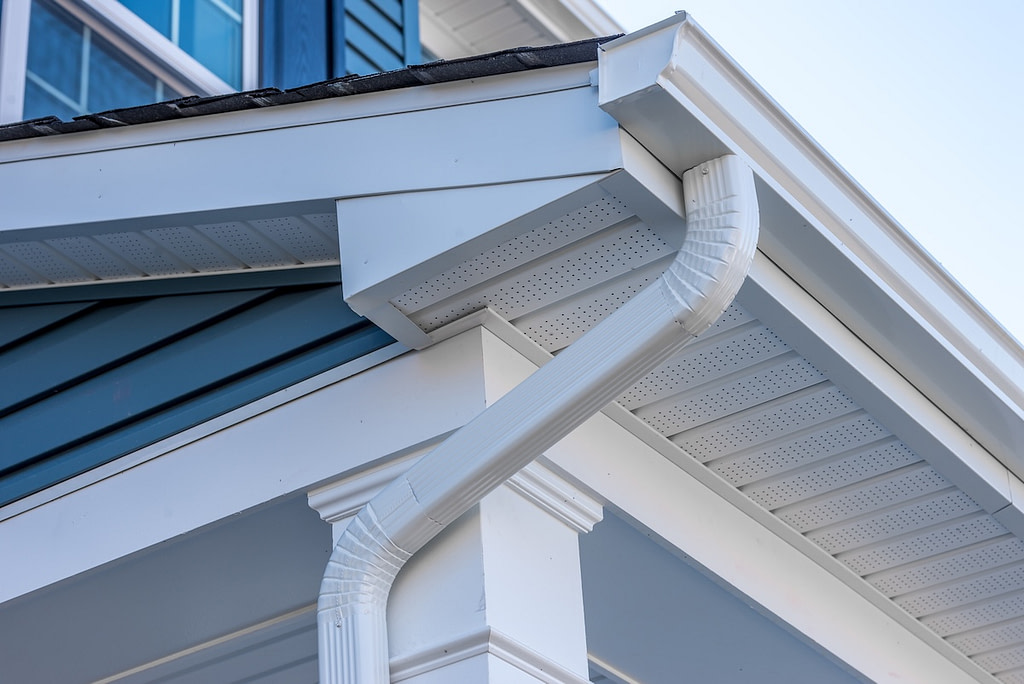
Fascia gutters are built directly into the fascia board, creating a seamless and streamlined look along the roofline. They are often custom-formed and designed to blend into the structure of the home. Regular gutters, on the other hand, are mounted onto the fascia using brackets and are typically sectional or seamless systems that hang slightly away from the roof edge.
Both systems are designed to channel water away from the home, but their construction and installation methods lead to key differences in performance and maintenance.
7 Key Differences Between Fascia Gutters and Regular Gutters
Understanding the differences between these two systems helps homeowners make a more informed decision based on their needs, budget, and home design.
1. Installation Method
- Fascia gutters: Built into or replace the fascia board itself.
- Regular gutters: Attached to the existing fascia with brackets.
Fascia gutters require more specialized installation, while regular gutters are more straightforward.
2. Appearance and Design
- Fascia gutters: Offer a sleek, modern, and integrated look.
- Regular gutters: More visible but available in many styles and colors.
Homeowners focused on curb appeal often prefer the clean look of fascia gutters.
3. Durability and Strength
- Fascia gutters: Often made from stronger materials and built to last.
- Regular gutters: Durability varies depending on material and installation.
Fascia systems can be more robust due to their integrated design.
4. Cost Differences
- Fascia gutters: Typically more expensive due to custom fabrication and installation.
- Regular gutters: More budget-friendly and widely available.
Cost is often a major deciding factor for homeowners.
5. Maintenance Requirements
- Fascia gutters: May require more effort to access for cleaning.
- Regular gutters: Easier to clean and maintain.
Accessibility plays a role in long-term maintenance.
6. Water Capacity and Performance
- Fascia gutters: Often designed to handle larger volumes of water.
- Regular gutters: Performance depends on size and configuration.
Fascia gutters can be beneficial in areas with heavy rainfall.
7. Repair and Replacement
- Fascia gutters: Repairs can be more complex due to integrated design.
- Regular gutters: Easier and less expensive to repair or replace sections.
Regular gutters offer more flexibility when damage occurs.
Pros and Cons of Fascia Gutters
Both systems have advantages and disadvantages that homeowners should consider.
Advantages of Fascia Gutters
- Clean appearance: Blends seamlessly with the home’s exterior.
- High capacity: Handles larger volumes of water efficiently.
- Durability: Often built with stronger materials.
These benefits make fascia gutters appealing for modern homes.
Disadvantages of Fascia Gutters
- Higher cost: More expensive to install.
- Complex repairs: Integrated design can make repairs more difficult.
- Installation requirements: Requires skilled professionals.
These factors may make fascia gutters less practical for some homeowners.
Pros and Cons of Regular Gutters
Regular gutters remain the most common option for residential homes.
Advantages of Regular Gutters
- Affordable: Lower upfront cost compared to fascia systems.
- Easy installation: Faster and less complex process.
- Simple repairs: Individual sections can be replaced بسهولة.
These features make regular gutters a popular choice.
Disadvantages of Regular Gutters
- Visible design: Not as streamlined as fascia gutters.
- Potential leaks: Seams in sectional systems may develop leaks.
- Lower capacity: May require upgrades in heavy rainfall areas.
Despite these drawbacks, regular gutters are reliable and effective.
Which Option Is Right for Your Home?
Choosing between fascia gutters and regular gutters depends on your priorities. Homeowners who value aesthetics and long-term durability may prefer fascia gutters, while those looking for a cost-effective and easy-to-maintain option may choose regular gutters.
It is also important to consider your local climate. Homes in areas with heavy rainfall may benefit from the larger capacity of fascia gutters, while homes in moderate climates may perform well with standard systems.
Protect Your Home With the Right Gutter System
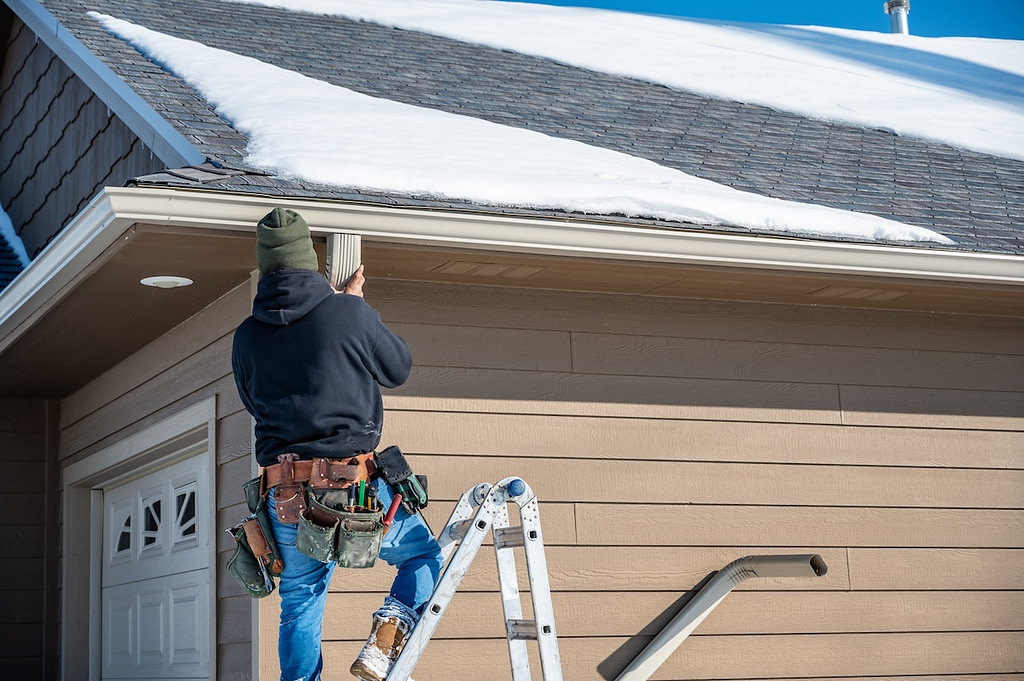
Understanding the differences between fascia gutters and regular gutters helps you choose a system that protects your home from water damage while matching your budget and design preferences.
Your gutter system plays a critical role in protecting your roof, siding, and foundation. Choosing the right type ensures long-term performance and peace of mind.
Why Homeowners Trust Young Construction
- Exterior expertise: Helping homeowners understand gutter systems and options.
- Commitment to quality: Focused on durable, long-lasting solutions.
- Trusted guidance: Providing clear information for confident decisions.
Protect your home with the right gutter solution. Contact Young Construction today for a free estimate and learn how expert exterior services can improve your home’s protection and performance.