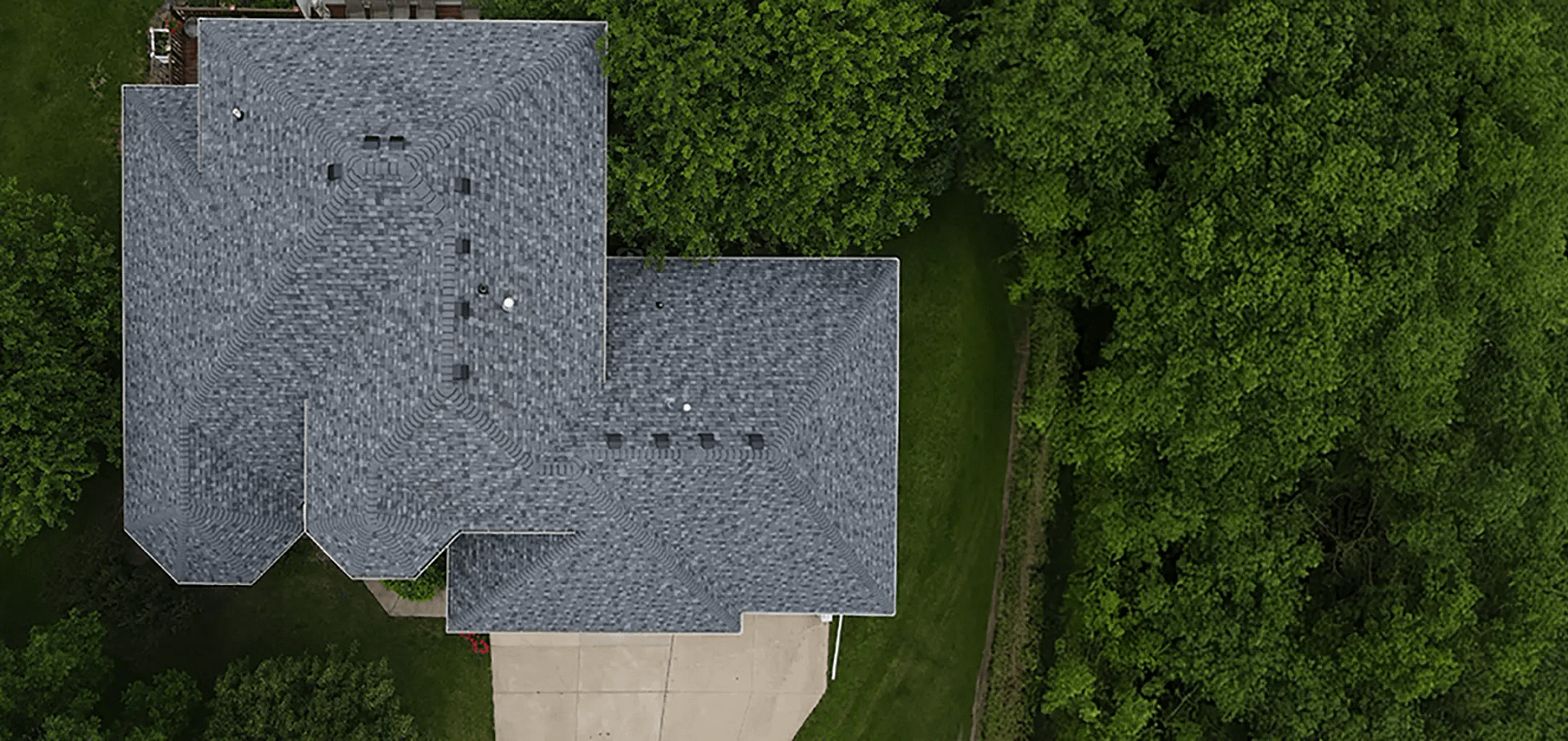
Choosing the right flat roof sealant is an important part of maintaining and protecting commercial roofing systems. Flat roofs are commonly used on office buildings, warehouses, retail centers, and industrial properties because they are cost effective and easy to access for maintenance. However, flat roofs are also more vulnerable to standing water, seam separation, and weather exposure, which makes sealants a valuable tool for preventing leaks and extending roof lifespan.
- Waterproof protection: Sealants help block moisture from entering seams and roof penetrations.
- Extended roof lifespan: Proper sealing can slow down wear and deterioration.
- Preventative maintenance: Routine sealing can reduce the risk of costly repairs.
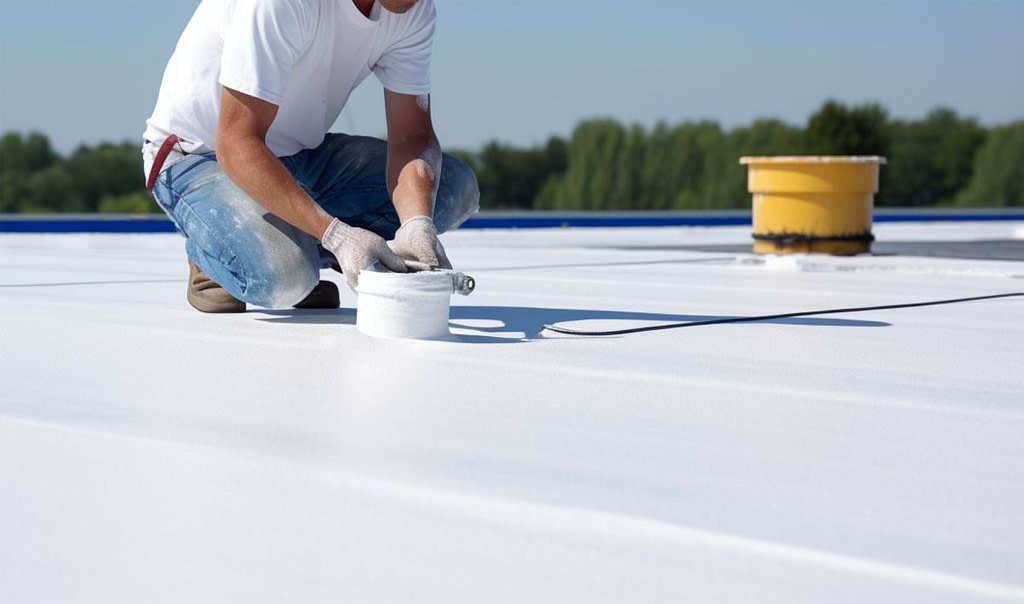
Why Sealants Are Important For Flat Commercial Roofs
Flat commercial roofing systems often include seams, flashing connections, and mechanical penetrations such as vents, HVAC units, and drains. These areas are more vulnerable to water infiltration because they interrupt the continuous roofing membrane. When small cracks or gaps develop, water can penetrate the roof structure and damage insulation, decking, or interior finishes.
Sealants provide an additional protective layer that helps reinforce these vulnerable areas. While sealants are not always a permanent repair for large damage, they are commonly used in preventative maintenance and minor repair situations. For commercial property owners, maintaining sealed seams and penetrations can help reduce unexpected leaks and extend the life of the roofing system.
3 Types Of Flat Roof Sealant Used On Commercial Roofs
Different sealants are designed for specific roofing materials and environmental conditions. Understanding the characteristics of each type helps commercial property owners choose the right option for their building.
1. Silicone Roof Sealant
Silicone sealants are widely used on flat commercial roofs because they offer exceptional resistance to water and UV exposure. These sealants perform particularly well in areas where roofs experience heavy rainfall or standing water.
- Water resistance: Silicone performs well in areas where ponding water is common.
- UV durability: Strong resistance to sunlight helps maintain long term performance.
- Flexible material: The sealant expands and contracts with roof movement.
Silicone sealants are often applied to seams, flashing, and roof penetrations where waterproofing is critical.
2. Acrylic Roof Sealant
Acrylic sealants are a popular choice for flat roof maintenance because they are affordable and easy to apply. These sealants are commonly used on metal roofs and flat roofs with minimal standing water.
- Cost effective: Acrylic products are typically less expensive than other sealants.
- Reflective properties: Many acrylic coatings help reduce heat absorption.
- Ease of application: Water based formulas make installation easier.
Acrylic sealants work well for sealing minor cracks and seams on flat roofing systems that drain properly.
3. Polyurethane Roof Sealant
Polyurethane sealants are known for their strong adhesion and durability. They bond well to many roofing materials and are frequently used in areas that experience heavy movement or structural stress.
- Strong adhesion: Polyurethane bonds tightly to roofing membranes and flashing.
- Durability: Provides long lasting protection against weather exposure.
- Flexible performance: Maintains elasticity as roofing materials expand and contract.
These sealants are often used around roof penetrations and flashing areas where strong bonding is required.
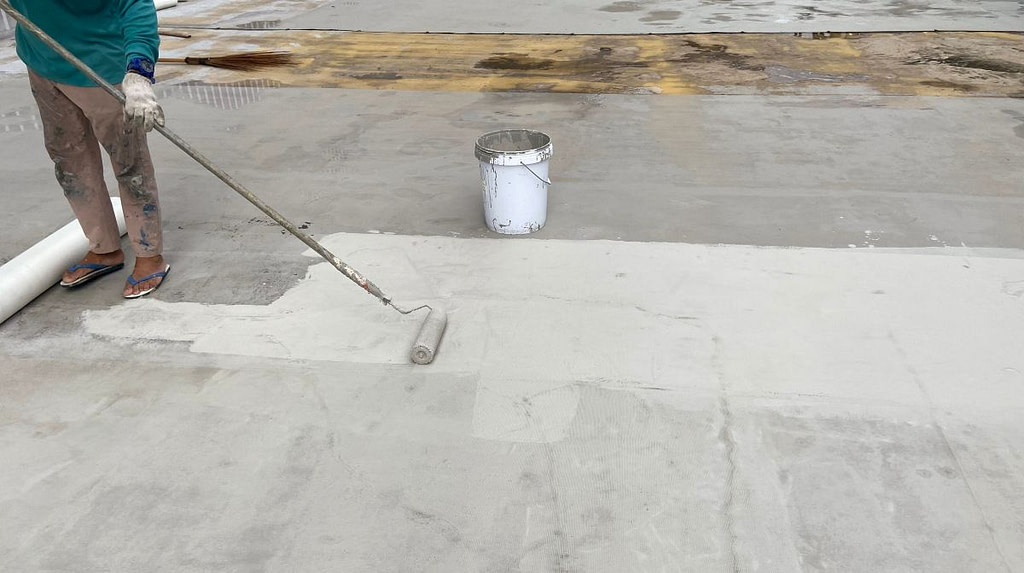
Quick Comparison Of Flat Roof Sealant Types
Different sealants offer different advantages depending on the roofing system and building conditions.
| Sealant Type | Best Use | Key Benefit |
| Silicone | Ponding water areas, seams, flashing | Excellent waterproofing |
| Acrylic | Minor cracks and seams on draining roofs | Cost effective and reflective |
| Polyurethane | Flashing, penetrations, high stress areas | Strong adhesion and durability |
Common Areas Where Sealants Are Applied
Sealants are typically used in targeted areas rather than across the entire roof surface. These areas often experience the most stress and are more likely to develop leaks.
Roof Seams
- Membrane joints: Seams between roofing sheets are common leak points.
- Thermal movement: Temperature changes can cause seam expansion and contraction.
- Preventive sealing: Sealants reinforce these vulnerable areas.
Sealing seams helps prevent water infiltration in large flat roofing systems.
Flashing Connections
- Wall transitions: Flashing where the roof meets vertical walls can develop cracks.
- Chimneys or parapets: Sealants reinforce flashing around structural features.
- Edge protection: Helps prevent water from entering behind roofing membranes.
Flashing areas require careful sealing to maintain waterproof performance.
Roof Penetrations
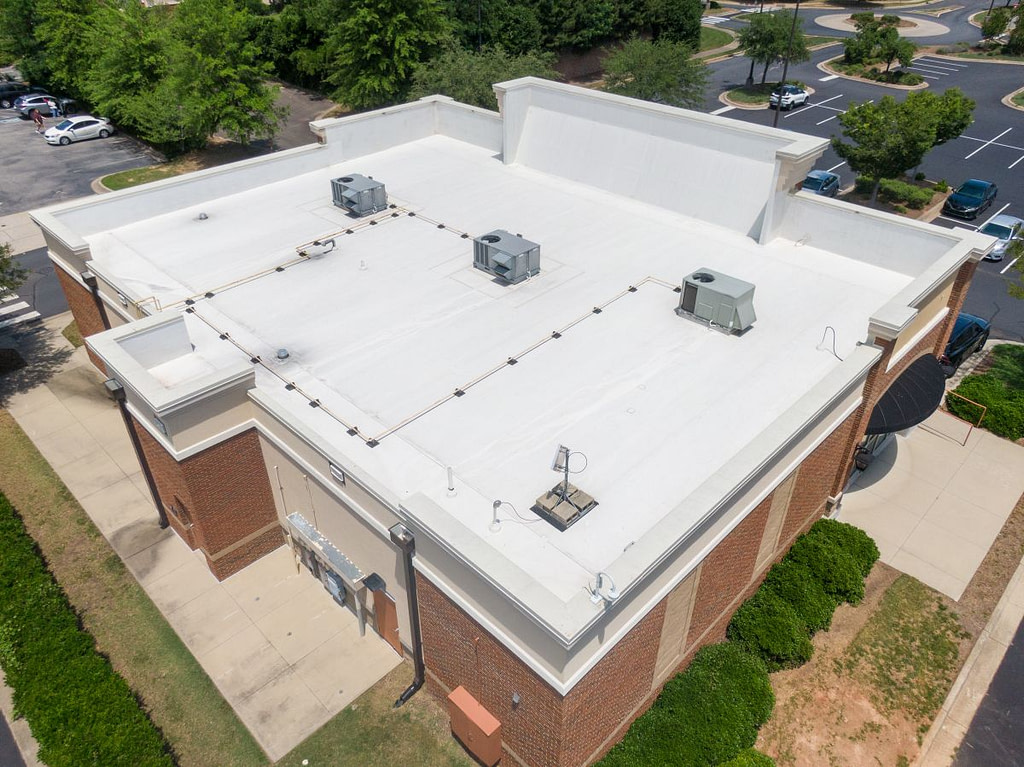
- HVAC units: Mechanical equipment often penetrates the roof surface.
- Vent pipes: Plumbing vents require sealed flashing connections.
- Drain systems: Sealants help protect the areas around roof drains.
These penetrations are common sources of leaks if not properly sealed.
When Commercial Roof Sealant Is Most Effective
Sealants work best when applied as part of a proactive roof maintenance strategy. Addressing small issues early can prevent more serious structural problems.
Preventative Maintenance
- Routine inspections: Identifying small cracks early prevents leaks.
- Seam reinforcement: Regular sealing strengthens vulnerable joints.
- Seasonal maintenance: Protects roofs before severe weather seasons.
Preventative maintenance is often the most cost effective strategy for commercial roofing systems.
Minor Leak Repairs
- Surface cracks: Sealants fill small gaps in roofing membranes.
- Flashing repairs: Sealants can reinforce flashing edges.
- Temporary protection: Helps prevent water intrusion until permanent repairs are performed.
Sealants are often used as a first line of defense against leaks.
Roof Restoration Projects
- Membrane protection: Sealants may be applied during restoration work.
- Surface reinforcement: Helps extend roof lifespan during maintenance cycles.
- Improved waterproofing: Adds another layer of moisture protection.
Roof restoration programs often include sealant applications to improve durability.
Limitations Of Roof Sealants
Although sealants are useful for maintenance and minor repairs, they are not designed to solve every roofing issue. Commercial property owners should understand when larger repairs may be required.
Structural Damage
- Large membrane tears: Sealants cannot repair major damage.
- Water saturated insulation: Moisture trapped below the membrane may require replacement.
- Severe storm damage: Large sections of roofing may need professional repair.
Sealants should not be used as a substitute for necessary structural repairs.
Improper Surface Preparation
- Dirty surfaces: Debris can prevent proper adhesion.
- Wet membranes: Sealants bond poorly when moisture is present.
- Incorrect products: Using the wrong sealant type can reduce performance.
Proper preparation is essential for sealants to perform effectively.
Protect Your Commercial Property With Young Construction
Maintaining a commercial roof requires careful planning, routine inspections, and the right repair strategies. Understanding how sealants work and where they are most effective helps property owners make informed decisions about protecting their buildings.
Protect your commercial property with roofing solutions designed for long term performance. Contact Young Construction today for a free estimate and learn how expert roofing services can help keep your building protected and operating efficiently.