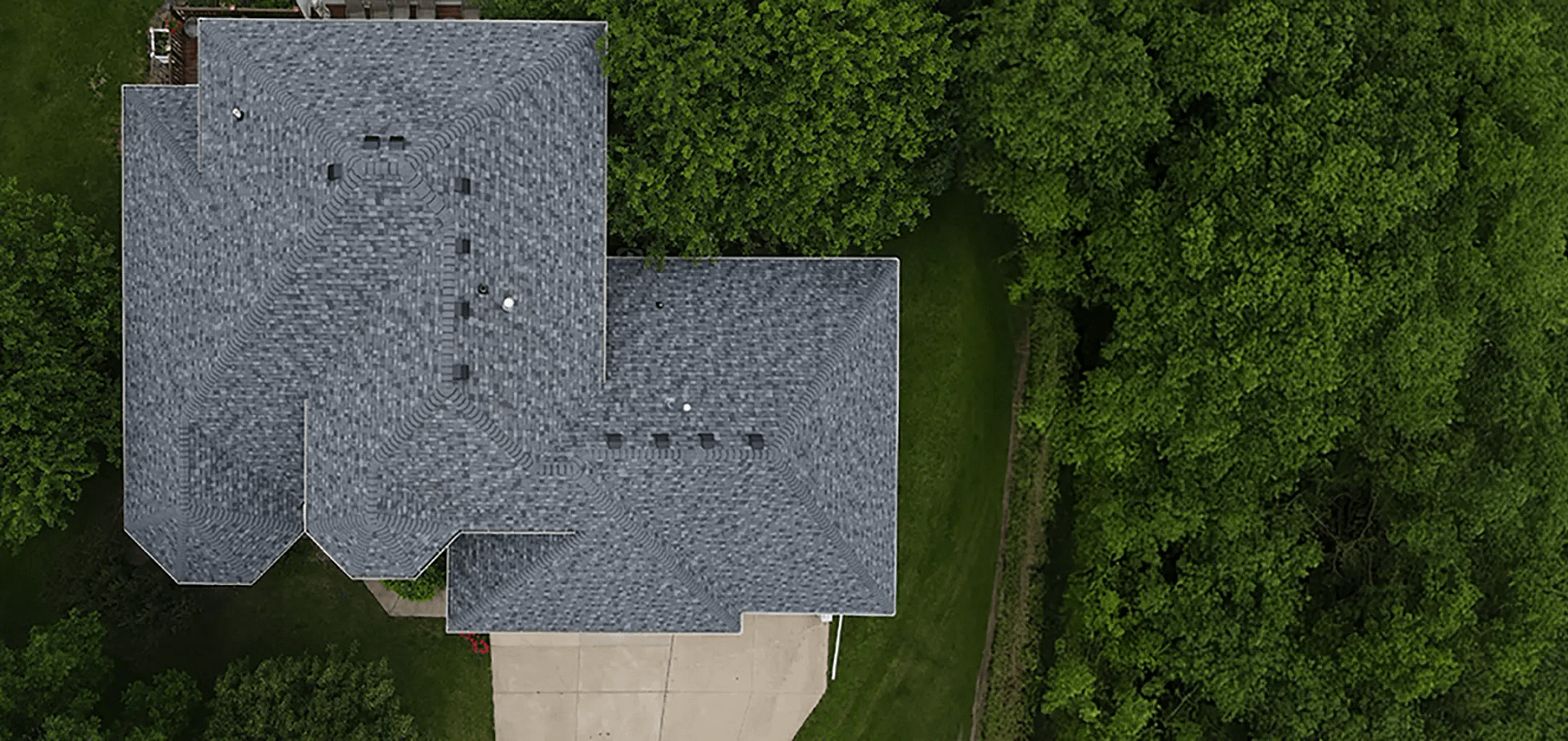
Proper ventilation is one of the most overlooked aspects of commercial roofing, yet flat roof vents play a critical role in keeping your building healthy, energy-efficient, and structurally sound. Without proper airflow, trapped heat and moisture can shorten your roof’s lifespan, increase utility costs, and even damage insulation and decking materials.
- Airflow balance: Prevents heat and moisture buildup in flat roof assemblies.
- Energy efficiency: Keeps indoor temperatures more consistent year-round.
- Roof longevity: Reduces stress on materials and prevents premature aging.
Why Ventilation Matters for Flat Roof Systems
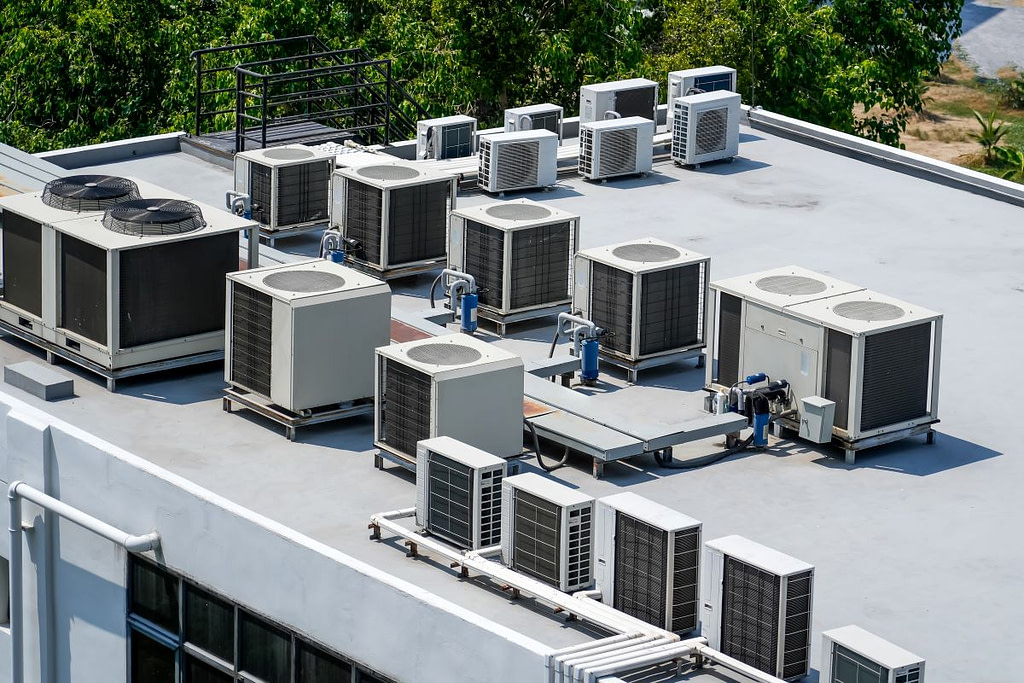
Flat roofs may appear solid and sealed from the outside, but what happens beneath the surface is just as important. Ventilation allows air to circulate through roof cavities and insulation layers, helping manage temperature and moisture levels inside the structure.
When hot air gets trapped without a way to escape, it creates condensation, which can cause rot, mold, and insulation failure. Over time, these problems lead to leaks, structural decay, and higher repair costs. Proper venting ensures that your roof stays dry and stable while supporting a more comfortable and efficient building environment.
7 Benefits of Installing Flat Roof Vents
Well-designed ventilation systems do much more than prevent moisture. They offer a variety of performance and comfort benefits that every commercial property owner should consider.
1. Prevents Moisture and Condensation Damage
One of the biggest threats to a flat roof is moisture accumulation. Ventilation helps move humid air out of the roof cavity before it condenses into water droplets.
- Reduces mold risk: Moisture buildup fosters mold growth in insulation and decking.
- Prevents material decay: Keeps wood and insulation from rotting or deteriorating.
- Extends roof lifespan: Protects against moisture-related corrosion and blistering.
Eliminating trapped moisture keeps your roofing system stable and reduces long-term maintenance needs.
2. Improves Indoor Air Quality
Flat roof vents also contribute to a healthier indoor environment by allowing fresh air circulation throughout the building.
- Reduces odors: Removes stale air and pollutants trapped under the roof.
- Controls humidity: Helps maintain a balanced moisture level indoors.
- Supports HVAC performance: Promotes even air distribution for better comfort.
Consistent airflow makes your workspace more comfortable and energy-efficient.
3. Enhances Energy Efficiency
Poor ventilation causes excess heat buildup, especially in commercial buildings with large flat roof areas. This added heat forces your HVAC system to work harder, leading to higher energy bills.
- Reduces cooling demand: Proper venting releases trapped heat naturally.
- Improves insulation efficiency: Prevents air stagnation that reduces insulation value.
- Lowers utility costs: Balanced ventilation reduces strain on mechanical systems.
Efficient airflow supports lower energy consumption and more predictable indoor temperatures.
4. Prevents Ice Dams in Winter
Even flat or low-slope roofs can experience ice dams in cold climates. When warm air rises and melts snow unevenly, refreezing along the roof edge creates blockages that trap water.
- Even heat distribution: Ventilation keeps roof temperatures consistent.
- Prevents refreezing: Reduces snowmelt from uneven heating.
- Protects drainage systems: Prevents water overflow that can damage gutters and seams.
Proper venting minimizes winter roof stress and avoids costly ice-related repairs.
5. Supports Roof Coating and Membrane Performance
Roof coatings and membranes depend on stable temperatures to perform correctly. Excess heat or humidity beneath the surface can cause materials to expand, blister, or delaminate.
- Temperature regulation: Prevents extreme thermal cycling.
- Moisture control: Keeps adhesives and sealants intact.
- Better coating adhesion: Allows materials to maintain flexibility and strength.
Maintaining a balanced roof environment ensures coatings and membranes last their full intended lifespan.
6. Reduces Structural Stress and Expansion
Ventilation reduces internal pressure changes that can cause roof decking or seams to expand and contract excessively. Over time, this thermal movement can create cracks, gaps, or leaks.
- Balances internal pressure: Prevents stress on roof joints and fasteners.
- Improves structural stability: Keeps materials from warping or separating.
- Lowers maintenance frequency: Reduces long-term structural fatigue.
Stable temperature control protects both the roof and the building’s framework beneath it.
7. Extends the Roof’s Overall Lifespan
When all these benefits combine — moisture reduction, improved airflow, and better energy balance — the result is a longer-lasting, more resilient roof.
- Protects investment: Maximizes the return on your roofing system.
- Minimizes future costs: Fewer repairs and replacements over time.
- Sustains warranties: Many manufacturers require proper ventilation for coverage.
Good ventilation is a simple upgrade that delivers lasting value for your property.
Common Types of Flat Roof Vents
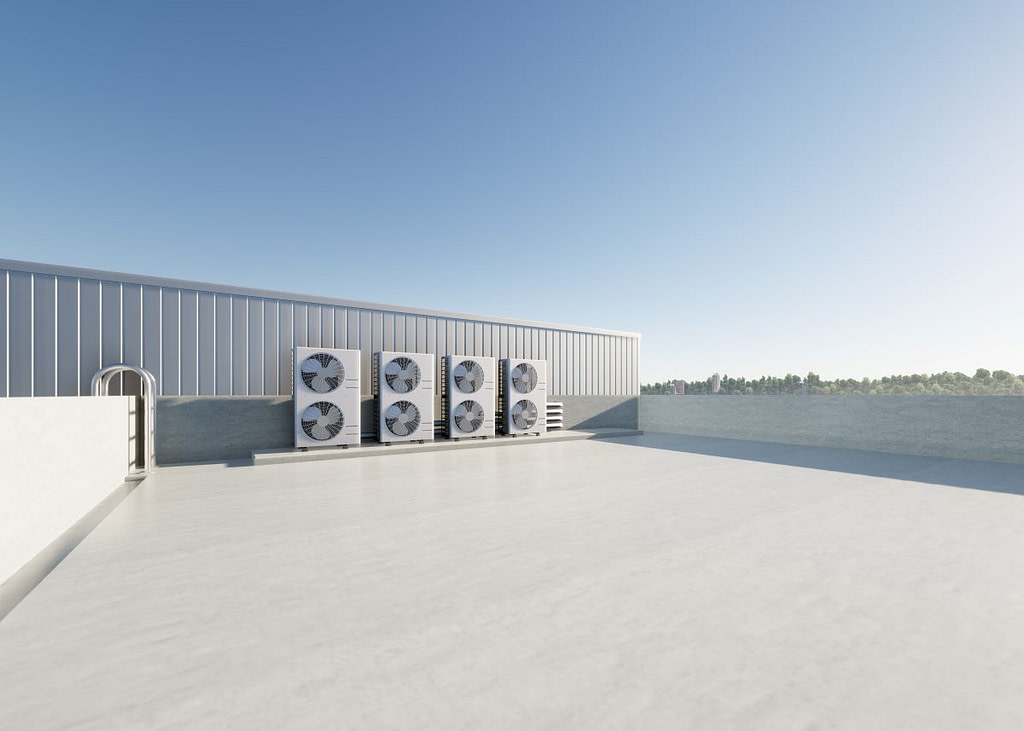
The type of vent system you choose depends on your building design, climate, and roof structure. Each type provides unique airflow benefits when installed correctly by professionals.
Static Roof Vents
Static vents, also known as “passive vents,” allow natural airflow through convection without the need for power.
- Simple operation: Uses natural temperature differences to move air.
- No moving parts: Low maintenance and long-lasting.
- Best for small to medium buildings: Ideal for areas with steady air circulation.
Static vents are a cost-effective way to achieve steady ventilation with minimal upkeep.
Turbine Roof Vents
Turbine vents, or “whirlybirds,” use wind power to pull hot air out of the roof cavity.
- Wind-driven performance: Spins to draw out heat and moisture.
- Efficient in active climates: Works best in regions with regular wind flow.
- Minimal energy use: Fully mechanical with no electricity needed.
These vents are ideal for large or multi-unit commercial buildings that benefit from steady wind movement.
Powered Roof Vents
Powered vents rely on electricity or solar energy to create constant airflow, making them effective in areas with limited wind or natural convection.
- Consistent operation: Keeps air circulating in all weather conditions.
- Energy-efficient options: Solar-powered models reduce electricity use.
- High performance: Quickly removes heat buildup from larger roof systems.
Powered vents provide reliable ventilation even during calm weather or in enclosed attic spaces.
Ridge Vents
Ridge vents run along the highest points of the roof, allowing hot air to escape evenly across the surface.
- Continuous airflow: Encourages uniform ventilation from end to end.
- Discreet appearance: Blends seamlessly with most flat and low-slope roofs.
- Low maintenance: Requires minimal cleaning or adjustments.
Ridge vents work well in combination with soffit or intake vents to promote balanced airflow.
Average Cost of Flat Roof Vent Installation
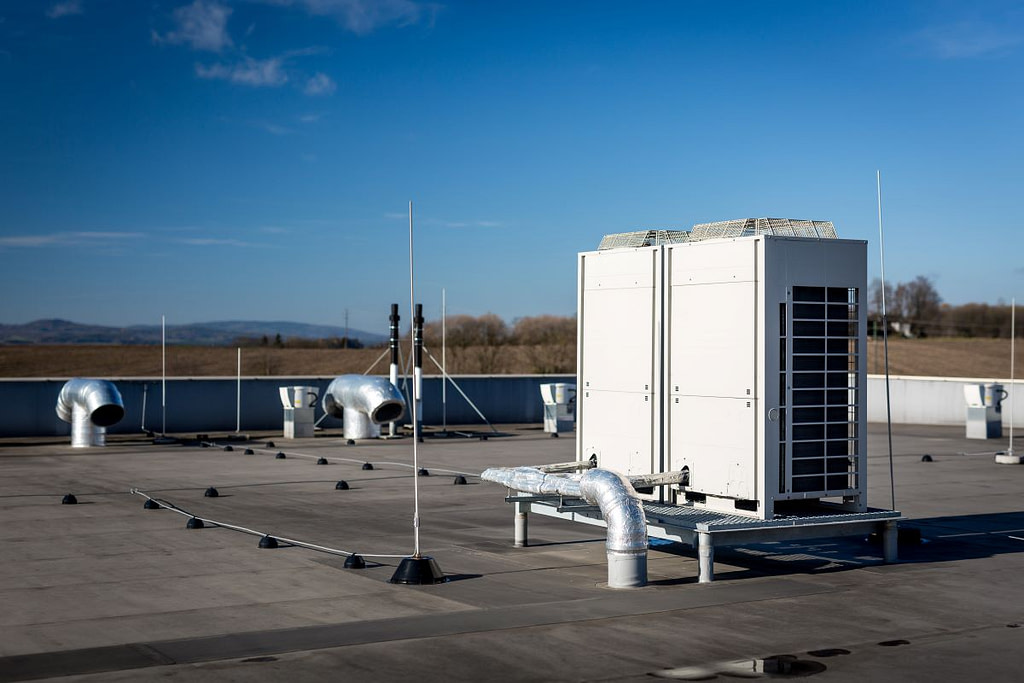
The cost of installing flat roof vents depends on the vent type, roof size, and overall system complexity. Generally, most commercial property owners can expect to invest anywhere from $300 to $1,000 per vent installed, depending on materials and labor.
Additional factors that influence total price include:
- Roof size and height: Larger structures require more vents for adequate airflow.
- Existing ventilation: Upgrades may be more affordable than full system installs.
- Vent material and brand: Premium metals and solar-powered models cost more.
- Accessibility: Hard-to-reach roofs may require additional labor and equipment.
While the upfront cost may vary, the long-term energy savings and extended roof lifespan make ventilation a worthwhile investment.
How To Maintain Flat Roof Vents
Once installed, keeping your vents in good condition ensures continuous performance and airflow. Regular inspections prevent blockages and mechanical wear.
Maintenance Tips
- Inspect twice a year: Check for debris or corrosion around vent openings.
- Clean internal parts: Remove dirt and dust to maintain airflow efficiency.
- Ensure secure attachment: Tighten loose fasteners or flashing around vent bases.
- Watch for leaks: Inspect seals and flashing for signs of moisture intrusion.
A simple maintenance plan helps you avoid airflow issues and extends the life of your roofing system.
Keep Your Commercial Roof Performing
Proper ventilation is one of the smartest investments you can make for your building’s long-term performance. At Young Construction, we specialize in designing and installing flat roof vents that improve airflow, reduce energy waste, and extend the life of your commercial roofing system.
Keep your roofing system efficient, safe, and strong for years to come. Contact Young Construction today for a free estimate and let our team help you create a healthier, longer-lasting flat roof system for your business.