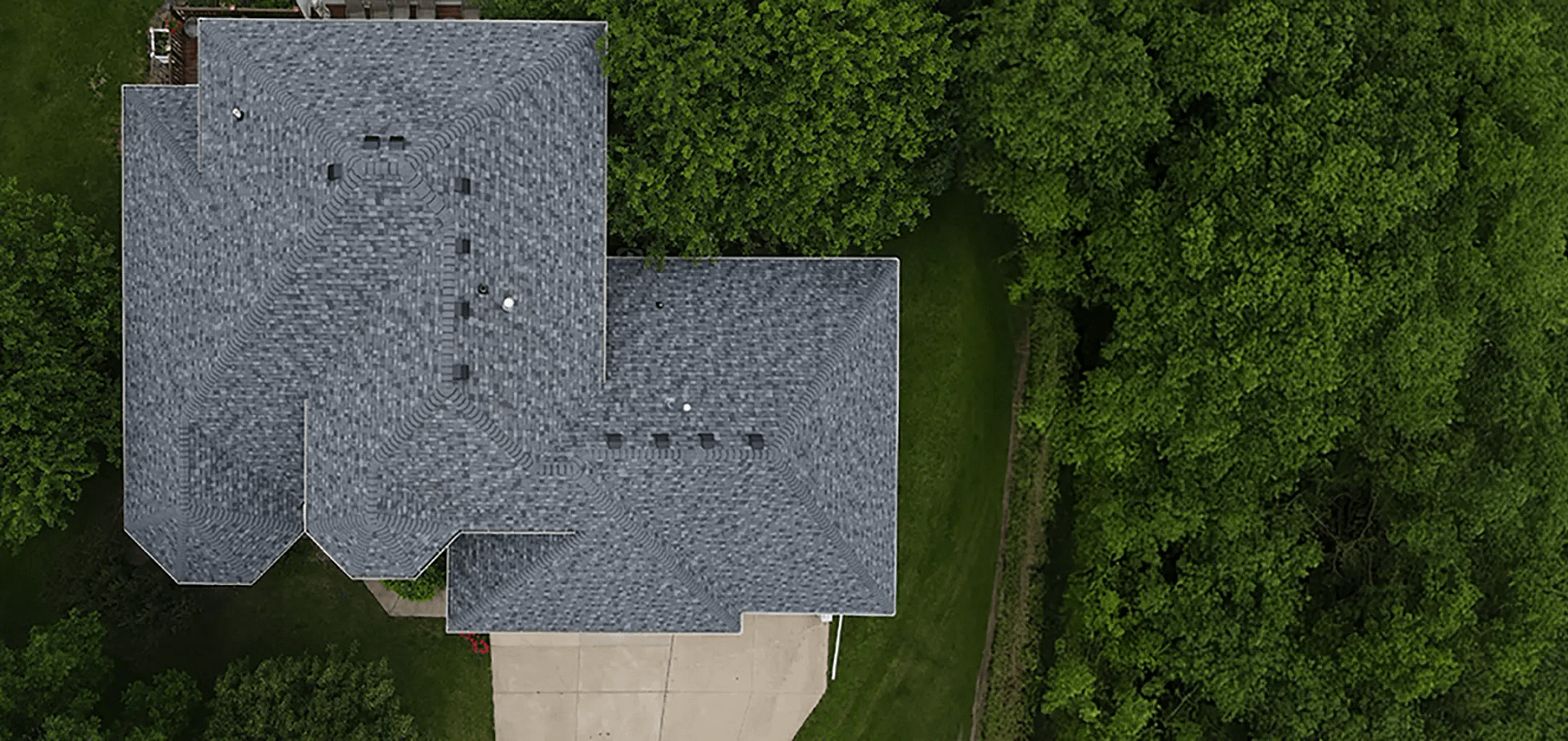
Proper gutter downspout drainage is essential for protecting your home from water damage, foundation problems, and landscape erosion. Gutters collect rainwater from the roof, but without effective downspout drainage, that water can pool around your home and create costly issues over time. Understanding how downspouts work and how to maintain them helps ensure rainwater flows safely away from your property.
- Foundation protection: Proper drainage prevents water from collecting near your home’s base.
- Roof system support: Effective water flow reduces strain on gutters and roofing materials.
- Landscape preservation: Controlled drainage prevents soil erosion and plant damage.
Why Downspout Drainage Matters
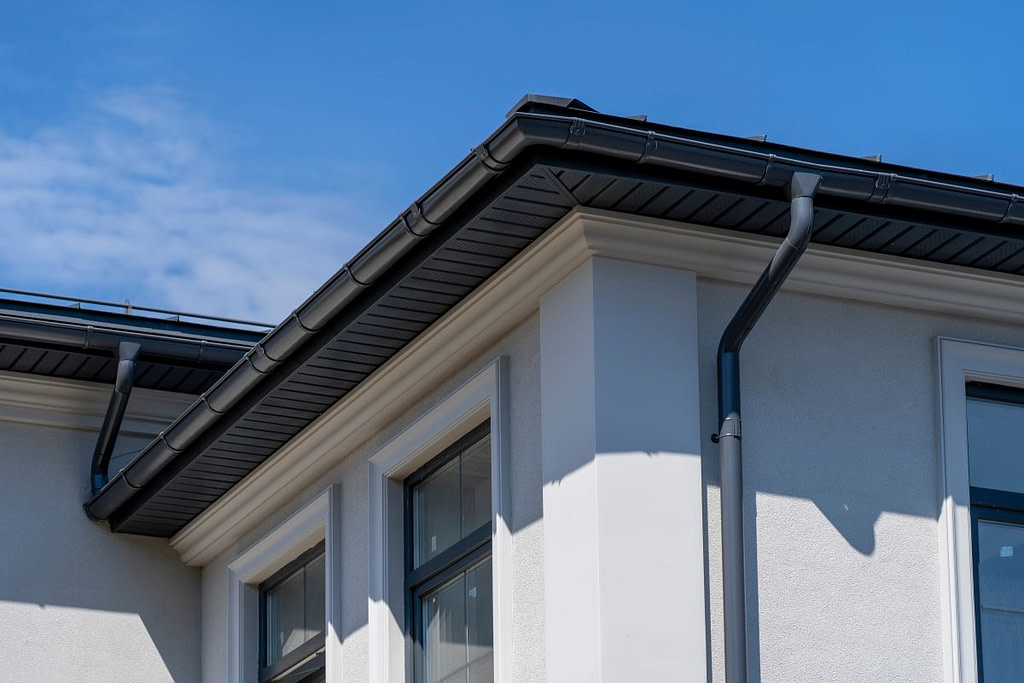
Downspouts are the vertical pipes attached to your gutter system that direct water away from your home. Without proper drainage planning, rainwater may collect near the foundation, leading to structural damage or basement leaks. Even a well-installed gutter system cannot perform effectively if the downspouts are not directing water far enough away.
Heavy rainfall, clogged gutters, or improperly positioned downspouts can cause water overflow. Over time, this may lead to siding damage, mold growth, or soil erosion around your home. Maintaining effective downspout drainage ensures rainwater flows where it should instead of causing damage where it should not.
How Gutter Downspouts Work
Downspouts serve as the final step in your roof’s drainage system. Rainwater collected by gutters travels through the downspout and is redirected safely away from the home’s structure.
Water Flow From Roof to Ground
- Collection: Gutters capture rainwater running off the roof surface.
- Channeling: Water flows through the gutter system toward the downspout opening.
- Discharge: Downspouts carry water down the side of the house and away from the foundation.
This process prevents water from running directly off the roof edges and pooling around the home.
Proper Placement of Downspouts
- Strategic spacing: Downspouts are usually installed every 20 to 40 feet along the gutter line.
- Slope direction: Gutters must be sloped toward downspouts to encourage proper flow.
- Safe discharge zones: Water should exit several feet away from the foundation.
Correct positioning ensures the drainage system functions efficiently during heavy rainfall.
Common Downspout Drainage Problems
Several issues can interfere with proper gutter drainage. Identifying these problems early helps homeowners maintain a safe and efficient water management system.
Clogged Downspouts
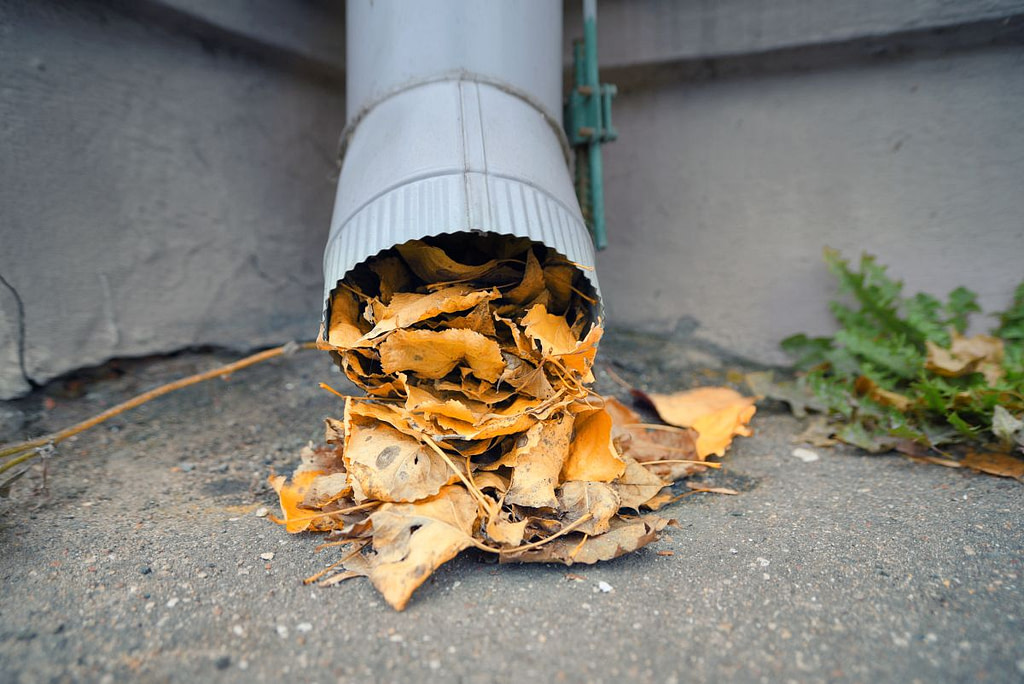
Leaves, twigs, and debris often collect inside downspouts, especially during fall.
- Reduced flow: Blockages prevent water from moving freely through the pipe.
- Overflow risk: Water backs up into the gutters and spills over the edges.
- Gutter stress: Excess weight can loosen or bend gutter brackets.
Routine cleaning keeps downspouts clear and allows water to move freely through the system.
Downspouts Draining Too Close to the Home
Some downspouts release water directly at the base of the house, which can create serious drainage issues.
- Foundation erosion: Soil around the home becomes saturated and unstable.
- Basement moisture: Water may seep through foundation walls.
- Landscape damage: Excess runoff washes away mulch or plants.
Extending downspouts away from the house greatly reduces these risks.
Poor Gutter Slope
If gutters are not sloped correctly toward the downspout, water may stagnate inside the gutter channel.
- Standing water: Causes rust and premature gutter wear.
- Mosquito breeding: Stagnant water attracts insects.
- Overflow problems: Heavy rainfall quickly overwhelms the system.
Correcting the slope restores proper drainage and prevents water buildup.
Insufficient Number of Downspouts
Large roof surfaces generate significant runoff during storms. Without enough downspouts, water may overflow before it can drain properly.
- Overloaded gutters: Excess water causes sagging or separation.
- Water pooling: Runoff spills near the home’s foundation.
- Reduced system lifespan: Continuous stress shortens gutter durability.
Adding additional downspouts often improves overall drainage efficiency.
4 Key Components That Improve Downspout Drainage
Several accessories and improvements can enhance your gutter drainage system and ensure water flows away from the home effectively.
1. Downspout Extensions
- Purpose: Direct water several feet away from the foundation.
- Typical length: Extensions often extend 3 to 10 feet from the home.
- Benefit: Prevents pooling and protects landscaping.
Extensions are one of the simplest and most effective drainage upgrades.
2. Splash Blocks
- Purpose: Disperse water leaving the downspout across a wider area.
- Material options: Concrete, plastic, or decorative stone designs.
- Benefit: Reduces soil erosion near the home’s base.
Splash blocks help slow water flow and distribute it evenly.
3. Underground Drainage Pipes
- Purpose: Carry water through buried pipes away from the home.
- Installation: Downspouts connect to underground PVC or corrugated pipes.
- Benefit: Keeps drainage hidden while protecting the foundation.
This solution works well for homes with limited yard space or sloped landscapes.
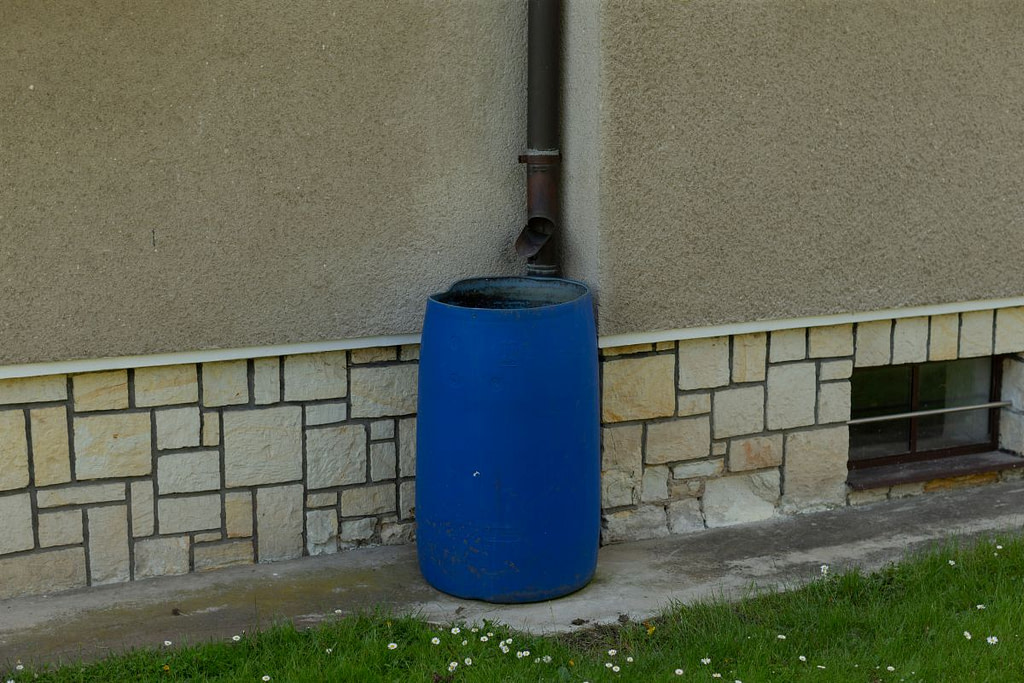
4. Rain Barrels
- Purpose: Collect rainwater from downspouts for reuse.
- Environmental benefit: Reduces water waste and supports garden irrigation.
- Overflow design: Excess water continues through the drainage system.
Rain barrels combine sustainability with practical drainage control.
Maintenance Tips for Downspout Drainage
Keeping your drainage system in good condition requires regular maintenance. Simple inspections throughout the year can prevent costly water damage.
Clean Gutters and Downspouts Regularly
- Seasonal cleaning: Remove debris at least twice a year.
- Storm checks: Inspect after heavy storms for clogs or blockages.
- Flush with water: Run a hose through downspouts to confirm proper flow.
Regular cleaning ensures your drainage system remains clear and efficient.
Inspect Drainage Areas
- Check soil grading: Ground should slope away from the home.
- Watch for erosion: Look for exposed roots or washed-away soil.
- Observe water patterns: Ensure runoff moves away from the house.
Monitoring the surrounding landscape helps identify potential drainage issues early.
Secure Loose Components
- Fasten brackets: Tighten loose gutter or downspout fasteners.
- Check joints: Seal any gaps between downspout sections.
- Replace damaged parts: Bent or cracked pipes reduce water flow.
Maintaining strong connections keeps your drainage system working properly.
How Climate Impacts Downspout Drainage
Regional climate conditions influence how gutter systems should be designed and maintained.
Heavy Rain Regions
- Larger gutters: Handle greater water volumes.
- Additional downspouts: Improve drainage capacity.
- Frequent maintenance: Prevent clogging from storm debris.
Homes in rainy climates benefit from reinforced drainage systems.
Cold Climate Areas
- Ice buildup: Frozen downspouts can block water flow.
- Ice dams: Poor drainage contributes to roof edge ice formation.
- Durable materials: Strong gutters resist freezing damage.
Cold regions require careful winter maintenance to keep water flowing.
Hot and Humid Regions
- Frequent storms: Sudden rainfall increases drainage demand.
- Debris accumulation: Windstorms often fill gutters with leaves.
- Corrosion prevention: Proper coatings extend system lifespan.
Climate-specific maintenance ensures gutters remain reliable year-round.
Let Your Home’s Drainage Work Smarter With Young Construction
Understanding gutter downspout drainage helps homeowners protect their foundation, siding, and landscaping from water damage. A well-designed drainage system safely carries rainwater away from your home and keeps every part of the roof system functioning properly.
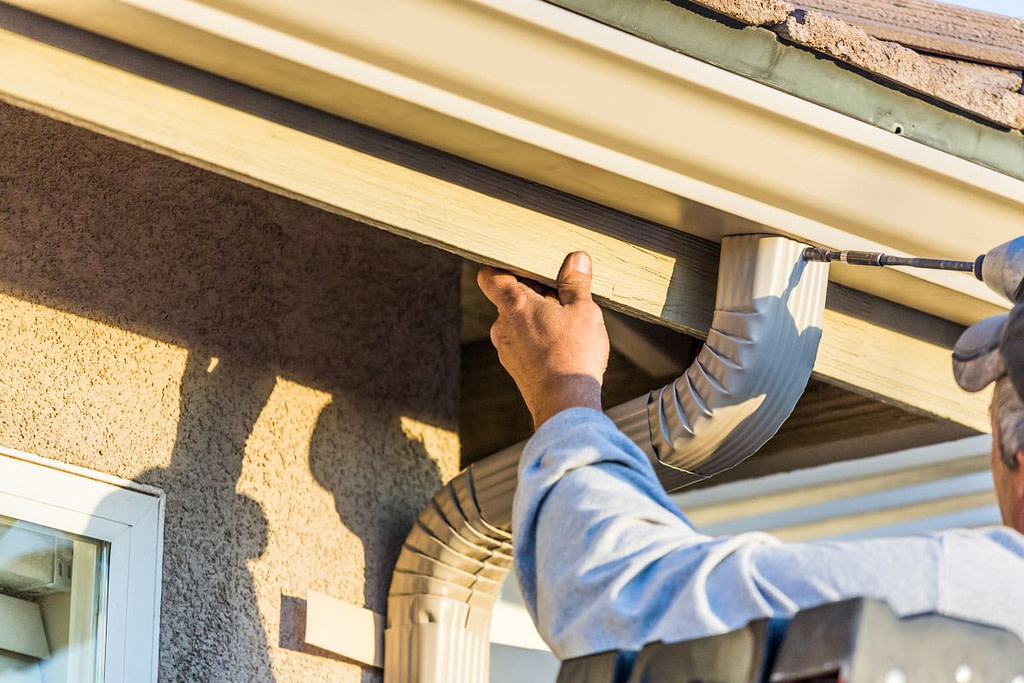
The Power of Proper Water Flow Starts With Young Construction
A strong exterior drainage system supports the health of your entire home. When gutters and downspouts are functioning properly, they prevent moisture damage and preserve your property for years to come.
Protect your home with a drainage system that works as it should. Contact Young Construction today for a free estimate and learn how expert exterior solutions can keep your home safe, efficient, and well protected for years to come.