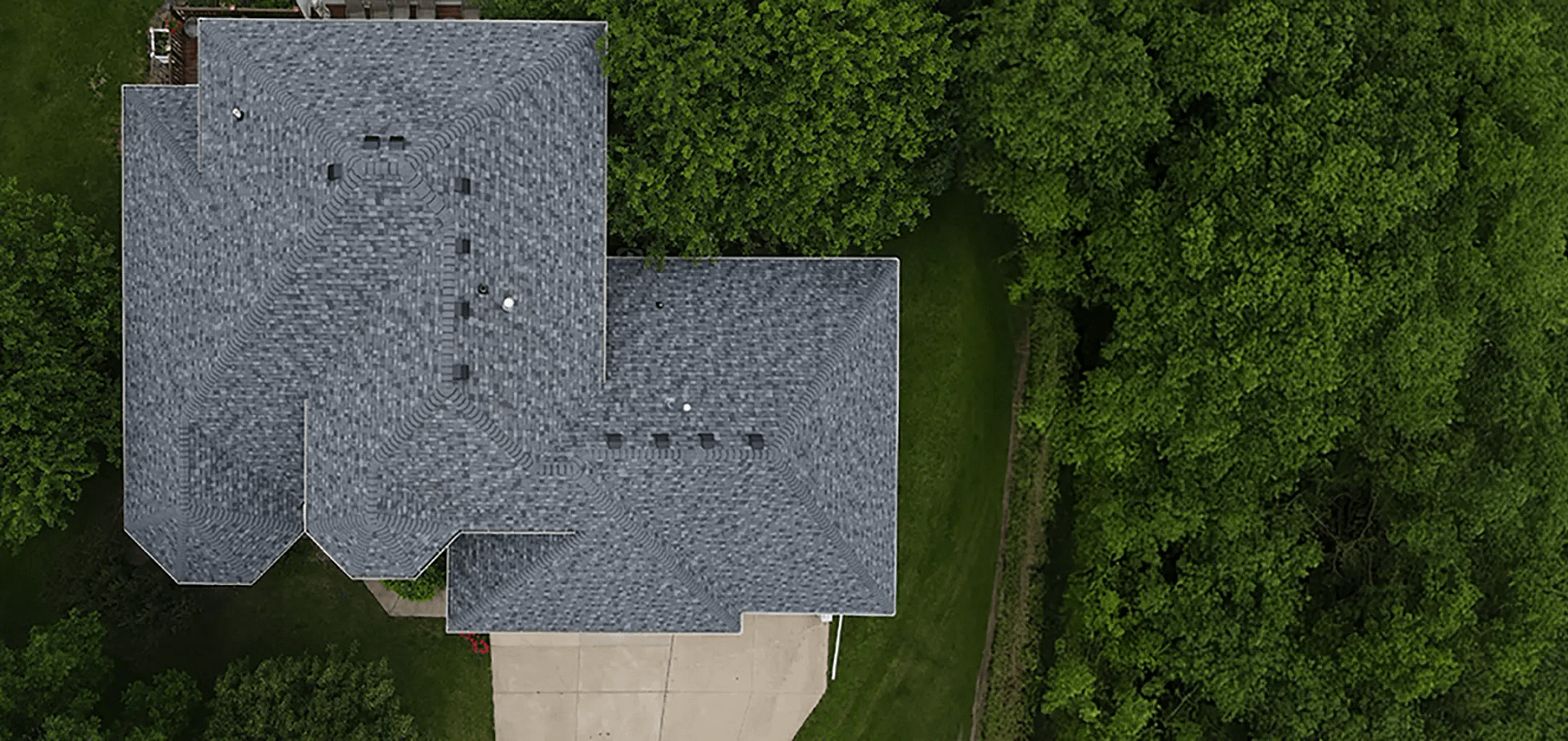
A gutter downspout extension is one of the simplest and most affordable upgrades you can make to protect your home, yet it prevents some of the most expensive damage a house can suffer. Standard downspouts often dump roof runoff just a foot or two from the house, right where it can pool against the foundation, seep into the basement, and erode the soil that supports your home. An extension carries that water a safe distance away, defending your foundation, basement, and landscaping from costly water damage. Here is what this guide covers:
- Why it matters: How a downspout extension protects your foundation and home from water.
- The risks of skipping it: What happens when roof runoff drains too close to the house.
- Types and choices: The extension options available and how to choose the right one.
What Is a Gutter Downspout Extension?
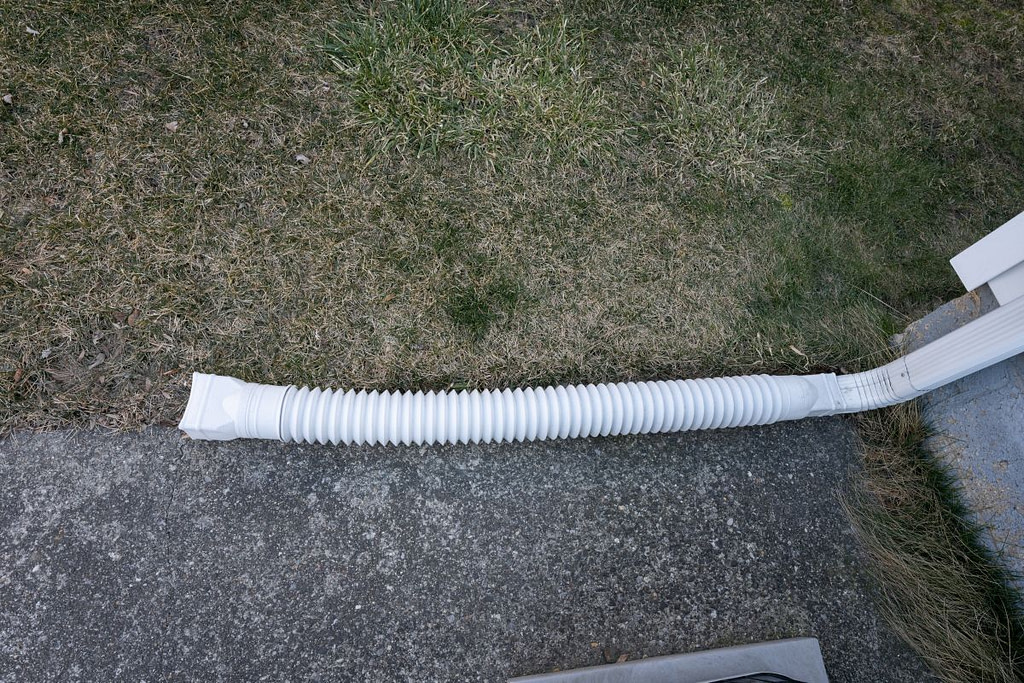
A gutter downspout extension is an add-on that attaches to the bottom of your existing downspout to channel roof runoff farther away from your home’s foundation. While standard gutters and downspouts move water off the roof, they often discharge it only a foot or two from the house, which is not far enough to protect the foundation.
It Carries Roof Water Safely Away
A downspout extension carries roof water safely away from the base of your home so it cannot pool against the foundation. During a storm, water builds momentum as it runs down the gutters and exits the downspout with real force, and without an extension it deposits a heavy concentration of water right beside the house. The extension channels that water out to a safer distance where it can drain harmlessly into the yard. This controlled discharge is the whole purpose of the device. For homes in Northwood and surrounding areas, that simple redirection is a frontline defense against water damage.
- Redirects runoff: Channels water away from the base of the home.
- Handles force: Manages the concentrated water exiting the downspout.
- Safe discharge: Releases water where it can drain harmlessly.
- Simple defense: A low-cost frontline guard against water damage.
Standard Downspouts Often Fall Short
Standard downspouts often fall short because they discharge water too close to the house, typically just a foot or two from the foundation. That short distance leaves the runoff pooling exactly where it can do the most harm, soaking the soil against the foundation and finding its way into basements and crawl spaces. Even a high-quality gutter system fails at its job if the water is not carried far enough away. This is why an extension is not a luxury but a necessary completion of the gutter system. Recognizing this gap is the first step to protecting your home.
- Too close: Standard downspouts drain a foot or two from the house.
- Wrong spot: Runoff pools right where it causes the most damage.
- System gap: Even good gutters fail without far-enough discharge.
- Necessary finish: An extension completes the gutter system’s job.
Why a Downspout Extension Matters So Much
A downspout extension matters so much because water pooling around your foundation is one of the leading causes of foundation settlement and water damage. Directing that water away is a small, inexpensive step that prevents a cascade of expensive structural problems.
Water Near the Foundation Causes Serious Damage
Water pooling near the foundation causes serious, expensive damage because it softens and erodes the soil that supports your home. As saturated soil shifts and erodes, the foundation can settle and crack, and water exerts hydrostatic pressure against basement walls that pushes moisture inside. This leads to basement flooding, foundation cracks, mold, and structural instability, problems that cost far more to fix than an extension costs to install. Even a well-built foundation is not designed to withstand long-term water exposure. For homeowners in Northwood and surrounding areas, keeping water away in the first place is the most effective protection.
- Soil erosion: Pooling water softens and washes away supporting soil.
- Foundation settlement: Shifting soil leads to settling and cracks.
- Hydrostatic pressure: Water pushes moisture through basement walls.
- Costly repairs: Foundation damage far exceeds the cost of an extension.
It Protects More Than Just the Foundation
A downspout extension protects far more than the foundation, guarding your basement, landscaping, concrete slabs, and even your siding and soffit. Water dumped near the house can flood basements and crawl spaces, wash out mulch and erode garden beds, and undermine driveways, patios, and walkways until the slabs sink and crack. Poorly directed runoff can also splash back against siding and soffit, causing rot and mold over time. A single extension addresses this whole chain of potential damage at once. That broad protection is what makes it such a high-value upgrade.
- Basement defense: Reduces the risk of basement and crawl space flooding.
- Landscape protection: Prevents erosion of mulch, soil, and garden beds.
- Concrete safety: Keeps water from undermining and sinking slabs.
- Siding and soffit: Prevents splashback that causes rot and mold.
The right discharge distance is what makes an extension effective, and it is well documented. According to home improvement resource Today’s Homeowner, downspouts should extend at least 4 to 6 feet from your home to prevent water from seeping into the foundation and causing long-term damage. Getting the water far enough from the house is the whole point of a downspout extension.

5 Reasons Every Home Benefits From a Downspout Extension
Extending your downspouts delivers several distinct benefits that together protect your home and save you money. The five reasons below capture why this small upgrade is worth making on nearly any home.
1. It Prevents Foundation Damage
Preventing foundation damage is the single biggest reason to install a downspout extension, since improperly drained water is a leading cause of foundation problems. When runoff collects at the base of the home, it softens and erodes the soil, allowing the foundation to settle, shift, and crack over time. By carrying water well away from the house, an extension keeps the supporting soil stable and the foundation sound. This protection alone can save thousands of dollars in foundation repair. It is the core reason the device exists.
- Leading cause: Poor drainage is a top source of foundation damage.
- Stable soil: Directing water away keeps supporting soil intact.
- Prevents cracks: Reduces settlement, shifting, and cracking.
- Big savings: Guards against costly foundation repairs.
2. It Reduces Basement and Crawl Space Flooding
Reducing basement and crawl space flooding is a major benefit, since water pooling against the foundation is a primary path for moisture to get inside. Hydrostatic pressure from saturated soil pushes water through basement walls and floors, leading to leaks, dampness, and flooding. By moving runoff away from the foundation, an extension lowers that pressure and keeps below-grade spaces drier. A drier basement means less mold, less musty odor, and a healthier home. For any home with a basement or crawl space, this benefit is significant.
- Less water intrusion: Moving runoff away lowers the flooding risk.
- Reduced pressure: Drier soil eases hydrostatic pressure on walls.
- Drier spaces: Keeps basements and crawl spaces less damp.
- Healthier home: Less moisture means less mold and musty odor.
3. It Prevents Soil Erosion and Landscape Damage
Preventing soil erosion and landscape damage is a valuable benefit, since concentrated runoff carves channels and washes away everything in its path. Water exiting a short downspout with force erodes soil, washes out mulch, drowns plantings, and leaves muddy, damaged garden beds after every storm. An extension spreads the discharge to a controlled area, sparing your landscaping from repeated washout. This keeps your yard intact and reduces the cleanup and replanting that erosion demands. Protecting your landscape investment is a welcome bonus of the upgrade.
- Stops washout: Prevents runoff from eroding soil and mulch.
- Protects plantings: Spares garden beds from repeated damage.
- Controlled discharge: Releases water where it does less harm.
- Less cleanup: Reduces post-storm mud and replanting.
4. It Protects Concrete Slabs From Settling
Protecting concrete slabs from settling is an often-overlooked benefit, since water pooling near driveways, patios, and walkways erodes the soil beneath them. As that soil washes away, the slabs lose their support and begin to sink, crack, and tilt, creating trip hazards and drainage problems that direct even more water toward the house. Extending downspouts away from concrete keeps the supporting soil stable and the slabs level. This prevents the costly cycle of sinking and repairing concrete. Keeping water off your slabs preserves both safety and appearance.
- Stable base: Keeps soil under slabs from washing away.
- Prevents sinking: Stops slabs from settling, cracking, and tilting.
- Avoids hazards: Level slabs reduce trip and drainage problems.
- Saves money: Prevents the cycle of concrete repair.
5. It Is Affordable and High-Value
Being affordable and high-value is a reason in itself, since a downspout extension delivers major protection for a small cost. Extensions are inexpensive and often quick to install, especially flexible or splash-block styles that need no digging, yet they guard against damage that can cost thousands to repair. Few home improvements offer this ratio of low cost to high protective value. This makes extending downspouts one of the smartest preventative steps a homeowner can take. The return on such a small investment is hard to beat.
- Low cost: Extensions are inexpensive and often quick to install.
- High protection: Guards against thousands in potential damage.
- Great ratio: Few upgrades offer this cost-to-value balance.
- Smart prevention: One of the best preventative steps available.
What Types of Downspout Extensions Are Available?
Several types of downspout extensions are available, ranging from simple surface accessories to permanent buried drainage. The right choice depends on your yard, your budget, and how far the water needs to travel.
Options Range From Splash Blocks to Buried Drains
Downspout extension options range from simple splash blocks to fully buried drain lines, each suited to different needs. Splash blocks and flexible roll-out extensions are the most affordable and easiest to install, requiring no digging, while rigid extensions carry water farther in a fixed direction. For the most permanent, invisible solution, a buried PVC drain line moves water well away from the house underground, sometimes to a dry well or a lower part of the yard. The best option depends on your grading, soil, and how far the water must travel. A professional can recommend the right approach for properties in Northwood and surrounding areas.
- Splash blocks: Simple, affordable, and require no digging.
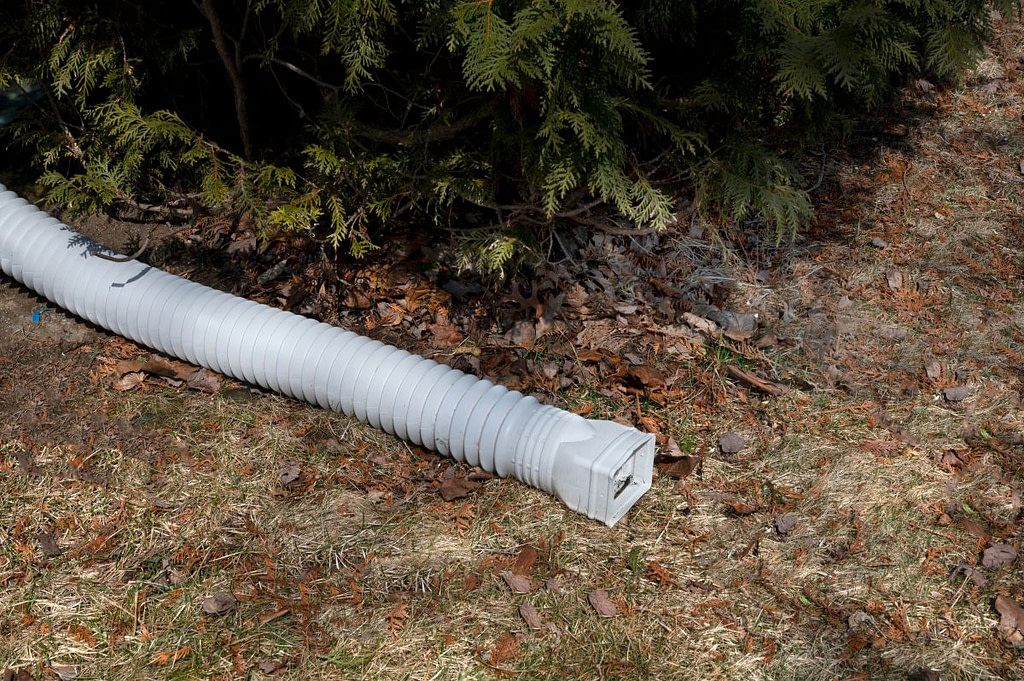
- Flexible extensions: Roll-out styles that are easy to install.
- Rigid extensions: Carry water farther in a fixed direction.
- Buried drains: Permanent underground lines for maximum distance.
Frequently Asked Questions
How far should a downspout extend from the house?
Downspouts should discharge water at least 4 to 6 feet from the foundation, and many experts recommend 10 feet or more depending on your grading and soil. The goal is to release water where it will drain away from the house rather than back toward it. A professional can assess the right distance for your property.
Do I really need a downspout extension?
Most homes benefit from downspout extensions, since standard downspouts often discharge water just a foot or two from the foundation. If you notice standing water near your walls, basement dampness, or landscape erosion after storms, you likely need one. Extensions are an affordable way to prevent costly water damage.
How much does a downspout extension cost?
Downspout extensions are among the most affordable home upgrades, with simple splash blocks and flexible extensions costing very little and installing quickly. Buried drain lines cost more because they require trenching and pipe, but they offer permanent, invisible drainage. A professional can give you an accurate estimate for your preferred option.
What types of downspout extensions are best?
The best type depends on your needs, with splash blocks and flexible extensions offering affordable, easy solutions and buried PVC drain lines providing permanent, hidden drainage that carries water farthest. Rigid extensions fall in between. Your yard’s grading, soil, and drainage distance determine the ideal choice.
Can a downspout extension prevent basement flooding?
Yes, downspout extensions help prevent basement flooding by keeping roof runoff from pooling against the foundation, which reduces the hydrostatic pressure that pushes water through basement walls. They are one of several drainage steps that protect below-grade spaces. Proper grading and gutter maintenance work alongside them.
Are buried downspout drains worth it?
Buried downspout drains are worth it for homeowners who want a permanent, invisible solution that carries water well away from the home without creating trip hazards or landscaping obstacles. They cost more than surface options but offer superior, long-lasting drainage. A professional can determine if your property is a good candidate.
Trust Young Construction for Your Gutter and Drainage Needs
When it comes to a gutter downspout extension and protecting your home from water damage, Young Construction brings over 20 years of local experience and a clear understanding of how Iowa’s heavy rains and snowmelt threaten a home’s foundation. We assess your gutters and drainage, recommend the right extension type for your yard and grading, and install it so roof runoff is carried a safe distance from your foundation, basement, and landscaping. As a family-owned, fully licensed and insured company with more than 150 five-star reviews, we treat your home with genuine care and explain every recommendation in plain terms. If you have noticed water pooling near your foundation, a damp basement, or eroding landscaping, you deserve a simple, lasting fix before the damage grows. Contact Young Construction today to talk through your gutter and drainage needs and request a detailed, written estimate, and let our team help you keep water where it belongs, away from your home.