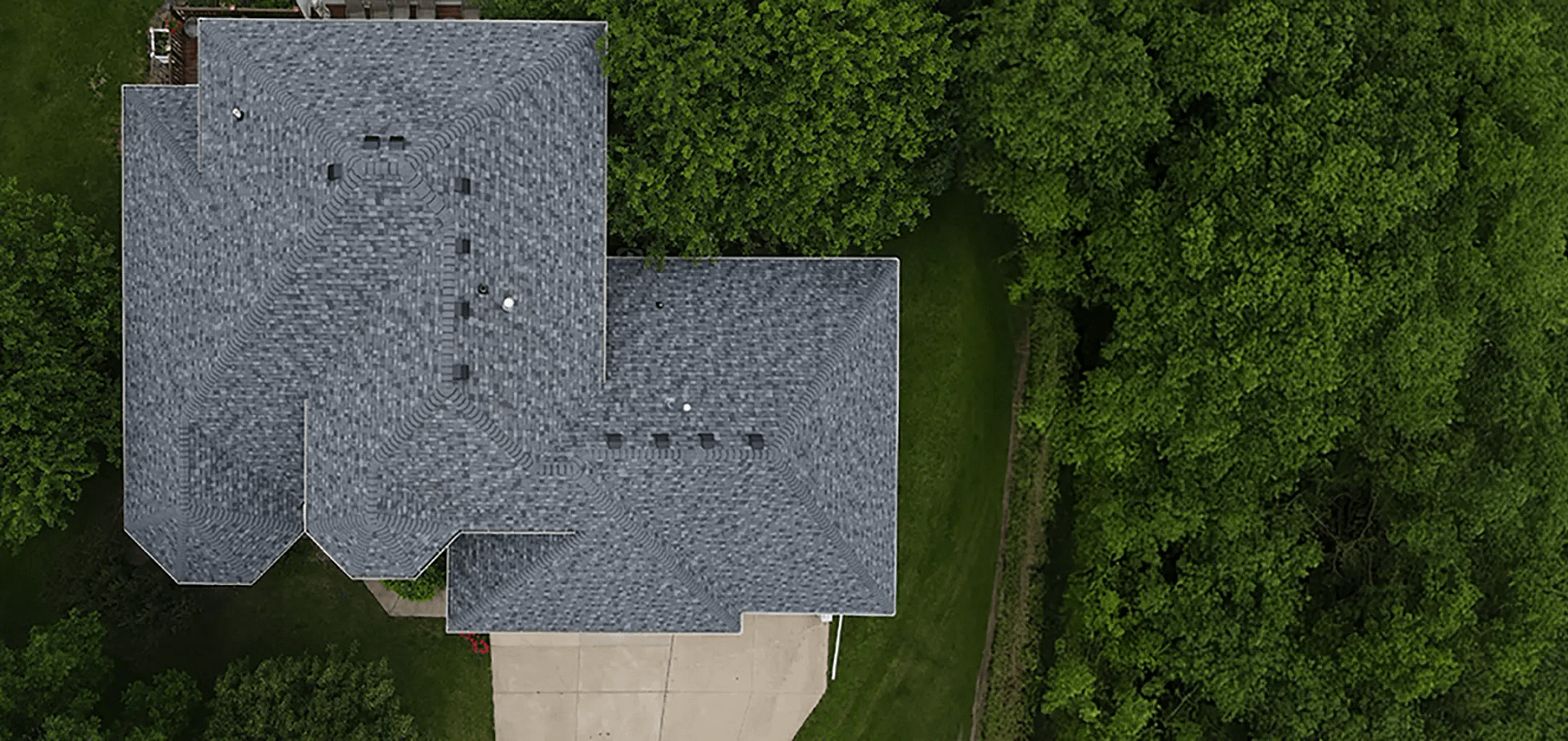
A gutter overflow can quickly turn from a small inconvenience into a major home maintenance problem. When gutters cannot properly channel rainwater away from your roof and foundation, water can spill over the edges and damage siding, landscaping, and even the structure of your home. Understanding what causes gutter overflow and how to fix it helps homeowners maintain an efficient drainage system that protects their property year round.
- Foundation protection: Proper gutter flow prevents water from pooling around your home.
- Roof health: Overflowing gutters can lead to rot along the roofline.
- Preventive care: Addressing gutter issues early reduces repair costs later.
Why Gutter Overflow Should Never Be Ignored
Gutters are designed to collect rainwater from the roof and direct it safely away from the home through downspouts. When water spills over the edge of the gutter instead of flowing through the drainage system, it can soak into the fascia boards, siding, and surrounding soil. Over time, this can weaken structural components and create conditions that encourage mold growth.
Overflow problems often worsen during heavy rainstorms when the drainage system is under the most pressure. Even a minor blockage or installation issue can prevent gutters from handling the volume of water coming from the roof. Regular inspections and maintenance ensure your gutters continue to function properly and protect your home from water damage.
6 Causes of Gutter Overflow and How to Fix Them
Several factors can cause a gutter overflow. Identifying the root problem helps homeowners apply the right repair solution and prevent the issue from returning.
1. Clogged Gutters
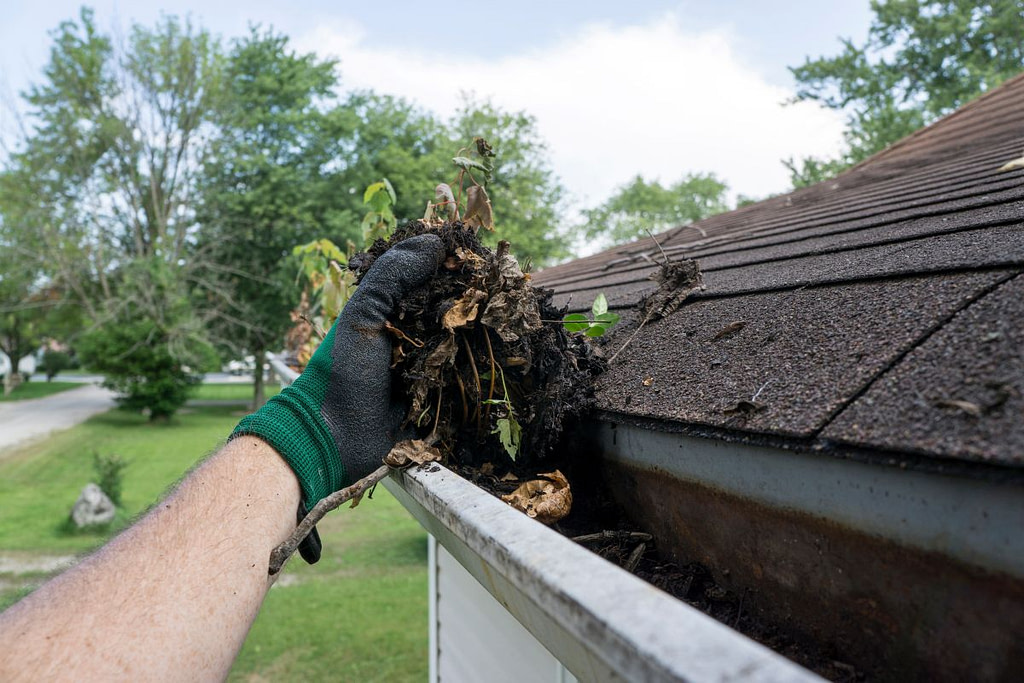
One of the most common causes of gutter overflow is debris buildup. Leaves, twigs, and dirt can collect in the gutter channel and block water from flowing freely toward the downspout.
- Cause: Accumulated leaves, pine needles, or roof granules blocking the gutter path.
- Fix: Remove debris by hand or with a gutter scoop, then flush the gutter with water to confirm proper drainage.
Regular cleaning prevents debris from accumulating and ensures water moves efficiently through the system.
2. Blocked Downspouts
Even when gutters appear clean, a blockage inside the downspout can cause water to back up and spill over the gutter edge. Downspouts can become clogged with leaves or compacted debris over time.
- Cause: Debris lodged inside the downspout pipe prevents water from exiting.
- Fix: Use a garden hose or plumbing snake to clear the blockage and restore normal flow.
Maintaining clear downspouts ensures rainwater can exit the gutter system without restriction.
3. Improper Gutter Slope
Gutters should be installed with a slight slope that directs water toward the downspout. If the gutter is level or sloping in the wrong direction, water may collect and overflow during rainfall.
- Cause: Poor installation or shifting brackets that alter the gutter angle.
- Fix: Adjust the gutter hangers to restore the correct slope toward the downspout.
Correct alignment allows gravity to guide water through the drainage system as intended.
4. Insufficient Gutter Capacity
Some homes have gutters that are too small to handle heavy rainfall. During storms, the system may simply be overwhelmed by the volume of water coming off the roof.
- Cause: Gutters that are undersized for the roof area.
- Fix: Upgrade to larger gutters or add additional downspouts to increase drainage capacity.
Increasing capacity helps prevent overflow during intense rainfall events.
5. Damaged or Sagging Gutters
Over time, gutters can become loose or sag between brackets. This creates low spots where water collects instead of flowing toward the downspout.
- Cause: Aging fasteners, storm damage, or excessive debris weight.
- Fix: Tighten brackets or replace damaged sections to restore a straight gutter line.
Proper support keeps the gutter system aligned and functioning efficiently.
6. Improper Downspout Drainage
Even if water flows through the gutter and downspout, it can still create problems if the drainage area is too close to the house. Poorly directed runoff may cause water to back up into the gutter system.
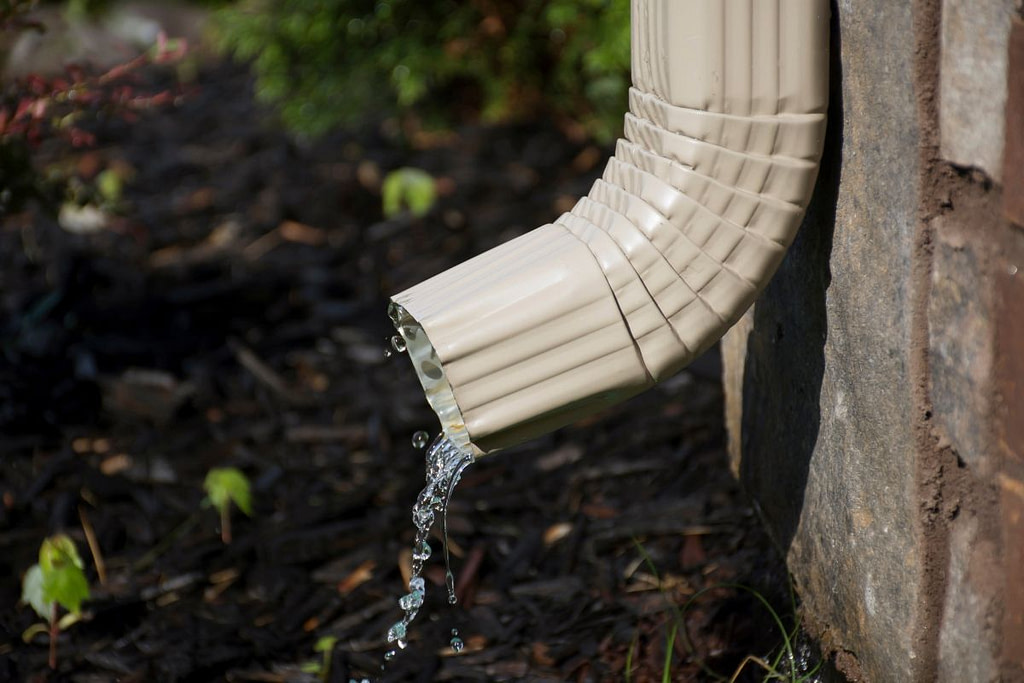
- Cause: Downspouts that discharge too close to the foundation.
- Fix: Install downspout extensions or splash blocks to move water farther away.
Redirecting runoff helps prevent overflow and protects the surrounding landscape.
Signs That Your Gutters Are Overflowing
Recognizing the warning signs of gutter overflow helps homeowners take action before water damage occurs. Several indicators suggest that the drainage system is not functioning properly.
Visible Water Spilling Over the Edge
- Heavy rainfall overflow: Water pours over the gutter edge during storms.
- Constant dripping: Even light rain produces noticeable overflow.
- Uneven water flow: Overflow occurs in specific sections of the gutter.
These signs indicate that the system cannot handle water flow effectively.
Water Stains or Damage Near Roof Edges
- Fascia staining: Dark streaks appear along the roofline.
- Peeling paint: Moisture exposure causes paint to deteriorate.
- Wood rot: Persistent overflow may damage fascia boards.
Inspecting these areas can reveal hidden gutter problems.
Landscape or Foundation Issues
- Soil erosion: Water washing away soil near the foundation.
- Pooling water: Standing water near the base of the home.
- Plant damage: Excess runoff harming nearby landscaping.
Addressing overflow quickly protects both the structure and the surrounding property.
How to Prevent Gutter Overflow
Preventing gutter overflow is easier than repairing the damage it can cause. A few simple maintenance habits can keep your drainage system working efficiently throughout the year.
Schedule Regular Gutter Cleaning
- Seasonal maintenance: Clean gutters in spring and fall.
- Storm checks: Inspect after major storms for debris buildup.
- Routine flushing: Use a hose to confirm water flows freely.
Consistent cleaning keeps the drainage path clear.
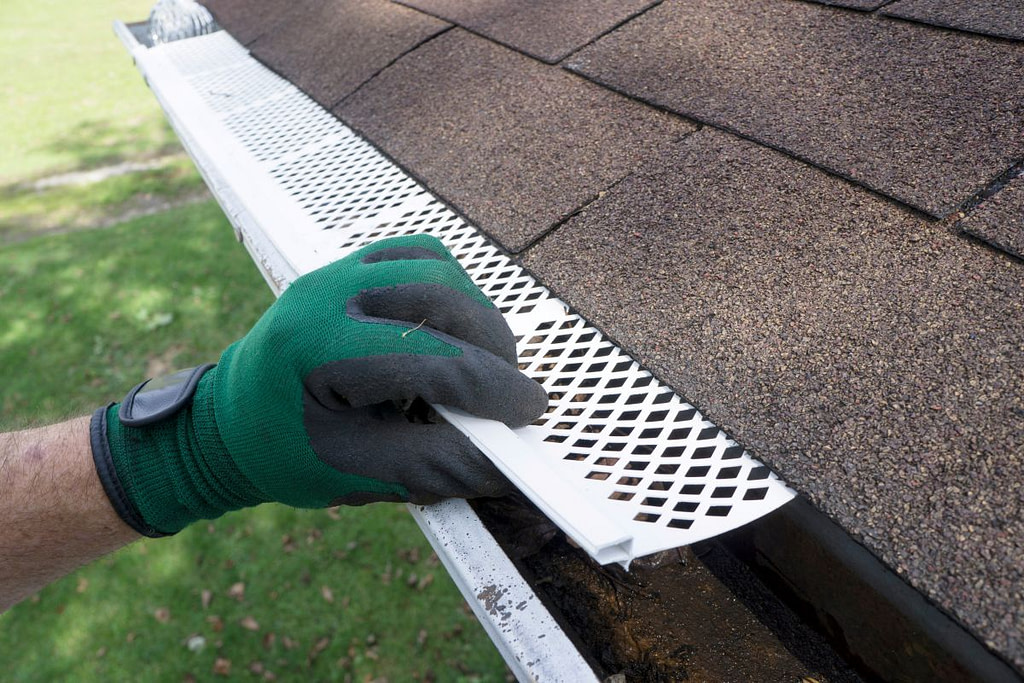
Install Gutter Guards
- Debris reduction: Guards block leaves and twigs from entering the gutter.
- Improved flow: Water moves through the system without obstruction.
- Reduced maintenance: Less frequent cleaning required.
Gutter guards help maintain proper drainage while minimizing upkeep.
Inspect the System Annually
- Check brackets: Ensure gutters remain securely attached.
- Inspect seams: Look for cracks or leaks along joints.
- Verify slope: Confirm water flows toward downspouts correctly.
Annual inspections help catch small problems before they escalate.
Protect Your Home From Water Damage With Proper Drainage
Understanding the causes of gutter overflow allows homeowners to maintain a reliable drainage system that protects their roof, siding, and foundation. With proper cleaning, maintenance, and occasional repairs, gutters can continue directing rainwater safely away from the home for many years.
Protect your home with reliable exterior solutions designed for long term performance. Contact Young Construction today for a free estimate and learn how proper exterior care can keep your home safe, efficient, and protected year after year.