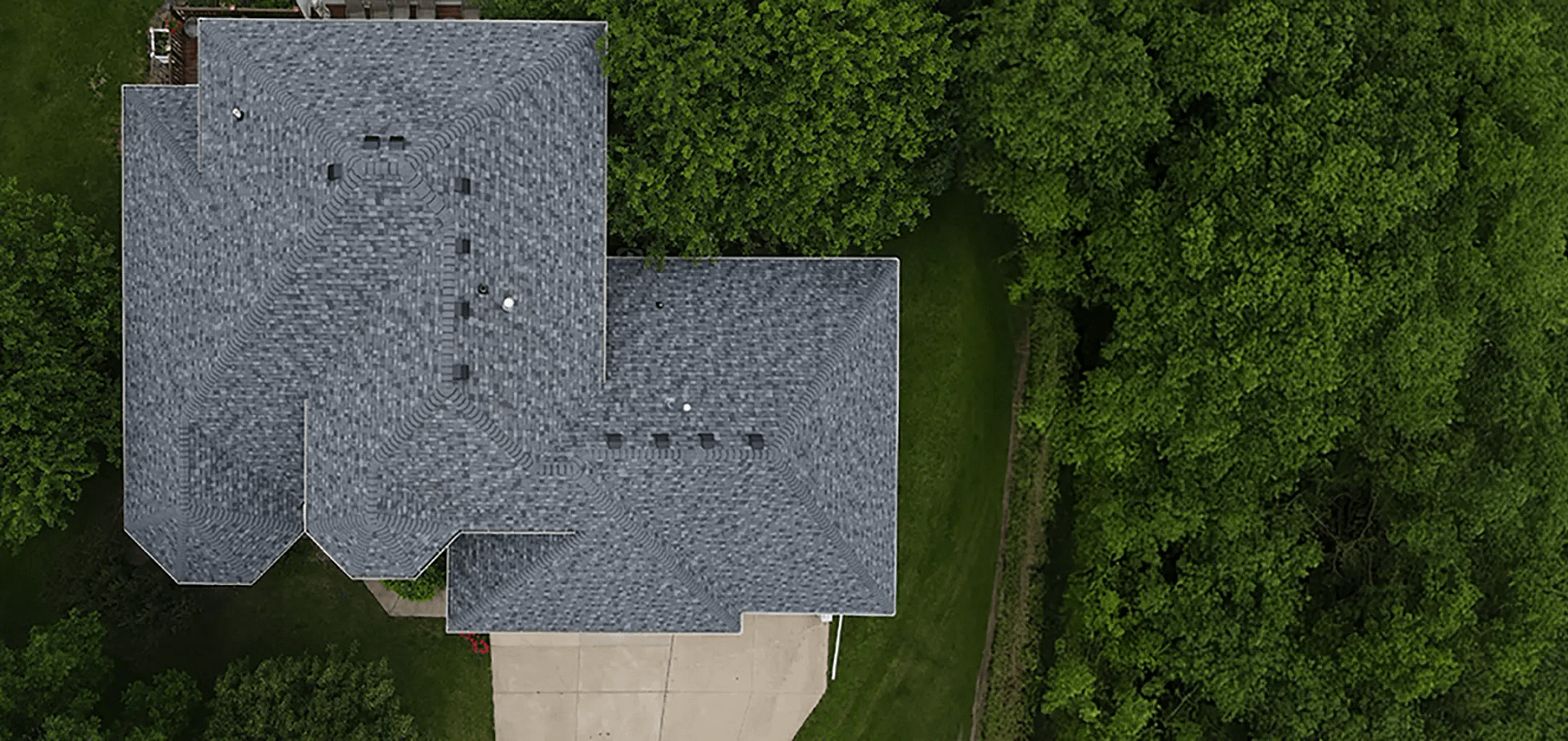
Knowing when to schedule gutter repair can make the difference between a small maintenance task and a costly home repair. Gutters play a vital role in protecting your roof, siding, and foundation by directing water away from your home. When they fail, even minor issues can quickly escalate into major water damage.
- Early detection: Spotting problems quickly prevents structural damage.
- Seasonal awareness: Different climates cause different types of gutter wear.
- Preventive maintenance: Routine checks extend the life of your gutters and roof.
Why Gutter Repair Should Never Wait
Your gutter system protects your home from water infiltration by catching rain and melting snow and channeling it safely away. When debris, rust, or sagging interfere with this flow, the results can include wood rot, basement flooding, or cracked foundations. Addressing issues promptly keeps your home protected through every season.
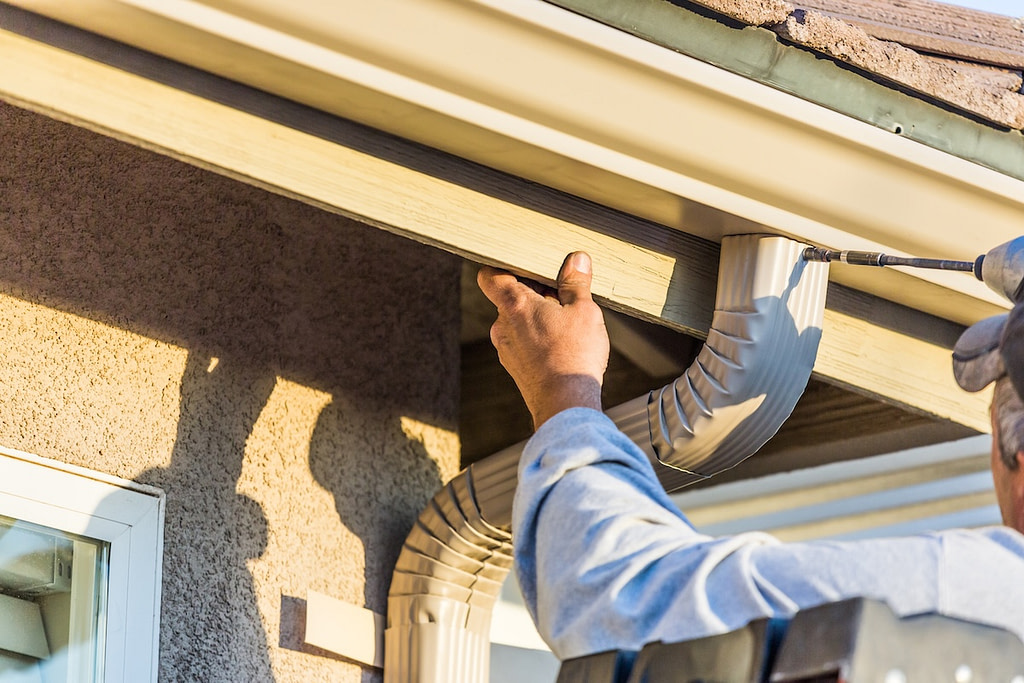
Professional gutter repair ensures the system is re-secured, properly sloped, and free from leaks. Whether you live in Iowa’s four-season climate or Florida’s tropical environment, timely maintenance keeps your home safe and looking its best.
Understanding Gutter Repair In Different Climates
Gutters experience different kinds of wear depending on where you live. Iowa homeowners contend with freezing temperatures, snow, and debris-heavy autumns, while Florida homeowners deal with humidity, heavy rain, and corrosion. Knowing what to look for in your specific climate helps you stay ahead of gutter damage.
Gutter Challenges In Iowa
Iowa’s gutters face freezing cycles, falling leaves, and heavy snow. When combined, these conditions strain fasteners, seams, and downspouts. The cold also expands trapped water into ice, creating leaks and pulling gutters loose from fascia boards. Regular inspection before and after winter is key to preventing long-term damage.
- Ice dams: Frozen gutters can back up water beneath shingles.
- Heavy debris: Fall leaves and twigs cause clogs that increase overflow.
- Rust and corrosion: Metal gutters exposed to salt and moisture may deteriorate faster.
Gutter Challenges In Florida
In Florida, humidity, heat, and sudden downpours test gutters year-round. High salt levels in coastal air can also corrode metal components over time. Proper gutter repair in this region focuses on maintaining structural integrity and preventing clogs from frequent rainfall.
- Salt corrosion: Metal gutters deteriorate more quickly near coastal regions.
- Heavy rainfall: Frequent storms test gutter capacity and flow direction.
- Mold growth: Constant humidity can cause mildew in gutters and downspouts.
4 Signs & Tips For Gutter Repair In Iowa
In Iowa, gutter problems often appear around seasonal transitions. Freezing temperatures and spring thaws expose weak points that may have developed through the winter. Below are four key signs to watch for and tips to address them effectively.
1. Sagging Gutters After Heavy Snow
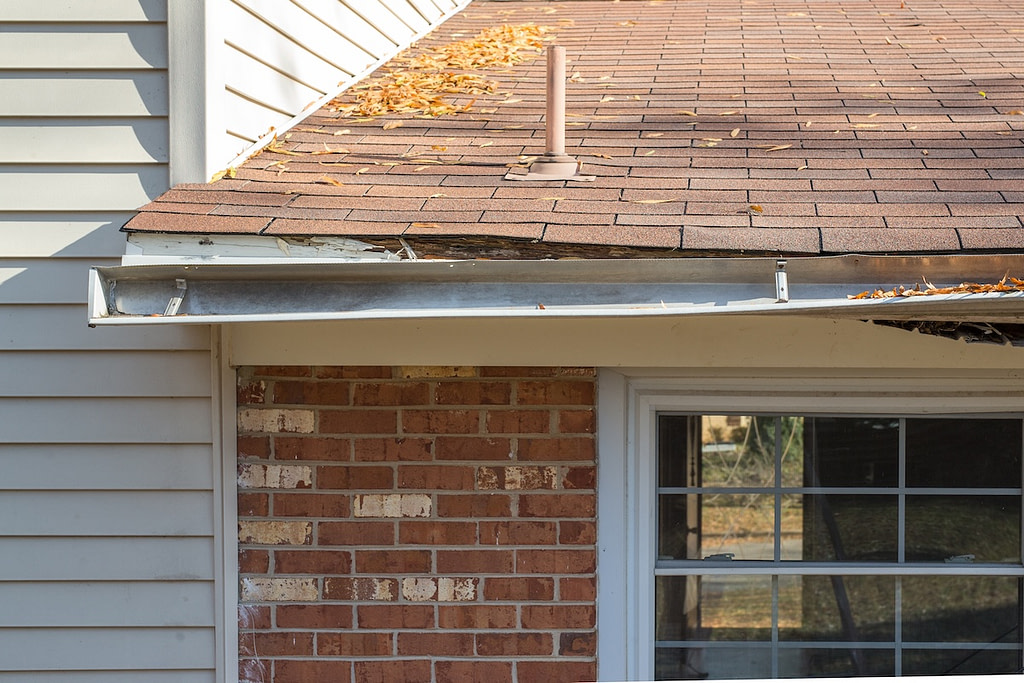
When snow accumulates in your gutters, the added weight strains brackets and hangers, causing sagging or detachment. Sagging gutters interrupt water flow and allow runoff to pool near the foundation.
- Tip: After each major snowstorm, gently remove buildup from gutters using a roof rake or broom. If sagging occurs, schedule professional tightening or replacement of hangers.
2. Water Overflow During Rain
Overflow means water isn’t traveling through your downspouts as intended. This often happens due to leaf buildup or improper slope. In Iowa’s fall months, leaves and twigs can quickly block gutter channels.
- Tip: Schedule gutter cleaning in late fall before winter sets in. Professionals can also adjust slope alignment to ensure proper water drainage.
3. Ice Dams Along Roof Edges
Ice dams form when heat escapes from the attic, melting snow that refreezes in gutters. The weight of the ice can damage both the gutters and roof edges.
- Tip: Improve attic insulation and ventilation to reduce ice buildup. Repair any seams or joints damaged by expanding ice before spring.
4. Leaks At Seams Or Corners
In freezing climates like Iowa, metal contraction and expansion can loosen joints and create small leaks. These leaks often show up as water streaks along siding or fascia.
- Tip: Inspect seams each spring and seal with waterproof gutter caulking. Replace older sections showing rust or cracks to maintain continuous flow.
4 Signs & Tips For Gutter Repair In Florida
Florida’s climate poses a very different challenge. Instead of snow and freezing, homeowners face high humidity, salt air, and heavy rainstorms. Paying attention to early signs of gutter wear helps prevent mold growth and water intrusion during hurricane season.
1. Corrosion Or Rust Spots
Salt air near the coast accelerates corrosion, even on aluminum gutters. Rust weakens seams and eventually creates holes that cause leaks and streaking.
- Tip: Choose corrosion-resistant materials like vinyl or stainless steel when repairing gutters. Regularly rinse gutters with fresh water to minimize salt buildup.
2. Detached Downspouts After Storms
High winds and heavy rain can loosen downspouts or separate them from the gutter system entirely. When this happens, water collects near the home’s foundation or floods landscaping.
- Tip: After major storms, inspect downspouts for detachment or loose straps. Refasten them securely to prevent water damage and soil erosion.
3. Standing Water In Gutters
Florida’s humidity slows evaporation, allowing water to stagnate and promote algae or mosquito growth. Standing water also adds weight, which can lead to sagging.
- Tip: Make sure gutters are properly sloped and downspouts are free of debris. Add mesh guards or filters to keep leaves out year-round.
4. Mold Or Mildew Growth
Constant moisture can cause mold along gutters and fascia boards. Over time, it discolors surfaces and creates a musty odor near the roofline.
- Tip: Clean gutters with a mild bleach solution every few months and repaint with mold-resistant coatings. Consider replacing sections that show deep mildew staining.
Why Addressing Gutter Problems Early Matters
Ignoring small gutter issues can lead to large-scale water damage that affects your entire home. Overflowing water seeps into fascia boards, siding, and basements. Over time, this results in rot, soil erosion, and costly foundation repairs.
Key Reasons To Act Fast
- Prevent roof leaks: Functioning gutters protect the roof deck and attic from moisture.
- Protect siding: Proper drainage prevents water streaks and staining.
- Avoid foundation cracks: Consistent water flow keeps soil stable around your home.
- Increase longevity: Regular gutter repair extends the lifespan of your system.
Addressing problems promptly also saves you from seasonal surprises. Once gutters fail, damage can spread to multiple parts of your home, multiplying repair costs.
4 Steps For Effective Gutter Repair And Maintenance
This section replaces H3s with a numbered list, following Young Construction’s structure for process-oriented sections.
- Inspect Thoroughly: Walk around your home during rainfall and look for leaks, overflow, or sagging areas.
- Clean Out Debris: Remove leaves, twigs, and buildup using a scoop or gutter cleaning tool.
- Seal And Tighten: Apply sealant to small leaks and tighten loose hangers or screws to restore alignment.
- Schedule Professional Help: If problems persist, call a roofing and gutter expert for inspection and repair to prevent structural issues.
Preventive Maintenance Tips For All Climates
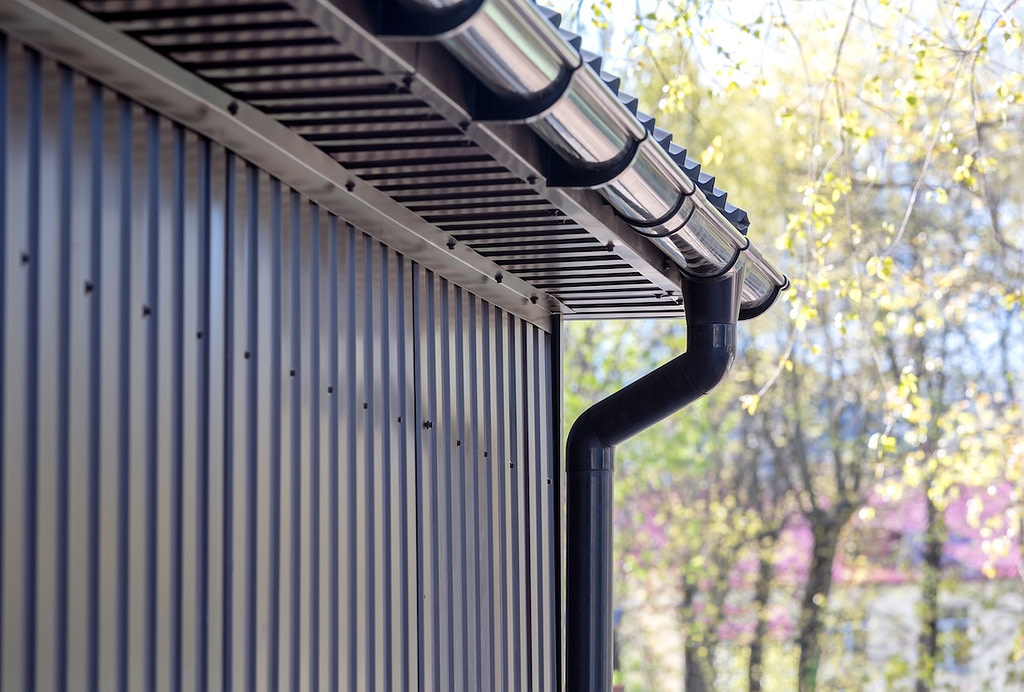
Regardless of where you live, preventive care helps keep your gutters functioning properly through any season. Consistent maintenance protects both your roof and your home’s structure.
Seasonal Cleaning And Checkups
- Spring: Remove debris left from winter and confirm water drains freely.
- Summer: Inspect seams for separation and clean out insect nests.
- Fall: Clear leaves and ensure downspouts are unobstructed.
- Winter: Check for sagging or ice buildup if temperatures drop below freezing.
Upgrading Materials And Features
- Seamless gutters: Reduce leak points and require less maintenance.
- Gutter guards: Keep leaves and twigs from entering channels.
- Downspout extensions: Direct water farther from your home’s foundation.
Why Choose Young Construction For Gutter Repair
At Young Construction, we specialize in reliable, long-lasting gutter repair that keeps your home protected through every season. Our experienced team inspects your system thoroughly, fixes leaks and sagging, and ensures your gutters drain efficiently year-round.
- Comprehensive inspections: We locate the root cause of gutter failure before repairs begin.
- High-quality materials: We use durable, weather-resistant products that fit your home’s needs.
- Expert craftsmanship: Every repair is handled by skilled professionals committed to excellence.
Whether you’re facing winter ice buildup or tropical rainstorms, our team is ready to restore your gutter system’s performance and appearance. Contact Young Construction today for a free quote and let our experts keep your home safe, dry, and beautiful all year long.