Gutter screens are one of the most effective ways to keep leaves, twigs, and debris out of your gutters, cutting down on the dangerous, repetitive chore of cleaning them out by hand. For Iowa homeowners dealing with heavy autumn leaf fall, spring seeds, and the ice and snow of harsh winters, the right gutter protection keeps water flowing and defends your roof, fascia, and foundation from water damage. Knowing the four main types and their tradeoffs helps you choose a system that actually performs in our climate. Here is what this guide covers:
- The four types: How screen, micro-mesh, foam, and brush guards differ.
- Pros and cons: The strengths, weaknesses, and cost of each option.
- What suits Iowa: How to choose gutter protection for our leaves, snow, and ice.
Why Gutter Screens Matter for Iowa Homes
Gutter screens matter because clogged gutters lead to overflowing water that damages your roof, fascia, soffit, and foundation, and cleaning them repeatedly is both tedious and risky. In a climate with heavy leaf fall and long winters, keeping gutters clear is essential to protecting your home year-round.
Clogged Gutters Cause Expensive Damage
Clogged gutters cause expensive damage because water that cannot drain overflows and finds its way into places it should not. When debris blocks the flow, water spills over the sides and pools against the foundation, backs up under the roofline to rot the decking and soffit, and can freeze into damaging ice dams in winter. This overflow leads to basement flooding, foundation cracks, fascia rot, and landscape erosion, all costly to repair. Gutter screens keep the debris out so water can flow freely to the downspouts. For homes in Garner and surrounding areas, that protection matters through every season.
- Overflow damage: Blocked gutters spill water against the foundation.
- Roof and soffit rot: Backed-up water damages decking and soffit.
- Ice dams: Trapped water can freeze into damaging winter ice dams.
- Free flow: Screens keep debris out so water drains properly.
They Reduce Dangerous, Repeated Cleaning
Gutter screens greatly reduce the need to climb ladders and clean gutters by hand, a chore that is both tedious and genuinely dangerous. Without protection, most homes need their gutters cleaned two to four times a year, each time requiring risky ladder work. Quality gutter screens cut that frequency dramatically, with the best systems reducing it to an occasional inspection and light rinse. This saves time, reduces risk, and spares you a job most homeowners dread. For homeowners in Garner and surrounding areas, fewer trips up the ladder is a benefit felt every season.
- Less ladder work: Screens cut the frequency of hand cleaning.
- Safer: Fewer risky trips up the ladder each year.
- From frequent to rare: The best systems need only occasional rinsing.
- Saves time: Spares you a tedious, recurring chore.
4 Types of Gutter Screens and Their Pros and Cons
Gutter protection comes in four main types, each with a different balance of cost, performance, and durability. The comparison below walks through screen, micro-mesh, foam, and brush guards so you can weigh them for your home.
1. Screen Guards
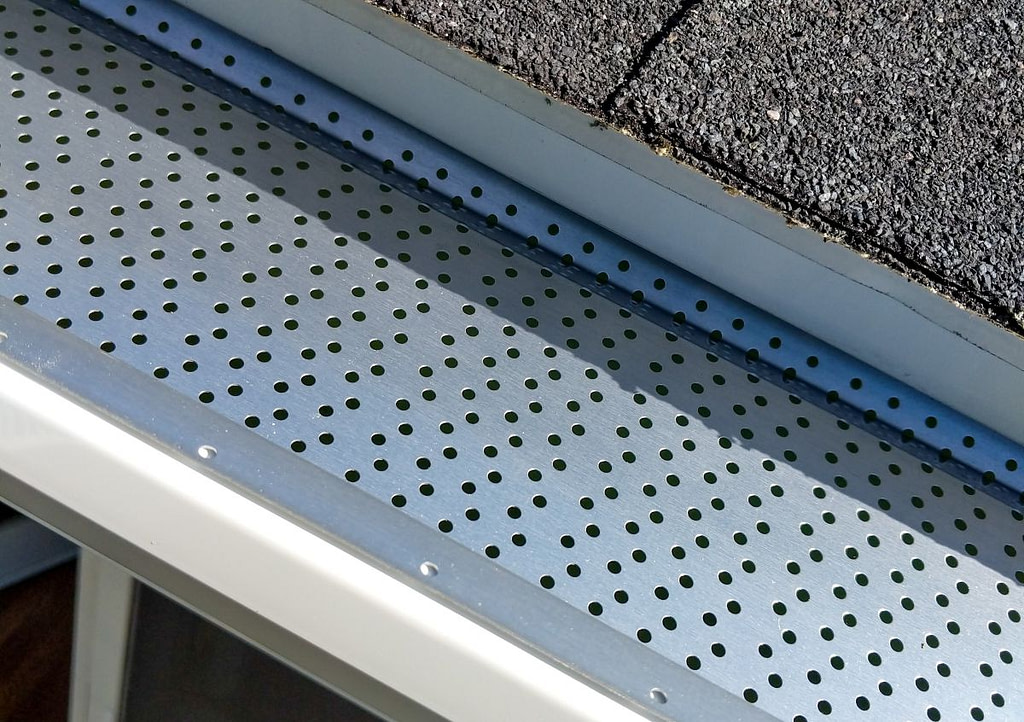
Screen guards are metal or plastic panels with holes or slots that let water through while blocking larger debris like leaves and twigs. They are affordable, widely available, and among the easiest to install, often simply snapping onto or resting in the gutter, which makes them popular with budget-conscious homeowners. Their main limitation is that smaller debris like pine needles, seeds, and shingle grit can still pass through or clog the openings. Cheap plastic screens also deteriorate under UV within a few years, so metal screens are the more durable choice. Screen guards are a solid middle-ground value when made of quality metal.
- Affordable and easy: Low cost with simple, often DIY installation.
- Blocks big debris: Keeps leaves and twigs out effectively.
- Small-debris gap: Pine needles and seeds can still get through.
- Choose metal: Quality metal outlasts UV-prone plastic screens.
2. Micro-Mesh Guards
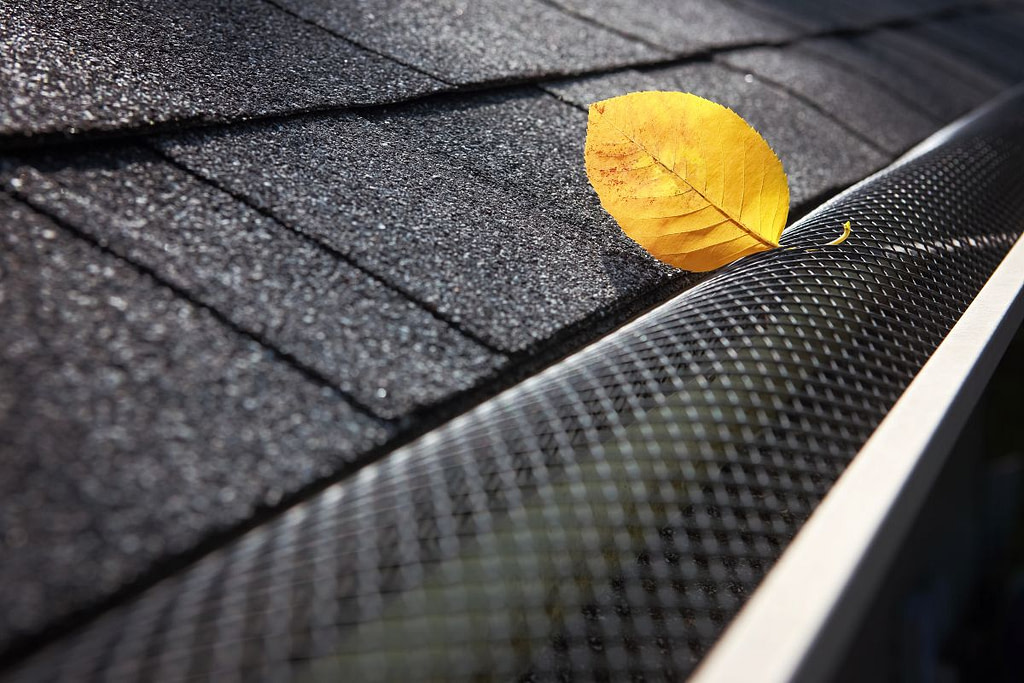
Micro-mesh guards are the top-performing option, using a fine mesh, often stainless steel, with tiny openings that block even the smallest debris while letting water through. They filter out pine needles, seeds, and shingle grit that defeat other guards, and quality powder-coated metal versions last 15 to 20 years, the longest of any type. The tradeoffs are a higher upfront cost and the need for professional installation to set the angle and seal correctly. Micro-mesh can develop mineral deposits over time but requires the least routine maintenance of any guard. For homeowners who want the best long-term protection, micro-mesh is widely considered the gold standard.
- Best filtration: Blocks even pine needles, seeds, and grit.
- Longest lifespan: Quality metal versions last 15 to 20 years.
- Higher cost: More expensive and best installed professionally.
- Low maintenance: Requires the least routine upkeep of any type.
3. Foam Inserts
Foam inserts are porous foam pieces that sit inside the gutter, blocking debris while letting water filter through the foam. They are the cheapest option and the easiest to install, simply dropping into the gutter with no tools, and they are essentially invisible from the ground. However, they have the shortest lifespan of any guard, often just two to four years, and they tend to hold moisture, allowing plants and seeds to sprout inside them and making them difficult to clean. In cold climates, foam is less effective and prone to problems. Foam inserts work best as a low-cost, temporary solution rather than a long-term one.
- Cheapest and easiest: Drops in with no tools and hides from view.
- Short lifespan: Often needs replacement in two to four years.
- Holds moisture: Can grow plants and is hard to clean.
- Temporary fit: Best as a short-term, budget solution.
4. Brush Guards
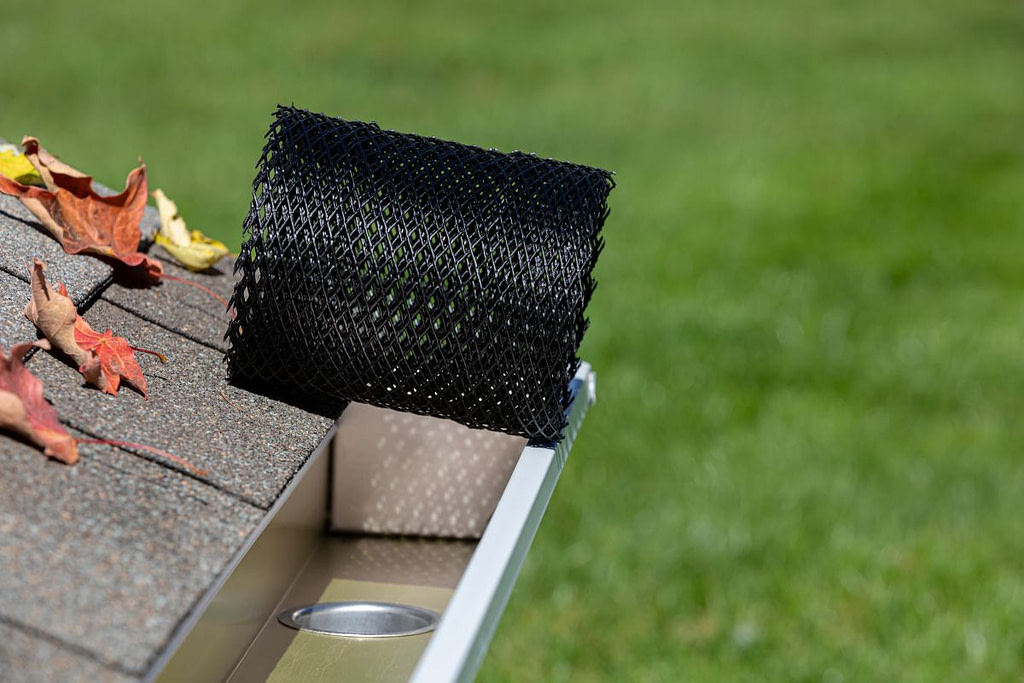
Brush guards look like large bottle brushes that sit inside the gutter, with bristles that let water pass while catching leaves and larger debris on top. They are inexpensive, easy to install by hand, and removable, making them a simple DIY option that significantly reduces large blockages. Their weaknesses are that debris gets caught in the bristles and requires frequent cleaning, they do not stop small debris, and they have a short lifespan of about three to five years. Bristles can also attract nesting and struggle with pine needles. Brush guards suit homeowners wanting a cheap, simple option who do not mind periodic upkeep.
- Simple and cheap: Easy hand installation and fully removable.
- Cuts big clogs: Catches leaves and larger debris on top.
- Frequent cleaning: Debris lodges in bristles and must be cleared.
- Short lifespan: Typically lasts about three to five years.
Filtration performance is where these types differ most sharply, and the numbers are striking. According to Angi, micro-mesh gutter guards filter debris through holes as small as 30 to 50 microns, drawing rainwater through while blocking even tiny particles that pass right through other guard types. That fine filtration is why micro-mesh is the only type that reliably keeps out pine needles and shingle grit.
How Should Iowa Homeowners Choose Gutter Screens?
Iowa homeowners should choose gutter screens based on their surrounding trees, their climate challenges, their budget, and how long they plan to stay in the home. The heavy leaf fall and harsh winters of the region make durability and cold-weather performance especially important.
Match the Guard to Iowa’s Climate and Your Trees
Matching the guard to Iowa’s climate and your specific trees is the key to choosing well. Homes surrounded by pine or evergreen trees really need micro-mesh, since it is the only type that reliably blocks pine needles, while homes with mostly large leaves can do well with quality metal screens at a lower cost. Iowa’s freeze-thaw cycles and snow load favor durable metal guards over foam, which performs poorly in the cold. Balancing upfront cost against lifespan matters too, since cheaper guards often need repeated replacement. A professional can assess the trees, roof, and budget of homes in Garner and surrounding areas to recommend the right fit.
- Pine needles: Micro-mesh is the only type that reliably blocks them.
- Large leaves: Quality metal screens handle these at lower cost.
- Cold performance: Durable metal beats foam in Iowa winters.
- Cost versus lifespan: Cheaper guards may need repeated replacement.
Frequently Asked Questions
What is the best type of gutter screen?
Micro-mesh gutter guards are widely considered the best overall type, since their fine filtration blocks even pine needles and small debris and quality versions last 15 to 20 years. Metal screen guards are a strong budget-friendly middle ground for homes with mostly large leaves. The best choice depends on your trees, climate, and budget.
How much do gutter screens cost?
Costs vary by type, with foam and brush guards running roughly $3 to $8 per linear foot, metal screens on the lower end, and premium micro-mesh systems costing about $15 to $30 per linear foot installed. A full micro-mesh system for an average home often totals $2,500 to $5,000. A detailed, written estimate gives you an accurate figure for your home.
Do gutter screens work in Iowa winters?
Quality metal and micro-mesh gutter screens perform well in Iowa winters, while foam guards tend to hold moisture and perform poorly in the cold. Durable metal guards handle snow load and freeze-thaw cycles better. Choosing a cold-tolerant type is important for our climate.
Do gutter screens completely eliminate cleaning?
No guard completely eliminates maintenance, but quality micro-mesh dramatically reduces it, often to an annual inspection and light rinse instead of two to four full cleanings. Foam and brush guards require more frequent upkeep. The higher-performing the guard, the less cleaning it needs.
Can I install gutter screens myself?
Screen, foam, and brush guards are generally DIY-friendly for homeowners comfortable on a ladder, while micro-mesh and reverse-curve systems are best installed by professionals for proper angling and sealing. Poor installation reduces performance. Professional installation also often comes with a warranty.
Are gutter screens worth the cost?
For homeowners who regularly deal with clogged gutters, gutter screens are usually worth it, since the cost of water damage from overflowing gutters far exceeds the price of guards. Micro-mesh offers the best long-term value despite its higher upfront cost. Cheaper guards can be false economy if they need frequent replacement.
Trust Young Construction for Gutter Protection
When it comes to choosing and installing gutter screens, Young Construction brings over 20 years of local experience and a clear understanding of how Iowa’s heavy leaves, snow, and ice challenge a gutter system. We assess your trees, roof, and drainage, recommend the guard type that truly fits your home and budget, and install it so your gutters stay clear and your roof, fascia, and foundation stay protected. As a family-owned, fully licensed and insured company with more than 150 five-star reviews, we treat your home with genuine care and give you honest guidance rather than a one-size-fits-all pitch. If you are tired of cleaning your gutters or worried about water damage, you deserve gutter protection matched to our climate. Contact Young Construction today to talk through your gutter needs and request a detailed, written estimate, and let our team help you keep your gutters clear year-round.