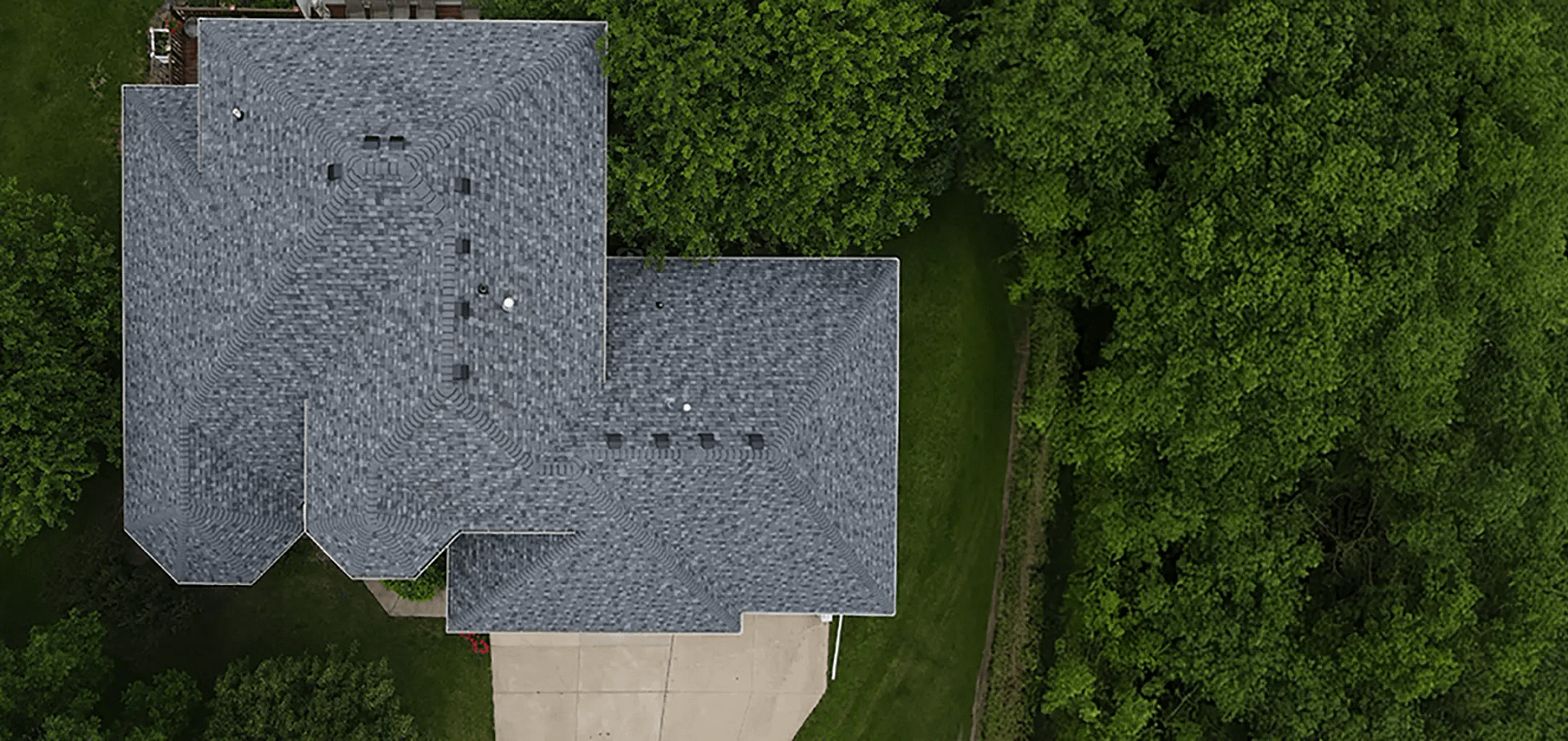
A proper hail damage roof inspection is essential after a storm to identify both visible and hidden damage that could lead to leaks and long-term issues. Hail can weaken roofing materials without causing obvious signs, which is why professional inspections are critical. Understanding what experts look for helps homeowners know when action is needed and how to protect their roof.
- Hidden damage detection: Not all hail damage is visible from the ground.
- Preventative action: Early inspections help avoid costly repairs later.
- Roof protection: Identifying damage quickly preserves roof lifespan.
Why Hail Damage Inspections Matter

Hailstorms can impact roofs with significant force, especially in areas that experience severe weather. Even small hailstones can damage shingles, dent metal components, or weaken protective layers. Over time, this damage can lead to leaks, reduced durability, and premature roof failure.
A hail damage roof inspection helps identify these issues early. Professionals are trained to spot subtle signs that homeowners might miss, ensuring that all damage is properly evaluated before it worsens.
What Professionals Look For During a Hail Damage Roof Inspection
Roofing professionals follow a detailed process when inspecting a roof after hail damage. They evaluate multiple areas to determine the extent of damage and recommend appropriate next steps.
Shingle Surface Damage
- Impact marks: Circular or random dents on shingles from hail strikes.
- Granule loss: Missing protective granules that expose the shingle surface.
- Soft spots: Areas where the shingle feels weakened after impact.
Shingle damage is one of the most common results of hailstorms.
Roof Flashing and Metal Components
- Dents in flashing: Hail can leave visible marks on metal edges and joints.
- Vent damage: Roof vents may be cracked or dented.
- Gutter impacts: Dents in gutters and downspouts often indicate hail severity.
Metal components often show clear evidence of hail damage.
Roof Vents and Penetrations
- Cracked vent covers: Plastic components may break under impact.
- Seal damage: Hail can weaken sealant around penetrations.
- Loose fittings: Components may shift during storms.
These areas are especially vulnerable to leaks.
Roof Edges and Ridges
- Ridge cap damage: Hail may crack or loosen ridge shingles.
- Edge wear: Roof edges can take direct impact during storms.
- Wind-related damage: Hail combined with wind can worsen issues.
Edges and ridges are often exposed to the strongest impacts.
2 Signs of Hail Damage Homeowners Can Spot
While professional inspections are important, homeowners can still look for warning signs after a storm.
1. Visible Exterior Damage
- Dented gutters: Indicate hail impact.
- Damaged siding: Hail may leave marks on exterior walls.
- Shingle debris: Pieces of roofing material on the ground.
These signs suggest the roof may also be affected.
2. Interior Warning Signs
- Ceiling stains: Water marks inside the home.
- Moisture in attic: Damp insulation or condensation.
- Dripping water: Active leaks after storms.
Interior damage often indicates roof issues.
Types of Hail Damage
Hail can cause different types of damage depending on storm severity and roofing material.

Cosmetic Damage
- Surface marks: Minor dents or discoloration.
- Limited impact: Does not immediately affect performance.
- Appearance concerns: May reduce curb appeal.
Cosmetic damage may not require immediate repair but should be monitored.
Functional Damage
- Granule loss: Reduces protection against UV rays.
- Cracked shingles: Allows water to enter.
- Weakened materials: Leads to future problems.
Functional damage often requires repair or replacement.
What Happens After a Hail Damage Roof Inspection
Once the inspection is complete, professionals provide a clear understanding of the roof’s condition and recommended next steps.
Detailed Assessment
- Damage report: Outlines affected areas and severity.
- Photo documentation: Provides visual evidence of damage.
- Professional recommendations: Suggests repair or replacement options.
This information helps homeowners make informed decisions.
Repair or Replacement Planning
- Minor repairs: Address small areas of damage.
- Partial replacement: Replace damaged sections.
- Full replacement: Recommended for widespread damage.
The right solution depends on the extent of damage.
How to Prepare for a Roof Inspection
Preparing for a professional inspection helps ensure a smooth process.
Clear Access to the Roof
- Remove obstacles: Keep driveway and yard accessible.
- Secure pets: Ensure safety during inspection.
- Provide attic access: Allows full evaluation of the roof system.
Preparation helps inspectors complete a thorough evaluation.
Document Storm Details
- Storm date: Note when the hailstorm occurred.
- Visible damage: Record any signs you have noticed.
- Previous issues: Mention any past roof problems.
Providing information helps inspectors assess damage more accurately.
Protect Your Roof After Hail Damage
A timely hail damage roof inspection is one of the best ways to protect your home after a storm. Identifying damage early allows for proper repairs and prevents long-term issues that could affect your roof’s performance.

Get Reliable Roofing Support With Young Construction
Storm damage can be difficult to assess without professional expertise. Understanding what to expect during an inspection helps homeowners take the right steps to protect their property.
Why Homeowners Trust Young Construction
- Storm damage expertise: Experience identifying and addressing hail damage.
- Commitment to quality: Focused on durable roofing solutions.
- Trusted guidance: Helping homeowners understand their roof’s condition.
If your home has experienced hail, contact Young Construction today for a free estimate and get expert guidance on protecting and restoring your roof.