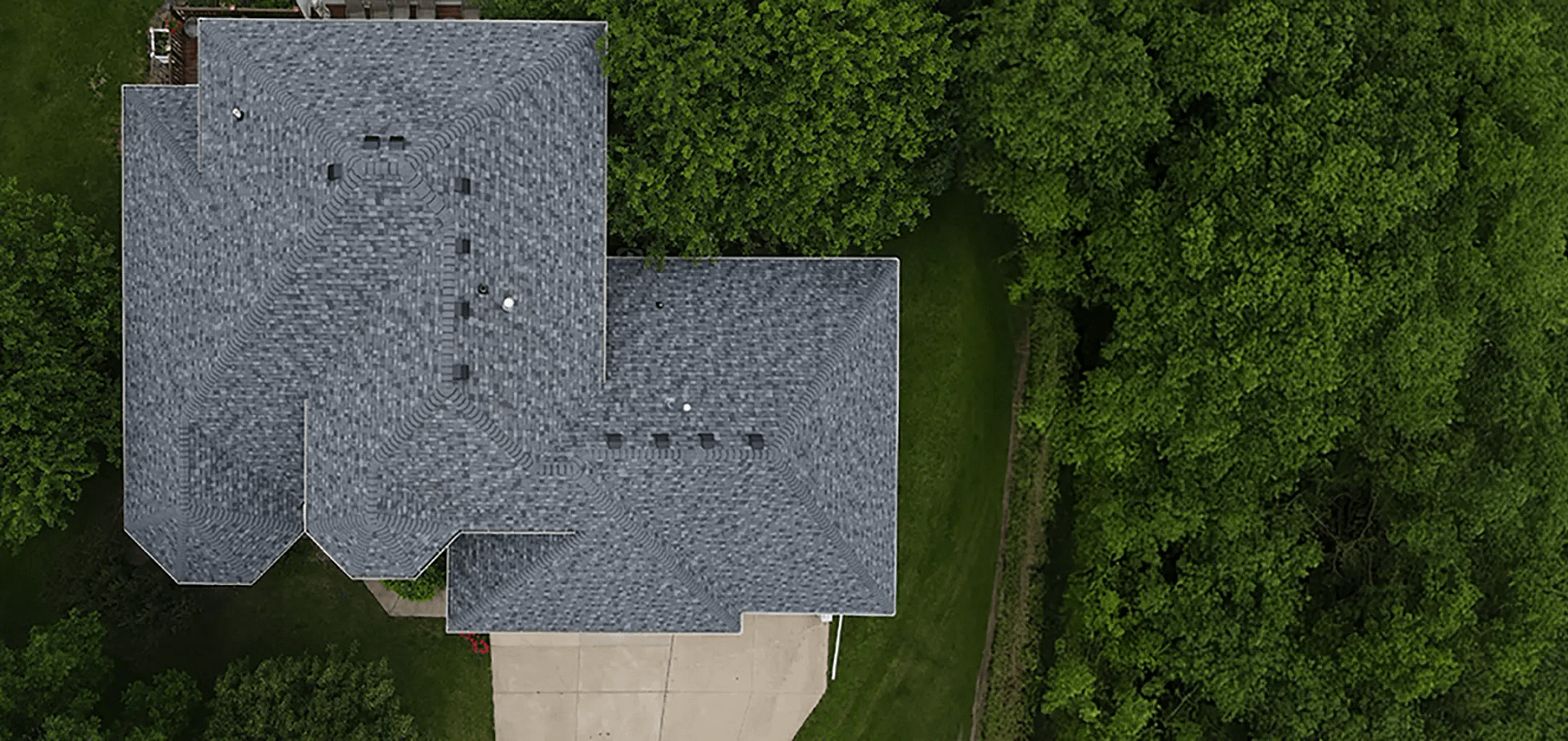
Choosing the right horizontal siding style can dramatically improve your home’s appearance while also protecting it from the elements. Horizontal siding remains one of the most popular exterior designs because it offers clean lines, timeless appeal, and versatile material options. Whether you want a classic look or a modern exterior upgrade, the right siding design can enhance curb appeal and improve long term durability.
- Timeless design: Horizontal siding creates a clean and balanced exterior appearance.
- Material versatility: Available in vinyl, fiber cement, wood, and metal options.
- Curb appeal boost: The right style can transform the overall look of a home.

Why Horizontal Siding Is So Popular
Horizontal siding has been a staple of residential architecture for decades because it offers a simple yet visually appealing layout. The long, horizontal lines create a sense of width and balance, making homes appear larger and more structured. This design works well with many architectural styles, including traditional, farmhouse, and modern homes.
Another advantage is its practical performance. Horizontal siding is designed to shed water easily and resist weather exposure when installed correctly. With proper installation and maintenance, these siding systems can provide reliable protection for decades.
5 Horizontal Siding Design Options For Homes
There are many ways to incorporate horizontal siding into a home’s design. Each option offers a unique aesthetic while still providing the same protective benefits.
1. Traditional Lap Siding
Traditional lap siding is one of the most recognizable horizontal siding designs. Each board overlaps the one below it, creating a layered effect that efficiently sheds water.
- Appearance: Classic, clean lines that suit nearly any home style.
- Materials available: Vinyl, fiber cement, wood, and engineered wood.
- Benefits: Durable, easy to maintain, and widely available.
Lap siding remains a favorite because it balances timeless design with dependable performance.
2. Dutch Lap Siding
Dutch lap siding adds a decorative profile that creates deeper shadow lines between each row of siding. This design adds visual interest while maintaining the durability of traditional horizontal siding.
- Appearance: Curved edge profile that produces bold shadow lines.
- Materials available: Often made from vinyl or engineered wood.
- Benefits: Enhanced curb appeal and added architectural character.
Dutch lap siding is a great choice for homeowners who want a slightly more decorative exterior without sacrificing durability.
3. Beaded Seam Siding
Beaded seam siding features a small rounded bead at the bottom of each panel. This subtle detail gives the exterior a more refined and traditional appearance.
- Appearance: Smooth horizontal panels with a decorative bead along the edge.
- Materials available: Typically vinyl or fiber cement.
- Benefits: Elegant appearance that complements colonial and historic homes.
This style is often used when homeowners want to maintain a classic architectural feel.
4. Board and Batten Hybrid
While board and batten siding is traditionally vertical, many modern homes combine horizontal siding with board and batten accents. This hybrid design adds texture and contrast to the exterior.
- Appearance: Horizontal siding paired with vertical accent sections.
- Materials available: Fiber cement, wood, or engineered wood.
- Benefits: Adds depth and modern design appeal.
This combination works especially well on contemporary homes that want a mix of classic and modern elements.
5. Wide Plank Horizontal Siding
Wide plank siding uses broader boards than traditional lap siding. The wider panels create a bold and modern look that stands out from standard siding designs.
- Appearance: Larger horizontal boards with fewer seams.
- Materials available: Fiber cement, wood, and metal siding.
- Benefits: Contemporary style with strong visual impact.
Wide plank siding is a popular choice for modern homes looking for a sleek exterior appearance.
Horizontal vs Vertical Siding: Key Differences
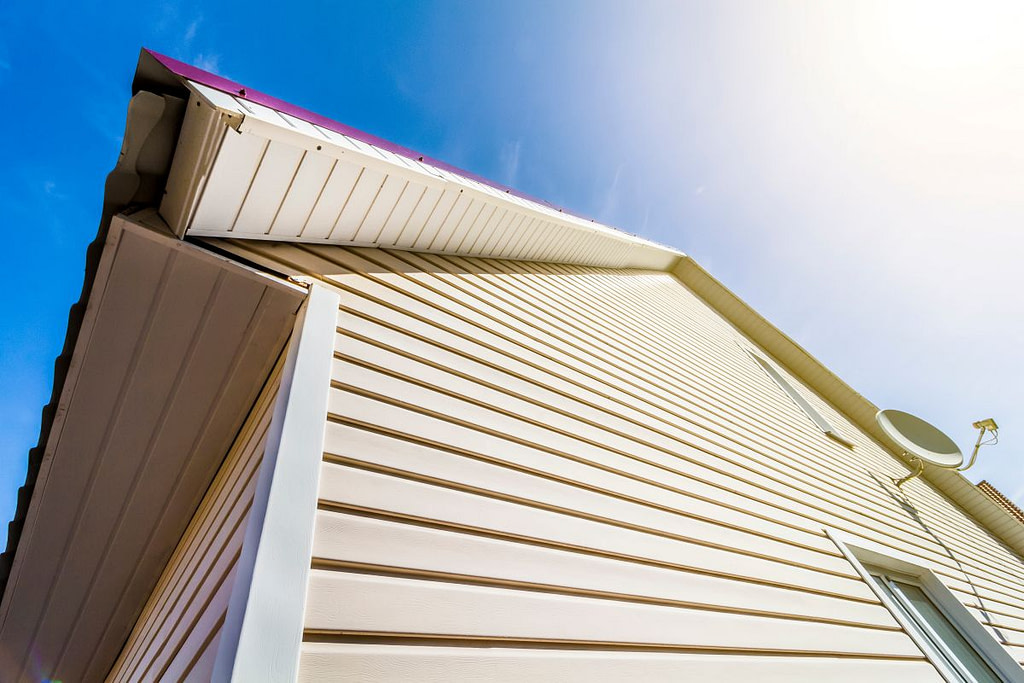
When choosing siding for your home, many homeowners compare horizontal and vertical installation styles. While both options provide strong protection and visual appeal, they create different design effects and may perform differently depending on the home’s architecture. Horizontal siding is the most common style used in residential construction, but vertical siding has become increasingly popular for modern and farmhouse style homes.
- Appearance: Horizontal siding creates long, continuous lines that make a home appear wider, while vertical siding draws the eye upward and can make a structure appear taller.
- Water drainage: Horizontal siding overlaps to shed water efficiently, while vertical siding relies on battens or seams to prevent moisture intrusion.
- Architectural compatibility: Horizontal siding works well with traditional homes, while vertical siding is often used for modern, farmhouse, or accent wall designs.
- Maintenance considerations: Horizontal siding may collect debris along seams, while vertical siding can sometimes show dirt streaks more easily on taller surfaces.
Both styles can perform well when installed correctly. Many homeowners also combine horizontal siding with vertical accents to create visual contrast and highlight architectural features.
Choosing the Right Material for Horizontal Siding
The material you choose plays a major role in the durability, maintenance requirements, and appearance of your siding system. Different materials offer different advantages depending on your climate and design goals.
Vinyl Siding
- Affordability: One of the most budget friendly siding materials available.
- Low maintenance: Requires little more than occasional cleaning.
- Durability: Resistant to pests and moisture.
Vinyl siding remains one of the most widely used options because of its affordability and long lifespan.
Fiber Cement Siding
- Long lifespan: Can last several decades with proper care.
- Fire resistance: Offers strong protection against fire and extreme weather.
- Design flexibility: Can mimic the appearance of wood or stone.
Fiber cement siding provides durability and design versatility for homeowners seeking a premium option.
Wood Siding
- Natural appearance: Offers a warm and traditional look.
- Customization: Easily painted or stained in different colors.
- Eco friendly: Often sourced from renewable materials.
Wood siding requires regular maintenance but provides unmatched natural beauty.
Metal Siding
- High durability: Resistant to fire, pests, and severe weather.
- Modern style: Clean lines complement contemporary architecture.
- Low maintenance: Rarely requires refinishing or repair.
Metal siding is increasingly popular for homeowners who want long lasting protection with a modern aesthetic.
Color and Texture Options for Horizontal Siding
Design choices extend beyond the siding style itself. Colors and textures also play a major role in creating a distinctive exterior.
Neutral Color Palettes
- Classic tones: White, beige, and gray remain popular choices.
- Versatile design: Neutral colors complement many architectural styles.
- Timeless appeal: Helps maintain resale value.
Neutral colors create a clean and sophisticated appearance.
Bold Accent Colors
- Modern look: Dark blues, charcoal, and forest green offer dramatic contrast.
- Architectural highlights: Use bold colors on accent walls or trim.
- Visual depth: Adds dimension to the home’s exterior.
Bold colors can make horizontal siding stand out while maintaining elegance.
Textured Finishes
- Wood grain textures: Mimic the appearance of natural wood.
- Smooth panels: Provide a sleek contemporary look.
- Matte finishes: Reduce glare and highlight architectural features.
Texture choices can subtly enhance the overall design of the exterior.
Installation Tips for Horizontal Siding
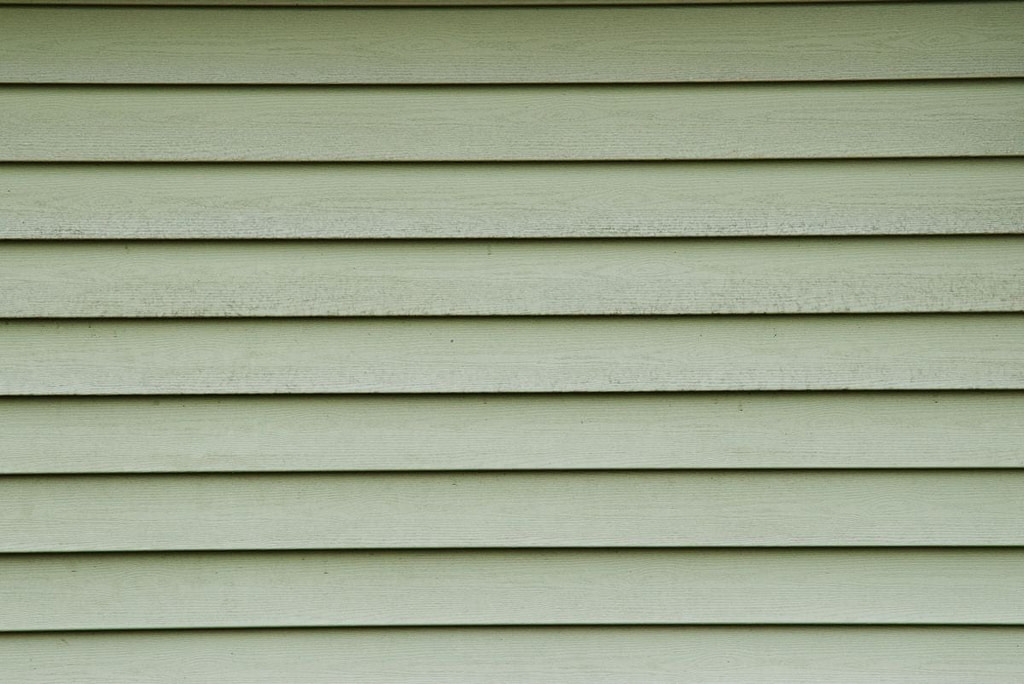
Proper installation ensures horizontal siding performs effectively and lasts for many years.
Maintain Proper Spacing
- Expansion allowance: Siding must have room to expand and contract with temperature changes.
- Secure fastening: Nails should be tight enough to hold panels but allow slight movement.
- Even alignment: Straight rows ensure both function and visual appeal.
Correct spacing prevents buckling or warping over time.
Protect Against Moisture
- Install weather barriers: House wrap protects the wall structure from water infiltration.
- Seal seams carefully: Proper flashing prevents leaks around windows and doors.
- Maintain ventilation: Airflow behind siding reduces moisture buildup.
Moisture control is essential for maintaining siding durability.
Schedule Routine Maintenance
- Inspect annually: Look for loose panels or signs of damage.
- Clean periodically: Remove dirt and debris with gentle washing.
- Repair promptly: Address small issues before they spread.
Consistent maintenance keeps horizontal siding looking great and functioning properly.
Elevate Your Home’s Exterior With Young Construction
Choosing the right horizontal siding style can dramatically improve your home’s protection, efficiency, and curb appeal. From traditional lap siding to modern wide plank designs, there are many options available to match your home’s architecture and personal style.
Your home’s exterior should provide both beauty and protection. Understanding the different siding styles and materials helps homeowners make confident decisions that enhance long term performance and visual appeal.
A strong exterior begins with the right siding choice. Contact Young Construction today for a free estimate and discover how the right siding design can transform your home’s appearance and performance for years to come.