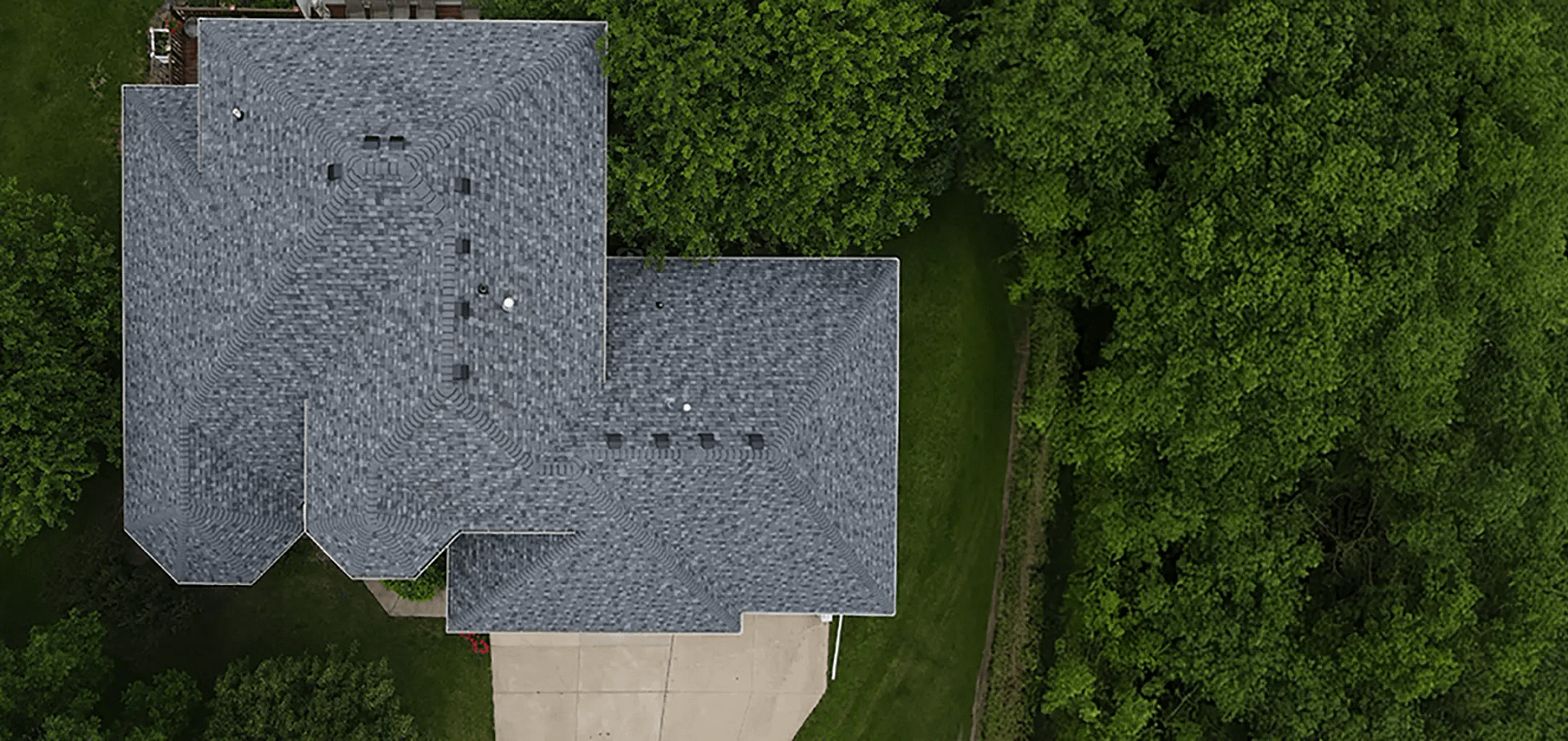
The question of “how long does a shingle roof last?” comes down mostly to the type of shingle, with most asphalt shingle roofs lasting between 15 and 30 years under normal conditions. Basic 3-tab shingles sit at the lower end of that range, architectural shingles in the middle, and premium products at the top, but the real-world number also hinges on your climate, installation quality, ventilation, and maintenance. Knowing what to expect helps you plan ahead, budget for replacement, and get the most life out of the roof you have. Here is what this guide covers:
- Lifespan by type: How long 3-tab, architectural, and premium shingles typically last.
- Key factors: What extends or shortens the life of your shingle roof.
- When to replace: The signs that your roof is nearing the end of its service.

What Is the Average Shingle Roof Lifespan?
The average shingle roof lasts 15 to 30 years, with the exact figure depending heavily on the shingle type and the conditions it faces. Manufacturers advertise long warranty periods, but those numbers reflect controlled lab testing rather than the real-world wear of sun, storms, and freeze-thaw cycles.
Why Do Lifespans Vary So Much?
Shingle roof lifespans vary so much because real-world performance depends on far more than the number printed on the packaging. The warranty rating assumes ideal installation, perfect ventilation, and moderate conditions, none of which fully match a roof exposed to UV, wind, hail, and temperature swings. Installation quality and attic ventilation often matter more than the shingle brand itself, since poor workmanship or trapped attic heat can shave years off any roof. Climate is also a major factor, with harsh weather shortening lifespans significantly. Understanding this gap between the rating and reality helps you set accurate expectations. For homes in Manson City and surrounding areas, Iowa’s freeze-thaw cycles and storms make real-world lifespan the number that matters.
- Warranty versus reality: Rated years assume ideal lab conditions, not real weather.
- Installation quality: Poor workmanship can shorten any roof’s life.
- Ventilation impact: Trapped attic heat accelerates shingle aging.
- Climate exposure: Harsh weather meaningfully reduces lifespan.
How Does Climate Affect Roof Life?
Climate affects roof life dramatically, since sun, wind, hail, and freeze-thaw cycles all wear shingles down faster than moderate conditions would. Intense UV exposure dries out shingles and accelerates granule loss, especially on south-facing slopes, while high winds can lift and tear shingle edges. In cold climates, repeated freezing and thawing stresses the material and can loosen the seal, and hail bruises the surface and breaks protective granules. Coastal salt air is especially harsh, cutting some lifespans to just 12 to 18 years. A realistic lifespan in a demanding climate often falls below the advertised rating. Matching your expectations to your local weather is the key to planning ahead.
- UV and heat: Sun exposure dries shingles and speeds granule loss.
- Wind and hail: Storms lift edges and break protective granules.
- Freeze-thaw stress: Cold-climate cycling loosens seals over time.
- Harsh environments: Severe weather can cut lifespans well below ratings.
3 Shingle Types and How Long They Last
Different asphalt shingle types carry meaningfully different lifespans, so knowing which you have or want is central to planning. The three main categories below range from budget-friendly to premium, each with its own expected service life.
1. 3-Tab Shingles
3-tab shingles are the most affordable and basic asphalt option, and they carry the shortest lifespan, typically 15 to 20 years. Made from a single flat layer of asphalt, they create a uniform appearance but are thinner and more vulnerable to wind and weather than other types, with wind ratings of only about 60 to 70 miles per hour. Their lighter construction makes them budget-friendly upfront but more prone to blow-offs and granule loss over time. In harsh climates, their real-world lifespan can fall toward the lower end or below. For homeowners prioritizing upfront cost over longevity, 3-tab shingles remain a common choice.
- Shortest lifespan: Typically 15 to 20 years under normal conditions.
- Single layer: Thinner and more vulnerable to wind and weather.
- Lower wind rating: Rated for only about 60 to 70 miles per hour.
- Budget option: Cheapest upfront but less durable over time.
2. Architectural Shingles
Architectural shingles, also called dimensional shingles, are the most popular choice for their balance of durability and appearance, lasting around 20 to 30 years. Built from multiple bonded layers of fiberglass and asphalt, they are thicker and heavier than 3-tab, giving them far better wind resistance, often up to 130 miles per hour, and a richer, textured look. This double-layer construction handles thermal expansion and contraction much better, which matters in climates with big temperature swings. While rated for 30 years, a realistic lifespan in a demanding climate is often 22 to 27 years. For most homes, architectural shingles offer the best overall value.
- Mid-range lifespan: Around 20 to 30 years with proper care.
- Layered construction: Bonded layers add thickness and durability.
- Strong wind resistance: Often rated up to 130 miles per hour.
- Best value: The most popular balance of cost and longevity.
3. Premium and Luxury Shingles
Premium or luxury shingles are the top-tier asphalt option, engineered for maximum durability and a high-end look, with lifespans reaching 25 to 50 years in ideal conditions. These heavy, multi-layered shingles often mimic the appearance of natural slate or wood shake while offering enhanced resistance to wind, impact, and weathering. They carry the highest upfront cost and are most common on high-end homes or where a specific architectural look is desired. Even premium asphalt tops out around 40 years in real-world conditions, so the longest ratings reflect ideal circumstances. For homeowners wanting the longest-lasting asphalt option and premium curb appeal, these shingles deliver.
- Longest lifespan: Often 25 to 50 years in ideal conditions.
- Heavy and layered: Multiple layers maximize durability.
- High-end look: Mimics slate or wood shake appearance.
- Premium cost: The most expensive asphalt shingle option.
A helpful independent benchmark comes from the home inspection industry rather than shingle marketing. The International Association of Certified Home Inspectors lists the standard life expectancy of 3-tab asphalt shingles at 20 years and architectural asphalt shingles at 30 years on its life expectancy chart for homes, a useful reference point when judging where your roof stands. Comparing your roof’s age against that benchmark helps you plan for eventual replacement.
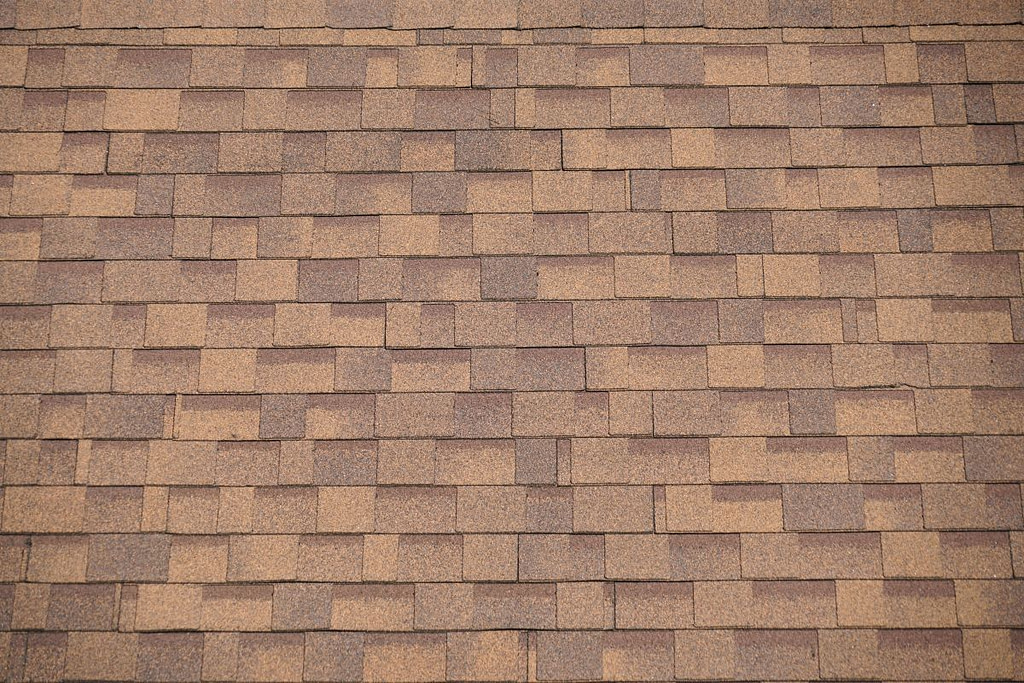
What Factors Affect How Long Your Roof Lasts?
Beyond shingle type, several factors determine whether your roof reaches, exceeds, or falls short of its expected lifespan. Managing these factors is how you get the most years out of your investment.
How Much Does Ventilation and Maintenance Matter?
Ventilation and maintenance matter enormously, and together they can add years to your roof’s life. Balanced attic ventilation regulates temperature and prevents the moisture buildup and thermal stress that age shingles prematurely, and proper airflow can extend roof lifespan by 5 to 10 years. Regular maintenance, including annual inspections and keeping gutters clean, catches small problems before they spread and can add another 5 to 10 years beyond manufacturer estimates. Neglecting either accelerates wear and invites early failure. Investing in ventilation and upkeep is one of the most cost-effective ways to protect a roof. For homes in Manson City and surrounding areas, that upkeep is especially valuable given the region’s weather extremes.
- Ventilation payoff: Balanced airflow can add 5 to 10 years of life.
- Regular maintenance: Inspections and gutter care extend lifespan further.
- Early detection: Catching small issues prevents costly spread.
- Cost-effective care: Upkeep protects the roofing investment.
Does Installation Quality Really Matter?
Installation quality really matters, often more than the shingle brand, because even the best materials fail early when installed poorly. Improper nailing, inadequate flashing, poor ventilation setup, or skipped underlayment can lead to leaks, blow-offs, and a dramatically shortened lifespan. A roof installed by trained professionals following manufacturer best practices reaches its rated potential far more reliably than a rushed or cut-rate job. This is why choosing a qualified, experienced roofer is one of the most important decisions in the whole process. Quality workmanship is what lets a roof deliver the years it was designed for.
- Workmanship first: Installation quality can outweigh shingle brand.
- Common errors: Bad nailing, flashing, or ventilation cause early failure.
- Best practices: Trained crews help a roof reach its rated life.
- Choose carefully: A qualified roofer protects your investment.
When Should You Replace Your Shingle Roof?
Knowing when to replace your shingle roof comes down to its age, its condition, and the pattern of problems you are seeing. Basing the decision on condition rather than age alone helps you replace at the right time.
What Are the Signs a Roof Needs Replacing?
The clearest signs a shingle roof needs replacing are widespread granule loss, curling or cracking shingles, missing shingles, and repeated leaks in different areas. Bald spots, shiny patches, and gutters full of granules mean the shingles are losing their protective layer, while curling and cracking signal advanced aging. A roof past its expected lifespan, around 15 to 20 years for 3-tab or 25 or more for architectural, warrants a close evaluation even without obvious damage. Multiple leaks in different spots often mean the system is failing rather than needing a patch. For homeowners in Manson City and surrounding areas, watching for these signs helps you replace before an emergency forces the issue.
- Granule loss: Bald spots and gritty gutters signal failing shingles.
- Curling and cracking: Advanced aging shows in the shingle shape.
- Missing shingles: Blow-offs leave the roof vulnerable to leaks.
- Repeated leaks: Multiple leak points suggest the system is failing.
Frequently Asked Questions
How long does an asphalt shingle roof last on average?
Most asphalt shingle roofs last 15 to 30 years, with 3-tab shingles lasting about 15 to 20 years, architectural shingles 20 to 30 years, and premium shingles up to 40 to 50 years in ideal conditions. Climate, installation, ventilation, and maintenance all affect the real-world figure. A professional evaluation can tell you where your roof stands.
Which shingle type lasts the longest?
Premium or luxury shingles last the longest, often 25 to 50 years in ideal conditions, followed by architectural shingles at 20 to 30 years and 3-tab shingles at 15 to 20 years. Premium shingles cost the most upfront but offer the greatest durability. For most homes, architectural shingles provide the best balance of cost and lifespan.
Can I make my shingle roof last longer?
Yes, proper attic ventilation, regular inspections, and keeping gutters clean can add 5 to 10 years or more to your roof’s life. Prompt repairs of small issues prevent them from spreading into bigger problems. Good installation from the start is also essential to reaching a roof’s full lifespan.
How does climate affect shingle roof lifespan?
Climate has a major impact, with intense sun, high winds, hail, and freeze-thaw cycles all shortening lifespan. Coastal salt air is especially harsh, cutting some roofs to 12 to 18 years. In demanding climates, roofs often last toward the lower end of or below their rated range.
Should I replace my roof based on age or condition?
You should base the decision on condition rather than age alone, though age is a useful guide for when to start evaluating. A roof past 15 to 20 years for 3-tab or 25 or more for architectural deserves a close look. Widespread granule loss, curling, missing shingles, or repeated leaks are the strongest signals it is time.
How often should I have my roof inspected?
You should have your roof inspected at least once a year, and after any major storm, to catch problems early. Regular inspections help you address minor issues before they become costly and can extend your roof’s overall lifespan. Annual professional inspections are the simplest way to protect your investment.
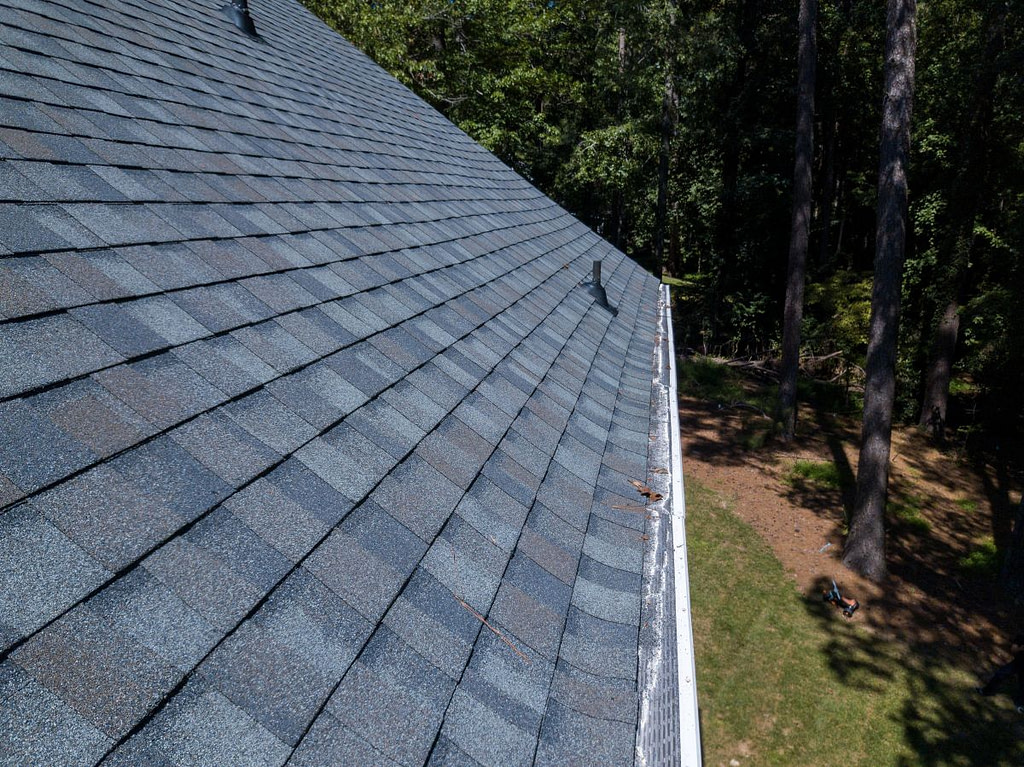
Trust Young Construction for Your Shingle Roof
When it comes to understanding how long your shingle roof will last and getting the most from it, Young Construction brings over 20 years of local experience and a thorough understanding of how Iowa’s weather shapes real-world roof lifespan. We assess your roof’s age and condition, recommend the shingle type that best fits your home and budget, and install it with the quality workmanship and proper ventilation that let a roof reach its full potential. As a family-owned, fully licensed and insured company with more than 150 five-star reviews, we treat your home with genuine care and give you honest guidance on whether to repair or replace. If your roof is aging, showing granule loss, or simply overdue for an evaluation, you deserve straightforward advice from a team you can trust. Contact Young Construction today to talk through your roofing needs and request a detailed, written estimate, and let our team help you protect your home for years to come.