Many homeowners wonder how long does vinyl siding last when planning an exterior upgrade or evaluating their current siding condition. Vinyl siding is one of the most popular choices due to its affordability, durability, and low maintenance. With proper installation and care, vinyl siding can provide long-lasting protection while maintaining your home’s appearance for decades.
- Long lifespan: Vinyl siding can last 20 to 40 years or more with proper care.
- Low maintenance: Requires minimal upkeep compared to other materials.
- Weather resistance: Designed to handle moisture, wind, and temperature changes.
What Is the Average Lifespan of Vinyl Siding?

Vinyl siding typically lasts between 20 and 40 years, depending on several factors such as material quality, installation, climate, and maintenance. Higher-quality vinyl products with thicker panels and UV protection tend to last longer than basic options.
While vinyl siding is durable, it is not completely immune to wear. Over time, exposure to sunlight, weather, and temperature changes can gradually affect its appearance and performance. However, compared to many other siding materials, vinyl offers a strong balance of longevity and affordability.
5 Factors That Affect How Long Vinyl Siding Lasts
Several key factors influence how long your vinyl siding will perform effectively. Understanding these variables helps homeowners maximize lifespan and protect their investment.
1. Quality of Materials
- Thicker panels: Higher-grade vinyl resists cracking and warping.
- UV protection: Premium siding includes fade-resistant additives.
- Manufacturing standards: Better products maintain color and structure longer.
Investing in quality materials can significantly extend siding lifespan.
2. Installation Quality
- Proper alignment: Ensures panels fit securely and function correctly.
- Correct fastening: Allows for expansion and contraction with temperature changes.
- Moisture barriers: Protect the structure behind the siding.
Poor installation can shorten the life of vinyl siding, even if the material is high quality.
3. Climate and Weather Conditions
- Sun exposure: UV rays can gradually fade siding over time.
- Temperature changes: Expansion and contraction can stress materials.
- Storm impact: Wind and debris may cause damage.
Homes in extreme climates may experience faster wear.
4. Maintenance and Care
- Routine cleaning: Removes dirt, mold, and mildew.
- Regular inspections: Helps identify damage early.
- Prompt repairs: Prevents small issues from spreading.
Simple maintenance steps can add years to your siding’s lifespan.
5. Environmental Exposure
- Nearby trees: Branches can scratch or damage siding.
- Debris buildup: Leaves and dirt may trap moisture.
- Pollution: Environmental factors can affect appearance.
Keeping the exterior environment clean helps protect siding over time.
Signs Your Vinyl Siding Is Nearing the End of Its Lifespan
Even durable siding eventually shows signs of aging. Recognizing these indicators helps homeowners decide when it may be time for replacement.
Fading or Discoloration
- Color loss: UV exposure may cause siding to fade.
- Uneven appearance: Some areas may fade faster than others.
- Dull finish: Siding may lose its original brightness.
Fading is often one of the first visible signs of aging.
Cracks or Warping
- Visible cracks: Panels may break due to impact or age.
- Warped sections: Heat exposure can cause panels to bend.
- Loose siding: Panels may shift or detach over time.
Structural damage reduces siding performance and protection.
Increased Energy Bills
- Reduced insulation: Aging siding may lose efficiency.
- Air leaks: Gaps can allow air to enter or escape.
- Temperature fluctuations: Indoor comfort may be affected.
Rising energy costs can signal siding performance issues.
How to Extend the Life of Vinyl Siding
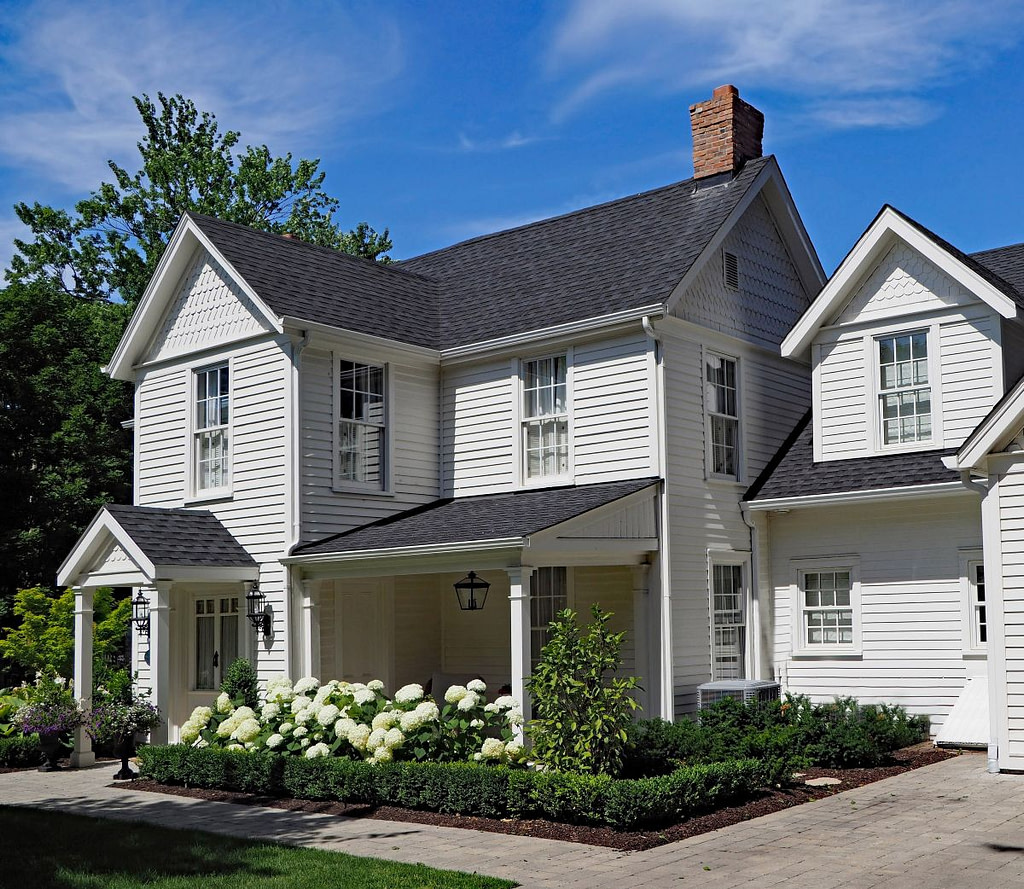
Homeowners can take several steps to maximize the lifespan of their vinyl siding and keep it looking its best.
Clean Siding Regularly
- Remove dirt: Prevent buildup that can affect appearance.
- Use mild cleaners: Avoid harsh chemicals that may damage the surface.
- Rinse thoroughly: Ensure all residue is removed.
Regular cleaning helps maintain siding’s appearance and performance.
Inspect Your Siding Annually
- Check for damage: Look for cracks, loose panels, or gaps.
- Examine seams: Ensure connections remain secure.
- Look for moisture issues: Identify early signs of water damage.
Routine inspections help catch problems before they worsen.
Maintain Gutters and Drainage
- Prevent overflow: Keep gutters clear to avoid water damage.
- Direct water away: Ensure downspouts move water away from the home.
- Protect siding edges: Proper drainage reduces moisture exposure.
Good drainage supports long-term siding durability.
Vinyl Siding vs Other Siding Lifespans
Comparing vinyl siding to other materials helps homeowners understand its value.
Vinyl vs Fiber Cement
- Vinyl lifespan: 20 to 40 years.
- Fiber cement lifespan: 30 to 50 years.
- Maintenance: Vinyl requires less upkeep.
Fiber cement may last longer, but vinyl is easier to maintain.
Vinyl vs Wood Siding
- Vinyl durability: Resistant to moisture and pests.
- Wood lifespan: Can vary depending on maintenance.
- Maintenance needs: Wood requires frequent sealing or painting.
Vinyl offers a lower-maintenance alternative to wood.
Vinyl vs Metal Siding
- Vinyl lifespan: 20 to 40 years.
- Metal lifespan: 40 to 70 years.
- Cost difference: Vinyl is typically more affordable.
Metal may last longer, but vinyl provides better cost efficiency.
When to Replace Vinyl Siding

While vinyl siding can last for decades, there comes a point when replacement becomes the best option.
Extensive Damage
- Multiple cracks: Widespread damage reduces protection.
- Severe warping: Panels no longer fit properly.
- Loose sections: Siding may detach during storms.
Extensive damage often requires full replacement.
Persistent Moisture Issues
- Water intrusion: Moisture behind siding can cause structural damage.
- Mold growth: Indicates ongoing moisture problems.
- Rotting materials: Underlying structures may be affected.
Moisture issues should be addressed quickly to prevent further damage.
Make the Most of Your Siding Investment
Understanding how long does vinyl siding last helps homeowners plan for maintenance, repairs, and eventual replacement. With proper care and quality materials, vinyl siding can provide reliable protection and curb appeal for many years.
Your home’s siding plays a critical role in protecting it from the elements while enhancing its appearance. Knowing how long siding lasts helps you make informed decisions about maintenance and upgrades.
Why Homeowners Trust Young Construction
- Exterior expertise: Helping homeowners understand siding materials and lifespan.
- Commitment to quality: Focused on durable solutions that last.
- Trusted guidance: Providing reliable information for confident decisions.
Keep your home protected with long-lasting siding solutions. Contact Young Construction today for a free estimate and discover how expert exterior services can improve your home’s durability and curb appeal for years to come.