Many homeowners ask how often should gutters be cleaned to prevent clogs, overflow, and costly water damage. Gutters play a critical role in directing water away from your roof, siding, and foundation, but they only work properly when they are clear of debris. Knowing the right cleaning schedule helps maintain your home’s protection year-round.
- Prevent clogs: Regular cleaning keeps water flowing properly.
- Avoid damage: Clean gutters reduce the risk of roof and foundation issues.
- Extend lifespan: Proper maintenance helps gutters last longer.
Why Regular Gutter Cleaning Is Important

Gutters collect rainwater and direct it away from your home, but they also collect leaves, dirt, and debris. When gutters become clogged, water can overflow and cause damage to siding, roofing materials, and even the foundation.
Neglected gutters can also lead to ice buildup in colder months and mold growth in humid conditions. Regular cleaning ensures your gutter system functions properly and protects your home from unnecessary damage.
7 Expert Tips for Gutter Cleaning Frequency
Understanding how often to clean your gutters depends on your environment, home design, and surrounding conditions. Factors like nearby trees, roof slope, weather patterns, and even gutter size can all influence how quickly debris builds up. By following a structured maintenance approach, homeowners can avoid clogs, prevent water damage, and keep their gutter system functioning efficiently year-round. These expert tips provide a more detailed guide to building a reliable and effective cleaning schedule.
1. Clean Gutters at Least Twice Per Year
- Spring cleaning: Removes debris that accumulates over winter, including twigs, dirt, and leftover ice residue.
- Fall cleaning: Clears out leaves and organic material before snow and freezing temperatures arrive.
- Seasonal reset: Prepares your gutter system for heavy rain in spring and snow buildup in winter.
For most homes, cleaning gutters twice per year is the minimum recommendation. This baseline schedule helps prevent buildup from reaching a point where it blocks water flow or causes overflow issues.
2. Increase Frequency if You Have Nearby Trees
- Leaf buildup: Trees continuously drop leaves, seeds, and small branches into gutters.
- Clog risk: Organic debris accumulates quickly and can block downspouts.
- Seasonal impact: Fall often creates the heaviest debris load, requiring extra attention.
Homes surrounded by trees may need cleaning three to four times per year. Pine trees, in particular, can drop needles year-round, which makes more frequent maintenance necessary to prevent constant clogging.
3. Inspect Gutters After Major Storms
- Storm debris: High winds can deposit branches, leaves, and dirt into gutters.
- Damage check: Storms can loosen brackets, dent gutters, or shift alignment.
- Prevent overflow: Clearing debris quickly ensures proper drainage during the next rainfall.
Post-storm inspections help catch issues early before they lead to larger problems. Even if a full cleaning is not needed, a quick check can prevent sudden clogs.
4. Watch for Signs of Clogged Gutters
- Water overflow: Rain spilling over the sides instead of flowing through downspouts.
- Sagging sections: Excess debris weight can cause gutters to pull away from the fascia.
- Plant growth: Weeds, grass, or moss growing inside gutters indicate long-term buildup.
These signs mean your gutters need immediate attention. Ignoring these warning signs can lead to water damage on your roof, siding, and foundation.
5. Adjust for Your Local Climate
- Heavy rainfall areas: More frequent cleaning is needed to handle increased water flow.
- Cold climates: Ice dams can form when gutters are clogged, leading to roof damage.
- Windy regions: Debris accumulates faster due to constant airflow carrying particles.
Your location plays a big role in how often gutters should be cleaned. Homes in areas with extreme seasonal changes may require more frequent inspections and maintenance throughout the year.
6. Consider Gutter Guards
- Debris reduction: Helps limit the amount of leaves and dirt entering the gutter system.
- Lower maintenance: Reduces how often full cleanings are required.
- Ongoing upkeep: Guards still need occasional inspection and cleaning to remain effective.
Gutter guards can improve efficiency but do not eliminate cleaning entirely. Homeowners should still check their gutters periodically to ensure guards are functioning properly and not trapping debris.
7. Schedule Regular Inspections
- Annual checkups: Helps identify wear, damage, or early signs of clogging.
- Professional evaluation: Experts can detect issues that are not visible from the ground.
- Preventative care: Keeps your gutter system working efficiently over time.
Routine inspections support long-term gutter performance and can help extend the lifespan of your entire drainage system. By combining inspections with regular cleaning, homeowners can avoid costly repairs and maintain consistent protection.
What Happens If You Do Not Clean Your Gutters?
Ignoring gutter maintenance can lead to several costly and preventable issues.
Water Damage to Your Home
- Roof damage: Water can back up under shingles.
- Siding issues: Overflow can stain or damage exterior walls.
- Foundation problems: Water pooling can weaken the foundation.
Proper drainage is essential for protecting your home.
Pest and Mold Problems
- Standing water: Attracts insects like mosquitoes.
- Debris buildup: Creates nesting areas for pests.
- Mold growth: Moisture encourages mold development.
Clean gutters reduce the risk of these issues.
Structural Stress on Gutters
- Excess weight: Debris and water can cause sagging.
- Loose fasteners: Gutters may pull away from the home.
- Premature failure: Shortens the lifespan of the system.
Regular cleaning helps maintain structural integrity.
How to Tell When Your Gutters Need Cleaning
In addition to following a schedule, homeowners should watch for warning signs.
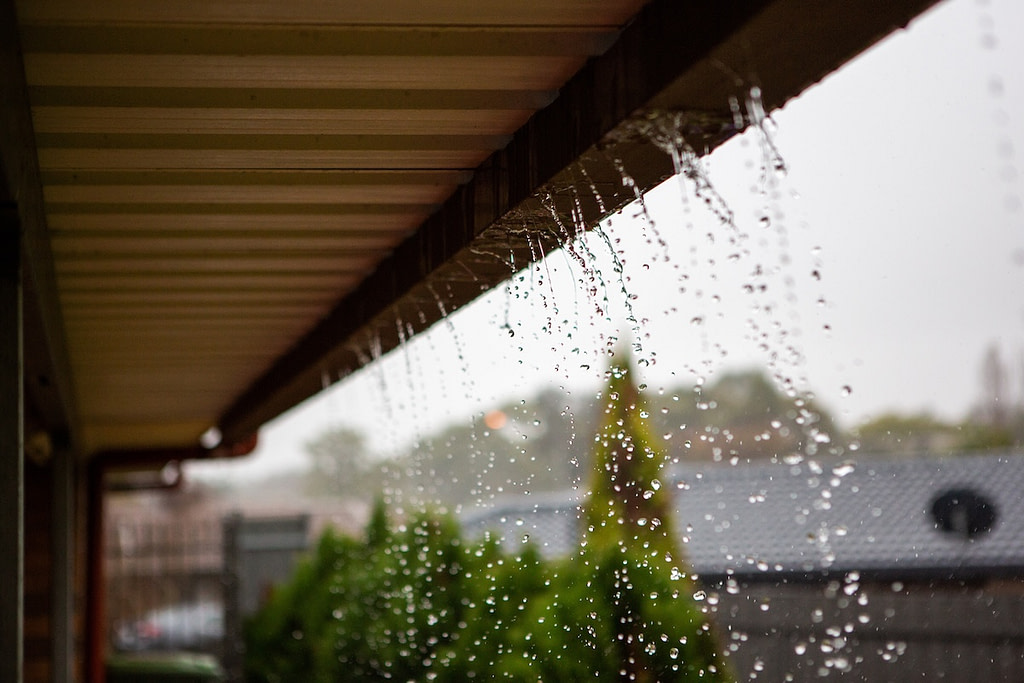
Visible Overflow During Rain
- Water spilling over edges: Indicates blockage.
- Uneven flow: Some sections may be clogged.
- Pooling water: Water not draining properly.
Overflow is one of the clearest signs of clogged gutters.
Debris Buildup
- Leaves and dirt: Visible inside the gutter system.
- Clogged downspouts: Water cannot flow freely.
- Standing debris: Indicates cleaning is overdue.
Visible buildup means it is time to clean.
Staining or Damage Around Gutters
- Water marks: Stains on siding or fascia.
- Peeling paint: Caused by excess moisture.
- Soil erosion: Around the base of the home.
These signs indicate drainage issues.
Tips for Safe Gutter Cleaning
Cleaning gutters can be done by homeowners, but safety should always be a priority.
Use Proper Equipment
- Stable ladder: Ensure it is placed on level ground.
- Gloves: Protect hands from debris and sharp edges.
- Safety gear: Consider eye protection when clearing debris.
Using the right tools reduces risk.
Avoid Overreaching
- Move the ladder frequently: Prevents losing balance.
- Maintain stability: Keep your center of gravity steady.
- Work carefully: Avoid rushing the process.
Safe practices help prevent accidents.
Keep Your Gutters Working Year-Round

Understanding how often should gutters be cleaned helps homeowners maintain proper drainage and protect their property. With the right schedule and regular inspections, you can prevent clogs, reduce damage, and extend the life of your gutter system.
Your gutter system plays a key role in protecting your roof, siding, and foundation. Staying proactive with maintenance ensures your home remains safe and efficient.
Why Homeowners Trust Young Construction
- Exterior expertise: Helping homeowners understand gutter maintenance and performance.
- Commitment to quality: Focused on long-lasting exterior solutions.
- Trusted guidance: Providing clear information for confident decisions.
Keep your home protected with proper gutter care. Contact Young Construction today for a free estimate and learn how expert exterior solutions can support your home’s long-term durability.