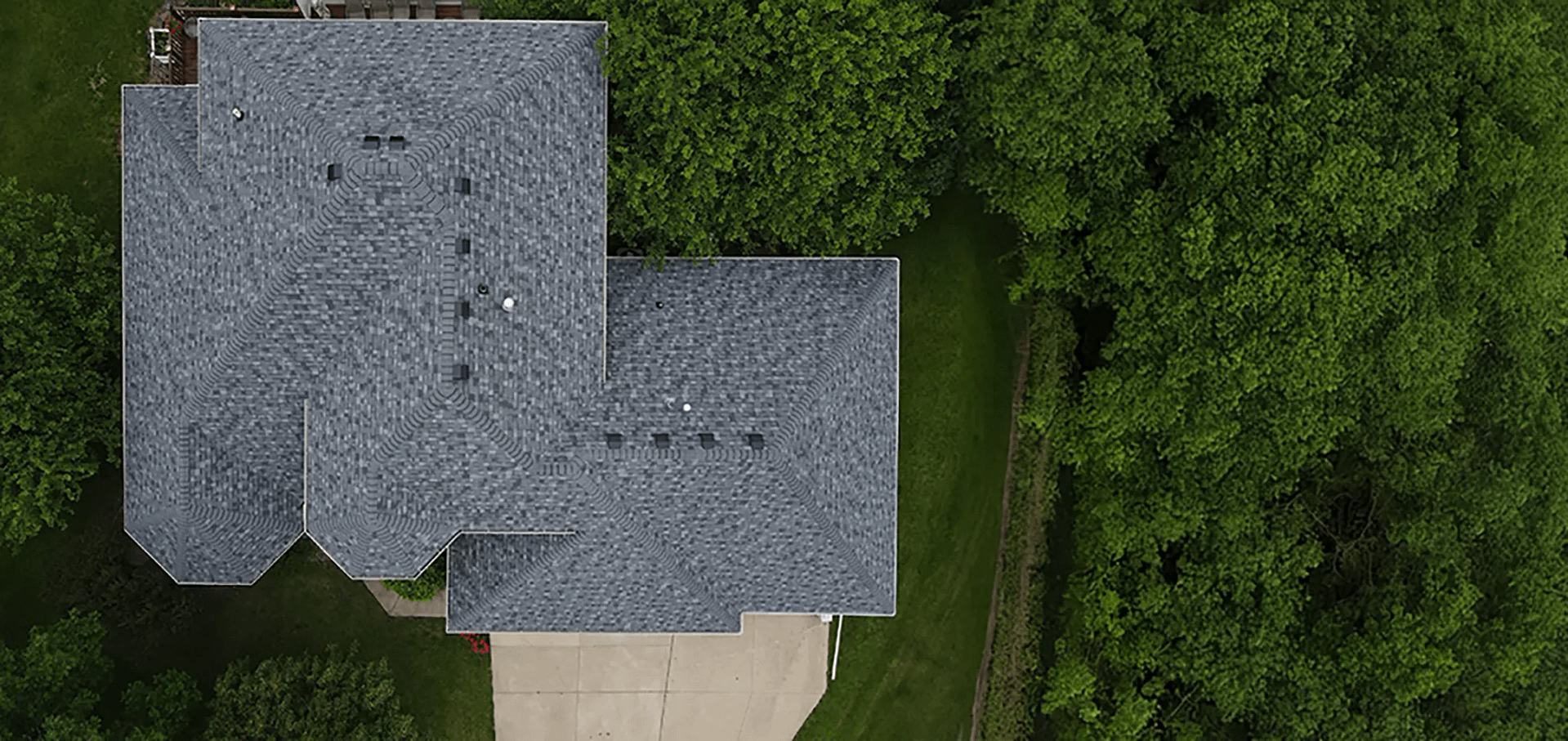
Learning how to prevent ice dams on your roof before winter arrives can save you from the leaks, rot, and costly interior damage these ridges of ice cause every year. Ice dams form when heat escaping into the attic melts snow on the roof, which then refreezes at the cold eaves and traps water behind it. The good news is that the root cause is almost always a warm attic, and keeping your attic and roof cold through air sealing, insulation, and ventilation is the proven way to stop ice dams before they start. Here is what this guide covers:
- Why they form: What causes ice dams and why a warm attic is the culprit.
- Prevention steps: The proven ways to keep your roof cold and dam-free.
- When to act: Why preparing before winter hits is the smart move.
Why Do Ice Dams Form on Your Roof?
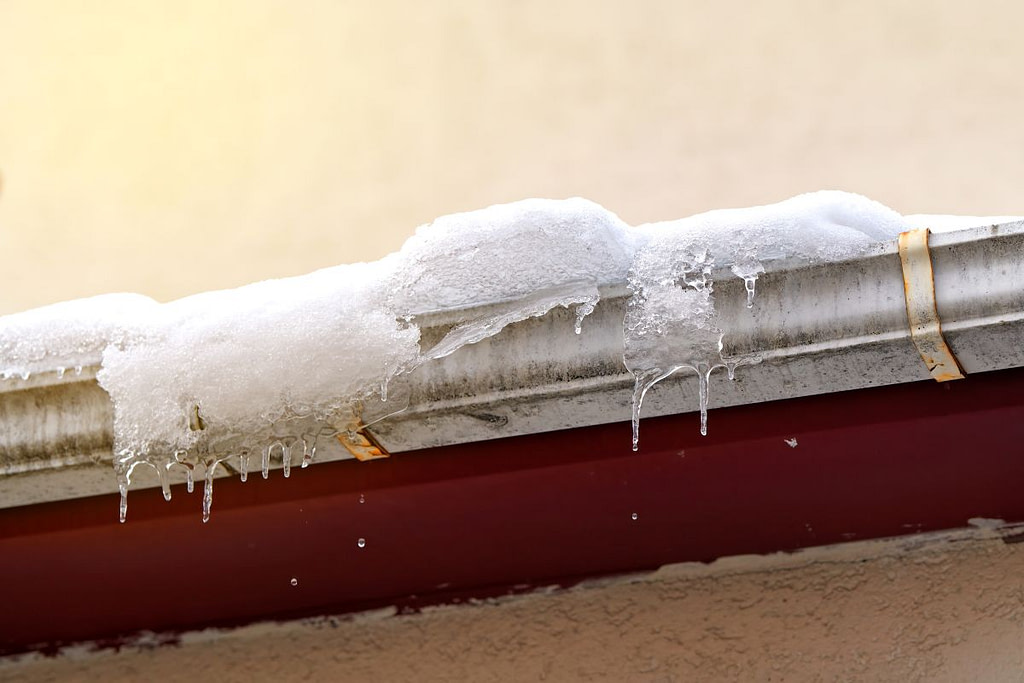
Ice dams form when heat escaping into the attic warms the roof deck unevenly, melting the snow on the upper roof so it runs down and refreezes at the cold eaves. Understanding this cause is the key to prevention, because nearly every effective solution works by keeping the roof deck cold and uniform.
A Warm Attic Is the Root Cause
A warm attic is the root cause of almost every ice dam, since it warms the roof deck enough to melt the snow above it. Heat from your living space rises into the attic through air leaks and inadequate insulation, warming the underside of the roof, and that heat melts the snow, which flows down to the cold roof edge and refreezes into a dam. As the dam grows, it traps meltwater that backs up under the shingles and leaks into the home. This is why the fix is to keep the attic and roof cold, not to attack the ice itself. For homes in Northwood and surrounding areas, a cold, well-sealed attic is the foundation of ice dam prevention.
- Heat escapes upward: Warm indoor air rises into the attic.
- Roof deck warms: That heat melts snow on the upper roof.
- Refreezing at eaves: Meltwater refreezes at the cold roof edge.
- Keep it cold: A cold roof deck is the real solution.
The Damage Ice Dams Cause
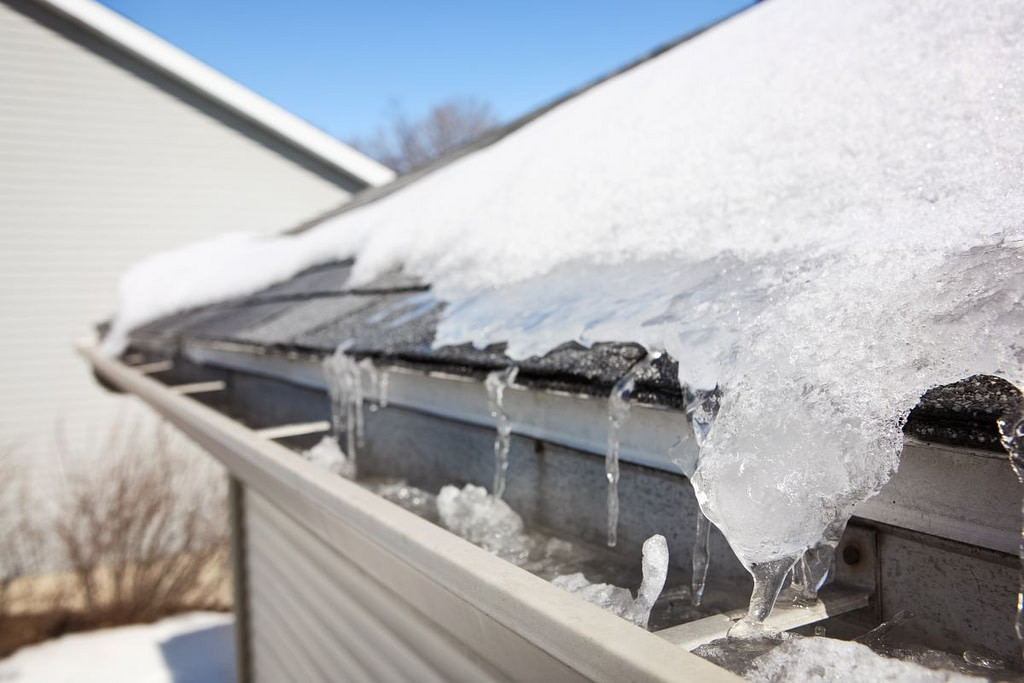
The damage ice dams cause can be severe and expensive, extending well beyond the roof itself. As trapped meltwater backs up under the shingles, it works its way into the attic and eventually damages ceilings, walls, insulation, and belongings, and over an extended period it can cause significant structural harm. The heavy ice can also tear off gutters and damage shingles. Repairing this water damage costs far more than preventing it. For homeowners in Northwood and surrounding areas, this is why proactive prevention before winter is so much cheaper than dealing with the aftermath.
- Water intrusion: Backed-up meltwater leaks into the attic and home.
- Interior damage: Ruins ceilings, walls, insulation, and belongings.
- Gutter and shingle harm: Heavy ice tears gutters and damages shingles.
- Costly repairs: Fixing the damage far exceeds prevention costs.
6 Ways to Prevent Ice Dams Before Winter
Preventing ice dams comes down to keeping your attic and roof cold, and a handful of proven steps accomplish exactly that. The six methods below, done before winter, give your home the best defense against ice dams.
1. Air Seal the Attic Floor
Air sealing the attic floor is the most important first step, since stopping warm air from leaking into the attic keeps the roof cold. Heated indoor air escapes through gaps around light fixtures, plumbing and wiring penetrations, the attic hatch, and top plates, warming the attic and the roof above. Sealing these leaks with caulk and foam keeps that heat where it belongs, and proper air sealing can reduce heat loss significantly, dramatically lowering ice dam risk. This step is non-negotiable for effective prevention. It also cuts your heating bills as a bonus.
- Stop heat leaks: Seal gaps that let warm air into the attic.
- Target penetrations: Lights, pipes, wiring, and the hatch are key spots.
- Big impact: Air sealing can cut heat loss substantially.
- Bonus savings: Sealing also lowers heating bills.
2. Add Adequate Attic Insulation
Adding adequate attic insulation is the next essential step, since insulation slows the heat that would otherwise warm the roof deck. After air sealing, bringing your attic insulation up to the recommended level for a cold climate, generally R-49 to R-60, keeps your living space warm and your attic cold. Insulation and air sealing work together, and adding insulation without sealing air leaks first solves only part of the problem. A properly insulated attic maintains a temperature close to the outdoors, which is exactly what prevents ice dams. This upgrade also delivers year-round energy savings.
- Slows heat loss: Insulation keeps heat from reaching the roof deck.
- Target R-value: Cold climates call for about R-49 to R-60.
- Pair with sealing: Insulation works best after air sealing.
- Cold attic: Proper insulation keeps the attic near outdoor temperature.
3. Ensure Balanced Attic Ventilation
Ensuring balanced attic ventilation is critical, since airflow flushes out any heat that reaches the attic and keeps the roof deck cold. Cool air entering at the soffit vents and exiting at the ridge continuously removes warm air and moisture, cooling the roof so snow does not melt unevenly. Baffles at the eaves keep insulation from blocking the soffit intake, preserving that airflow. Balanced intake and exhaust is essential, since ventilation only works when both are present. Together with air sealing and insulation, ventilation completes the cold-roof system that prevents ice dams.
- Flushes heat: Airflow removes warmth that reaches the attic.
- Soffit to ridge: Cool air in at the eaves, warm air out at the peak.
- Baffles matter: Keep insulation from blocking soffit intake.
- Balance required: Both intake and exhaust must be present.
4. Install Ice-and-Water Barrier
Installing an ice-and-water barrier provides critical backup protection at the most vulnerable parts of the roof. This self-sealing underlayment adheres to the roof deck along the eaves and in valleys, waterproofing those areas so that even if an ice dam forms, water cannot leak through to the structure below. It is best installed from three to six feet up from the roof edge during a reroof or new roof. While air sealing, insulation, and ventilation prevent dams from forming, the barrier protects against damage if one does. In cold climates, this membrane is an important safeguard.
- Waterproof layer: Self-sealing underlayment protects the deck.
- Key locations: Applied at eaves and valleys where dams form.
- Install during reroof: Best added three to six feet up at reroofing.
- Backup defense: Protects even if a dam forms.
5. Keep Gutters and Downspouts Clear
Keeping gutters and downspouts clear before winter helps meltwater drain instead of pooling and freezing at the roof edge. Clogged gutters full of leaves and debris trap water that can freeze and compound any ice dam tendency, so cleaning them out in fall is a simple, valuable step. Clear gutters allow melting snow to flow away from the roof and foundation. While clean gutters alone will not prevent ice dams, they remove one contributing factor. This easy maintenance task is worth doing before the first snow.
- Clear the debris: Clean gutters and downspouts in the fall.
- Allow drainage: Clear gutters let meltwater flow away.
- Reduce buildup: Clogged gutters compound ice dam tendencies.
- Easy step: Simple maintenance before the first snow.
6. Rake Snow Off the Roof After Storms
Raking snow off the roof after heavy storms is a helpful secondary strategy, since less snow means less to melt and refreeze. A long-handled roof rake lets you pull snow off the lower roof from the ground safely, reducing both ice dam formation and the weight load on your roof. Removing snow from the first few feet above the eaves is especially effective. This is a good backup during winters with heavy snowfall, even in a well-prepared home. It is safest done from the ground, never by climbing onto an icy roof.
- Less snow, less melt: Removing snow reduces ice dam fuel.
- Use a roof rake: Pull snow off from the ground safely.
- Focus on the eaves: Clearing the lower roof is most effective.
- Stay safe: Rake from the ground, never from the roof.
Keeping the attic cold with insulation and ventilation is the foundation of prevention, and government guidance confirms the targets. According to the National Weather Service, most experts agree attic insulation should be at least R-30, with R-38 preferable in northern climates, and good airflow from the soffits along the underside of the roof and out through roof vents keeps the attic cold enough to minimize the freeze-thaw cycle that causes ice dams. Meeting those insulation and ventilation targets is the proven path to a dam-free roof.
Why Prevent Ice Dams Before Winter Hits?
Preventing ice dams before winter hits is far smarter and cheaper than reacting once they form, since the preparation work is best done in the warmer months. Addressing insulation, air sealing, and ventilation in fall means your home is ready when the snow arrives.
Preparation Beats Reaction
Preparing before winter beats reacting to ice dams after they form, both in cost and in protecting your home. The work of air sealing, adding insulation, improving ventilation, and installing barriers is far easier to schedule and complete in fall than in the middle of a snowy winter. Preventing an ice dam costs a fraction of repairing the water damage one causes, and it spares you the stress of an active leak. Getting ahead of the problem also lets a professional assess your whole attic system properly. For homeowners in Northwood and surrounding areas, acting before the first freeze is the smart, economical choice.
- Easier in fall: Prevention work is best done in warmer months.
- Cheaper than repair: Prevention costs far less than water damage.
- Less stress: Avoids the crisis of an active winter leak.
- Proper assessment: Fall allows a full attic evaluation.
Frequently Asked Questions
How do I prevent ice dams on my roof?
The most effective way to prevent ice dams is to keep your attic and roof cold by air sealing leaks, adding insulation to about R-49 to R-60 in cold climates, and ensuring balanced attic ventilation. An ice-and-water barrier, clear gutters, and raking snow provide added protection. A comprehensive attic approach is the proven solution.
What causes ice dams?
Ice dams are caused by a warm attic that melts snow on the roof, which then flows down and refreezes at the cold eaves, building into a ridge of ice. Heat escaping through air leaks and inadequate insulation is the root cause. Keeping the roof deck cold and uniform prevents them.
How much insulation do I need to prevent ice dams?
Most experts recommend attic insulation of at least R-30, with R-38 to R-60 preferable in northern climates like Iowa’s. Insulation must be paired with air sealing and ventilation to be effective. A professional can assess your attic and confirm the right level.
Does attic ventilation really prevent ice dams?
Yes, balanced attic ventilation helps prevent ice dams by keeping the roof deck cold, flushing out heat and moisture that reach the attic. Soffit intake and ridge exhaust work together to cool the roof. Ventilation is most effective when combined with air sealing and insulation.
Will an ice-and-water barrier stop ice dams?
An ice-and-water barrier does not stop ice dams from forming, but it protects your roof from leaks if one does, by waterproofing the vulnerable eaves and valleys. It is installed during a reroof or new roof. Think of it as backup protection alongside air sealing, insulation, and ventilation.
When should I prepare my roof for ice dams?
The best time to prepare is in the fall, before the first snow, so your attic air sealing, insulation, and ventilation are ready for winter. Fall is also the easiest time to schedule this work. Preparing early costs far less than repairing ice dam damage later.
Trust Young Construction to Protect Your Roof From Ice Dams
When it comes to how to prevent ice dams on your roof, Young Construction brings over 20 years of local experience and a clear understanding of how Iowa’s harsh winters create the conditions for ice dams. We assess your attic as a complete system, air seal the leaks that warm your roof, add insulation to the recommended level, ensure balanced ventilation, and install ice-and-water barrier where it matters so your roof stays cold and dam-free. As a family-owned, fully licensed and insured company with more than 150 five-star reviews, we treat your home with genuine care and address the root cause rather than just the symptoms. If you have battled ice dams before or want to get ahead of them this year, now is the time to prepare before winter hits. Contact Young Construction today to talk through your ice dam concerns and request a detailed, written estimate, and let our team help you keep your roof protected all winter long.