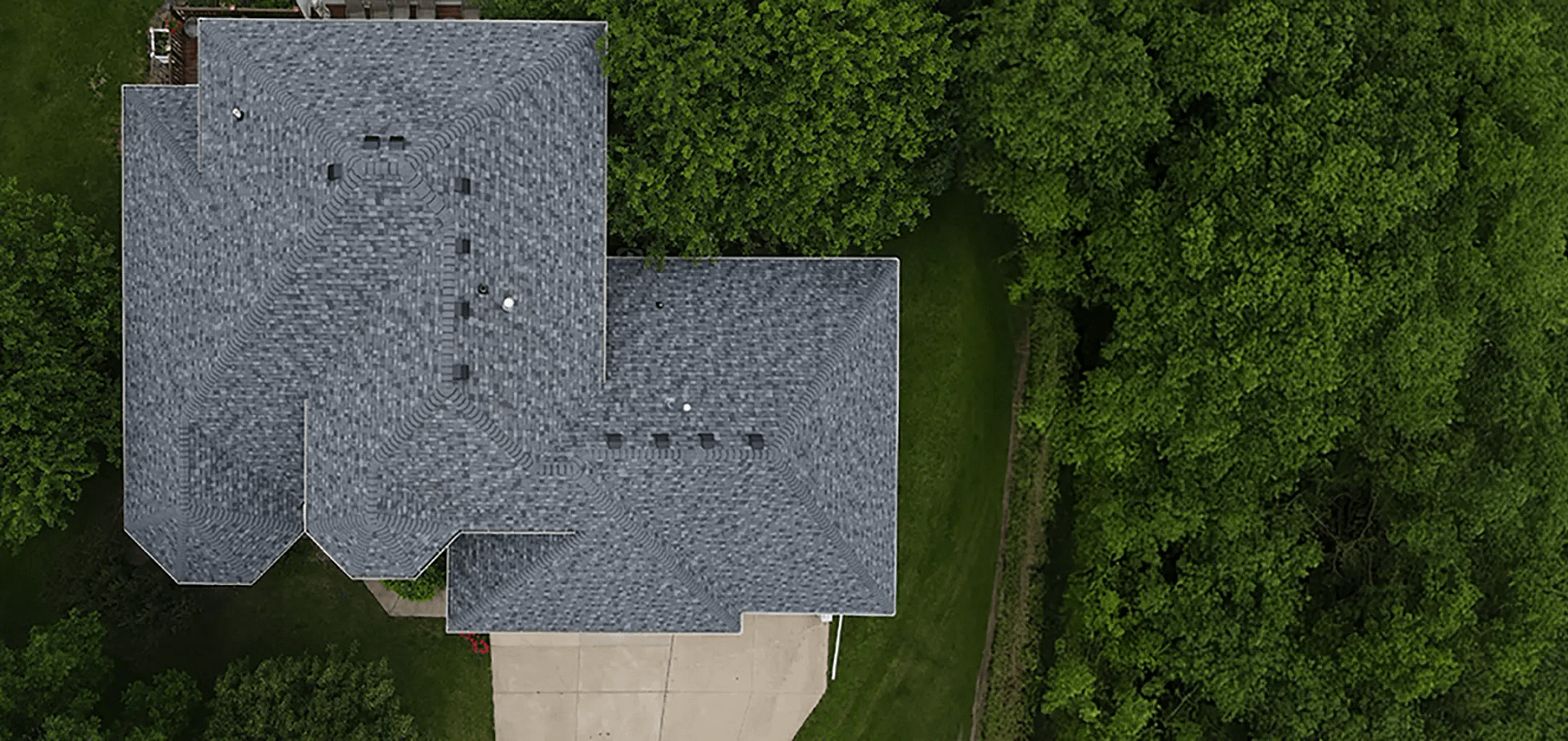
Loose fill insulation is one of the most effective and versatile ways to insulate an attic or wall, made of small particles that are blown or poured into place to fill every gap and corner. Because it conforms to irregular spaces and flows around obstructions, it seals the nooks and crannies that rigid batts leave exposed, delivering more complete, consistent coverage. Understanding what loose fill insulation is and why it performs so well helps you decide whether it is the right choice for your home. Here is what this guide covers:
- What it is: How loose fill insulation is made and installed.
- Why it works: The gap-filling coverage and performance that set it apart.
- The materials: The main loose fill options and how they compare.

What Is Loose Fill Insulation?
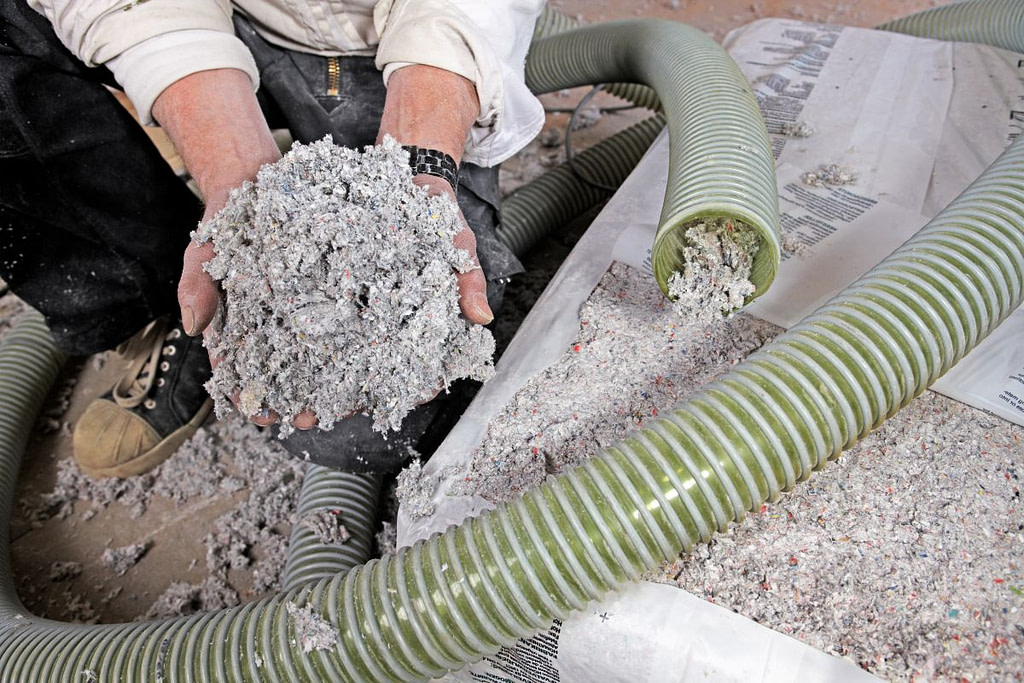
Loose fill insulation, also called blown-in insulation, consists of small particles of fiber or other materials that are blown or poured into attics, walls, and other cavities. Rather than coming in pre-formed panels, it is applied as a loose, fluffy material that settles into place and fills the space completely.
It Is Blown or Poured Into Place
Loose fill insulation is installed by blowing or pouring loose particles into the space rather than fitting rigid pieces. A specialized machine breaks up the compressed material and blows it through a hose into attics and wall cavities, and in accessible attics it can also be poured and spread by hand. This method lets the material flow into place and build to an even depth across the entire area. The loose, mobile nature of the material is exactly what allows it to reach spots that batts cannot. For homes in Manly and surrounding areas, that thorough coverage is a real advantage in older or irregular spaces.
- Machine blown: A blower distributes the material through a hose.
- Or hand poured: Accessible attics can be filled and spread by hand.
- Even depth: The material builds to a consistent layer across the space.
- Reaches everywhere: Its loose nature fills spots batts cannot.
It Is Made From Several Materials
Loose fill insulation is made from several different materials, most commonly cellulose, fiberglass, and mineral wool, each in the form of small particles. Cellulose is made from recycled paper, fiberglass from spun glass fibers, and mineral wool from melted rock or blast furnace slag, and all three are installed the same loose-fill way. The material choice affects R-value, cost, fire resistance, and moisture behavior, but the gap-filling method is shared across all of them. This variety lets you match the material to your priorities while keeping the benefits of loose fill coverage. Knowing the options helps you choose the best fit for your home.
- Cellulose: Made from recycled paper fibers, treated for fire resistance.
- Fiberglass: Spun from molten glass into fine fibers.
- Mineral wool: Made from melted rock or slag for fire resistance.
- Shared method: All three are installed as blown-in loose fill.
Why Does Loose Fill Insulation Work So Well?
Loose fill insulation works so well because its loose particles conform to any space, filling gaps and flowing around obstructions that leave rigid batts with costly weak spots. This complete, consistent coverage is the core reason it performs so effectively in attics and retrofit walls.
It Fills Gaps and Irregular Spaces
Loose fill insulation excels at filling gaps and irregular spaces that other insulation types handle poorly. Because it is applied as loose particles, it flows around wiring, pipes, framing, and awkward corners, conforming to the exact shape of the cavity without leaving voids. Rigid batts, by contrast, must be cut and fitted, and any gap or compression around obstructions becomes a path for heat to escape. This ability to reach and fill difficult spots is where loose fill earns its value, especially in messy attics and older homes. For homeowners in Manly and surrounding areas, complete coverage with no weak spots is what makes it so effective.
- Conforms to space: Flows around wiring, pipes, and framing.
- No voids: Fills awkward corners batts leave exposed.
- Beats poor batts: Avoids the gaps that undermine cut-and-fit insulation.
- Retrofit friendly: Ideal for existing walls and irregular attics.
It Provides Even, Consistent Coverage
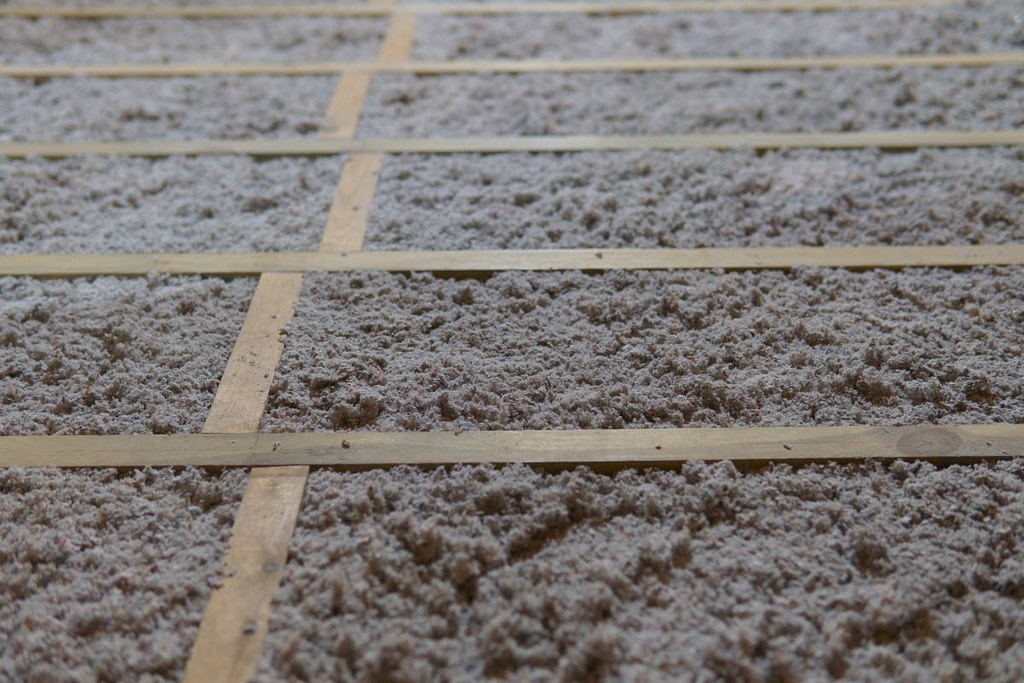
Loose fill insulation provides even, consistent coverage across an entire attic floor or wall cavity, which is essential to real-world performance. Blown to a uniform depth, it creates a continuous thermal blanket with no seams or gaps where heat can slip through, unlike batts whose seams and joints can leak. This uniform coverage means the insulation performs at its rated value across the whole area rather than just where it fits well. In messy or obstructed spaces, that even coverage is often where loose fill earns its cost. Consistency across the whole surface is a major performance advantage.
- Uniform depth: Blown evenly across the entire area.
- No seams: Creates a continuous blanket without gaps.
- Full performance: Delivers rated R-value across the whole surface.
- Messy spaces: Excels where batts would leave weak points.
It Requires Air Sealing to Perform Best
Loose fill insulation performs best when air leaks are sealed first, an important detail that shapes how it should be installed. Loose fill slows heat transfer effectively, but like all insulation it does not fully stop air movement on its own, so sealing gaps around penetrations and the attic floor before installing lets the material deliver its full value. A quality installation always pairs air sealing with the insulation for the best result. Skipping that step leaves savings on the table no matter how good the insulation is. Understanding this helps explain why professional installation matters.
- Seal first: Air leaks should be closed before installing loose fill.
- Not an air barrier: The material slows heat but does not stop airflow alone.
- Full value: Air sealing lets the insulation perform as rated.
- Quality install: Pros pair sealing with insulation for best results.
The importance of air sealing is emphasized by the insulation industry itself. According to the Insulation Institute, which represents North American fiberglass and mineral wool manufacturers, fiberglass, mineral wool, spray foam, and loose fill cellulose all require air sealing to work properly. That is why pairing loose fill with proper air sealing is the key to getting its full energy-saving benefit.
3 Types of Loose Fill Insulation Compared
Loose fill insulation comes in three main materials, each with its own strengths in R-value, cost, and fire resistance. The comparison below helps you weigh cellulose, fiberglass, and mineral wool for your home.
1. Loose Fill Cellulose
Loose fill cellulose is the most popular and eco-friendly option, made from up to around 85 percent recycled paper treated with fire retardants. It offers one of the highest R-values per inch of the loose fill materials, roughly R-3.4 to R-3.8, and its dense composition provides excellent air resistance and sound dampening. It is also typically the most affordable, which adds to its popularity. Its main tradeoffs are that it settles over time, requiring extra installed depth, and it must be kept dry. For eco-conscious homeowners wanting strong performance at a good price, cellulose is a leading choice.
- Eco-friendly: Made largely from recycled paper fiber.
- High R-value: Roughly R-3.4 to R-3.8 per inch, among the best.
- Affordable: Often the lowest-cost loose fill material.
- Settles: Needs extra depth to offset compaction over time.
2. Loose Fill Fiberglass Insulation
Loose fill fiberglass insulation is spun from molten glass into fine fibers and blown into place, offering a lightweight, widely available option. It settles less than cellulose and resists moisture better, holding its installed depth well over time, and it is naturally non-combustible. Its per-inch R-value is slightly lower, around R-2.5 to R-3.1, and in extremely cold attics lighter-density fiberglass can allow some convective heat loss unless installed to adequate density. Fiberglass insulation is a strong, economical choice that most installers are experienced with. It suits homeowners who want proven performance and minimal settling.
- Lightweight: Spun glass fibers blown into place.
- Less settling: Holds installed depth better than cellulose.
- Moisture resistant: Handles damp conditions well.
- Slightly lower R-value: Around R-2.5 to R-3.1 per inch.
3. Loose Fill Mineral Wool
Loose fill mineral wool, also called rock or slag wool, is made from melted rock or blast furnace slag spun into fibers, and it stands out for fire resistance and durability. It offers a solid R-value per inch, around R-3.0 to R-3.3, and its high density delivers excellent fire performance, sound control, and moisture resistance. It is usually the most expensive of the three and less commonly stocked, so finding an installer can take more effort. For homeowners prioritizing fire safety, soundproofing, and toughness, mineral wool is often worth the premium. Its durability and fire performance are its biggest selling points.
- Fire resistant: Excellent fire performance from rock or slag fibers.
- Durable and dense: Strong sound control and moisture resistance.
- Solid R-value: Around R-3.0 to R-3.3 per inch.
- Higher cost: The most expensive and least commonly stocked option.
How Does Loose Fill Compare to Other Insulation?
Loose fill insulation compares favorably to batts and foam for many applications, especially attics and retrofits, because of its gap-filling coverage. The best choice depends on the space, your budget, and your performance goals.
It Excels in Attics and Retrofits
Loose fill insulation excels in attics and retrofit applications where its ability to fill irregular spaces gives it a clear edge over rigid batts. In open attic floors, blown-in material covers everything to an even depth quickly, and in existing walls it can be blown into closed cavities without tearing them open. Batts work well in open, regular framing, while foam insulation offers the highest R-value per inch and air sealing at a premium price. For most attic and retrofit jobs, loose fill offers the best balance of coverage, performance, and cost. For homeowners in Manly and surrounding areas, matching the insulation type to the application is what delivers the best result.
- Attic advantage: Covers open attic floors evenly and quickly.
- Retrofit friendly: Fills closed wall cavities without tearing them open.
- Versus batts: Loose fill avoids the gaps batts leave in messy spaces.
- Versus foam: Foam costs more but adds air sealing and higher R-value.
Frequently Asked Questions
What is loose fill insulation?
Loose fill insulation is made of small particles of cellulose, fiberglass, or mineral wool that are blown or poured into attics, walls, and other cavities. Unlike rigid batts, it conforms to the space and fills gaps around obstructions. It is also called blown-in insulation when installed with a machine.
Why does loose fill insulation work so well?
Loose fill works so well because its loose particles fill gaps, flow around obstructions, and provide even, consistent coverage that rigid batts often miss. This complete coverage means it performs at its rated value across the whole area. Pairing it with proper air sealing delivers the best energy savings.
What is the best loose fill insulation material?
The best material depends on your priorities, with cellulose offering the highest R-value per inch and eco-friendliness, fiberglass insulation resisting moisture and settling, and mineral wool providing the best fire resistance and soundproofing. Cellulose is often the most affordable. A professional can help you match the material to your home and budget.
Does loose fill insulation settle over time?
Loose fill cellulose settles roughly 15 to 20 percent over time, so installers add extra depth to maintain the target R-value, while fiberglass and mineral wool settle less. Quality installation accounts for settling from the start. This is why proper installed depth matters so much.
Can loose fill insulation be added over existing insulation?
Yes, loose fill can usually be added over existing insulation as long as the old material is dry and free of mold or pest damage. This is a common, cost-effective way to boost an under-insulated attic. Damaged or wet insulation should be removed first.
Is loose fill or batt insulation better?
Loose fill is generally better for attics and irregular or retrofit spaces because it fills gaps that batts leave exposed, while batts can work well in open, regular framing. Loose fill provides more consistent coverage in messy spaces. The best choice depends on the specific application.
Trust Young Construction for Loose Fill Insulation
When it comes to loose fill insulation, Young Construction brings over 20 years of local experience and a clear understanding of how Iowa’s cold winters reward complete, gap-free insulation coverage. We assess your space, seal the air leaks that undermine performance, recommend the right loose fill material for your priorities, and install it to the proper depth for even coverage that cuts energy bills. As a family-owned, fully licensed and insured company with more than 150 five-star reviews, we treat your home with genuine care and explain every material choice and cost in plain terms. If you are weighing an insulation upgrade and want thorough coverage that performs in our climate, you deserve honest guidance from a team that does it right. Contact Young Construction today to talk through your insulation needs and request a detailed, written estimate, and let our team help you build a warmer, more efficient home.