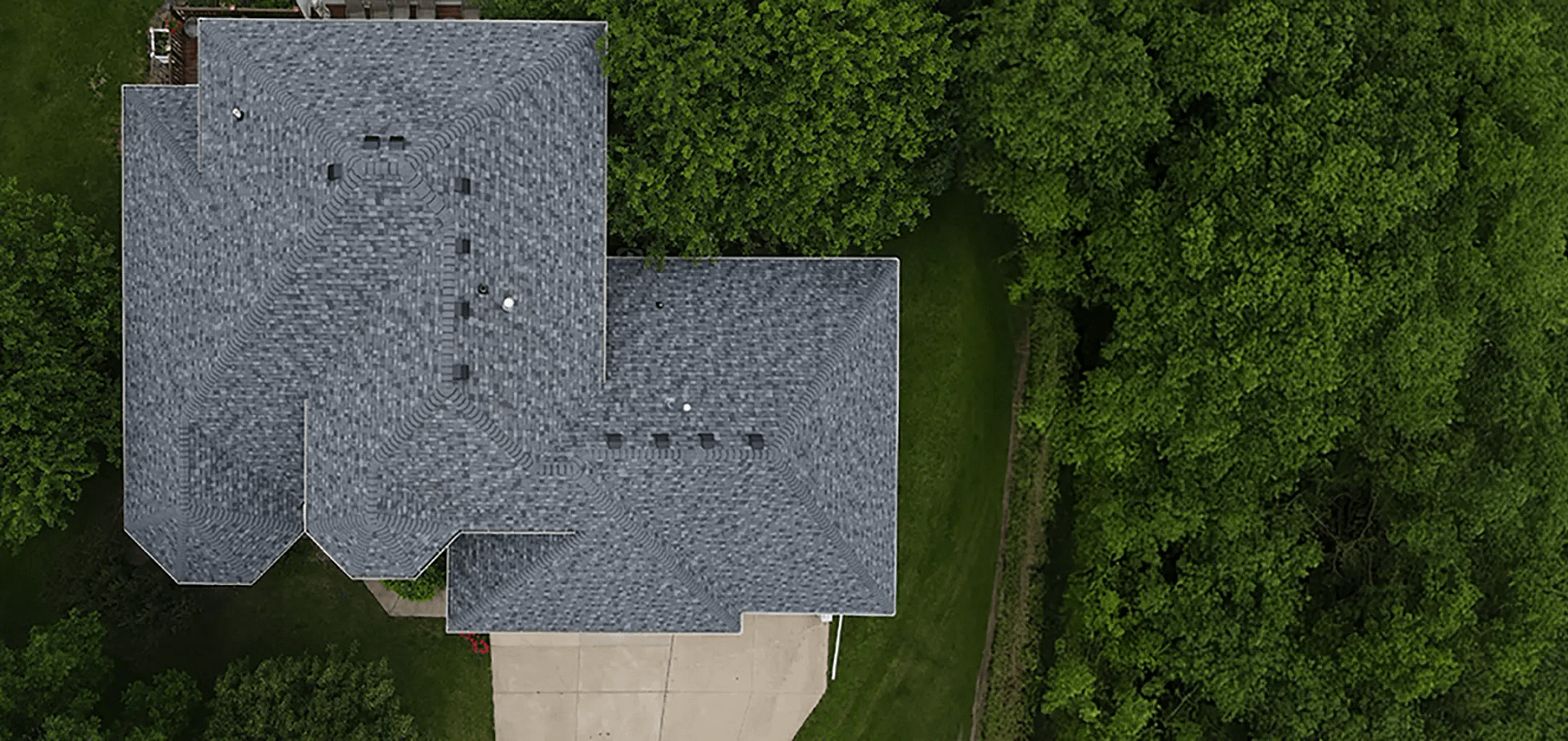
After a storm, many homeowners worry about metal roof hail damage and what it means for their home’s safety and longevity. Metal roofing is known for its durability, but even these strong systems aren’t immune to severe hail impacts. Recognizing the signs early can help you determine whether your roof needs simple repairs or a full replacement to keep your home protected.
- Durability: Metal roofing resists dents and leaks better than most materials.
- Storm resistance: Hail can still cause hidden structural damage.
- Proactive care: Regular inspections can save thousands in future repairs.
Why Hail Damage Matters for Metal Roofs
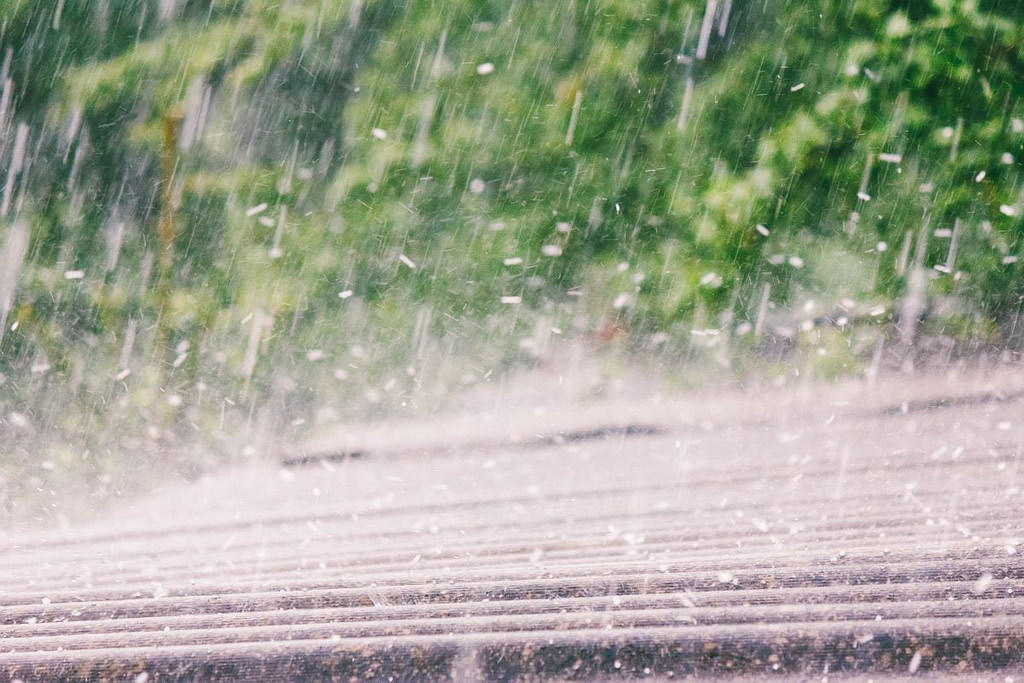
Metal roofing is built to last, often enduring decades of harsh weather. However, hail impacts can cause both visible and hidden damage. While some dents may seem purely cosmetic, they can affect roof performance over time by compromising fasteners, seams, and protective coatings.
Even small cracks in the finish can lead to corrosion or water intrusion. That’s why post-storm inspections are so important. Addressing minor damage quickly helps prevent costly repairs and extends your roof’s lifespan.
How Hail Affects Different Metal Roof Types
The type of metal roof you have influences how it responds to hail. Metal roofing materials vary in strength, weight, and flexibility, all of which determine how much damage a storm might cause.
Common Metal Roof Materials
- Steel roofing: Offers the best impact resistance but may dent under large hailstones.
- Aluminum roofing: Lightweight but softer, making it more prone to cosmetic dents.
- Copper roofing: Beautiful and long-lasting, but easily shows hail marks.
- Zinc roofing: Highly corrosion-resistant yet slightly more malleable than steel.
Panel and Seam Style
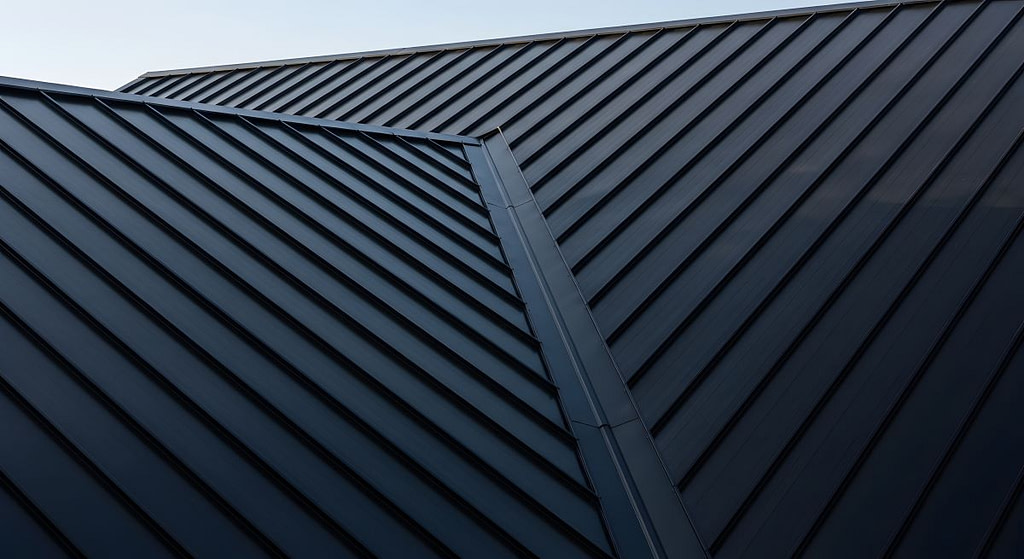
Your roof’s design also matters. Standing seam metal roofs often perform better because their hidden fasteners reduce leak risks. Corrugated or exposed fastener systems may experience faster wear and tear following impact.
Understanding your roof’s composition helps determine whether damage is cosmetic or structural after a storm.
7 Signs of Metal Roof Hail Damage
Not all hail damage is immediately visible from the ground. Knowing what to look for ensures small issues don’t turn into bigger, more expensive ones.
1. Visible Dents and Dings
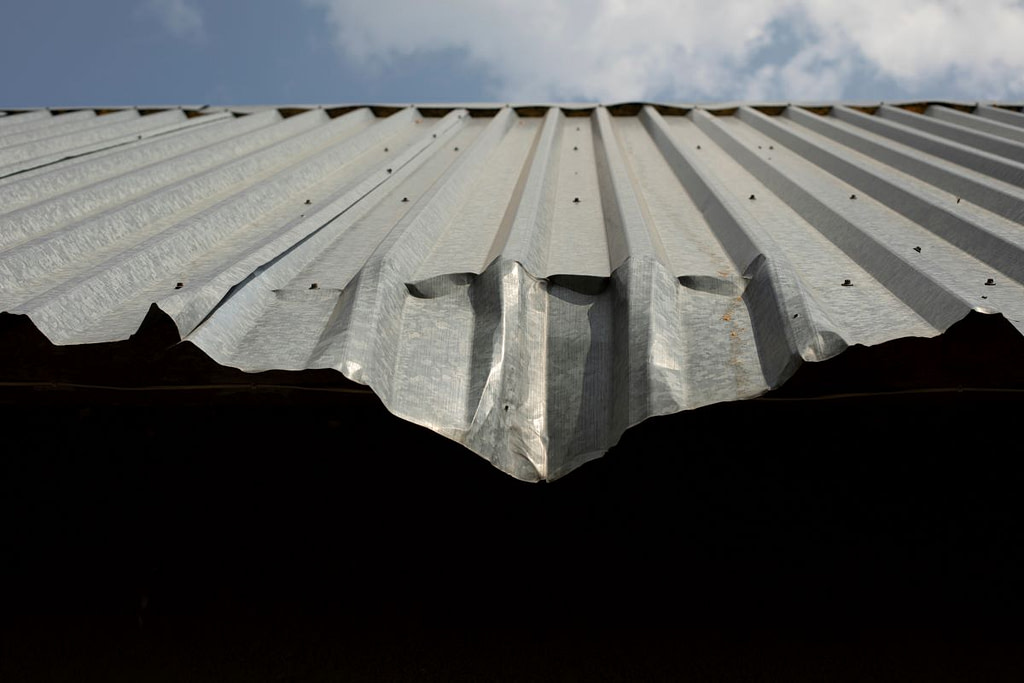
Dents are the most obvious sign of hail damage. While many are superficial, large or deep dents can compromise your roof’s protective finish.
- Aesthetic impact: Dents make roofs appear uneven or aged.
- Corrosion risk: Damaged paint or coatings expose bare metal to moisture.
- Functional damage: Deep dents may affect panel alignment and water runoff.
Professional evaluation determines whether these dents are purely cosmetic or a sign of structural weakening.
2. Damaged Roof Coatings
Metal roofs are coated to resist corrosion and UV damage. When hail impacts break or chip this layer, the underlying metal becomes vulnerable.
- Paint cracking: Small circular cracks may appear where hail struck.
- Chipped finish: Missing paint exposes the substrate beneath.
- Fading or flaking: Areas hit by hail may appear duller than the rest of the roof.
If you spot these issues, touch-up coatings or professional refinishing may be necessary to restore full protection.
3. Loose or Lifted Fasteners
Fasteners play a vital role in keeping panels secure. Hail impact or vibration can loosen them over time.
- Gap formation: Allows water to enter beneath panels.
- Noise during storms: Loose panels rattle in strong winds.
- Potential leaks: Even a few loose fasteners can cause widespread moisture damage.
A professional roofer can re-secure fasteners or replace damaged hardware to maintain watertight performance.
4. Cracked or Dented Flashing
Flashing seals areas around vents, skylights, and chimneys — all of which are highly exposed to hail.
- Seal breaks: Cracks allow water to seep beneath panels.
- Bending or warping: Hail can distort flashing around edges or corners.
- Corrosion points: Damaged flashing corrodes faster due to exposed metal.
Since flashing protects vulnerable roof joints, any damage requires immediate repair to avoid leaks.
5. Leaks or Water Stains Indoors
One of the most serious indicators of hail damage appears inside your home. If you notice stains on ceilings or walls after a storm, water is likely entering through roof openings caused by impact.
- Ceiling discoloration: Often appears as brown or yellow rings.
- Damp insulation: Indicates slow leaks over time.
- Mold odor: Suggests hidden water infiltration in attic spaces.
If leaks appear, prompt roof inspection and repair are crucial to prevent structural and interior damage.
6. Rust or Corrosion on Panels
When hail breaks through paint or coating layers, oxidation begins quickly — especially in humid climates like Florida.
- Orange streaks: Early sign of rust development.
- Surface bubbling: Indicates trapped moisture beneath coatings.
- Widespread corrosion: Can shorten roof lifespan significantly.
Rust not only weakens the roof’s structure but also diminishes its visual appeal. Addressing corrosion early keeps small issues from spreading.
7. Loose or Damaged Gutters and Downspouts
Hail doesn’t just affect the roof surface — it can also dent or clog gutters and downspouts. These systems are essential for proper drainage, especially during heavy rainfall.
- Visible dents: Affect water flow efficiency.
- Detached sections: Often caused by hail impact or roof runoff.
- Overflowing water: Leads to foundation damage or landscape erosion.
A full inspection should include both your roof and gutter system to ensure all storm-related damage is identified.
Comparing Iowa and Florida Hail Damage Risks
While both Iowa and Florida experience severe storms, the type and frequency of hail damage differ by region. Knowing your local risk helps you plan inspections and maintenance more effectively.
| Factor | Iowa | Florida |
| Storm Frequency | Frequent hailstorms during spring and summer | Occasional hail, more common during tropical systems |
| Average Hail Size | 1–2 inches or larger | Usually smaller but more wind-driven |
| Primary Roof Risk | Dents, fastener loosening, panel damage | Coating corrosion, minor pitting, and surface wear |
| Repair Urgency | Structural concerns after large hail | Protective coating maintenance and sealing |
| Inspection Recommendation | After every major hailstorm | Biannual inspection during storm season |
Both climates can lead to damage that worsens over time if ignored — Iowa roofs face more direct impacts, while Florida roofs experience long-term corrosion from humidity and salt exposure.
Repair or Replace? Making the Right Decision
Once hail damage is identified, deciding between repair and replacement depends on the severity of the impact and your roof’s age. Repairs may restore performance if the structure is sound, but widespread or deep dents often warrant replacement.
When Repair Is the Right Choice
- Minor cosmetic dents: If the paint and protective coating remain intact.
- Small isolated areas: Localized issues can be resealed or refinished.
- Recent installation: Newer roofs can often be repaired without long-term risk.
When Replacement Is the Better Option
- Widespread panel damage: Multiple dents or punctures weaken integrity.
- Severe corrosion: Rusted panels compromise structure and appearance.
- End-of-life systems: Older roofs nearing 30–40 years often benefit from full replacement.
A professional roofing inspection provides the most accurate recommendation, ensuring your investment is protected.
Preventive Maintenance Tips for Metal Roofs
Proactive care helps reduce the impact of future storms and keeps your roof in peak condition. Simple steps can make a big difference in preventing recurring damage.
Schedule Regular Inspections
Have your roof inspected at least once a year — or after major storms — to identify issues early.
- Post-storm checks: Look for dents, loose fasteners, or coating damage.
- Professional evaluations: Certified roofers can detect hidden structural problems.
Maintain Your Roof’s Coating
Protective coatings serve as the first line of defense against corrosion and impact damage.
- Reapply every 10–15 years: Keeps surfaces protected from UV rays and moisture.
- Use high-quality finishes: Reflective coatings also improve energy efficiency.
Regular maintenance preserves both the beauty and function of your roof over time.
Protect Your Home With Young Construction
When hail hits, you need a team that understands both quick repairs and long-term protection. At Young Construction, we specialize in metal roof inspections, storm damage restoration, and preventive maintenance tailored to your climate — whether you’re in Iowa or Florida.
Why Homeowners Choose Young Construction
- Expert storm assessment: We identify both visible and hidden damage.
- Trusted craftsmanship: Our skilled roofers use high-quality materials for reliable results.
- Comprehensive solutions: From minor dent repairs to full roof replacement, we handle it all.
Don’t wait until leaks or corrosion worsen. Contact Young Construction today for a free estimate and let our team restore your roof’s strength, appearance, and peace of mind after hail damage.