When it comes to protecting your roofing system from leaks and corrosion, few products are as versatile and effective as metal roof sealant. This durable coating helps homeowners prevent water intrusion, extend roof life, and maintain a clean, watertight finish. Whether used during installation or for repairs, sealant is one of the simplest ways to keep your metal roof performing at its best.
- Leak prevention: Creates a watertight barrier around seams, screws, and joints.
- Extended lifespan: Reduces wear from UV rays and moisture exposure.
- Cost efficiency: Helps avoid expensive structural damage over time.
What Is Metal Roof Sealant?
Metal roof sealant is a flexible, weather-resistant material applied to joints, seams, fasteners, and penetrations on a metal roof. Its primary purpose is to prevent water and air from entering vulnerable areas while maintaining flexibility to accommodate temperature changes and roof movement.
Most sealants are silicone, polyurethane, or acrylic-based. These compounds adhere tightly to metal surfaces and remain elastic even after years of exposure to heat, cold, and UV radiation. A high-quality sealant ensures your roof remains watertight through the toughest conditions.
In essence, sealant acts as your roof’s final line of defense against water damage and corrosion, essential for both new installations and long-term maintenance.
Why Metal Roof Sealant Matters
Even the most well-installed roof can develop gaps or micro-leaks over time. Expansion and contraction caused by temperature changes, loose fasteners, or simple aging can all create openings where water seeps in.
By applying the right sealant in the right areas, homeowners can prevent:
- Moisture intrusion: Stops leaks that cause rust or insulation damage.
- Energy loss: Seals air gaps that lead to temperature fluctuations.
- Structural wear: Reduces stress caused by repeated expansion and contraction.
A small investment in sealant goes a long way toward preserving your roof’s strength, efficiency, and appearance.
6 Best Uses for Metal Roof Sealant
Sealant isn’t applied randomly, it’s strategically used to reinforce the most vulnerable parts of your metal roof. Each of these six applications helps create a comprehensive, weather-tight system that protects your home year-round.
1. Sealing Roof Seams and Overlaps
Roof seams and overlaps are among the most common points for water intrusion. Over time, these joints can separate slightly due to thermal movement, allowing moisture to enter.
- Purpose: Creates a watertight bond between overlapping panels.
- Best sealant type: Polyurethane or butyl rubber for strong adhesion.
- Application tip: Apply a continuous, even bead along the entire seam for uniform coverage.
Properly sealed seams prevent leaks and stop water from traveling beneath panels, which can cause hidden corrosion or rot.
2. Around Fasteners and Screws
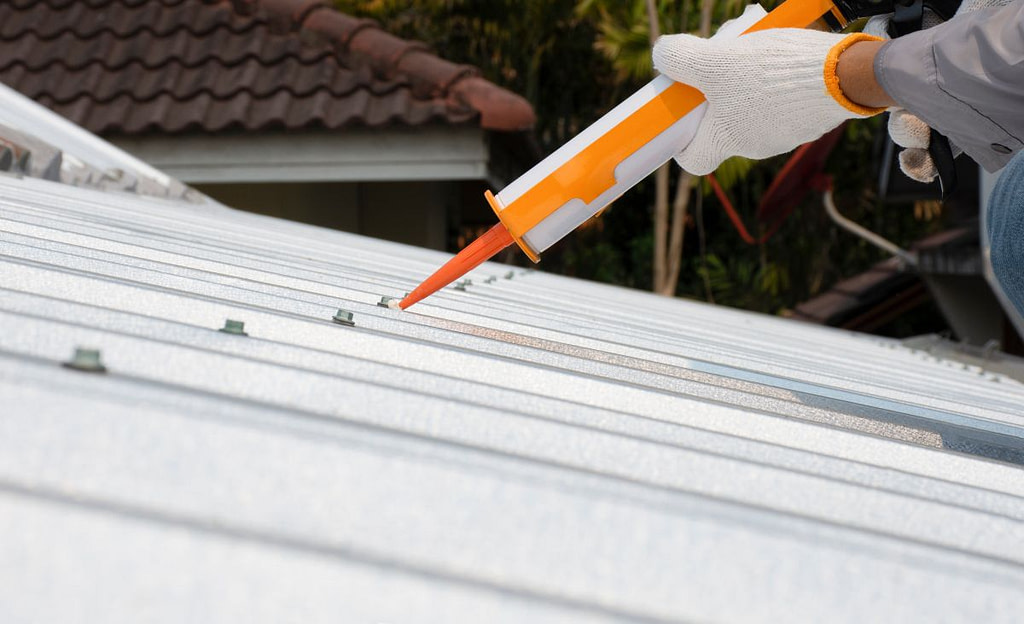
Fasteners are critical connection points, but they also create potential leak paths. When washers or screws loosen, gaps can form around the openings. Applying sealant ensures a protective seal even if the hardware shifts slightly.
- Purpose: Prevents water penetration around screw heads and washers.
- Best sealant type: Silicone for UV resistance and flexibility.
- Application tip: Apply a small, domed bead directly over each fastener head.
This step not only prevents leaks but also reduces the risk of rust forming around screw holes.
3. Flashing and Penetration Points
Areas where pipes, vents, chimneys, or skylights pass through the roof require special attention. Flashing seals these transitions, but over time, gaps can develop between the flashing and roof surface. Sealant provides a crucial secondary layer of protection.
- Purpose: Reinforces flashing joints and fills any small cracks.
- Best sealant type: Silicone or hybrid sealants compatible with metal and flashing material.
- Application tip: Clean the area thoroughly before applying sealant for optimal adhesion.
Keeping these areas sealed prevents major water damage inside your attic or ceiling cavity.
4. End Laps and Panel Edges
End laps — where two panels meet at their ends — are particularly prone to leaks because water naturally flows toward these joints. Applying sealant ensures a complete seal, especially on low-slope roofs where drainage is slower.
- Purpose: Protects panel ends from water pooling or backflow.
- Best sealant type: Butyl tape combined with polyurethane sealant for maximum waterproofing.
- Application tip: Apply sealant both underneath and over the lap for double protection.
Sealing end laps prevents capillary water movement, a common cause of hidden corrosion under metal panels.
5. Ridge Caps and Eave Joints
The ridges and eaves of your roof are constantly exposed to wind, rain, and debris. Gaps or cracks in these areas can lead to water infiltration and energy loss. Proper sealing ensures long-lasting performance and stability.
- Purpose: Prevents leaks where ridge caps meet roof panels.
- Best sealant type: UV-resistant silicone or elastomeric sealant.
- Application tip: Apply a continuous bead beneath ridge cap overlaps and along edges.
A sealed ridge system improves both weather resistance and overall roof aesthetics.
6. Minor Repairs and Preventive Maintenance
Even if your metal roof is in great shape, periodic sealing helps prevent small issues from turning into big problems. Sealant can fill minor cracks, gaps, or pinholes caused by aging or fastener movement.
- Purpose: Prevents small defects from growing into full leaks.
- Best sealant type: Acrylic or hybrid sealants for easy reapplication.
- Application tip: Inspect your roof twice yearly and apply sealant where necessary.
Routine touch-ups with sealant ensure your metal roof remains watertight and visually appealing for years.
How to Apply Metal Roof Sealant
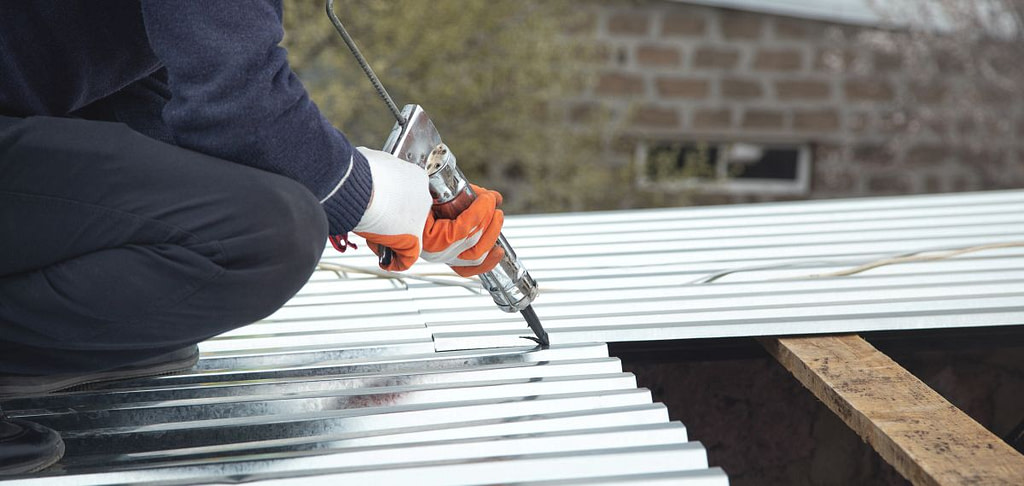
Applying metal roof sealant properly is just as important as choosing the right product. While some homeowners tackle small sealing projects themselves, professional application ensures complete coverage and long-term results.
Before applying sealant, make sure the roof surface is clean and dry. Remove all dirt, rust, and loose material using a wire brush or pressure washer. Allow the surface to dry completely before sealing.
Application Steps
- Choose the right sealant: Match your sealant type to your metal and roof conditions.
- Clean the surface: Ensure all debris and oils are removed for proper adhesion.
- Cut the nozzle: Trim your sealant tube at a 45-degree angle for controlled flow.
- Apply evenly: Run a steady bead along seams, joints, or fasteners.
- Smooth the bead: Use a gloved finger or applicator to flatten the sealant slightly.
- Allow curing time: Follow the manufacturer’s drying instructions before exposure to moisture.
A properly applied sealant forms a strong, flexible barrier that can withstand temperature swings and long-term UV exposure.
Common Mistakes to Avoid
Even high-quality sealants won’t perform as expected if applied incorrectly. Avoid these common pitfalls to ensure your repair or installation lasts.
- Applying to dirty surfaces: Sealant won’t adhere to dust, rust, or oily residue.
- Overusing product: Too much sealant can trap moisture instead of blocking it.
- Ignoring curing time: Exposure to rain or humidity before curing weakens adhesion.
- Mixing incompatible products: Always match sealant to your roofing and flashing materials.
Taking time to prepare the surface and follow best practices leads to better results and fewer future repairs.
Maintenance and Longevity
Metal roof sealants generally last between 10 and 20 years, depending on the product type and exposure. Regular inspections help identify wear before leaks form.
Maintenance Tips
- Inspect annually: Check all sealed areas for cracks or peeling.
- Reapply when needed: If you notice gaps or dried sealant, reapply promptly.
- Avoid harsh chemicals: Clean using mild soap and water to prevent sealant degradation.
- Hire a professional for large-scale resealing: Ensures consistent results across the entire roof.
Proactive care extends the lifespan of your sealant and ensures your roof remains fully protected year-round.
Protect Your Roof With Expert Guidance From Young Construction
Applying metal roof sealant may seem like a small task, but it plays a huge role in maintaining your home’s strength, comfort, and energy efficiency. Whether sealing fasteners, seams, or flashing, attention to detail makes all the difference.
Why Homeowners Trust Young Construction
- Comprehensive roofing expertise: Skilled in all aspects of metal roof protection and maintenance.
- Quality-driven approach: Focused on materials and methods that stand up to every season.
- Trusted reputation: Helping homeowners protect their investment through education and craftsmanship.
Your metal roof deserves the best care to stay durable and watertight. Contact Young Construction today for a free estimate and learn how expert roofing guidance can help you maintain long-lasting protection for your home.