A poorly insulated attic is one of the most common and costly hidden problems in a home, quietly driving up energy bills and leaving rooms uncomfortable season after season. Because the attic is out of sight, the warning signs often show up elsewhere, as a cold room, a climbing utility bill, or ice building up along the roof edge in winter. Learning to recognize these signals early lets you fix the problem before it wastes more money or damages your home. Here is what this guide covers:
- The warning signs: The seven clearest indicators that your attic insulation is falling short.
- Why it matters: How poor insulation drains efficiency, comfort, and your home’s structure.
- What to do: How improving attic insulation restores efficiency and comfort.
Why Does Attic Insulation Matter So Much?
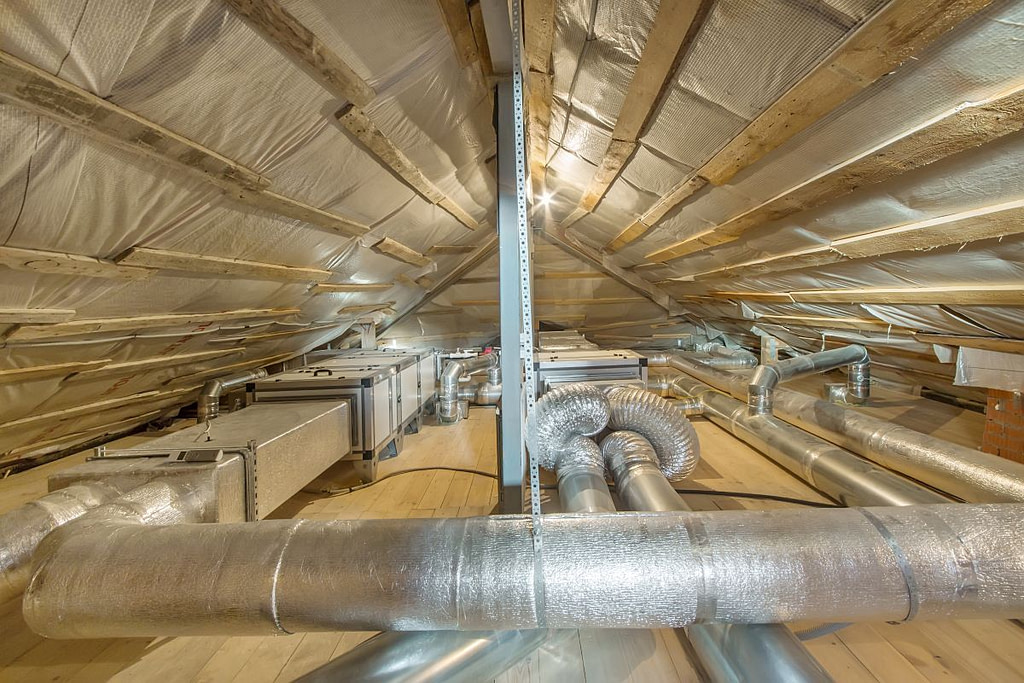
Attic insulation matters because heat rises, making the attic the number one place a home loses conditioned air in winter and gains unwanted heat in summer. When that layer is thin, patchy, or missing, your heating and cooling system works overtime to compensate, and you feel it in both comfort and cost.
How Does Poor Attic Insulation Affect Your Home?
Poor attic insulation affects your home by letting conditioned air escape and outdoor temperatures creep in, forcing your HVAC system to run longer and harder. This drives up energy bills, creates uneven and uncomfortable rooms, and can lead to moisture problems, ice dams, and even pest intrusion over time. The attic is usually the highest-payoff place to add insulation because it is where heat escapes first. Left unaddressed, a poorly insulated attic quietly costs money every month and can shorten the life of your HVAC equipment. For homes in Wells and surrounding areas, that impact is magnified by Iowa’s cold winters and hot summers.
- Energy loss: Conditioned air escapes through the attic all year long.
- HVAC strain: The system runs longer, wearing out faster and costing more.
- Comfort problems: Uneven temperatures make rooms too hot or too cold.
- Structural risk: Moisture, ice dams, and pests can follow poor insulation.
How Much Can Better Insulation Save?
Better attic insulation can deliver meaningful, measurable savings on your energy bills while making your home more comfortable year-round. Sealing air leaks and adding insulation reduces the energy your home wastes, which lowers heating and cooling costs and eases the load on your equipment. The savings are especially significant in a climate with long, cold winters, where heat loss through the attic is greatest, which is exactly the situation for homes in Wells and surrounding areas. Beyond the dollars, better insulation means steadier temperatures, fewer drafts, and a quieter, healthier home. Investing in the attic is one of the most cost-effective efficiency upgrades available to homeowners.
- Lower bills: Reduced energy waste means smaller heating and cooling costs.
- Cold-climate payoff: Savings are greatest where winters are long and harsh.
- Comfort gains: Steadier temperatures and fewer drafts throughout the home.
- Cost-effective upgrade: Attic work delivers strong value for the investment.
The savings potential here is backed by federal estimates, not just industry claims. According to ENERGY STAR, homeowners can save an average of 15 percent on heating and cooling costs, or about 11 percent on total energy costs, by air sealing their homes and adding insulation in attics, floors over crawl spaces, and basements. That makes sealing and insulating the attic one of the most reliable efficiency investments a homeowner can make.
7 Signs of a Poorly Insulated Attic
Recognizing the warning signs of poor attic insulation helps you act before the wasted energy and potential damage add up. The seven signs below are the clearest indicators that your attic needs attention.
1. High or Rising Energy Bills
Climbing energy bills with no change in your habits are one of the most common signs of a poorly insulated attic. When insulation is inadequate, conditioned air escapes and your HVAC system runs longer to keep up, pushing your heating and cooling costs steadily higher. If your bills creep up year after year while your thermostat settings stay the same, the attic is a likely culprit. This is often the first sign homeowners notice, even before they connect it to insulation. Tracking your bills against past seasons can reveal the pattern.
- Unexplained increases: Bills climb without any change in usage habits.
- Year-over-year creep: Costs rise steadily as insulation underperforms.
- HVAC overwork: The system runs longer to replace escaping air.
- First clue: Often the earliest noticeable sign of poor insulation.
2. Uneven Room Temperatures
Rooms that are noticeably hotter or colder than the rest of the house point to inconsistent or inadequate attic insulation. When the attic layer is patchy or thin, some areas lose conditioned air faster than others, creating a home where the upstairs bedroom never warms up or the living room stays stuffy. These temperature swings are a direct symptom of insulation that cannot hold conditioned air evenly. Walking the house on a very hot or cold day makes the problem obvious. Persistent hot and cold spots are a reliable red flag worth investigating.
- Hot and cold spots: Some rooms never reach a comfortable temperature.
- Upstairs issues: Rooms below the attic often feel the effect most.
- Uneven air loss: Patchy insulation lets some areas lose air faster.
- Easy test: Walk the house on an extreme day to feel the difference.
3. Ice Dams in Winter
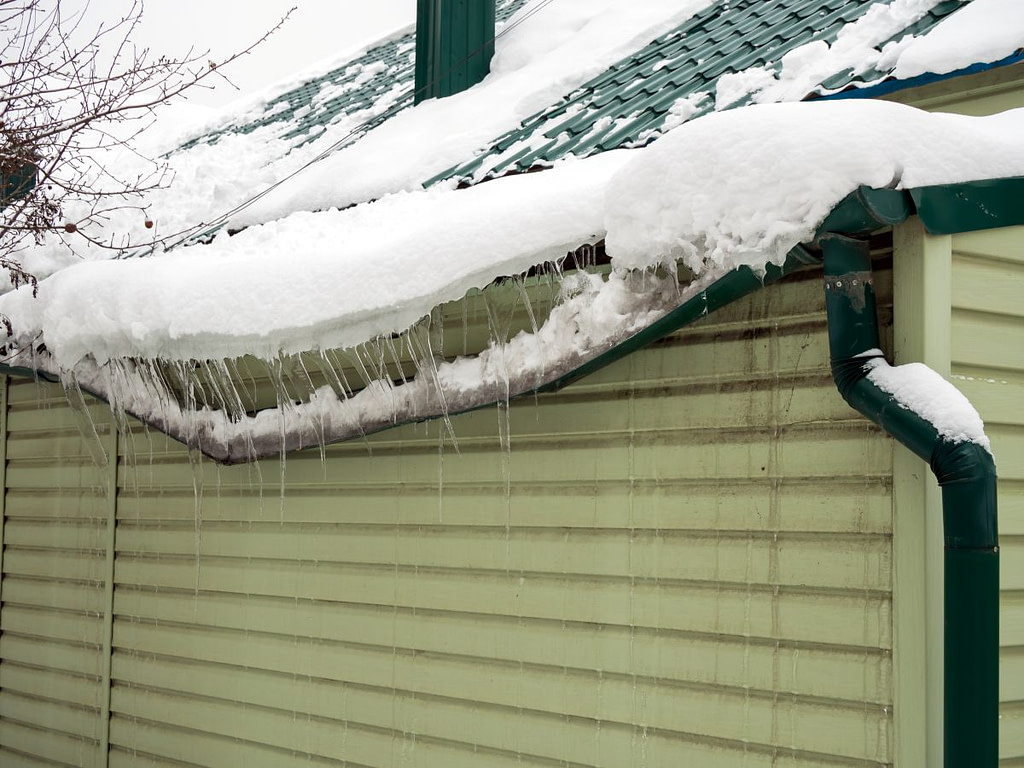
Ice dams forming along your roof edge in winter are a classic and telling sign of a poorly insulated attic. When heat escapes into the attic, it warms the roof unevenly, melting snow that then refreezes at the cold eaves and builds into a ridge of ice. This trapped meltwater can back up under shingles and cause leaks, while the ice itself can damage shingles, gutters, and siding. Ice dams are a clear signal that warm air is escaping where it should not. Addressing the insulation that causes them protects both efficiency and the roof.
- Ice at the eaves: Ridges of ice signal heat escaping into the attic.
- Uneven roof warming: Escaping heat melts snow that refreezes at the edge.
- Water damage risk: Backed-up meltwater can leak under shingles.
- Clear signal: Ice dams point directly to attic heat loss.
4. Drafts and Cold Surfaces
Persistent drafts and walls, ceilings, or floors that feel cold to the touch indicate air leaking through gaps in the attic insulation. When cold air enters and conditioned air escapes through these gaps, rooms feel drafty and interior surfaces stay colder than they should. This not only makes the home uncomfortable but also forces the heating system to work harder. Feeling a draft near the ceiling or a cold interior wall in winter is a strong sign the attic needs sealing and insulation. These subtle clues are easy to dismiss but add up to real energy waste.
- Noticeable drafts: Cold air slips in through gaps in the insulation.
- Cold surfaces: Walls, ceilings, or floors feel colder than the room.
- Comfort drain: Drafts make rooms feel uncomfortable despite heating.
- Subtle but costly: Small leaks add up to significant wasted energy.
5. HVAC System Runs Constantly
A heating and cooling system that seems to run nonstop without making the home comfortable often points back to a poorly insulated attic. When conditioned air escapes as fast as the system produces it, the HVAC equipment cycles constantly trying to keep up, driving up bills and wearing out sooner. If your furnace or air conditioner rarely seems to rest, inadequate insulation may be forcing it to compensate. This constant operation is both a comfort and a financial strain. Reducing the load through better insulation lets the system run efficiently again.
- Nonstop cycling: The system runs constantly but rooms stay uncomfortable.
- Wasted output: Conditioned air escapes as fast as it is produced.
- Equipment wear: Constant operation shortens HVAC lifespan.
- Efficiency fix: Better insulation lets the system rest and run efficiently.
6. Moisture, Condensation, or Mold
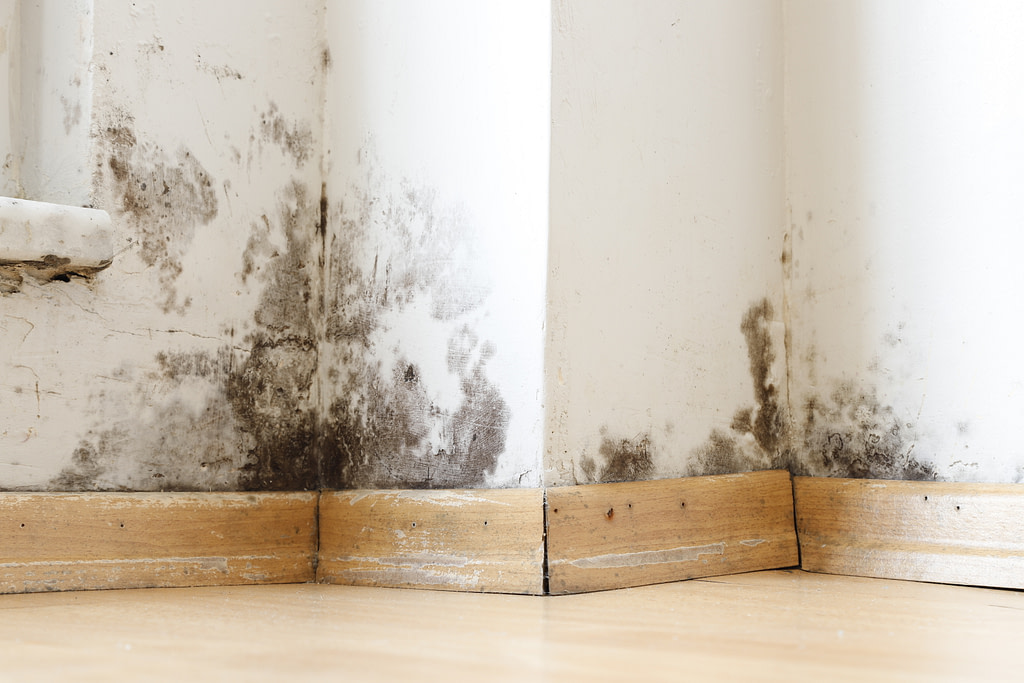
Moisture buildup, condensation on windows, or mold growth in the attic can signal poor insulation combined with inadequate air sealing and ventilation. When warm, moist indoor air rises into a cold, poorly insulated attic, it condenses on cold surfaces, creating the damp conditions where mold and mildew thrive. Over time this leads to wood rot, damaged insulation, and potential indoor air quality concerns. A musty smell or visible condensation is a warning that moisture is being trapped where it should not be. Addressing insulation and airflow together resolves the root cause.
- Condensation: Moisture collects on windows or cold attic surfaces.
- Mold and mildew: Damp, poorly insulated attics breed mold growth.
- Structural damage: Trapped moisture leads to wood rot over time.
- Air quality: Mold can affect the health of the home’s occupants.
7. Thin, Patchy, or Aging Insulation
Visibly thin, patchy, or settled insulation when you look into the attic is a direct sign the layer is no longer doing its job. If you can see the ceiling joists or the insulation looks uneven, compressed, or sparse, there is likely not enough to meet the recommended level for your climate. Older homes in particular often fall short of modern insulation standards. Simply measuring the depth and comparing it to the recommended R-value for your area reveals whether you need more. Seeing the shortfall directly is the most straightforward sign of all.
- Visible joists: Seeing the ceiling joists means the layer is too thin.
- Patchy coverage: Uneven or compressed insulation underperforms.
- Older homes: Many predate current insulation recommendations.
- Measure the depth: Compare it to the recommended R-value for your zone.
How Do You Fix a Poorly Insulated Attic?
Fixing a poorly insulated attic starts with assessing the current insulation and air sealing, then adding the right type and amount to meet your climate’s recommended level. Combining air sealing with added insulation is what delivers the biggest efficiency gains.
What Does the Solution Involve?
The solution involves sealing air leaks first, then adding insulation to reach the recommended R-value for your climate zone. A professional assesses your existing insulation depth, identifies gaps and leaks around penetrations and the attic hatch, and seals them before adding material. Baffles are installed to protect soffit ventilation, and the right insulation type is added to the proper depth for even, complete coverage. This combination of air sealing and adequate insulation is what restores efficiency and comfort. For homeowners in Wells and surrounding areas, doing it correctly the first time delivers lasting savings and a more comfortable home.
- Seal first: Close air leaks before adding any insulation.
- Hit the R-value: Add insulation to the recommended level for your climate.
- Protect airflow: Baffles keep soffit vents clear during the work.
- Complete coverage: Even depth across the attic ensures full performance.
Frequently Asked Questions
How do I know if my attic is poorly insulated?
The clearest signs include high or rising energy bills, uneven room temperatures, drafts, ice dams in winter, a constantly running HVAC system, moisture or mold, and visibly thin or patchy insulation. Measuring your attic insulation depth against the recommended R-value for your climate confirms whether it falls short. A professional assessment gives you a definitive answer.
How much insulation should my attic have?
The recommended amount depends on your climate zone, with cold, heating-dominated areas like Iowa’s typically calling for around R-49 to R-60 in the attic. If you can see the ceiling joists or the insulation looks thin, you likely need more. Measuring the depth and comparing it to the target for your zone tells you how much to add.
Can adding attic insulation really lower my bills?
Yes, adding attic insulation and sealing air leaks can meaningfully lower energy bills, with federal estimates pointing to average savings around 15 percent on heating and cooling costs. The exact amount depends on your home, climate, and existing insulation. Cold-climate homes often see the largest benefit.
Should I air seal before adding insulation?
Yes, air sealing should always come before adding insulation, because insulation slows heat but does not stop air leaks on its own. Sealing gaps around penetrations, the attic hatch, and fixtures first ensures the new insulation performs at its full value. Skipping this step is a common reason insulation underdelivers.
Do ice dams mean my attic is poorly insulated?
Ice dams are a strong indicator of a poorly insulated and often poorly ventilated attic, since they form when escaping heat melts snow that refreezes at the cold roof edge. Improving attic insulation and ventilation is the most effective long-term fix. Left unaddressed, ice dams can cause leaks and roof damage.
Is attic insulation a good investment?
Attic insulation is one of the most cost-effective home efficiency upgrades, often paying for itself over time through lower energy bills and improved comfort. It also reduces strain on your HVAC system and can improve home value. The payback is especially strong in cold climates with high heating demand.
Trust Young Construction to Improve Your Attic Efficiency
When it comes to spotting the signs of a poorly insulated attic and fixing them the right way, Young Construction brings over 20 years of local experience and a deep understanding of how Iowa’s climate drives energy loss through the attic. We assess your existing insulation, seal the air leaks that waste energy, protect your ventilation with proper baffles, and add the right insulation to the recommended level so your home stays comfortable and efficient year-round. As a family-owned, fully licensed and insured company with more than 150 five-star reviews, we treat your home with genuine care and explain every recommendation in plain terms. If your bills are climbing, your rooms feel uneven, or you see ice dams each winter, you deserve a lasting fix from a team that does it right. Contact Young Construction today to talk through your attic and insulation needs and request a detailed, written estimate, and let our team help you improve your home’s efficiency now.