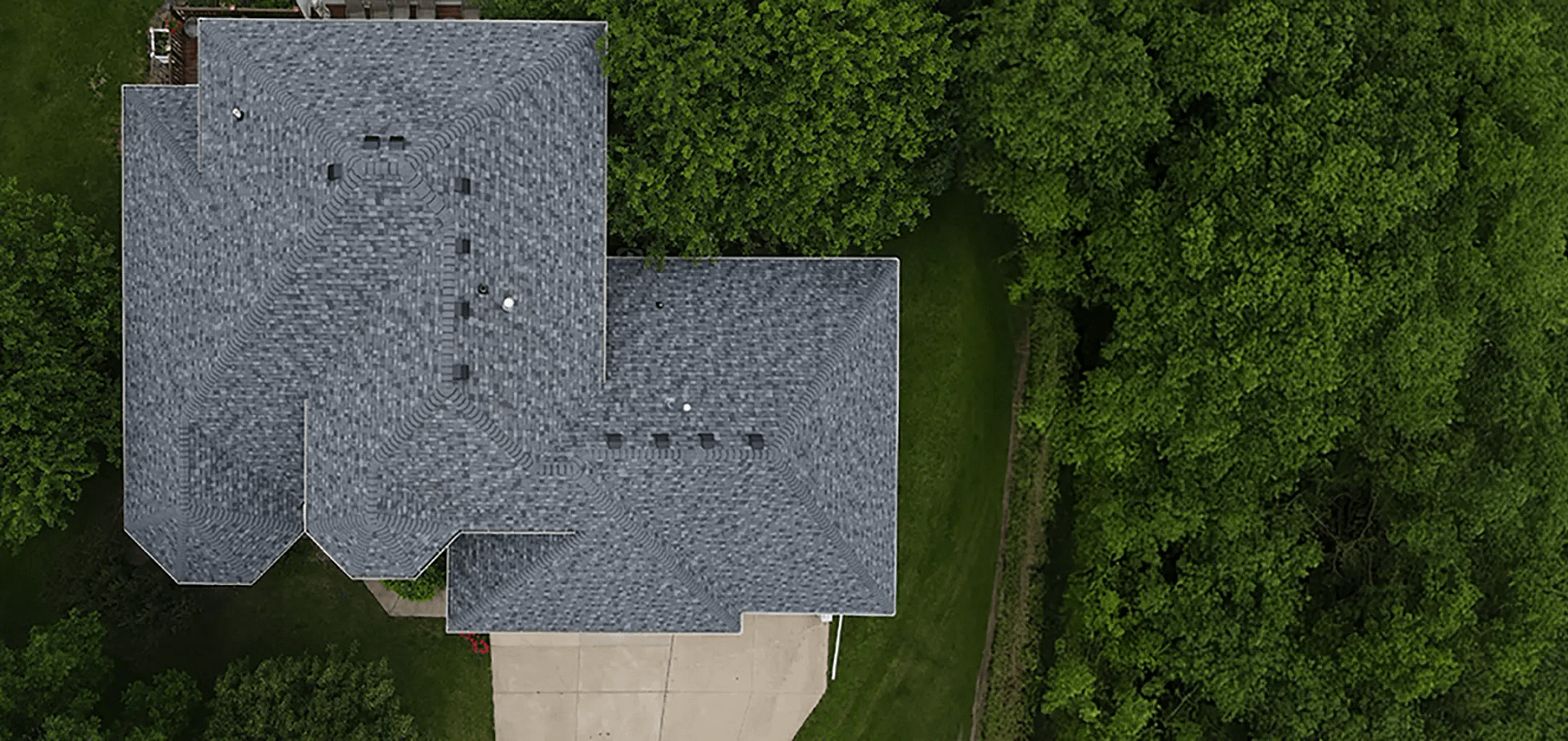
While synthetic underlayments have become the modern standard for roofing, there are still several problems with synthetic roof underlayment that homeowners should be aware of. Synthetic materials offer excellent water resistance, tear strength, and UV protection, but like any building product, they come with potential drawbacks if installed or maintained improperly. Knowing what to watch for can help you avoid expensive roof repairs and ensure long-term performance.
- Awareness matters: Understanding limitations helps prevent premature roof failure.
- Proper installation: Small mistakes can lead to leaks and trapped moisture.
- Longevity and maintenance: Routine inspections keep synthetic underlayments performing as expected.
Why Synthetic Underlayment Has Become So Popular

Over the last decade, synthetic underlayment has largely replaced traditional felt paper on both residential and commercial roofs. Made from polypropylene or polyethylene, it is lighter, stronger, and more resistant to tearing and UV damage. Its long lifespan and ease of installation make it a favorite among roofing professionals.
However, “better” doesn’t always mean “perfect.” Despite their advantages, synthetic underlayments can still develop issues if not installed correctly or matched to the proper roofing system. These problems often start small but can lead to leaks, structural damage, or shortened roof lifespans over time.
The Importance of Proper Installation
Even the highest-quality synthetic underlayment will fail if it’s installed incorrectly. Seams, fasteners, and overlaps must all be applied with precision to maintain a watertight seal. Improper tension, low-quality adhesives, or incorrect layering can create gaps that allow moisture to penetrate beneath the metal or shingle surface.
Homeowners should ensure their roofing contractor uses manufacturer-approved installation practices and inspects the underlayment before final roofing materials are applied.
6 Problems With Synthetic Roof Underlayment
Synthetic underlayments can be an excellent investment when properly chosen and installed. However, these six common problems can compromise performance if overlooked during installation or maintenance.
1. Slippery Surface During Installation
Because synthetic materials have smooth textures, they can become slippery when wet or dusty. This creates potential safety hazards for installers and can increase the risk of improper placement.
- Why it matters: Misalignment or uneven tension can cause wrinkles that trap water.
- What to do: Ensure proper footwear grip and clean surfaces before installation. Some premium underlayments feature textured finishes to improve traction and safety.
Slippery surfaces may seem like a minor inconvenience, but they can lead to serious installation flaws if not handled properly.
2. Wrinkling and Buckling
When underlayment isn’t laid flat or stretched too tightly, it can wrinkle or buckle once exposed to temperature changes. This affects both the aesthetics and functionality of the roof system.
- Why it matters: Wrinkled underlayment can create gaps that trap moisture and weaken adhesion.
- What to do: Allow proper overlap spacing and avoid pulling the material too tight during installation.
Even slight misalignment can interfere with how the outer roofing material adheres and drains water.
3. Poor Fastening or Over-Driving Nails
Fasteners that are overdriven or incorrectly placed can puncture the underlayment, leaving small holes that allow water to seep into the decking below.
- Why it matters: Holes and tears reduce water resistance and cause long-term leaks.
- What to do: Use manufacturer-recommended fasteners and ensure nails are flush, not recessed.
This problem is especially common when roofers use pneumatic nail guns without adjusting the pressure settings properly.
4. UV Degradation From Prolonged Exposure
Although synthetic underlayments offer better UV protection than felt, they are not meant for extended exposure. Leaving underlayment uncovered for too long can cause surface breakdown, brittleness, and reduced waterproofing ability.
- Why it matters: UV rays weaken the fibers, reducing tear resistance and flexibility.
- What to do: Cover the underlayment with roofing material as soon as possible after installation.
Most synthetic products can only withstand direct sunlight for 60 to 180 days, depending on the manufacturer. Always verify exposure limits before installation.
5. Condensation Trapped Beneath Metal Roofing
One of the most overlooked problems with synthetic roof underlayment occurs when it traps moisture beneath metal panels. Because metal cools quickly, condensation can form underneath, creating a damp environment that leads to corrosion or mold.
- Why it matters: Persistent moisture can degrade decking and reduce energy efficiency.
- What to do: Use breathable underlayments designed for metal roofing systems or ensure proper attic ventilation to allow moisture escape.
This issue is particularly common in climates with wide temperature swings between day and night.
6. Incompatibility With Certain Roofing Materials
Not all synthetic underlayments are compatible with every roofing material. Some adhesives or coatings may react poorly with asphalt-based shingles, rubber membranes, or metal fasteners.
- Why it matters: Chemical reactions can weaken adhesive bonds or discolor roofing surfaces.
- What to do: Confirm material compatibility with the roof manufacturer before installation.
Choosing the wrong type of underlayment for your roofing system can void warranties and reduce long-term performance.
How To Prevent Synthetic Underlayment Failures

Avoiding issues with synthetic underlayment starts with proper planning and regular maintenance. The right combination of materials, installation practices, and inspection frequency helps ensure your roof stays watertight and durable.
Choose The Right Product
- Climate suitability: Select underlayment designed for your local weather conditions.
- Roof type: Match underlayment properties with your roof material, slope, and structure.
- UV tolerance: Check manufacturer guidelines for maximum exposure times.
Choosing a high-quality product upfront saves time and money later by reducing repair needs.
Hire Experienced Roofing Professionals
- Certified contractors: Work with installers who follow manufacturer standards.
- Attention to detail: Proper seam sealing and overlap alignment are critical.
- Jobsite safety: Ensuring safe installation reduces errors caused by rushed work.
Skilled installation is one of the best ways to prevent long-term performance issues.
Conduct Regular Inspections
- Annual checks: Look for signs of warping, cracks, or loose fasteners.
- After severe weather: Inspect for uplift or tears from wind and debris.
- Inside inspection: Check attic insulation and decking for moisture buildup.
Routine maintenance helps identify small problems before they lead to major damage.
The Role of Ventilation and Attic Health
Proper attic ventilation plays a crucial role in preventing many underlayment issues. Without airflow, heat and moisture accumulate under the roof deck, accelerating material deterioration. Balanced intake and exhaust ventilation maintain steady temperature and humidity levels, ensuring both the underlayment and roof covering perform at their best.
If your attic feels excessively hot or humid, consider improving ventilation before installing a new roof or underlayment layer.
Protect Your Roof Investment With Reliable Knowledge

Synthetic underlayment offers impressive benefits, but understanding potential weaknesses helps homeowners make smarter, more confident decisions. Paying attention to these six key problem areas ensures your roof remains secure, efficient, and long-lasting for decades.
Your roof deserves every layer of protection it can get. Contact Young Construction today for a free estimate and learn how proper roofing materials and installation practices can keep your home strong, efficient, and leak-free for years to come.