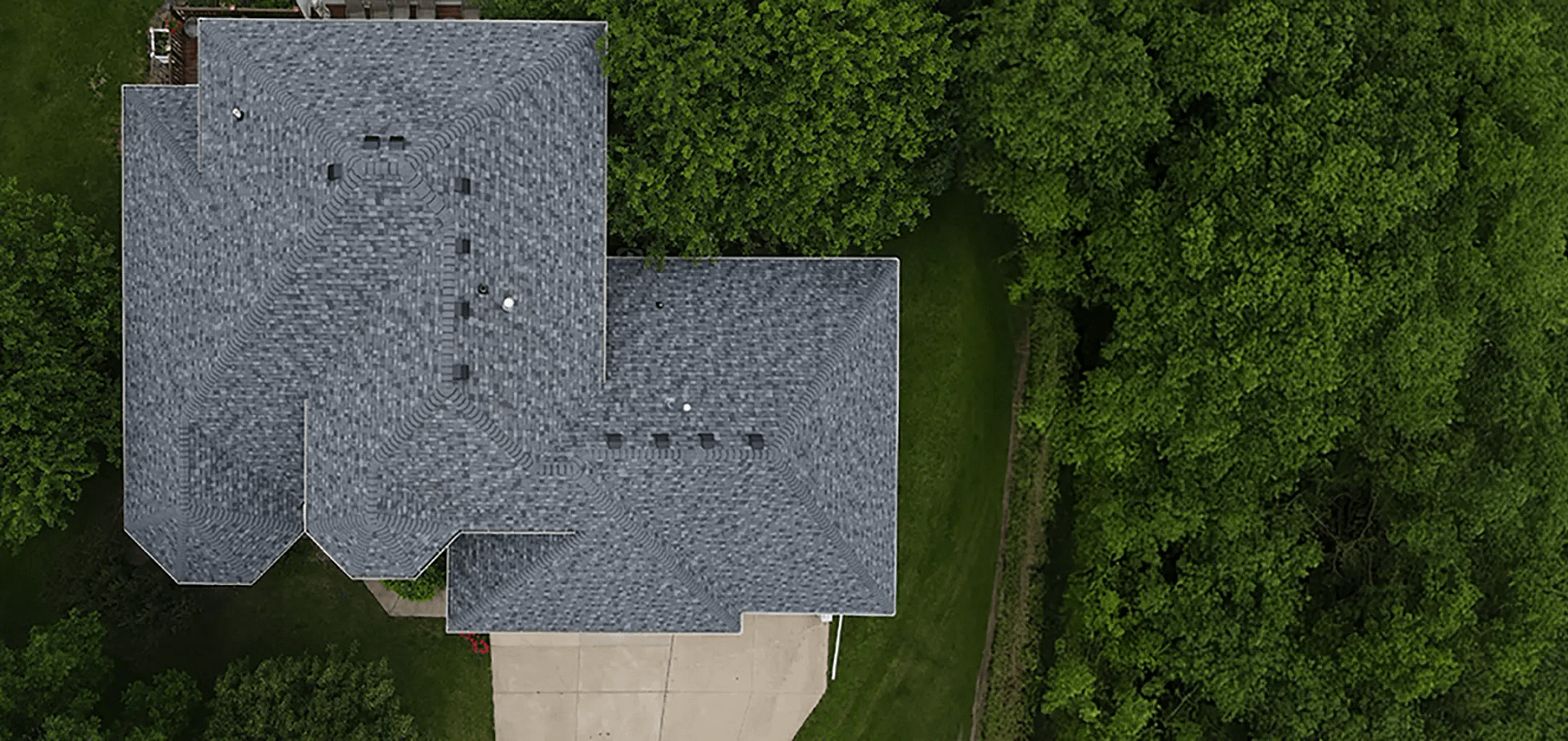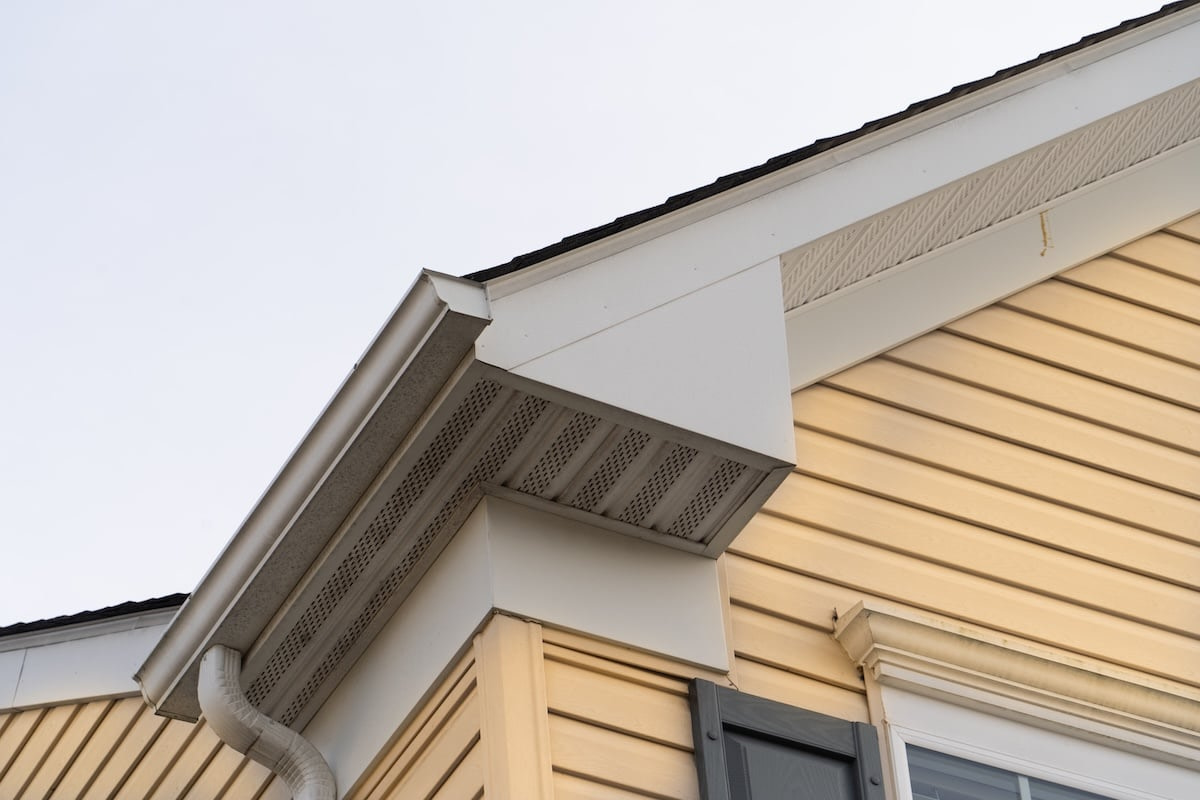
Roof eaves play a vital role in the structure and functionality of your home. These architectural features extend beyond the exterior walls and are often overlooked by homeowners. However, they serve practical purposes like protecting your home from moisture buildup, enhancing ventilation, and improving curb appeal. Beyond their practicality, roof eaves also add a finished, polished look to your roof.
This blog will explore:
- The different types of roof eaves and how they function.
- The benefits of roof eaves, including protection and aesthetics.
- Tips for maintaining roof eaves to ensure longevity.
What Are Roof Eaves and Why Are They Important?
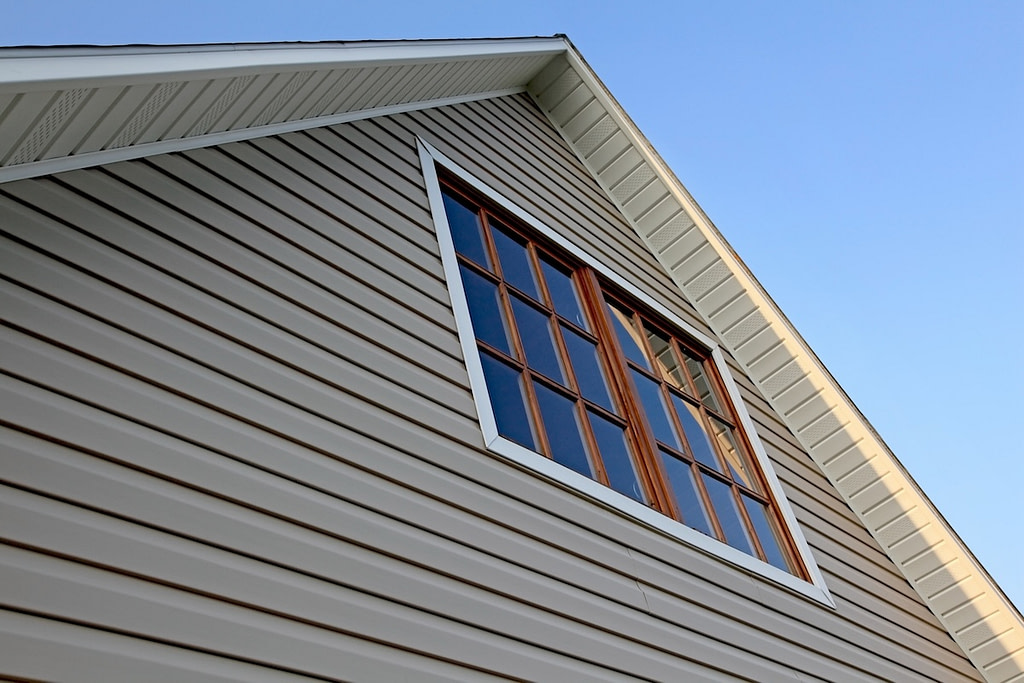
Roof eaves are the edges of a roof that overhang the exterior walls of a house. Their primary purpose is to direct rainwater away from the walls and foundation, protecting your home from water damage and moisture buildup. Additionally, eaves contribute to proper ventilation, help regulate indoor temperatures, and enhance the overall curb appeal of your property.
Types of Roof Eaves
Different homes call for different types of eaves, and each type offers unique aesthetic and functional benefits. Whether you’re looking to emphasize a modern design or add character to a traditional home, understanding your options is critical.
1. Exposed Roof Eaves
Exposed roof eaves reveal the beams and rafters extending past the roofline. They are highly popular in rustic and contemporary-style homes, as they add a raw, natural look to your property’s architecture.
Features of Exposed Roof Eaves
- The rafters underneath are visible, leaving a minimalist yet striking impression.
- Typically used in designs where aesthetic simplicity is emphasized.
Benefits of Exposed Roof Eaves
- Enhance ventilation by allowing airflow between the roof and exterior walls.
- Add a visual contrast to architectural designs with clean lines.
- Require less cladding, which can save costs in certain instances.
2. Boxed-in Roof Eaves
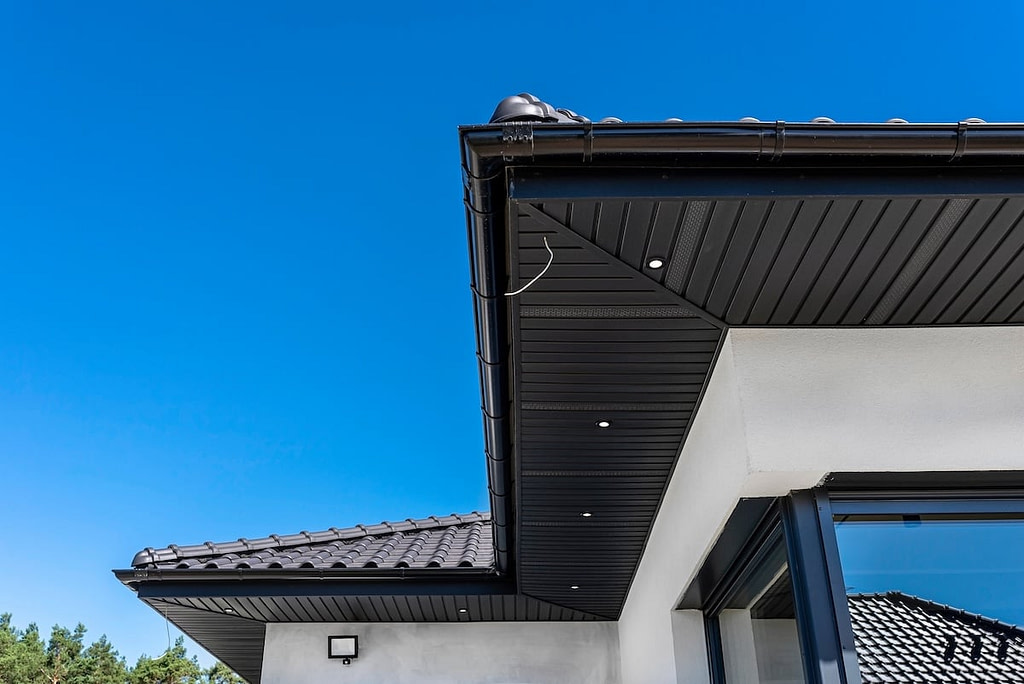
Boxed-in eaves are entirely enclosed, with materials such as soffits or fascia covering the underside and edges of the eave. These suit traditional or colonial home designs, providing a polished, finished appearance.
Features of Boxed-in Roof Eaves
- The underside is sealed with soffit boards, providing a sleek look.
- Ideal for homes where the objective is to create symmetry and balance.
Benefits of Boxed-in Roof Eaves:
- Help prevent moisture buildup by keeping pests, birds, and debris out.
- Improve the home’s insulation and energy efficiency.
- Offer a modern, seamless aesthetic that complements any home design.
3. Overhanging Roof Eaves
Overhanging eaves extend significantly beyond the exterior walls, offering maximum coverage and protection. These are particularly common in areas prone to heavy rainfall or strong sunlight and are a key element of mid-century architecture.
Features of Overhanging Roof Eaves
- Project farther than traditional eaves, offering enhanced coverage.
- Often incorporate drip edges or gutters for added water-management efficiency.
Benefits of Overhanging Roof Eaves:
- Provide superior protection to walls and windows against the weather.
- Reduce indoor temperatures during summer by blocking direct sunlight.
- Add significant dimension and character to the overall look of a home.
4. Flat Roof Eaves
Flat roof eaves are common in modern and minimalist home designs. They feature a sleek, unembellished shape that mimics the roof line.
Features of Flat Roof Eaves
- Typically extend only slightly beyond the roofline for a uniform appearance.
- Designed with a straightforward structure, reducing overall complexity.
Benefits of Flat Roof Eaves:
- Create a sharp, contemporary aesthetic that enhances curb appeal.
- Minimize maintenance thanks to their simplistic design.
- Optimize energy performance by balancing sun exposure on windows.
5. Box Eaves
Box eaves are a specific style of enclosed eaves where the soffits are boxed at a 90-degree angle to the exterior wall, creating a clean and structured look. They are often used in traditional or transitional home designs for a neat and formal appearance.
Features of Box Eaves
- They create a sharp, angular transition between the roofline and the walls.
- Offer a uniform and consistent appearance for homes with symmetrical designs.
Benefits of Box Eaves:
- Provide a polished, professional look that enhances the home’s overall design.
- Help protect the roof structure from weather damage by sealing the eaves completely.
- Improve durability by keeping debris, pests, and moisture out of the roof system.
6. Decorative Eaves
Decorative eaves are designed to add visual flair and character to a home. These eaves highlight intricate details, such as brackets, corbels, or ornamental trim, making them a frequent choice for Victorian, Gothic, or Mediterranean-style homes.
Features of Decorative Eaves
- Often paired with elaborate trim or brackets for added detail.
- Emphasize the architectural style of the home through unique accents.
Benefits of Decorative Eaves:
- Enhance curb appeal with intricate details that make homes stand out.
- Provide a historical or luxurious touch to the property’s architecture.
- Offer customization options to match various design themes or personal preferences.
Parts of Roof Eaves Explained
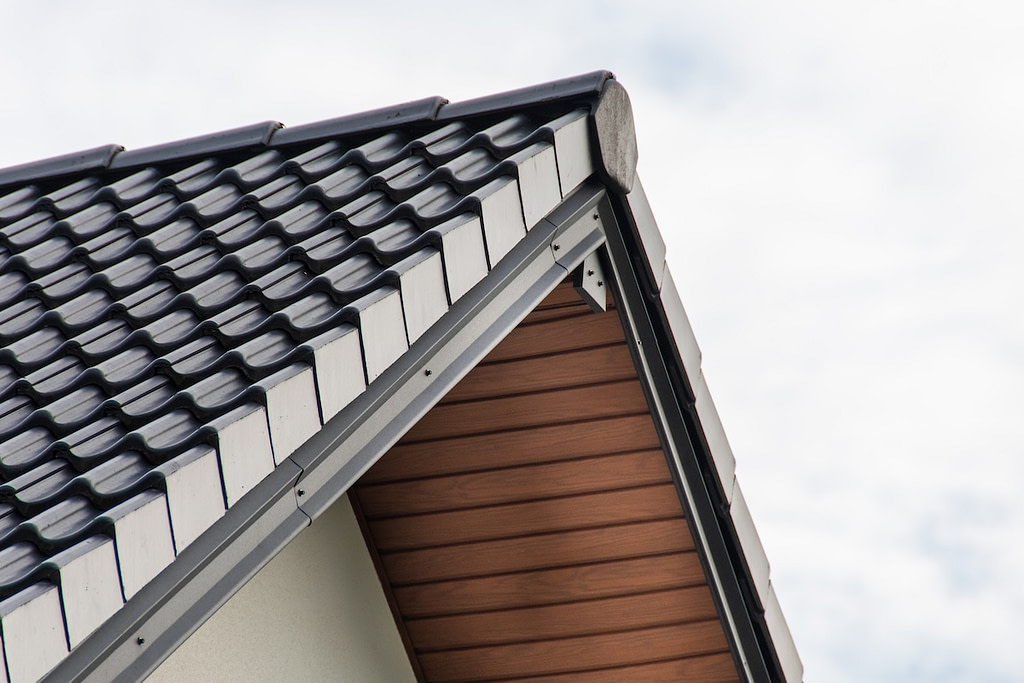
Roof eaves are made up of several components that work together to protect your home from water damage, improve ventilation, and support your gutter system. Understanding these parts can help homeowners better recognize potential issues and maintain their roof properly.
Soffit
The soffit is the horizontal panel located underneath the roof overhang. It covers the exposed rafters and helps give the eaves a finished appearance. Many soffits include small vents that allow air to circulate through the attic. Proper soffit ventilation helps regulate attic temperature and moisture, which can prevent mold growth and reduce the risk of ice dams in colder climates.
Fascia
The fascia is the long, straight board that runs along the lower edge of the roof. It is mounted at the ends of the rafters and is highly visible from the ground. Fascia boards support the gutter system and help protect the edge of the roof from weather exposure. Because gutters are attached to the fascia, it must remain strong and free of rot.
Rafter Tails
Rafter tails are the ends of the roof rafters that extend beyond the exterior walls of the house. They form the structural framework that creates the roof overhang. In some homes, rafter tails are covered by soffit and fascia for protection, while in others they may be exposed as part of the architectural style.
Drip Edge
The drip edge is a metal flashing installed along the edge of the roof. It directs rainwater away from the fascia and into the gutters. Without a drip edge, water can seep behind the gutters or under the roofing materials, which may lead to wood rot and structural damage over time.
Gutters
Although technically not part of the eave structure itself, gutters are closely connected to the fascia and play a critical role in protecting roof eaves. Gutters collect rainwater from the roof and channel it away from the home’s foundation. Properly functioning gutters help prevent water from overflowing and damaging the soffit, fascia, or siding.
Together, these components form the roof eaves system, which protects the home from moisture while improving ventilation and overall roof performance.
Benefits of Roof Eaves
Roof eaves do more than add architectural detail to your home—they play an important role in protecting the structure and improving overall roof performance. Here are some of the key benefits they provide.
1. Protection Against Weather
Roof eaves protect your home by directing rainwater away from your exterior walls and foundation. This minimizes moisture buildup, which can lead to mold, rot, or structural damage over time.
2. Improved Ventilation
By enhancing airflow through the attic or roof structure, roof eaves help prevent heat and moisture buildup, reducing the risk of long-term damage to your roofing materials.
3. Curb Appeal
Whether you’re showcasing the rustic charm of exposed eaves or the sleek modernity of flat eaves, they play a crucial role in improving the overall curb appeal of your home. A well-designed roof overhang can dramatically enhance the aesthetics of any property.
Maintenance Tips
Proper maintenance is essential to ensure the longevity and effectiveness of your roof eaves. Here’s a practical approach to maintaining roof eaves to avoid costly repairs and damage.
- Check Regularly: Inspect your roof eaves at least twice a year for signs of wear, cracks, or insect infestations. Cleaning gutters and downspouts during these inspections can also prevent water backup and damage.
- Paint or Stain: Exposed roof eaves and materials like wood require treatment with paint or stain to protect them from weather damage. This layer offers protection against UV rays, rain, and pests.
- Watch for Moisture: Address moisture buildup promptly, as this is a significant threat to both the eave and roof structure overall. Look for discoloration or water stains under the roof overhang.
- Repair Damage Immediately: Damaged soffits, fascia boards, or gutters should be repaired or replaced immediately, as delays can worsen the damage and lead to expensive structural issues.
Why Choose Young Construction for Your Roofing Projects?
Whether you’re installing new roof eaves or maintaining existing ones, the team at Young Construction is here to help. With years of experience and a reputation for excellence, we’re committed to delivering superior craftsmanship and outstanding customer service.
From assessing designs to suggesting options like exposed or boxed-in eaves, our experts ensure that your roofing project is tailored to your property’s needs and your personal preferences. Protect your home, boost its curb appeal, and keep your roof in top shape with Young Construction.
Contact us today to discuss your next roofing project. Together, we’ll make your roofing dreams a reality!
FAQ’s
How far should roof eaves extend?
Most residential roof eaves extend between 12 and 24 inches from the wall of the home. This distance provides enough overhang to protect siding and windows from rain while still allowing proper airflow through the soffit vents.
Do roof eaves help with ventilation?
Yes. Many roof eaves include soffit vents, which allow fresh air to enter the attic. This airflow helps regulate temperature and remove excess moisture from the attic, preventing mold, wood rot, and ice dams.
Can roof eaves help prevent ice dams?
Yes. Properly designed roof eaves with vented soffits improve attic airflow, which helps maintain consistent roof temperatures. This reduces the chance of snow melting and refreezing at the roof edge. A major cause of ice dams in colder climates.
How often should roof eaves be inspected?
Roof eaves should be inspected at least once a year, typically during a roof inspection. It’s also a good idea to check them after severe storms to ensure the fascia, soffit, and gutters are still in good condition.