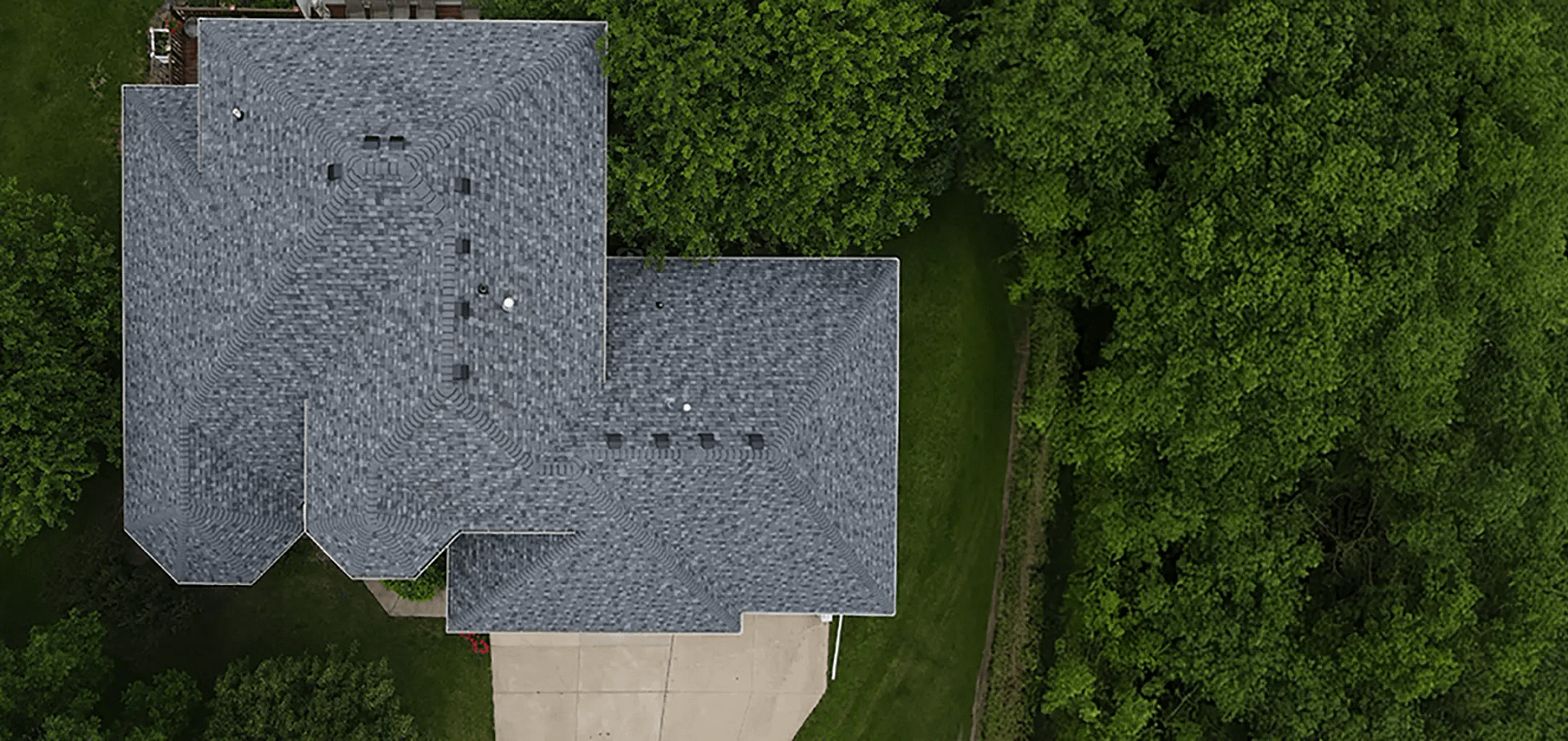
Roof flashing repair is the work of fixing or replacing the thin metal pieces that seal the joints and penetrations on your roof, and it is one of the most important repairs you can make to stop leaks before they cause serious damage. Flashing sits in the most vulnerable spots on your roof, around chimneys, skylights, valleys, vents, and where the roof meets a wall, so when it fails, water finds its way straight into your home. Catching and repairing flashing problems early is far cheaper than dealing with the rot, mold, and structural damage that follow a hidden leak. Here is what this guide covers:
- When it’s needed: The warning signs and failure points that signal your flashing needs attention.
- Repair costs: What flashing repair typically costs in 2026 and the factors that move the price.
- Repair versus replace: How to know when a simple fix will do and when full reflashing makes sense.
What Is Roof Flashing and Why Does It Matter?
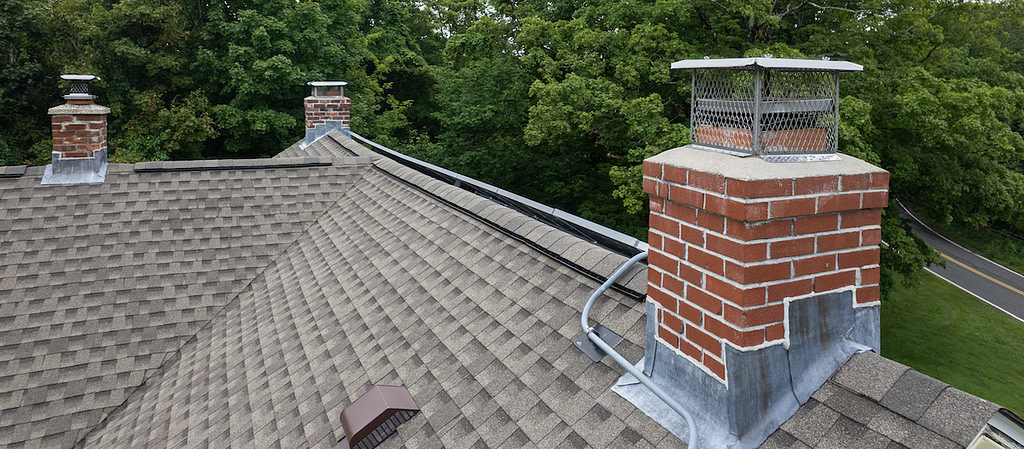
Roof flashing is thin sheet metal installed at the joints and penetrations of your roof to direct water away from the most leak-prone areas. Made from aluminum, galvanized steel, or copper, it bridges the gaps where shingles alone cannot keep water out, forming a watertight seal around chimneys, walls, and valleys.
Where Is Flashing Located on Your Roof?
Flashing is located at every spot where your roof surface is interrupted or meets a vertical surface, since these transitions are where water is most likely to sneak underneath the shingles. You will find it around chimneys, skylights, and vent pipes, in the valleys where two roof slopes meet, along roof-to-wall intersections, and at dormers. Each location uses a specific type of flashing shaped for the job, from step flashing along walls to valley flashing that channels heavy runoff. Because these are the weak points of any roof, they are also where leaks almost always begin. Homeowners in Garner and surrounding areas often discover flashing issues only after a stain appears on a ceiling below one of these spots.
- Chimneys: Use a system of base, step, and counter flashing to seal all four sides.
- Valleys: Channel large volumes of water where two roof planes meet.
- Roof-to-wall joints: Rely on step flashing to bridge the transition and block water.
- Vents and skylights: Get boot-style or kit flashing shaped to seal around the opening.
How Does Flashing Protect Your Home?
Flashing protects your home by sealing the seams where water would otherwise penetrate, directing runoff safely over the shingles and into the gutters instead of into the roof structure. Without intact flashing, water seeps behind shingles and into the decking, rafters, insulation, and eventually the living space below. This leads to wood rot, mold growth, ruined insulation, and stained or sagging ceilings. Properly maintained flashing is what keeps the most vulnerable joints of your roof watertight through rain, snowmelt, and ice. In a climate with freeze-thaw cycles like Iowa’s, that protection is especially critical year after year.
- Water diversion: Flashing channels runoff over shingles rather than into seams.
- Structural defense: Sealed joints keep moisture out of decking and rafters.
- Mold prevention: Blocking leaks denies mold and mildew the moisture they need.
- Interior protection: Watertight flashing prevents ceiling stains and water damage inside.
When Is Roof Flashing Repair Needed?
Roof flashing repair is needed whenever the flashing loosens, corrodes, cracks, lifts, or was installed incorrectly, since any of these allows water to bypass the seal. Recognizing the warning signs early lets you fix a small problem before it becomes a major leak.
What Are the Warning Signs of Flashing Failure?
The clearest warning signs of flashing failure are water stains on ceilings or walls near roof penetrations, rust on the metal, and visible cracks, gaps, or pieces that have pulled away. A discolored ring on the ceiling beneath a chimney or skylight is a classic symptom, as is peeling paint near a roof-to-wall intersection or a damp patch in the attic. Rust spots signal the metal is deteriorating and losing its waterproofing ability, while bent or missing pieces leave an obvious open path for water. Mold or mildew near roof penetrations is another red flag worth investigating. Spotting these signs early in Garner and surrounding areas can turn a minor repair into a quick, affordable fix.
- Water stains: Discolored rings or patches near chimneys, skylights, or valleys.
- Rust and corrosion: Deteriorating metal that has lost its ability to seal.
- Cracks or gaps: Splits, bends, or holes that let water slip through.
- Loose or lifted flashing: Pieces pulled away from the roof or wall surface.
What Causes Flashing to Fail in the First Place?
Flashing fails most often due to age, weather exposure, deteriorated sealant, and improper original installation. The caulk and sealant used at flashing joints typically last only 5 to 10 years before they dry out and crack, opening gaps for water. Decades of temperature swings cause the metal to expand and contract until it loosens or fatigues, while storms, high winds, and falling branches can bend or tear pieces directly. Poor installation is also a common culprit, especially when flashing was reused during a previous roof job or sealed with caulk instead of being properly integrated. Knowing the cause helps determine whether a repair or full replacement is the smarter move.
- Failed sealant: Caulk dries and cracks within 5 to 10 years, breaking the seal.
- Weather and age: Expansion and contraction loosen and fatigue the metal over time.
- Storm damage: Wind and debris can bend, lift, or tear flashing pieces.
- Poor installation: Reused or improperly sealed flashing fails prematurely.
4 Types of Flashing Repair and What They Cost in 2026
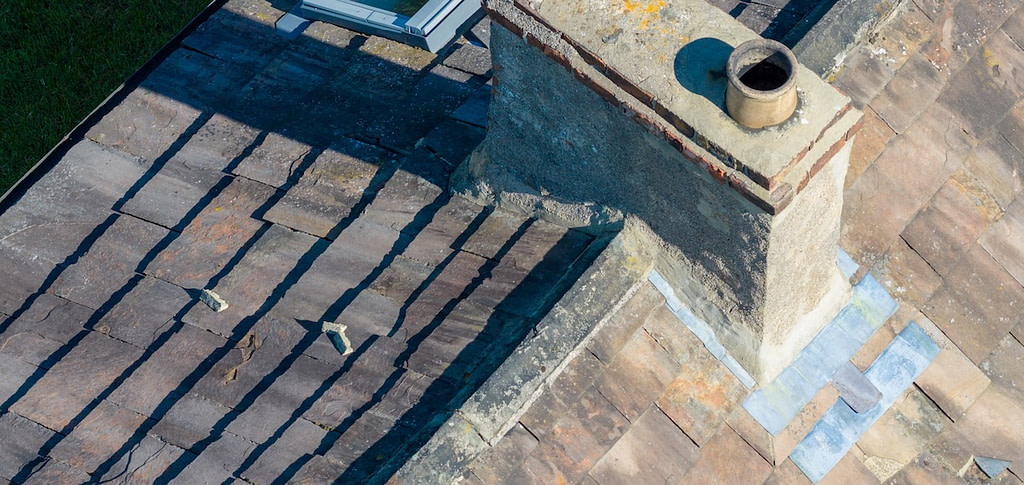
Roof flashing repair typically costs between $200 and $600 for minor work, with chimney, valley, and skylight repairs running higher. The four most common repair types below carry different price tags because some locations are harder to reach and seal than others.
1. Minor Resealing and Refastening
Minor resealing is the most affordable flashing repair, addressing loose, lifted, or slightly gapped flashing that is still structurally sound. A roofer removes old, cracked caulk and applies fresh roofing sealant or refastens the metal to restore a watertight seal, a quick fix that works well before any real corrosion sets in. This type of repair usually runs $150 to $400 and can often be completed in a couple of hours. The tradeoff is that sealant-based fixes are temporary, typically lasting 5 to 10 years before they need attention again. It is the ideal solution when you catch a problem early.
- Lowest cost: Roughly $150 to $400 for resealing or refastening.
- Fast turnaround: Often completed in just a few hours.
- Best when early: Works only while the flashing metal is still sound.
- Temporary fix: Sealant lasts about 5 to 10 years before redoing.
2. Step and Wall Flashing Repair
Step flashing repair addresses the overlapping L-shaped pieces installed where the roof meets a vertical wall, dormer, or the side of a chimney. When individual pieces rust, bend, or pull loose, a roofer carefully lifts the surrounding shingles, removes the damaged metal, and slides in new pieces that weave back into the courses. This targeted approach typically costs $200 to $500 per section and preserves the intact flashing around it. Because it requires disturbing shingles, the work takes longer than a simple reseal. Done correctly, it restores the seal along the entire roof-to-wall transition.
- Moderate cost: Around $200 to $500 per section repaired.
- Shingle work: Surrounding shingles must be lifted to access the metal.
- Targeted fix: Replaces only the damaged pieces, saving the rest.
- Common location: Frequent at walls, dormers, and chimney sides.
3. Valley Flashing Repair
Valley flashing repair handles the metal channels installed where two roof slopes meet, which carry the heaviest water flow on the entire roof. Because valleys move so much runoff, failures here tend to be serious and often require removing and reinstalling shingles along the valley to access the flashing. This work generally costs $300 to $800, with longer or harder-to-access valleys landing at the higher end. Open valley systems usually cost more to repair than closed ones. Given the volume of water involved, prompt valley flashing repair is one of the best defenses against major leaks.
- Higher cost: Approximately $300 to $800 depending on valley length.
- Heavy water flow: Valleys carry the most runoff, so failures are serious.
- Shingle removal: Accessing valley flashing usually means lifting shingles.
- Access matters: Steep or long valleys raise the price.
4. Chimney Flashing Repair
Chimney flashing repair is typically the most involved and expensive type because a chimney requires a multi-piece system of base, step, and counter flashing on all four sides. Counter flashing embeds into the chimney’s mortar joints, so repairs can involve grinding out and repointing mortar, which adds masonry labor to the job. Chimney flashing repairs commonly cost $400 to $1,600, and large or stone chimneys can run higher still. The complexity and the height of most chimneys make this a job best left to professionals. Proper chimney flashing is essential since this junction is one of the most common sources of roof leaks.
- Highest cost: Often $400 to $1,600, more for large or stone chimneys.
- Multi-piece system: Base, step, and counter flashing all work together.
- Masonry work: Counter flashing may require repointing mortar joints.
- Leak-prone spot: The chimney junction is a top source of roof leaks.
For homeowners trying to budget, it helps to anchor expectations to independent cost data rather than a single contractor’s quote. According to home services cost guide HomeGuide, roof flashing repair averages $200 to $500 for minor repairs, while a major repair or complete flashing replacement runs $500 to $1,500 or more depending on the location and extent of the damage. Comparing your estimate against that range helps you recognize fair pricing and spot an outlier.
5. Skylight Flashing Repair
Skylight flashing repair addresses the metal and sealant that waterproof the joint where a skylight meets the roof, which is a frequent source of leaks blamed on the skylight itself. When a leak appears around a skylight, the problem is usually the flashing or underlayment at the roof interface rather than the glass or frame, so a roof-side repair often solves it. This work typically costs $150 to $700 depending on roof pitch, material, and access, with resealing on the lower end and replacing the flashing kit on the higher end. Specialty shingles or a steep roof push the price up. Catching a skylight leak early keeps it a flashing repair rather than an interior-damage problem.
- Moderate cost: Roughly $150 to $700 depending on access and scope.
- Often the real culprit: Skylight leaks usually trace to flashing, not glass.
- Resealing vs. reflash: Simple resealing costs less than a new flashing kit.
- Roof factors: Steep pitch and specialty shingles raise the price.
6. Vent Pipe and Boot Flashing Repair
Vent pipe flashing repair handles the boot-style flashing that seals around plumbing and exhaust pipes where they penetrate the roof, a small component that causes outsized leaks when it fails. The rubber or metal boot around the pipe dries out, cracks, or pulls loose over time, letting water slip in at the joint, so repairs often involve replacing the boot and resealing the pipe cap. This work generally costs $150 to $500 per vent, including labor, and repairing several vents at once can lower the per-unit price. Boot failure is one of the most common and least expensive roof leaks to fix. Addressing a worn boot promptly prevents water from tracking down the pipe into the home.
- Lower cost: About $150 to $500 per vent, including labor.
- Common failure: Rubber boots crack and dry out faster than metal flashing.
- Batch savings: Repairing multiple vents at once reduces the per-unit cost.
- Small part, big leak: A failed boot is a frequent, easily fixed leak source.
What Factors Affect the Final Price?
Several factors beyond the flashing type determine your final repair bill, with roof accessibility and the extent of hidden damage being the biggest drivers. Steep, multi-story, or hard-to-reach roofs require extra safety equipment and time, which raises labor costs significantly. Premium materials like copper cost more than aluminum or galvanized steel, and emergency or winter repairs carry a premium. The most expensive surprises come when a roofer opens up the area and finds rotted decking or damaged underlayment that must be repaired first. Getting ahead of the problem keeps costs contained and predictable.
- Roof accessibility: Steep or multi-story roofs increase labor time and safety needs.
- Material choice: Copper and specialty metals cost more than aluminum or steel.
- Hidden damage: Rotted decking or wet underlayment adds to the total once exposed.
- Timing and urgency: Emergency and winter repairs cost more than scheduled work.
Should You Repair or Replace Your Flashing?
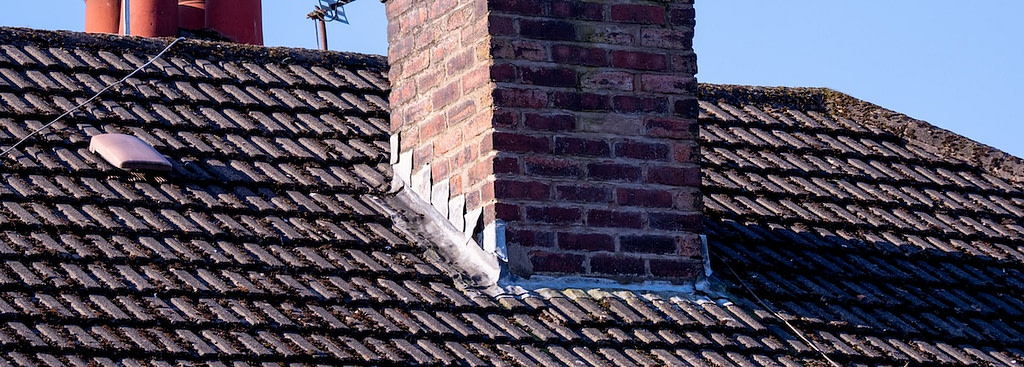
The choice between repairing and replacing flashing comes down to the age of the flashing, the extent of the damage, and the condition of your roof overall. A targeted repair makes sense for localized, early-stage problems, while full replacement is wiser when the flashing is old or failing in multiple spots.
When Does Full Replacement Make More Sense?
Full flashing replacement makes more sense when the flashing is 20 to 25 years old, corroded across multiple areas, or your roof itself is nearing the end of its life. Patching one section of failing flashing on an aging roof often just delays an inevitable, larger repair, and the labor to access the area is similar either way. If you are already planning a roof replacement, replacing all the flashing at the same time is the most cost-effective path since the crew is already on site. Reusing old flashing during a reroof is a common shortcut that leads to premature leaks. A professional assessment helps homeowners in Garner and surrounding areas weigh the near-term savings of a repair against the long-term value of replacement.
- Age of flashing: Metal 20 to 25 years old is often better replaced than patched.
- Widespread failure: Corrosion or damage in several spots favors full replacement.
- Roof condition: Aging roofs make repeated patches a poor long-term investment.
- Timing with a reroof: Replacing flashing during a new roof avoids future leaks.
Frequently Asked Questions
How much does roof flashing repair cost on average?
Most roof flashing repairs cost between $200 and $600, with a national average around $350 to $450 for professional service. Minor resealing can run as little as $150, while chimney, valley, or skylight repairs often reach $800 to $1,600 depending on complexity. A free inspection and written estimate gives you an accurate number for your specific roof.
How long does flashing repair take?
Most flashing repairs take a few hours to one full day, depending on the location and whether shingles must be removed and reinstalled to access the flashing. Simple resealing jobs are quick, while chimney or valley repairs take longer. Weather and roof accessibility can also affect the timeline.
Can I repair roof flashing myself?
Minor resealing of small gaps is technically possible, but flashing repair is generally not recommended as a do-it-yourself job because it involves working at height and properly integrating metal with shingles to stay watertight. Mistakes often lead to leaks that cost more to fix later. A licensed, insured roofing professional ensures the repair is safe and lasts.
Will homeowners insurance cover flashing repair?
Insurance may cover flashing damage caused by a sudden event like a storm, but it typically does not cover wear-and-tear or maintenance-related deterioration. Coverage depends on your policy and the cause of the damage. Documenting storm damage with photos and a professional inspection supports any claim.
How often should flashing be inspected?
Flashing should be inspected at least once a year, ideally during a routine roof inspection in spring or fall, and after any major storm. Catching rust, loose pieces, or failed sealant early prevents small issues from becoming leaks. An annual professional inspection is the simplest way to stay ahead of problems.
Is flashing replaced during a roof replacement?
Yes, reputable contractors replace flashing as part of a full roof replacement rather than reusing the old metal. Installing new flashing with a new roof ensures every joint is properly sealed and avoids premature leaks. Always confirm that new flashing is included in your roofing contract.
Trust Young Construction for Roof Flashing Repair
When it comes to roof flashing repair, Young Construction brings over 20 years of local experience and a sharp eye for the vulnerable joints where leaks begin. We inspect every flashing point on your roof, from chimneys and valleys to vents and wall intersections, identify exactly where water is getting in, and recommend the most cost-effective fix, whether that is a targeted repair or full reflashing. As a family-owned, fully licensed and insured company with more than 150 five-star reviews, we treat your home with genuine care and back our work with clear communication at every step. If you have spotted a ceiling stain, rusted metal, or loose flashing around your chimney or skylight, now is the time to address it before the damage spreads into your roof structure. Contact Young Construction today for a free, no-obligation roof and flashing guidance, and let our team keep your roof’s most vulnerable points sealed and watertight.