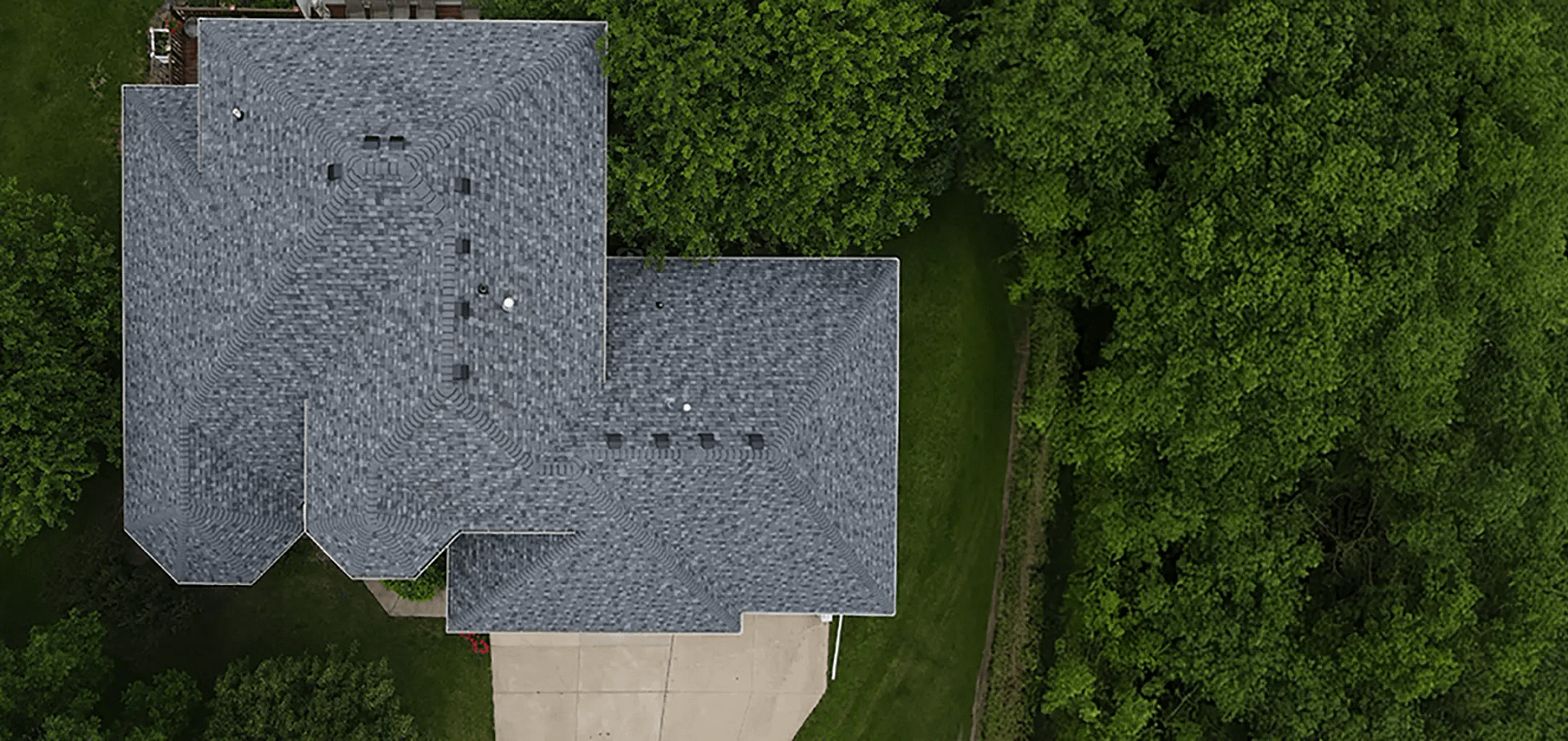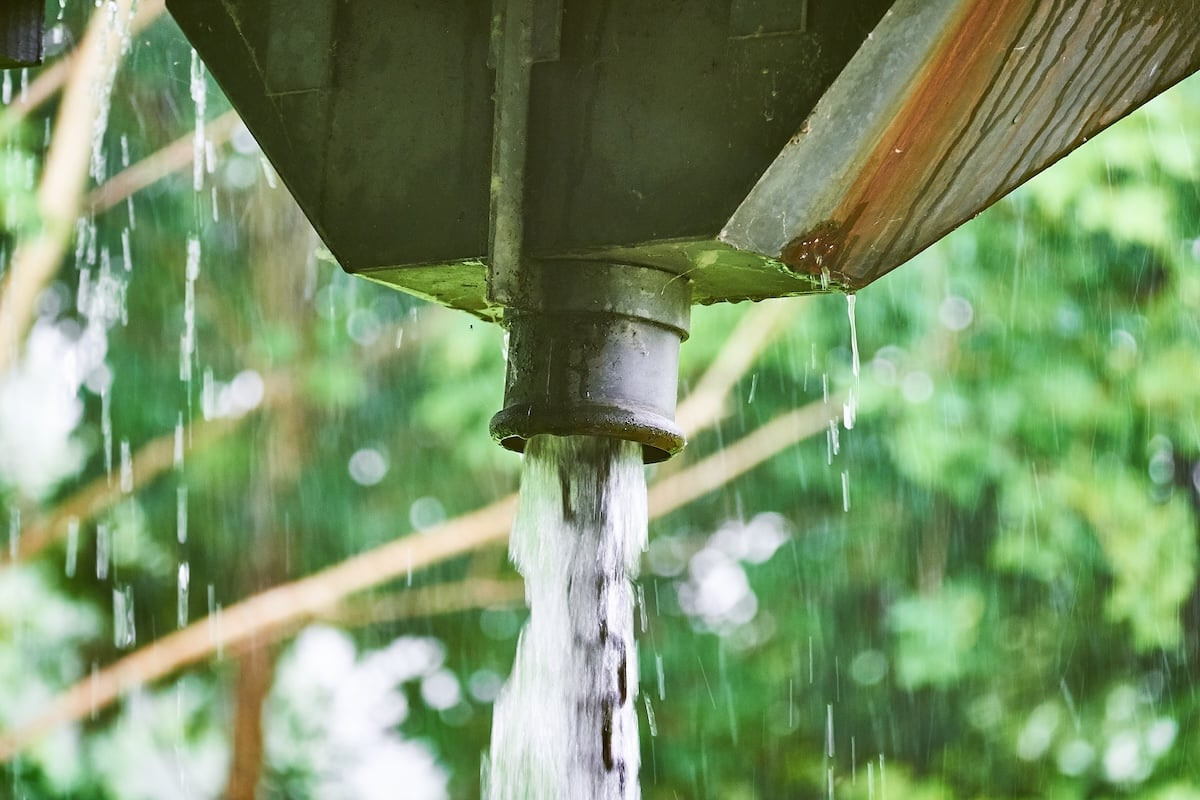
When it comes to effective water management on your roof, a roof scupper is an essential component of many roofing systems. Designed to help rainwater and melting snow drain properly, roof scuppers play a critical role in preventing water pooling and damage to your roof surface and structural integrity.
Whether you’re a homeowner with a flat roof or a contractor building parapet walls on a new home, understanding roof scuppers is vital. Here’s what we’ll cover in this blog:
- What a roof scupper is and why it matters
- The types of materials and installation techniques to consider
- How roof scuppers fit into a broader roof drainage system
With that in mind, let’s explore this vital roofing feature in detail.
What Is a Roof Scupper?
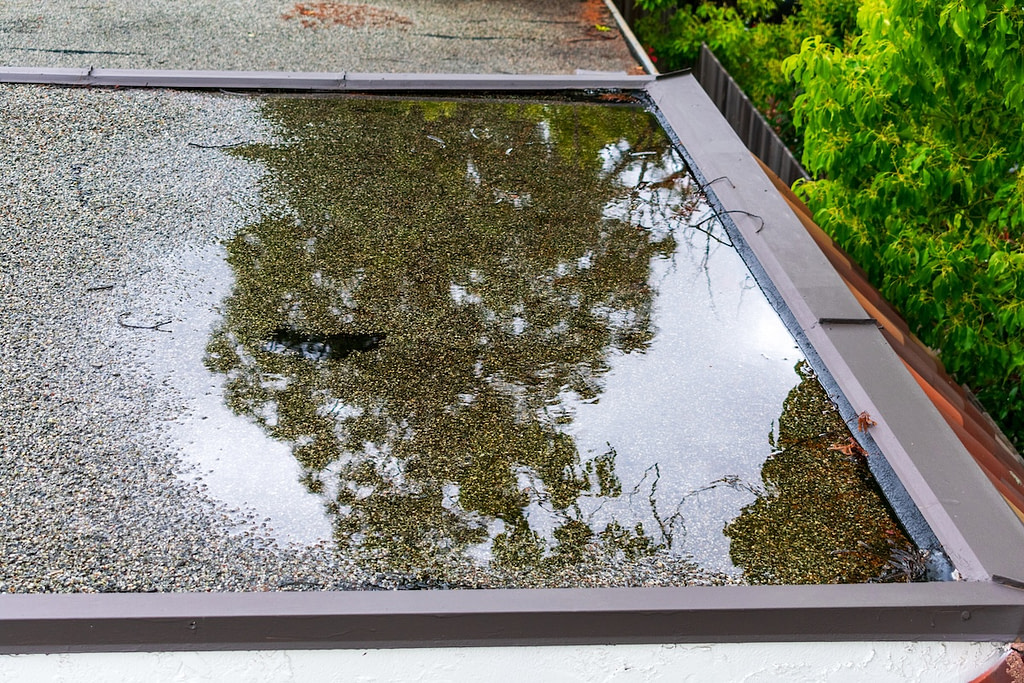
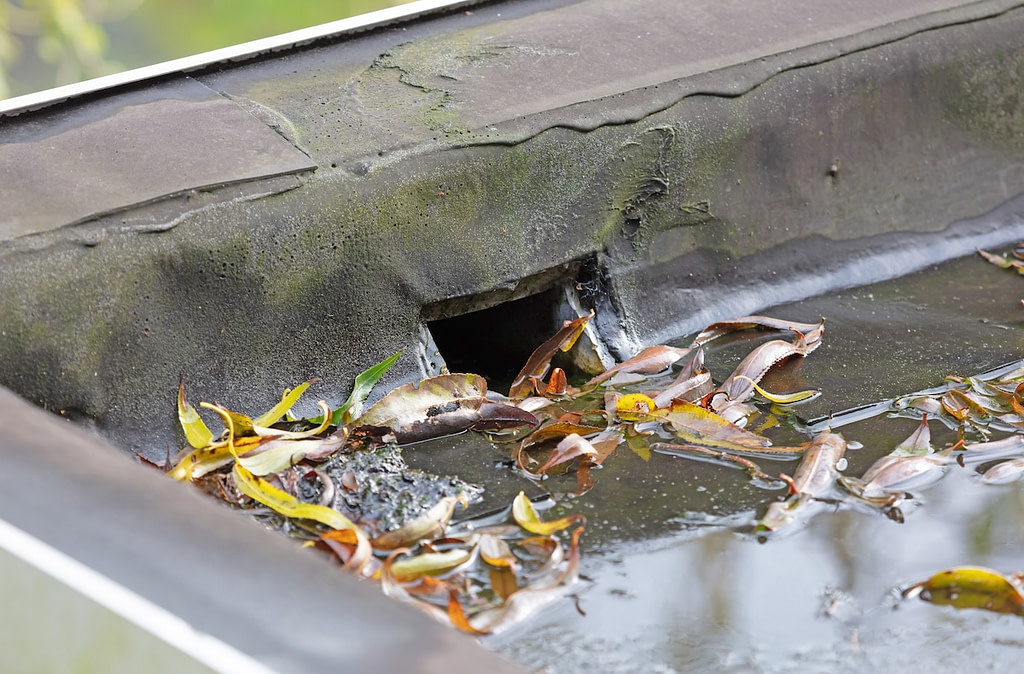
A roof scupper is an opening or outlet in the edge of a roof or in parapet walls that allows water to flow off the roof surface and away from your property. Particularly common in flat roof designs, roof scuppers are integral to a roof drainage system, especially in areas prone to heavy rainfall. Without proper drainage, water can accumulate, leading to leaks, structural damage, and even roof collapse in extreme cases.
Roof scuppers are available in various sizes, shapes, and materials to accommodate different architectural and functional needs. They are designed to work together with other drainage solutions like gutters or downspouts, ensuring water is channeled away efficiently.
Why Are Roof Scuppers Important?
Here are a few reasons why roof scuppers are a must-have for your roofing system:
- Prevents Water Pooling: Ensures water doesn’t collect on the roof surface, which could lead to damage and leaks.
- Manages Large Volumes of Water: Helps roofs with parapet walls or flat structures cope with sudden downpours.
- Protects Your Home’s Structural Integrity: Channels water away from walls and foundations, preventing long-term water damage.
With a solid understanding of what roof scuppers do, let’s move on to their installation process and the materials typically used.
4 Types of Roof Scuppers
There are several types of roof scuppers used in commercial and residential roofing systems. The right type depends on the roof design, drainage requirements, and building structure. Below are the most common roof scupper types used to manage water on flat or low-slope roofs.
1. Through-Wall Roof Scuppers
Through-wall scuppers are the most common type used on buildings with parapet walls. These scuppers pass directly through the wall at the roof edge, allowing water to flow from the roof to the outside of the building.
Water is typically directed into a downspout, conductor head, or gutter system after exiting the scupper.
Best used for:
- Flat roofs with parapet walls
- Commercial buildings
- Roofs requiring controlled drainage
Because they move water directly off the roof edge, through-wall scuppers are highly effective at preventing water buildup during heavy rain.
2. Channel Roof Scuppers
Channel scuppers sit along the roof edge or parapet wall and guide water toward an opening that allows it to drain off the roof.
Unlike through-wall scuppers, these designs often include a metal channel or box that helps collect and direct water before it exits the roof.
Best used for:
- Large flat roofs
- Roofs with heavy water flow
- Buildings that need controlled drainage along roof edges
Channel scuppers are often paired with leader heads or downspouts to manage large volumes of runoff.
3. Overflow Roof Scuppers
Overflow scuppers act as a secondary drainage system. They are installed slightly higher than the primary roof drains or scuppers and only activate when the primary drainage system becomes blocked or overwhelmed.
If water rises above the main drainage level, the overflow scupper allows excess water to exit the roof before it causes structural damage.
Best used for:
- Commercial flat roofs
- Buildings requiring code-compliant drainage systems
- Roofs with internal drains
Many building codes require overflow drainage systems on flat roofs to prevent dangerous water ponding.
4. Decorative Roof Scuppers
Decorative scuppers combine functional drainage with architectural design. These scuppers may feature decorative metal finishes, custom shapes, or ornamental spouts that enhance the building’s exterior appearance.
While they still provide drainage, they are often designed to complement the building’s architectural style.
Best used for:
- Architectural buildings
- Residential flat roofs
- Buildings where aesthetics matter
Common materials include copper, stainless steel, and decorative metal alloys.
Choosing the Right Roof Scupper
Selecting the right type of roof scupper depends on several factors, including:
- Roof size and slope
- Presence of parapet walls
- Local rainfall levels
- Building code requirements
- Overall drainage system design
A professional roofing contractor can evaluate the roof structure and determine the best drainage solution to prevent water damage and extend the life of the roof.
Materials Used for Roof Scuppers
When building or repairing a roof drainage system, choosing the right materials for your roof scuppers is critical. The materials must be durable, long-lasting, and capable of withstanding environmental elements like rain, snow, and UV light.
Popular Materials for Roof Scuppers
Metal Scuppers
- Copper: Known for its durability and aesthetic appeal, copper scuppers resist rust and develop a patina over time that adds character.
- Aluminum: A lightweight and cost-effective option, aluminum scuppers are corrosion-resistant and suitable for most weather conditions.
- Stainless Steel: Offers superior strength and rust resistance, making it a great choice for areas with heavy rainfall or snowfall.
Plastic or PVC Scuppers
- These are more affordable alternatives to metal and are lightweight with moderate durability. However, they may not be suitable for areas with extreme weather conditions.
Coated Steel Scuppers
- Galvanized or powder-coated steel scuppers combine strength and protection, offering great value for their durability and resistance to rust.
How to Choose the Right Material
Selecting the right material for your roof scupper depends on factors like your budget, climate, and aesthetic preferences. For example:
- Copper or stainless steel scuppers are ideal for upscale homes or harsh climates.
- Plastic scuppers are better for budget-friendly projects with mild weather conditions.
Step-by-Step Roof Scupper Installation Guide
Proper installation is the key to ensuring your roof scupper works effectively for years to come. This section outlines the steps involved in the installation process.
Steps to Install a Roof Scupper
1. Measure and Plan
- Determine where the scupper will be installed. It is typically placed near the lowest point of the roof surface for effective drainage.
- Measure the scupper size based on your roof’s drainage needs and the expected volume of water runoff.
2. Prepare the Opening
- Use the measurements to mark the exact location on the roof edge or parapet wall.
- Cut the required opening using tools suited to the wall or roof material.
3. Install the Scupper
- Place the scupper into the opening and ensure it fits snugly. Use waterproof seals to ensure no gaps remain, preventing leaks.
- Secure the scupper in place using screws or adhesive, based on the material and roof type.
4. Seal and Test
- Apply sealant around all edges of the scupper to create a watertight seal.
- Test the scupper by pouring water through it to ensure it drains correctly and efficiently.
Having a professional contractor handle the installation is often the best option. They ensure that every step is executed flawlessly, safeguarding your home from potential water damage.
Types of Roof Drainage Systems
Roof scuppers are one part of a broader roof drainage system. Depending on your roof and architectural preferences, you may choose from several drainage options. Below are the most common types of drainage systems:
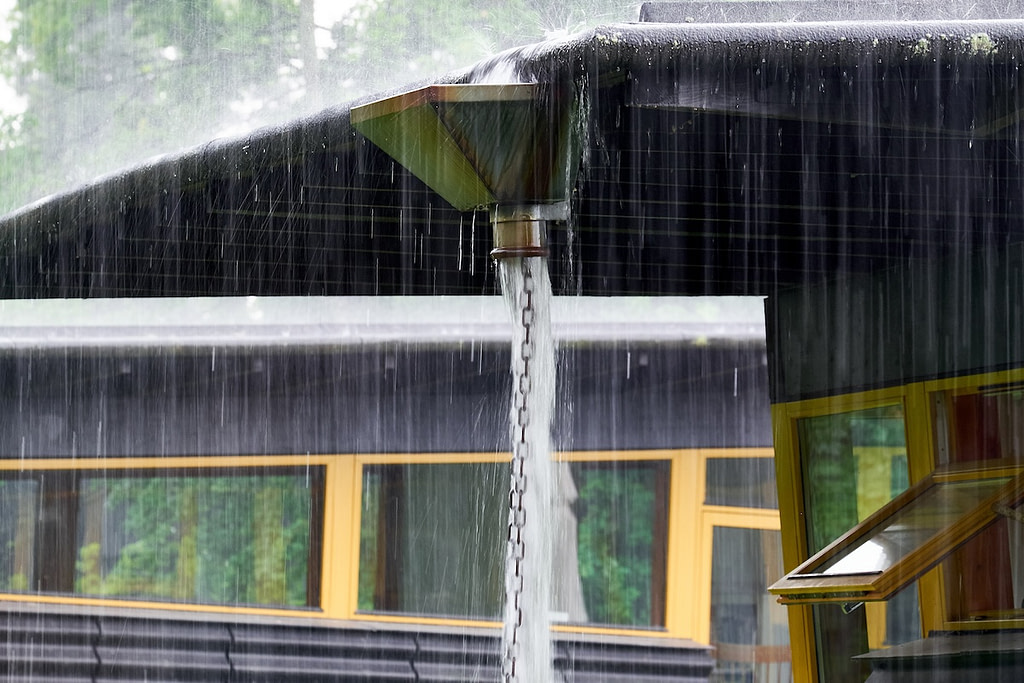
- Scuppers with Downspouts: A downspout attached to the scupper channels water directly to the ground, keeping water away from walls or foundations.
- Open Roof Scuppers: These scuppers discharge water freely, often onto a splash block, which prevents erosion or damage to the ground.
- Internal Roof Drains: Unlike scuppers, these are installed internally and channel water through pipes inside the building. This solution is ideal for buildings with larger roof surfaces.
- Gutter Systems: Gutters work alongside roof scuppers to manage water flow off the edge of sloped or partially flat roofs.
- Overflow Scuppers: Installed higher than regular scuppers, these prevent water buildup by acting as a backup drainage outlet when the primary scuppers are overwhelmed.
Choosing the right drainage system ensures your home is protected from the damaging effects of water.
Common Issues with Roof Scuppers and How to Avoid Them
Like any part of a home, roof scuppers require proper maintenance to function efficiently. Here are some potential problems and tips to avoid them:
- Clogging: Scuppers can get clogged with debris like leaves and dirt. Regular cleaning can ensure proper drainage.
- Leaks Around Edges: Poor installation or aging seals can cause leaks. Inspect scuppers regularly and reseal if you notice any gaps
- Corrosion or Damage: Metal scuppers can corrode over time. Opt for corrosion-resistant materials or apply protective coatings for longevity.
Partner with Young Construction for Quality Roofing Solutions
A roof scupper may be a small fixture, but it plays a big role in maintaining your home’s roof drainage system. From preventing water damage to preserving the structural integrity of your home, ensuring proper drainage is essential.
At Young Construction, we specialize in high-quality roofing solutions. With years of experience and a customer-first approach, we’re the team homeowners trust for all their roofing needs. Whether you’re building a new home or upgrading your existing roof, we’re here to help.
Contact us today to keep your roof safe, durable, and efficient!