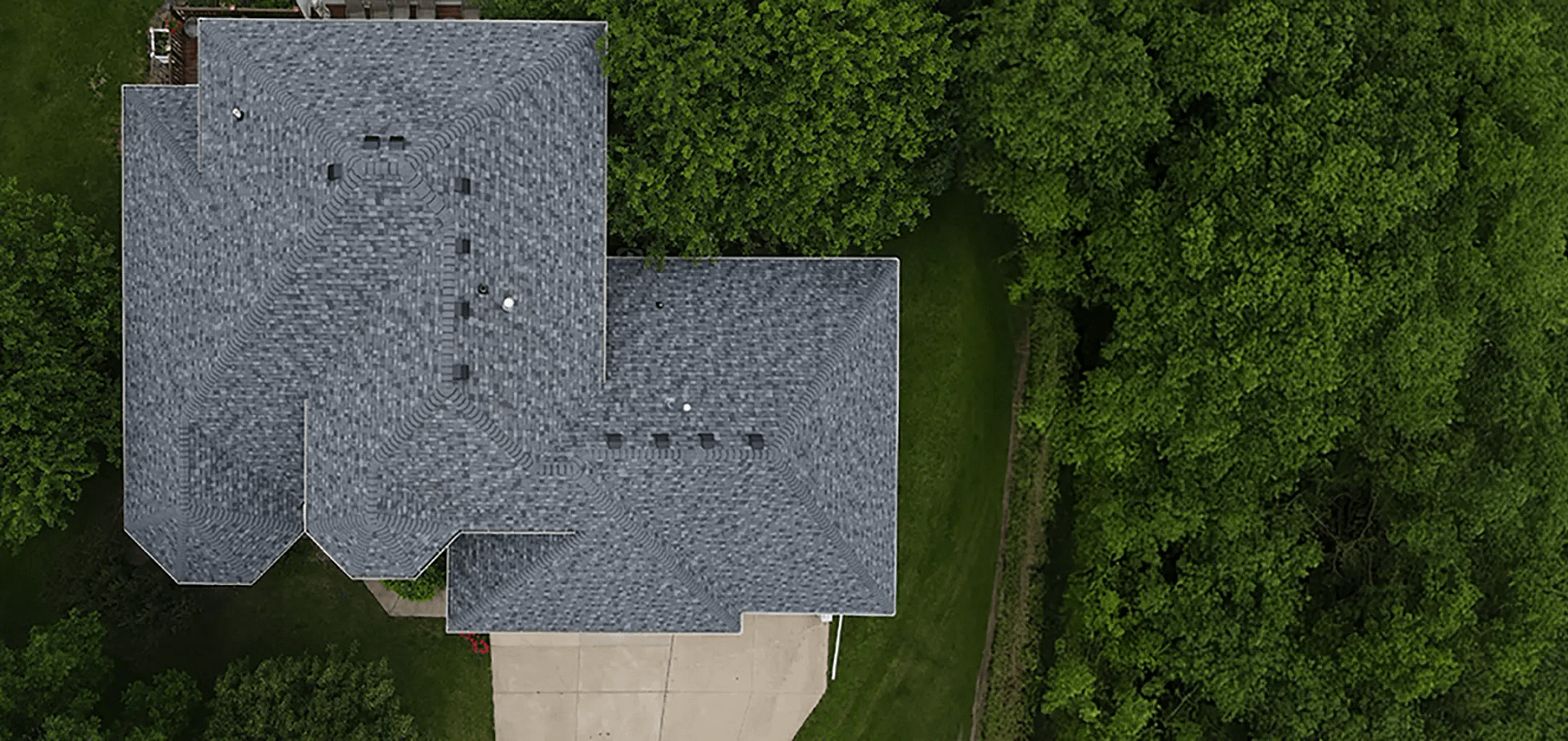
A professional roof storm damage assessment helps homeowners understand the true extent of damage after severe weather hits. Wind, hail, and heavy rain can all impact a roof’s structure and materials, even if the signs are not immediately visible. Regular post-storm inspections help prevent small problems from turning into costly repairs and ensure your roof continues to perform as it should.
- Damage detection: Identifying hidden structural issues prevents leaks and long-term deterioration.
- Material inspection: Assessing shingles, flashing, and gutters ensures every layer is performing properly.
- Preventive care: Regular inspections help extend your roof’s lifespan and reduce repair costs.
Why Storm Damage Inspections Are Essential
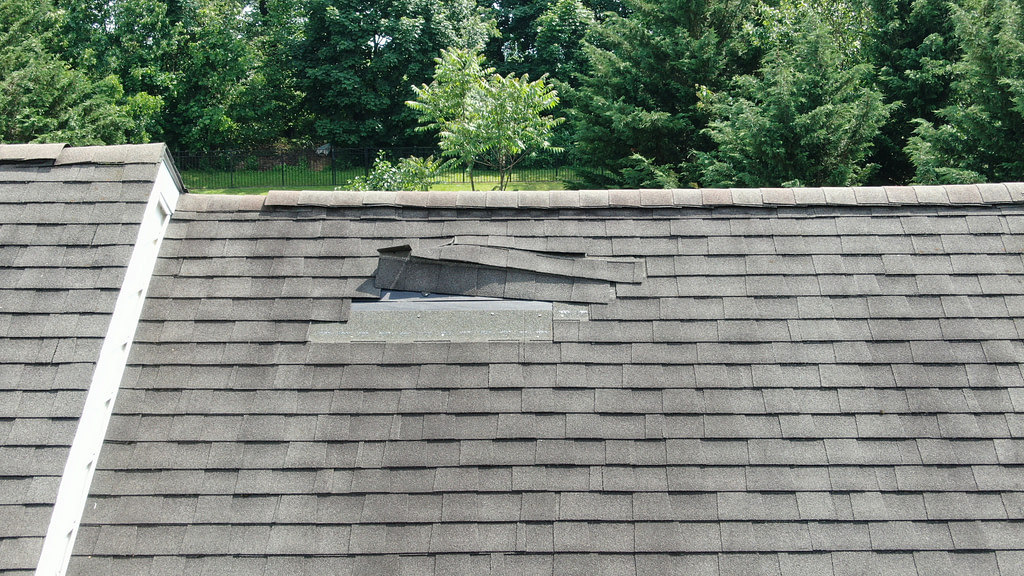
Storms can cause damage that is not visible from the ground, making professional roof inspections critical. Even minor issues, such as loosened flashing or lifted shingles, can lead to leaks, water intrusion, or insulation damage if left unaddressed. A qualified roof inspector evaluates the entire system, ensuring no hidden weaknesses compromise your home’s protection.
The inspection process goes beyond spotting missing shingles. It involves checking the entire roof structure, attic, and drainage system to identify subtle signs of damage. This level of care helps homeowners catch issues early and plan appropriate maintenance or repair.
What Happens During a Roof Storm Damage Assessment
Inspectors follow a detailed process to determine the health and stability of your roofing system. Each step focuses on identifying weather-related issues and preventing further deterioration.
Initial Roof Inspection
The first phase of a roof storm damage assessment involves a thorough visual review of the exterior. Inspectors look for immediate signs of distress and gather information about the storm’s intensity and direction.
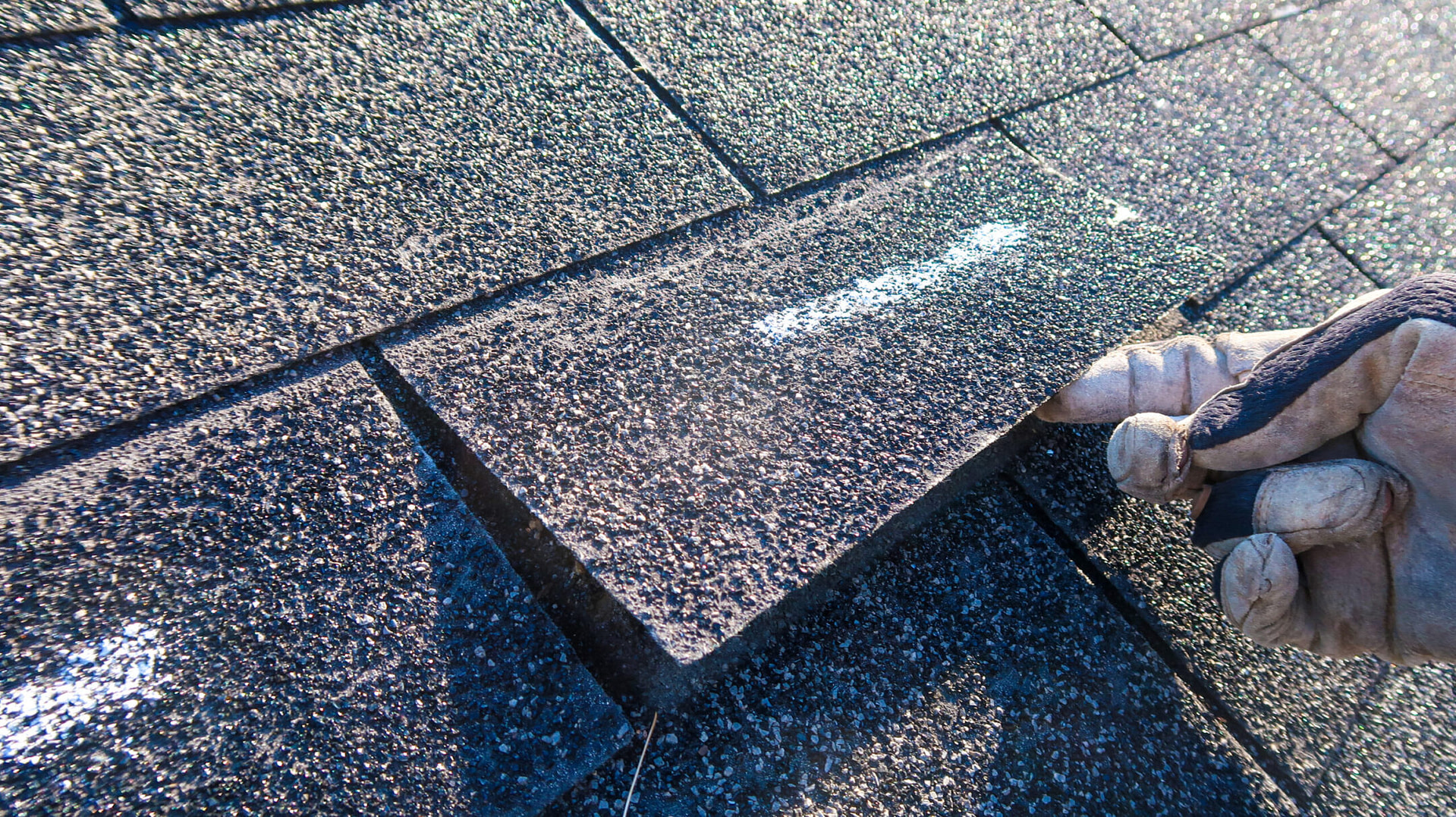
- Shingle condition: Missing, cracked, or dented shingles indicate wind or hail impact.
- Flashing and sealant: Loose or damaged flashing around chimneys and vents can allow leaks.
- Gutters and downspouts: Inspectors check for clogs, dents, and water overflow patterns.
This initial overview helps determine where more detailed investigation is needed.
Attic and Interior Evaluation
Inspectors move indoors to assess the attic and ceiling areas. Water damage inside the home can often reveal roof issues that are not visible from outside.
- Water stains: Brown or yellow spots indicate moisture intrusion.
- Wet insulation: Damp insulation signals leaks or poor ventilation.
- Wood rot or mold: Prolonged moisture exposure can weaken structural framing.
A careful indoor inspection confirms whether roof leaks have already affected interior materials.
Structural and Support Check
Beyond surface issues, inspectors evaluate the integrity of the roof’s support system. High winds and heavy snow can place extra stress on rafters and decking.
- Decking movement: Soft or uneven areas may suggest water infiltration.
- Sagging rafters: Visible dips in the roofline often point to structural strain.
- Fastener condition: Loose or corroded nails weaken the roof’s hold.
These findings determine whether repairs or reinforcements are needed to maintain safety.
Flashing and Penetration Points
Flashing and roof penetrations are among the most vulnerable parts of any roof. Inspectors pay close attention to these areas to prevent leaks and water seepage.
- Chimneys and vents: Gaps or cracks around metal flashing can allow water intrusion.
- Skylights: Seals around skylights are checked for cracking or separation.
- Pipe boots: Rubber seals around plumbing vents often deteriorate after storms.
Proper sealing ensures these critical points remain watertight even under heavy rain.
Gutter and Drainage System Inspection
Effective drainage is essential for protecting both the roof and foundation. During a storm inspection, gutters and downspouts receive careful attention.
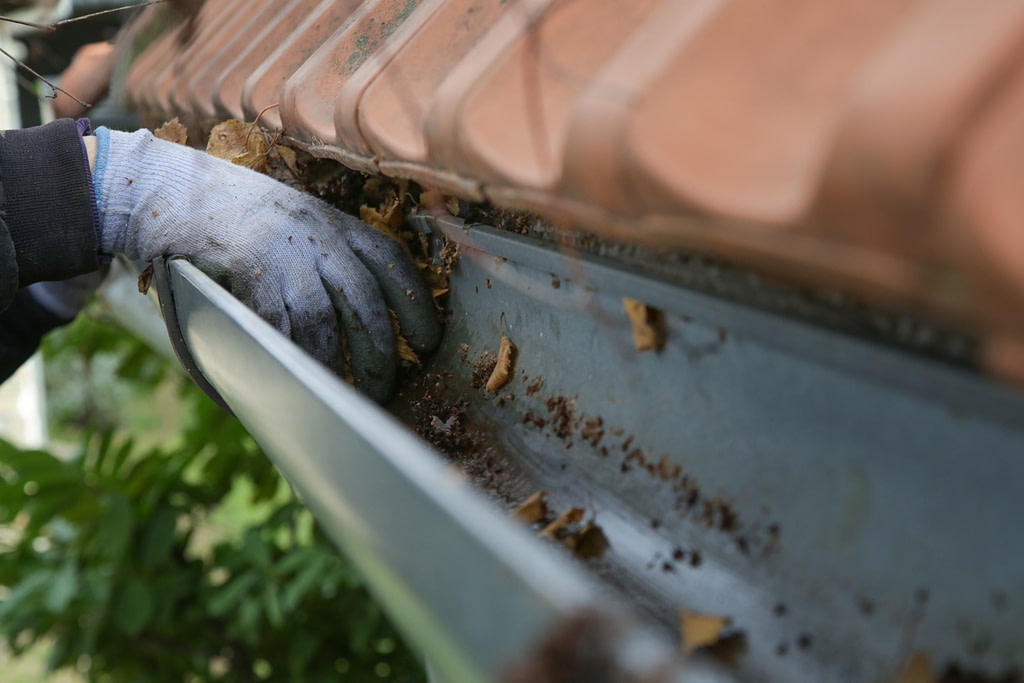
- Clogged or bent gutters: Restrict water flow and increase edge damage.
- Downspout placement: Ensures water is directed safely away from the home.
- Water pooling: Indicates improper slope or drainage issues.
Addressing drainage problems promptly helps prevent further roof and siding damage.
4 Signs Homeowners Can Look For After a Storm
While professional inspections are the most reliable, homeowners can identify potential issues between visits. Recognizing warning signs early helps prevent larger problems from developing.
1. Visible Shingle Damage
- Cracks and dents: Hail can bruise shingles and reduce water resistance.
- Missing pieces: Wind uplift may tear off entire shingle sections.
- Granule loss: Exposed asphalt makes shingles more vulnerable to UV damage.
Regularly checking for visible changes can help you detect early roof wear.
2. Water Leaks or Ceiling Stains
- Interior stains: Often the first sign of a slow leak.
- Attic moisture: Dampness may point to gaps in underlayment or flashing.
- Dripping water: Indicates an active roof penetration that requires immediate attention.
Leaks can worsen quickly, so early repair is key to preventing larger structural damage.
3. Gutter Overflow or Damage
- Detached sections: Heavy rain or hail can loosen gutter attachments.
- Pooling water: Shows that gutters are clogged or improperly sloped.
- Peeling paint: Indicates prolonged moisture exposure at the fascia.
Proper gutter function ensures runoff moves away from the home efficiently.
4. Debris and Roof Obstructions
- Branches or leaves: Trapped debris can block water flow.
- Scratched surfaces: Debris impact may remove protective coatings.
- Roof clutter: Prolonged buildup can lead to algae and moisture retention.
Keeping the roof clear after each storm helps preserve its appearance and performance.
Why Professional Roof Inspections Matter
DIY inspections have limits. A certified roofing inspector has the tools and experience to find hidden damage that untrained eyes might miss. They use moisture meters, drones, and thermal cameras to detect moisture beneath shingles and evaluate roof temperature differences that may indicate trapped water.
These tools allow for precise assessments and ensure all problem areas are identified before they worsen. Professional evaluations also help document the condition of your roof over time, creating a reliable maintenance record for future repairs or upgrades.
How to Prepare for a Roof Inspection
Getting your home ready for a storm damage inspection makes the process smoother and more effective. Homeowners can take a few steps before the visit to help inspectors access critical areas.
Clear Surrounding Areas
- Remove vehicles: Make space for equipment or ladders.
- Trim branches: Ensure inspectors have unobstructed access to the roofline.
- Clean gutters: Remove loose debris for a more accurate assessment.
Document Existing Damage
- Take photos: Capture visible roof and siding damage before cleanup.
- Note problem areas: Mention interior leaks or new stains.
- List recent repairs: Share maintenance records with the inspector.
Providing detailed information ensures a complete and efficient inspection process.
Ask About Findings
After the inspection, take time to discuss the results. Understanding what inspectors found helps you plan repairs effectively.
- Clarify damage extent: Know which areas require immediate attention.
- Review maintenance tips: Learn how to prevent future damage.
- Request written reports: Keep records for your home maintenance history.
Proactive homeowners save time and avoid costly surprises by staying informed.
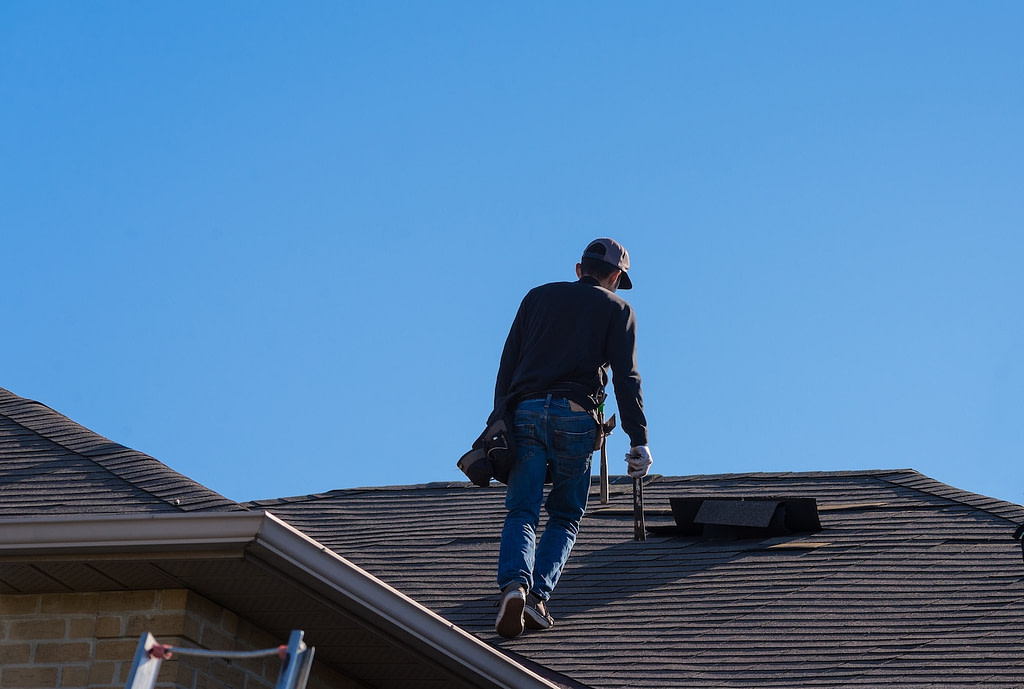
Roof Recovery Starts With the Right Knowledge
A proper roof storm damage assessment gives homeowners peace of mind, helping them identify issues early and maintain strong, reliable protection for years to come. By understanding what inspectors look for and how to prepare, you can ensure your roof stays in excellent condition season after season.
Protecting your home after a storm begins with the right inspection. Contact Young Construction today for a free estimate and learn how professional assessments can help extend the life of your roof and safeguard your investment for the future.