When choosing the best roofing design for your home, understanding different roof structure types can make all the difference. Each style affects not only how your house looks but also how it performs against weather, how much it costs to build, and how easy it is to maintain. Whether you’re building a new home or replacing an existing roof, knowing these common structure types helps you make a smart, long-term investment.
- Design variety: Every roof type brings unique style and function.
- Weather performance: The structure determines how your roof handles snow, rain, and wind.
- Cost efficiency: Some designs require less material and labor than others.
Why Roof Structure Matters
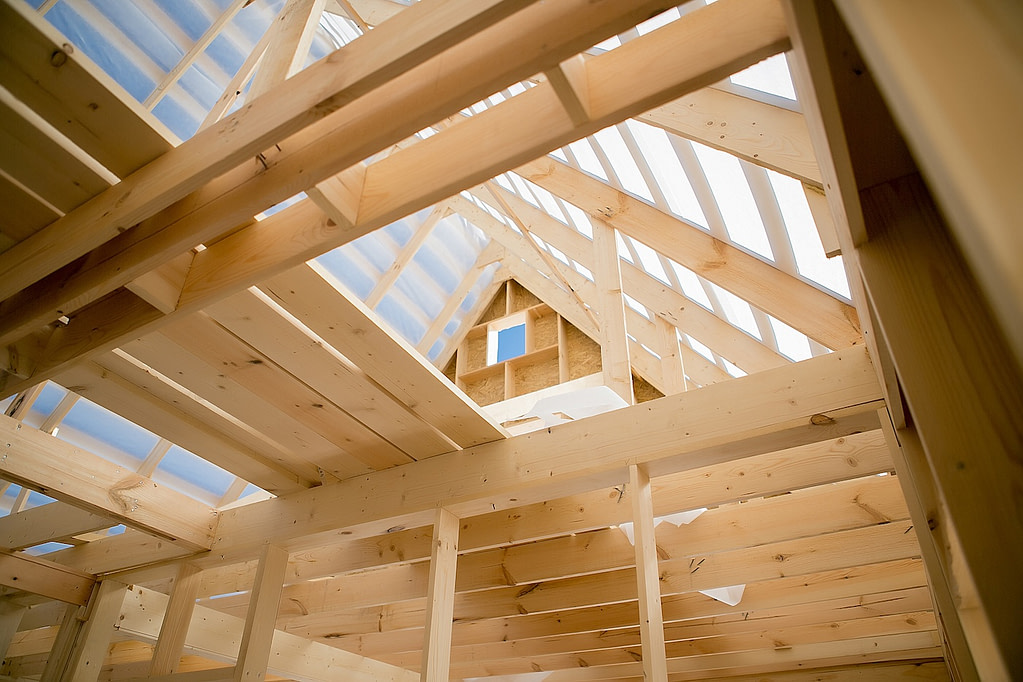
The roof structure provides the shape and strength that define your home’s character and protection. It supports roofing materials, manages drainage, and impacts energy efficiency. Choosing the right structure is essential for both aesthetics and durability, especially in regions with heavy snow, wind, or rainfall.
From simple flat roofs to complex multi-pitched systems, each structure type offers benefits and challenges. Homeowners can select the right option by balancing visual appeal, practicality, and cost.
8 Best Roof Structure Types For Homes
Residential homes feature many roof designs, but these eight stand out for their strength, versatility, and popularity. Understanding their key features will help you find the perfect match for your architectural style and local climate.
1. Gable Roof
The gable roof is one of the most recognizable and widely used designs. It features two sloping sides that meet at a ridge, forming a triangular shape.
- Advantages: Excellent water and snow runoff, simple construction, and affordable materials.
- Best for: Areas with heavy rain or snow.
- Considerations: Vulnerable to strong winds if not properly braced.
This classic design works well with nearly every home style and provides ample attic space for storage or ventilation.
2. Hip Roof
A hip roof has four sloping sides that meet at a ridge or point. It offers a more stable and aerodynamic structure than a gable roof, making it ideal for windy regions.
- Advantages: Durable, wind-resistant, and aesthetically balanced.
- Best for: Areas prone to hurricanes or strong storms.
- Considerations: More complex construction can increase cost.
Hip roofs often appear on traditional and modern homes alike, combining visual symmetry with exceptional weather protection.
3. Mansard Roof
The mansard roof, also known as a French roof, has two slopes on each side. The lower slope is steeper than the upper one, creating extra living or attic space.
- Advantages: Maximizes usable interior space and adds architectural charm.
- Best for: Homes where space efficiency and elegance are priorities.
- Considerations: Requires precise design to prevent water pooling on the flatter sections.
This European-inspired style gives homes a stately, timeless look while allowing for dormer windows or top-floor additions.
4. Flat Roof
Flat roofs are modern and cost-effective, featuring a nearly level surface with a slight slope for drainage. They are popular on contemporary homes and multifamily buildings.
- Advantages: Easy installation, budget-friendly, and ideal for rooftop decks or solar panels.
- Best for: Warm, dry climates.
- Considerations: Requires regular maintenance to prevent water pooling or leaks.
Flat roofs provide a sleek appearance and versatile surface, though they demand consistent upkeep in rainy or snowy regions.
5. Shed Roof
A shed roof, or skillion roof, consists of a single sloping plane. It’s often used for home additions, garages, or minimalist architectural designs.
- Advantages: Simple construction, good drainage, and modern aesthetic.
- Best for: Contemporary homes and small structures.
- Considerations: May require extra insulation due to one-sided slope exposure.
This type is ideal for maximizing natural light and creating open, airy interior spaces.
6. Gambrel Roof
Similar to the mansard but simpler, a gambrel roof features two slopes on each side, with the lower slope being steeper. It’s the signature shape of classic barns but is also used on colonial and farmhouse-style homes.
- Advantages: Provides excellent attic or storage space.
- Best for: Traditional or country-style architecture.
- Considerations: Can be less stable in high winds without reinforcement.
Gambrel roofs combine rustic appeal with functional design, making them a popular choice for large residential properties.
7. Butterfly Roof
The butterfly roof features two slopes that angle inward, forming a V-shape that resembles a butterfly’s wings. This unique modern style promotes sustainability and efficient rainwater collection.
- Advantages: Eye-catching design and eco-friendly drainage system.
- Best for: Modern, energy-efficient homes.
- Considerations: More complex to build and maintain than traditional designs.
Butterfly roofs are often used in environmentally conscious architecture due to their ability to integrate solar panels and rainwater systems.
8. Combination Roof
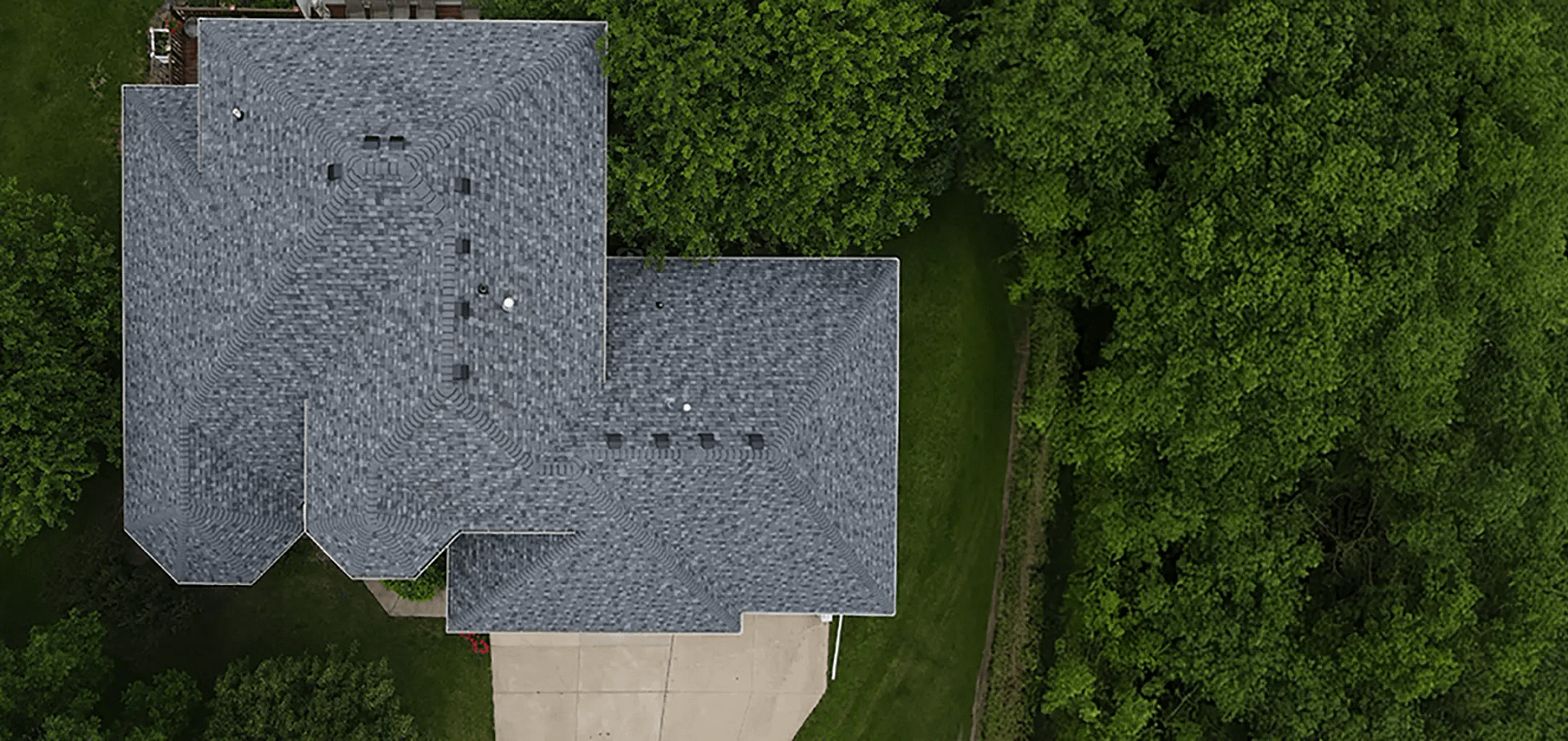
A combination roof merges two or more roof styles, such as gable and hip, to create a custom look and meet diverse performance needs.
- Advantages: Highly customizable for aesthetics and function.
- Best for: Homes with complex floor plans or architectural variety.
- Considerations: Requires experienced design to ensure proper water drainage.
Combination roofs allow homeowners to enjoy the best features of multiple designs, enhancing both appearance and durability.
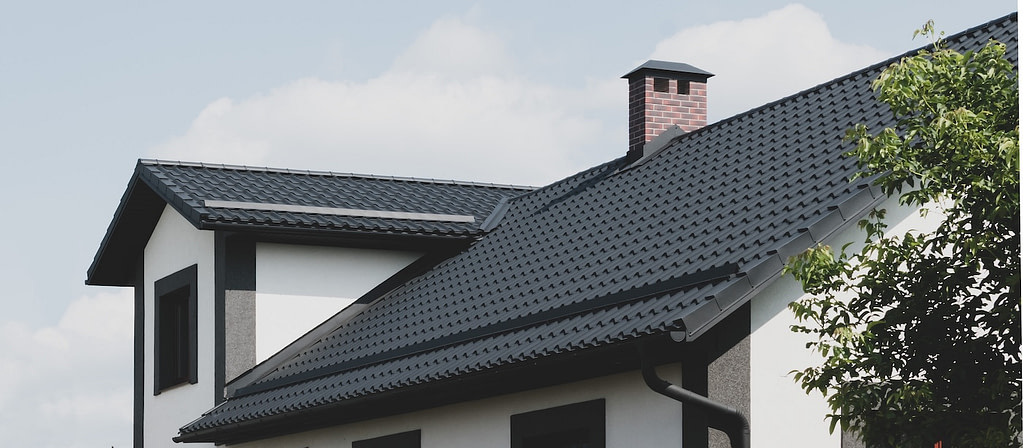
Factors To Consider When Choosing a Roof Structure
Not every roof structure suits every home. Several factors should guide your choice, from regional weather patterns to architectural preferences.
Climate
- Cold climates: Steeper roofs like gable or gambrel prevent snow buildup.
- Windy areas: Hip and mansard roofs resist high winds effectively.
- Hot climates: Flat and butterfly roofs allow for solar panels and reflective materials.
Climate plays one of the biggest roles in determining roof structure longevity.
Cost and Complexity
- Simple structures: Gable and shed roofs are affordable and easy to install.
- Complex designs: Mansard and combination roofs require more materials and labor.
- Long-term savings: Investing in durable materials reduces future repair costs.
Your budget should consider not just the upfront price but also the long-term maintenance and energy efficiency.
Aesthetic Appeal
- Classic designs: Gable and hip roofs provide traditional curb appeal.
- Modern designs: Butterfly and flat roofs create sleek, contemporary silhouettes.
- Versatile options: Combination roofs balance tradition and innovation.
The right roof style enhances your home’s visual harmony and overall value.
Maintenance and Lifespan Tips
All roof structures benefit from consistent maintenance, regardless of their design. Regular inspections and small repairs extend your roof’s life and help maintain its appearance.
Inspection and Cleaning
- Inspect annually: Look for loose shingles, leaks, or flashing gaps.
- Clean gutters: Keep water flowing freely to prevent edge damage.
- Trim trees: Remove overhanging branches that could scrape or puncture the roof.
Proper Ventilation
- Prevent heat buildup: Good ventilation reduces attic moisture.
- Improve energy efficiency: Balanced airflow lowers heating and cooling costs.
- Extend material life: Reduces stress on shingles and underlayment.
Routine Repairs
- Fix small issues early: Address minor cracks or leaks before they worsen.
- Replace damaged materials: Use compatible shingles or panels for a seamless finish.
- Check fasteners: Tighten or replace any loose hardware after storms.
Consistent care protects the structure beneath your roof and helps avoid costly replacements.
Building Beyond the Basics: Choosing a Roof That Lasts
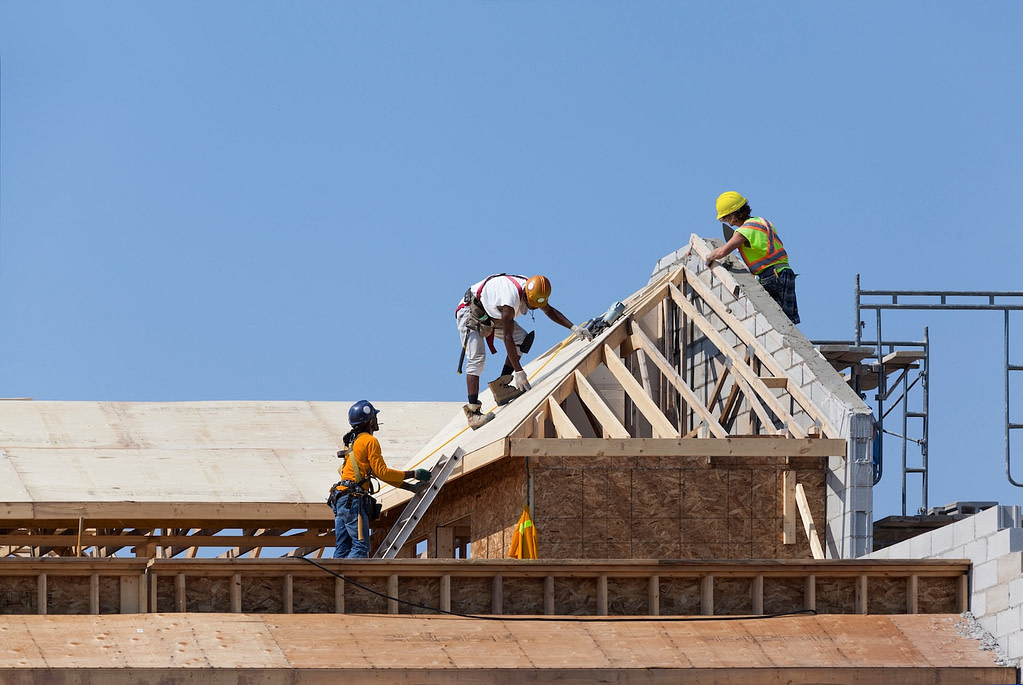
Selecting from the many roof structure types available gives you more than just a new design. It’s about finding the perfect blend of function, beauty, and performance for your home’s long-term success. A strong structure supports the rest of your roofing system, ensuring it holds up to weather and time alike.
Your home deserves a roof that’s as reliable as it is beautiful. Contact Young Construction today for a free estimate and learn how choosing the right roof structure can protect your home while elevating its curb appeal for decades to come.