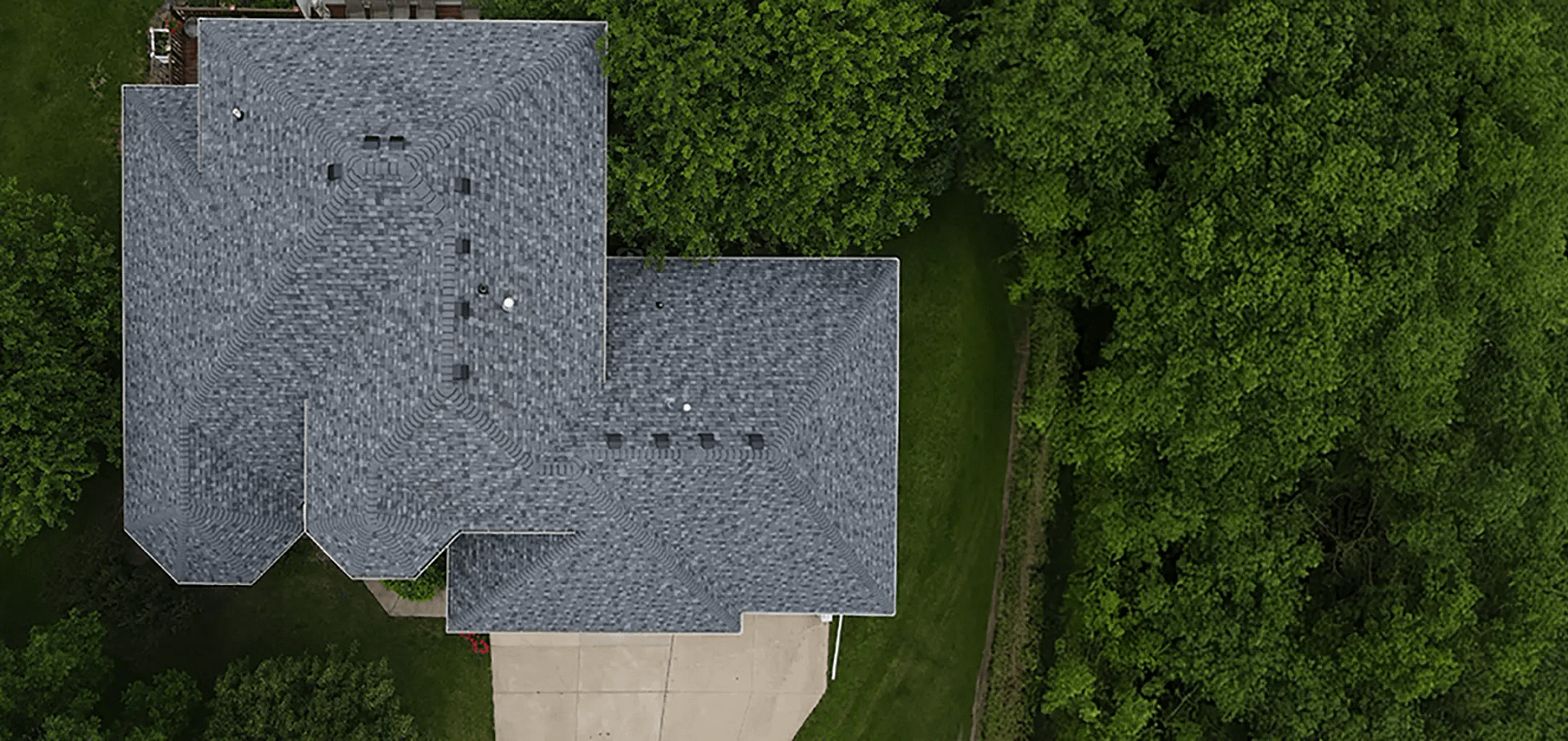
Understanding the different roof underlayment types is one of the smartest things a homeowner can do before a roof replacement, since this hidden layer is what protects your roof deck from water long after the shingles are installed. Underlayment sits between your roof deck and the shingles, acting as a critical secondary barrier against wind-driven rain, ice dams, and leaks that slip past the outer roofing. Choosing the right type for your climate and budget makes a real difference in how long your roof lasts and how well it protects your home. Here is what this guide covers:
- The main types: How felt, synthetic, rubberized, and breathable underlayment differ.
- Pros and cons: The strengths, weaknesses, and ideal uses of each option.
- Choosing wisely: How to match underlayment to your climate, roof, and budget.
What Is Roof Underlayment and Why Does It Matter?
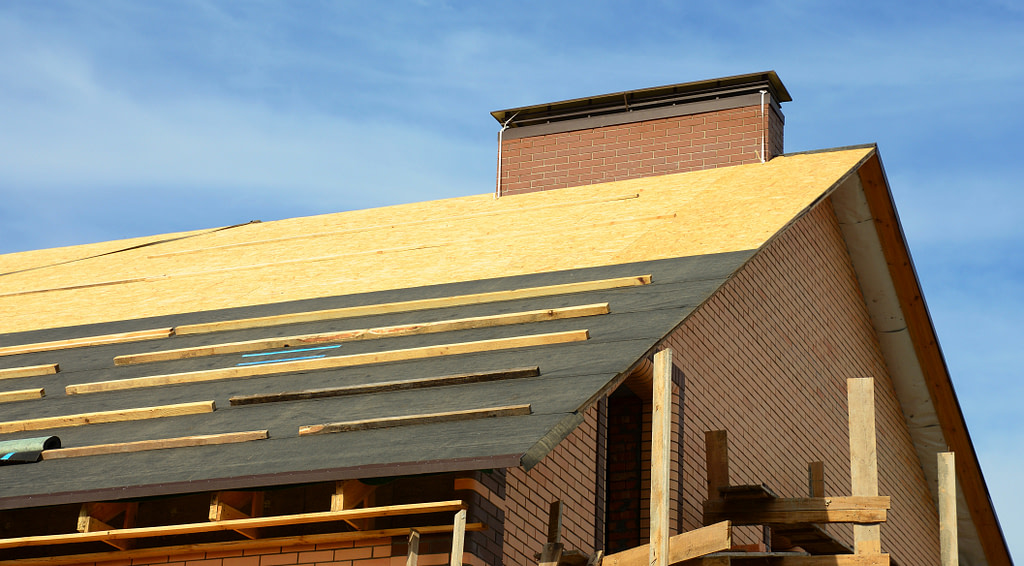
Roof underlayment is a protective layer installed directly on the roof deck, beneath the shingles or other roofing material, to guard against moisture. It matters because it serves as a secondary line of defense, keeping water out if shingles are damaged, lifted by wind, or overwhelmed by ice and heavy rain.
How Does Underlayment Protect Your Roof?
Underlayment protects your roof by creating a water-resistant barrier between the roof deck and the shingles, catching any moisture that gets past the outer layer. When wind drives rain under shingles, or when ice dams force meltwater backward up the roof, the underlayment keeps that water from reaching the wood deck and the structure below. It also shields the deck during installation before the shingles go on and adds a layer of protection if shingles are later damaged. Without sound underlayment, even a small breach in the shingles can lead to leaks, rot, and interior damage. For homes in Ventura and surrounding areas, that backup protection is vital against Iowa’s ice and storms.
- Secondary barrier: Blocks water that slips past damaged or lifted shingles.
- Ice dam defense: Helps stop meltwater from backing up into the deck.
- Installation shield: Protects the bare deck before shingles are installed.
- Deck protection: Keeps moisture away from the wood and structure below.
Why Does the Type of Underlayment Matter?
The type of underlayment matters because each material offers a different balance of cost, durability, water resistance, and suitability for your climate. A budget felt may be fine for a simple roof in a mild area, while a cold, storm-prone climate benefits from tougher synthetic or self-adhered membranes at vulnerable spots. The right choice affects how long your roof system lasts, how well it resists ice and wind, and whether it meets local building code. Matching underlayment to your specific conditions is a decision with long-term consequences. Understanding the options helps you invest wisely rather than defaulting to the cheapest layer.
- Cost versus durability: Cheaper options trade longevity for upfront savings.
- Climate fit: Cold, wet climates call for tougher, waterproof materials.
- Code compliance: Some materials are required in certain areas or roof zones.
- Long-term value: The right underlayment extends the life of the whole roof.
4 Roof Underlayment Types Compared
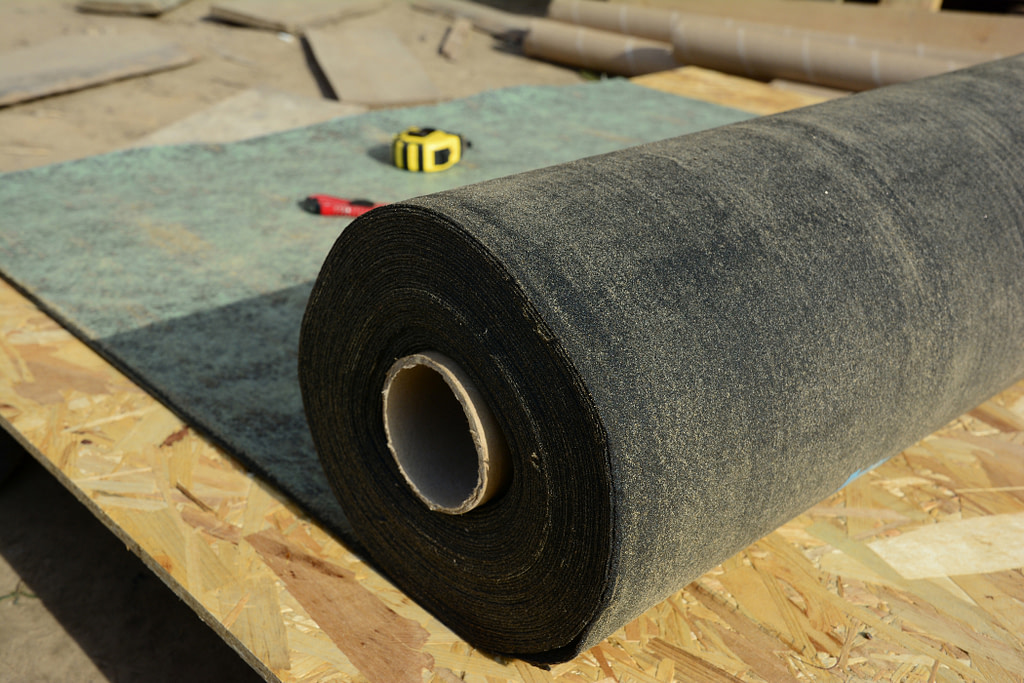
There are four main underlayment options homeowners encounter, each with distinct strengths and ideal uses. The comparison below walks through how each type performs so you can weigh them against your roof, climate, and budget.
1. Asphalt-Saturated Felt
Asphalt-saturated felt, often called tar paper, is the traditional underlayment made by saturating a paper or fiberglass mat with asphalt, and it remains the most budget-friendly option. It comes in two weights, No. 15 and the thicker, stronger No. 30, with the heavier grade better resisting tears in severe weather. Felt provides solid basic water resistance and is widely available, making it a familiar choice for contractors and homeowners on a tight budget. Its main drawbacks are a shorter lifespan and a tendency to tear or wrinkle during installation, especially in wind or moisture. Felt works best on steep-slope roofs in moderate climates where the job goes quickly.
- Most affordable: The lowest-cost underlayment option available.
- Two weights: No. 15 is lighter, while No. 30 resists tearing better.
- Basic protection: Good water resistance for standard roofing needs.
- Main drawback: Shorter lifespan and prone to tearing in wind or moisture.
2. Synthetic Underlayment
Synthetic underlayment is a modern, non-bitumen product made from woven polypropylene or polyethylene, engineered for superior durability and tear resistance. It is far lighter than felt, which speeds installation and reduces strain, and it resists UV exposure, mold, and fungus far better, tolerating weeks of sun exposure where felt lasts only days. Many synthetic products carry a scrim surface for better traction when wet, and they last significantly longer than felt. The main tradeoff is a higher upfront cost, though the added durability often justifies it. Synthetic has become the go-to choice for quality roofing across most homes and climates.
- Exceptional durability: Tear-resistant and handles installation foot traffic.
- Lightweight: Easier and faster to install than heavier felt.
- UV tolerant: Withstands sun exposure far longer than felt.
- Higher cost: More expensive upfront, but longer-lasting.
3. Rubberized Asphalt Self-Adhered Membrane
Rubberized asphalt self-adhered membrane, commonly known as ice and water shield, is the premium, fully waterproof option that bonds directly to the roof deck. Its adhesive backing seals tightly around nail penetrations, creating a watertight barrier rather than merely resisting water like standard underlayment. This makes it the top choice for the most vulnerable areas of a roof, such as eaves, valleys, and around penetrations, especially in cold climates prone to ice dams. It costs more than felt or synthetic, so many roofs use it strategically at high-risk zones rather than across the entire deck. For homeowners in Ventura and surrounding areas, this membrane is hard to beat for ice dam protection in Iowa winters.
- Fully waterproof: Creates a sealed barrier, not just water resistance.
- Seals nail holes: Adhesive backing bonds around penetrations.
- Targeted use: Ideal for eaves, valleys, and other high-risk zones.
- Premium cost: Most expensive, so often used strategically.
4. Breathable Synthetic Underlayment
Breathable synthetic underlayment is a specialized non-bitumen option designed to block liquid water while allowing water vapor to escape from the roof assembly. This vapor permeability helps prevent moisture from becoming trapped beneath the underlayment, which can be valuable in certain roof designs and climates where trapped humidity is a concern. Like standard synthetic, it is lightweight, durable, and resistant to UV, mold, and tearing. It sits at a higher price point and is chosen for specific assemblies rather than every roof. Breathable underlayment suits homes where managing both liquid water and vapor is a priority.
- Vapor permeable: Blocks liquid water while letting vapor escape.
- Moisture management: Helps prevent trapped humidity in the assembly.
- Durable and light: Shares synthetic’s tear and UV resistance.
- Specialized use: Chosen for particular roof designs and climates.
One difference between these materials is dramatic enough to shape which one a roofer recommends. According to R-Value Associates, synthetic underlayment typically tolerates 6 to 12 months of UV exposure before installation must be covered, compared with just 2 to 4 weeks for traditional felt, a gap that reflects synthetic’s far greater durability. That durability advantage is a major reason synthetic has largely overtaken felt on quality roofs.
How Do You Choose the Right Underlayment?
Choosing the right underlayment comes down to your climate, roof design, budget, and local building code. Weighing these factors together, often with different materials in different roof zones, gives you the best protection for the money.
What Factors Should Guide Your Choice?
The factors that should guide your underlayment choice are your climate, your roof’s slope and complexity, your budget, and any code requirements in your area. Cold, ice-prone climates like Iowa’s benefit from self-adhered membrane at eaves and valleys, while synthetic makes an excellent, durable choice across the main roof field. Steep or simple roofs, tight budgets, and the length of the job all influence the decision too. Many roofs use a smart combination, pairing ice and water shield at vulnerable spots with synthetic elsewhere. A professional can assess homes in Ventura and surrounding areas and recommend the right mix for lasting protection.
- Climate: Cold, wet regions call for waterproof membrane at key zones.
- Roof design: Slope and complexity affect which materials perform best.
- Budget: Balancing upfront cost against durability guides the choice.
- Code and combination: Local rules and zone-by-zone mixing shape the plan.
Frequently Asked Questions
What is the best roof underlayment?
There is no single best underlayment for every home, since the right choice depends on your climate, roof, and budget, but synthetic underlayment is the most popular quality option for the main roof field. Self-adhered ice and water shield is best for vulnerable areas like eaves and valleys, especially in cold climates. Many roofs combine both for optimal protection.
Is synthetic underlayment worth the extra cost?
For most homes, synthetic underlayment is worth the higher cost because of its superior durability, tear resistance, and far longer UV tolerance compared with felt. It also installs faster and lasts significantly longer. The upfront premium often pays off over the life of the roof.
Do I need ice and water shield in Iowa?
Ice and water shield is highly recommended and often required by code in cold climates like Iowa’s, particularly at eaves and valleys where ice dams form. It creates a fully waterproof seal that standard underlayment cannot match. A professional can confirm the specific requirements for your area.
How long does roof underlayment last?
Felt underlayment generally lasts around 15 to 20 years, synthetic products often last 20 to 30 years with premium versions reaching up to 50, and self-adhered membranes frequently match the life of the roofing material. Lifespan depends on climate, installation quality, and exposure. Regular inspections help catch early deterioration.
Can felt and synthetic underlayment be used together?
Yes, many roofs use a combination, such as self-adhered membrane at eaves and valleys with synthetic or felt across the main roof field. This zone-by-zone approach targets protection where it is needed most while managing cost. A roofing professional can design the right combination for your home.
Does underlayment go under all types of roofing?
Yes, underlayment is a standard component beneath asphalt shingles, metal, tile, and most other roofing materials, providing a critical secondary moisture barrier. The specific type may vary by roofing material and manufacturer requirements. Confirm that quality underlayment is included in any roofing contract.
Trust Young Construction for the Right Roof Underlayment
When it comes to choosing among roof underlayment types and building a roof that stands up to Iowa’s weather, Young Construction brings over 20 years of local experience and a deep understanding of how ice, wind, and moisture test every layer of a roof. We recommend the right underlayment for your climate and roof design, pairing waterproof self-adhered membrane at vulnerable eaves and valleys with durable synthetic across the field so your home is protected where it matters most. As a family-owned, fully licensed and insured company with more than 150 five-star reviews, we treat your home with genuine care and explain every material choice in plain terms. If you are planning a roof replacement or want to be sure your current roof has the right protection underneath, you deserve honest guidance from a team that does it right. Contact Young Construction today to talk through your roofing needs and request a detailed, written estimate, and let our team protect your home from the deck up.