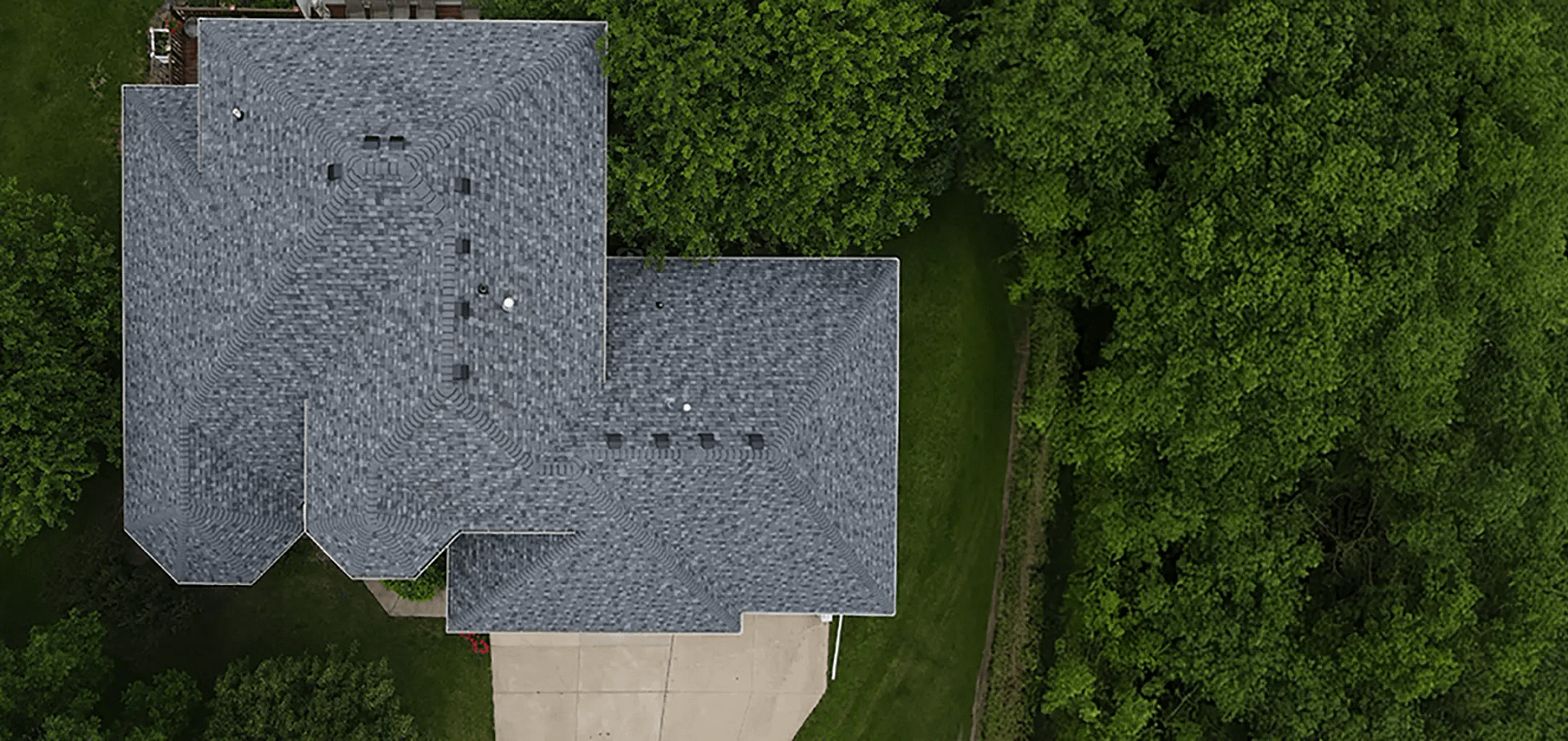
If you’ve started noticing strange noises, excess heat in your attic, or higher energy bills, it might be time to schedule a roof vent repair. Roof vents play a crucial role in keeping your home’s attic properly ventilated, helping control temperature, moisture, and energy efficiency. When they’re damaged or blocked, the entire roofing system can suffer — leading to mold, leaks, or premature roof failure.
- Ventilation balance: Proper airflow helps regulate attic temperature year-round.
- Moisture control: Functional vents prevent condensation and mold growth.
- Energy efficiency: Well-vented roofs reduce heating and cooling costs.
Why Roof Ventilation Is So Important
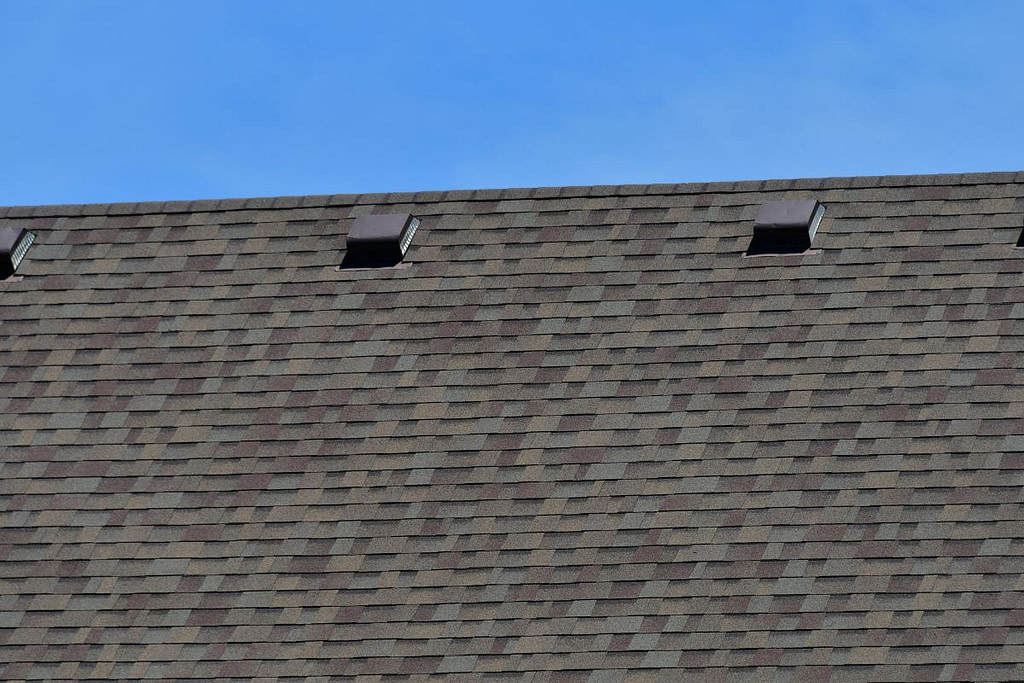
Your attic ventilation system is designed to maintain balance between indoor and outdoor air. Roof vents draw in fresh air through the soffits and release hot, humid air through exhaust vents. When this airflow is disrupted, it can cause serious issues — not just in your roof, but throughout your home.
Without consistent ventilation, trapped moisture can damage insulation, warp wood framing, and create the perfect environment for mildew and mold. Keeping your vents in good condition ensures your roof lasts longer and your home remains comfortable and energy efficient.
What Causes Roof Vent Damage?
Several factors can lead to vent damage or blockage over time. Understanding the cause helps determine whether you need minor repairs or full vent replacement.
Weather and Storm Exposure
Extreme weather can damage vents, loosen flashing, or cause corrosion.
- Wind damage: High winds may bend or detach vent covers.
- Hail impact: Dents or cracks compromise waterproofing and ventilation.
- Rain infiltration: Water leaks through damaged seals or rusted edges.
Poor Installation or Aging Materials
Even a small installation flaw can create ventilation problems over time.
- Improper flashing: Allows water to enter the roof structure.
- Low-quality materials: Cheap plastic or thin metal vents deteriorate faster.
- Age-related wear: Older vents may rust, warp, or lose their protective coatings.
Pest and Debris Blockages
Animals and debris can obstruct airflow, forcing hot air and moisture to build up in your attic.
- Bird nests: Block air passage and create fire hazards.
- Insects and rodents: Chew through vent screens and insulation.
- Fallen leaves or dirt: Restrict ventilation and trap heat.
6 Signs You Need a Roof Vent Repair
Spotting the signs of vent damage early can save you from costly roof repairs and energy waste later on. These six warning signs indicate that it’s time to call in a professional.
1. Unexplained Temperature Swings Indoors
If certain rooms feel unusually hot in summer or cold in winter, your attic vents may not be circulating air properly.
- Heat buildup: Poor ventilation traps hot air beneath your roof.
- Uneven comfort: Inconsistent airflow affects overall temperature regulation.
- Energy impact: HVAC systems work harder, driving up utility costs.
A quick inspection can determine whether blocked vents are the cause — and whether repair or cleaning will restore normal airflow.
2. Increased Energy Bills
A sudden spike in energy costs often signals poor roof ventilation. When vents are blocked, your home traps more heat, forcing the air conditioner to run longer.
- HVAC strain: Systems cycle more frequently to maintain comfort.
- Attic heat: Trapped air raises indoor temperatures even on mild days.
- Insulation damage: Moisture buildup reduces insulation effectiveness.
Repairing or replacing vents helps restore efficiency and balance.
3. Mold or Mildew in the Attic
Moisture accumulation in your attic is one of the clearest signs that your roof vents are not functioning properly.
- Visible growth: Black or green spots appear on rafters or insulation.
- Musty smell: Persistent odors indicate ongoing moisture issues.
- Structural risks: Mold can spread into walls and ceilings over time.
A professional can assess whether vent blockage or damaged flashing is allowing excess humidity inside.
4. Rusted, Cracked, or Missing Vent Covers
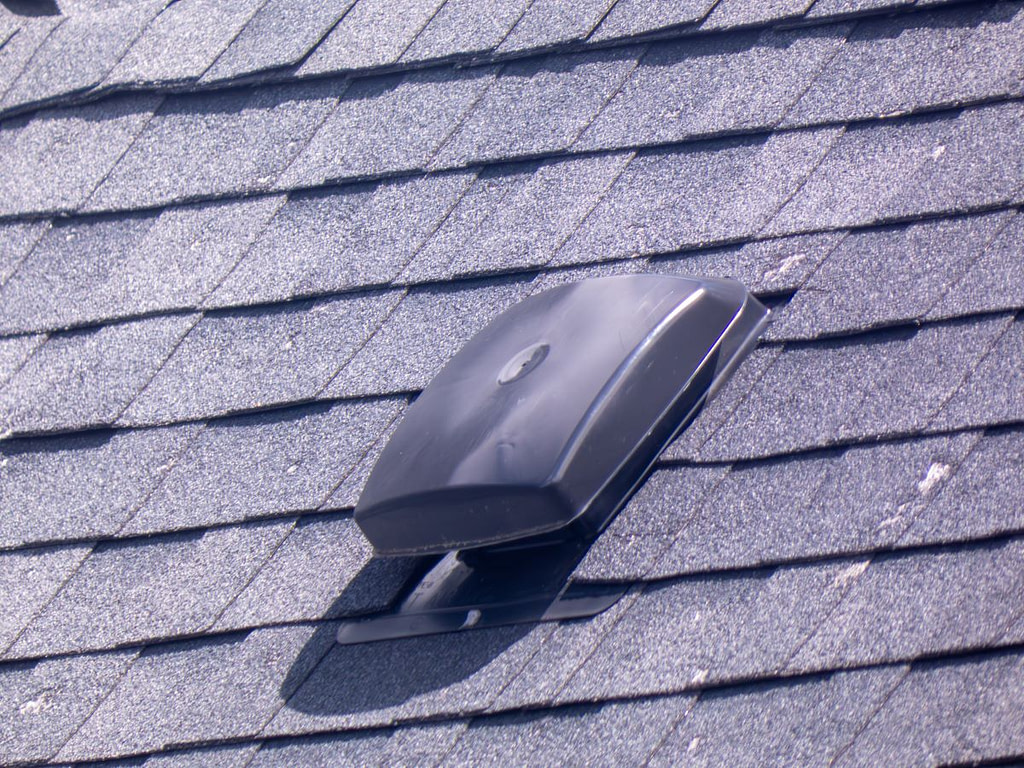
Over time, metal and plastic vent covers can corrode, crack, or blow off entirely. This leaves your attic exposed to rain and debris.
- Water entry: Damaged covers invite leaks and rot.
- UV exposure: Sunlight accelerates cracking and fading.
- Animal intrusion: Missing covers allow pests to enter the attic.
Replacing worn or broken covers restores weather protection and prevents further damage.
5. Condensation or Water Stains in the Attic
If you notice moisture on rafters or dark stains on your attic ceiling, it may be time for immediate roof vent repair.
- Condensation drip: Indicates poor airflow and trapped humidity.
- Ceiling discoloration: Suggests water intrusion around vent flashing.
- Insulation dampness: Leads to decreased energy efficiency and mold growth.
These warning signs mean that warm air isn’t escaping properly — which can shorten your roof’s lifespan.
6. Strange Noises or Drafts From the Roof
Whistling, rattling, or clanging sounds coming from your roof area often point to loose or damaged vents.
- Rattling metal: Suggests loose fasteners or worn-out connections.
- Whistling wind: Indicates air leaks around vent seams.
- Interior drafts: Poor sealing allows outside air to enter.
Tightening or resealing the vent can resolve these noises and restore proper ventilation.
Common Roof Vent Repair Solutions
The right solution depends on the type and extent of vent damage. An experienced roofing contractor can identify the issue and perform precise repairs to prevent recurring problems.
Resealing and Flashing Repairs
If leaks are coming from around the vent base, resealing and flashing repair can solve the issue.
- New sealant: Replaces old or cracked caulk to restore waterproofing.
- Flashing upgrades: Prevent future water infiltration and rust.
Vent Cover Replacement
For cracked or missing covers, replacement is often the quickest fix.
- New materials: Modern vent covers use UV-resistant coatings and rustproof metals.
- Improved durability: Reduces risk of animal intrusion and weather damage.
Cleaning and Debris Removal
Blocked vents can often be repaired with thorough cleaning and screening.
- Debris removal: Clears nests, dirt, and leaves from vent openings.
- Mesh installation: Prevents future blockages without restricting airflow.
Full Vent Replacement
If the vent structure itself is rusted or warped, replacement is the best option.
- Upgraded materials: Stainless steel and aluminum models resist corrosion.
- Enhanced design: Newer vents improve airflow and reduce condensation risk.
Cost of Roof Vent Repair
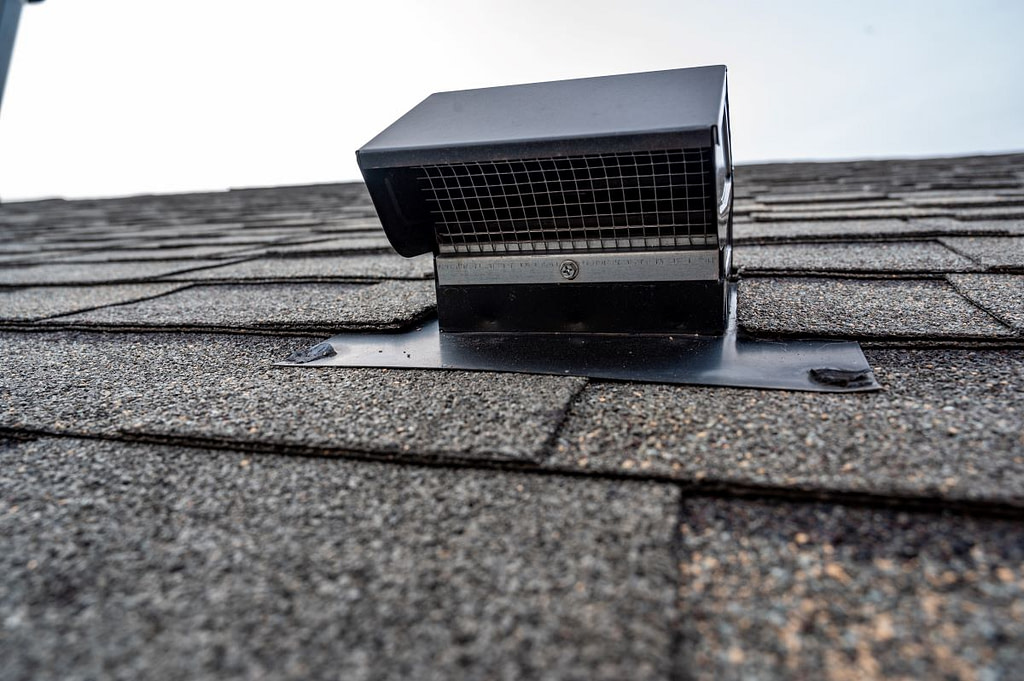
Repair costs vary depending on vent type, material, and location. In general, homeowners can expect the following averages:
| Repair Type | Average Cost (Installed) | Lifespan After Repair | Maintenance Level |
| Resealing / Flashing Repair | $150–$300 | 5–10 years | Low |
| Vent Cover Replacement | $200–$400 | 10–15 years | Low |
| Full Vent Replacement | $350–$700 | 15–20 years | Low |
| Attic Vent Cleaning | $100–$250 | As needed | Low |
Investing in timely repairs protects your roof structure, insulation, and interior finishes from moisture and temperature damage.
Preventive Maintenance Tips
Regular inspections and simple upkeep can help you avoid expensive vent repairs in the future. Preventive maintenance not only extends your roof’s lifespan but also improves indoor comfort by maintaining consistent ventilation. Keeping up with these easy habits ensures your vent system performs well through every season.
Seasonal Inspections
- Twice per year: Check in spring and fall for signs of wear or blockage.
- After storms: Look for bent or missing vent covers.
- Professional review: Annual inspections catch minor leaks early.
Cleaning and Pest Control
- Remove nests: Keep vents clear of debris, leaves, and animal materials.
- Install mesh guards: Protect against pests without limiting ventilation.
- Clear soffit vents: Maintain consistent airflow throughout the attic.
Routine maintenance ensures your vent system continues working efficiently year-round.
Keep Your Roof Performing Its Best With Young Construction
At Young Construction, we specialize in diagnosing and repairing roof ventilation problems before they turn into major issues. Our experienced team provides comprehensive inspections, precision repairs, and long-term solutions designed to protect your roof and home.
Why Homeowners Choose Young Construction
- Expert service: We handle everything from simple vent cleaning to full vent replacement.
- Quality materials: Our repairs use rust-resistant, weatherproof components.
- Trusted results: We ensure your attic stays dry, balanced, and energy efficient.
Protect your home and restore proper ventilation with help from trusted professionals. Contact Young Construction today for a free estimate and find out how our team can deliver long-lasting roof vent repair solutions tailored to your home.