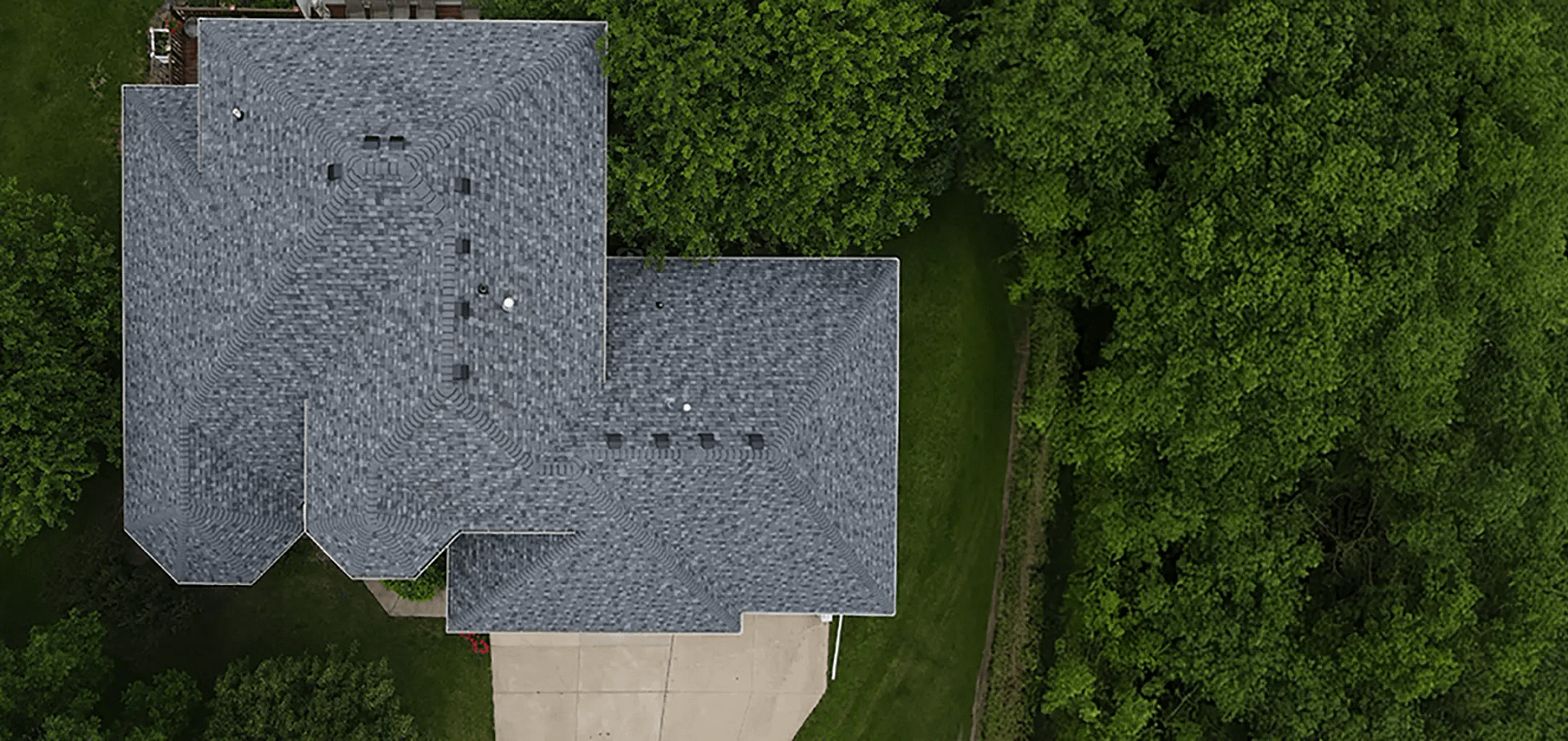
A proper seamless gutter installation can help protect your home from water damage, foundation issues, and roof deterioration. While seamless gutters are typically installed by professionals due to specialized equipment, homeowners can still benefit from understanding the process, tools, and safety considerations involved. This guide walks you through the basics so you know what to expect and how to approach the project safely.
- Water protection: Gutters direct rainwater away from your home’s foundation.
- Roof support: Proper drainage reduces wear on roofing materials.
- Long-term performance: Correct installation helps prevent leaks and overflow.
What Makes Seamless Gutters Different?
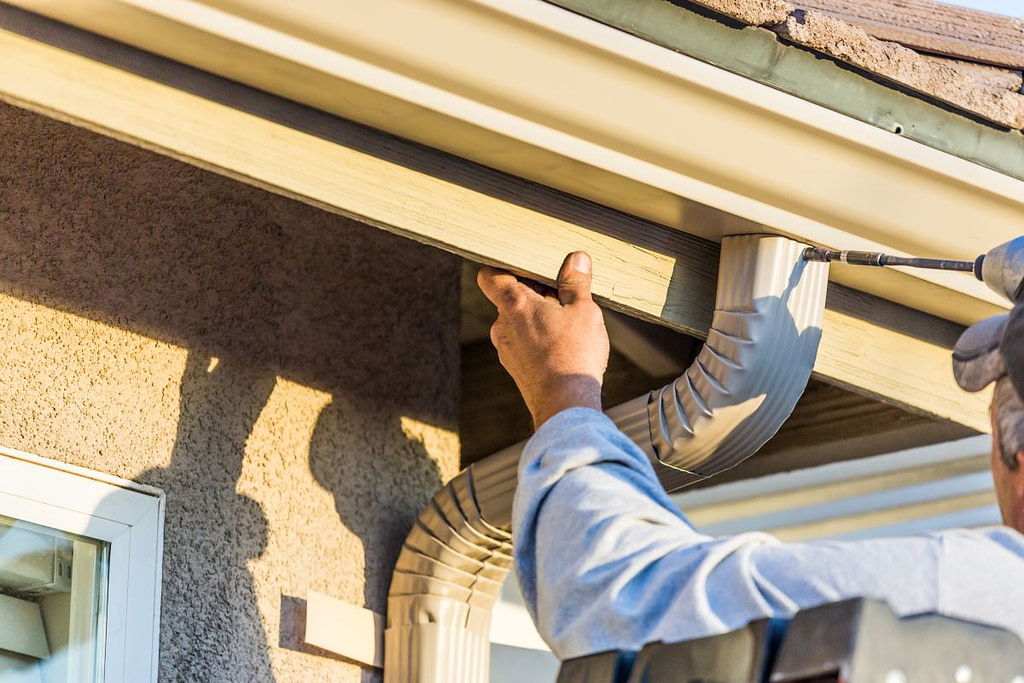
Seamless gutters are made from a single continuous piece of material, which reduces the number of joints where leaks can develop. Unlike sectional gutters, which are pieced together, seamless systems are custom-cut to fit your home’s dimensions.
Because they require specialized machines to form the gutters on-site, true seamless gutter installation is not a typical DIY project. However, homeowners can still handle preparation, planning, and certain installation steps if using pre-cut alternatives or working alongside professionals.
Tools and Materials Needed
Before starting any gutter project, it is important to gather the right tools and materials. Having everything ready helps ensure a smoother and safer installation process.
Essential Tools
- Measuring tape: Used to determine gutter lengths and placement.
- Level: Ensures proper slope for water drainage.
- Drill and screws: Secures brackets and fasteners.
- Ladder: Provides safe access to roof edges.
Common Materials
- Gutter sections or seamless system: Main component for water collection.
- Hangers or brackets: Support the gutter along the roofline.
- Downspouts: Direct water from the gutter to the ground.
- Sealant: Helps prevent leaks at joints or connections.
Using high-quality materials improves long-term performance.
Preparing for Seamless Gutter Installation
Preparation is one of the most important steps in any installation process. Taking time to plan ensures the system functions properly once installed.
Measure Your Roofline
- Accurate measurements: Determine the total length of gutters needed.
- Downspout placement: Plan locations for efficient drainage.
- Material planning: Ensure you have enough materials for the project.
Proper measurements prevent gaps or misalignment.
Plan the Gutter Slope
- Correct pitch: Gutters should slope slightly toward downspouts.
- Drainage efficiency: Helps water flow without pooling.
- Consistent alignment: Prevents sagging or overflow.
Even a small slope can significantly improve drainage performance.
Inspect the Fascia Board
- Check for damage: Repair any rot or weakness before installation.
- Ensure stability: Gutters rely on strong fascia for support.
- Replace if needed: Damaged boards can compromise the system.
A solid foundation is essential for long-lasting gutters.
5 Step Installation Process Guide
While full seamless gutter installation typically requires professional equipment, these general steps outline how the system is installed and what homeowners should expect.
1. Mark the Gutter Line
- Establish slope: Mark a slight downward angle toward the downspout.
- Use a level: Ensure consistent alignment along the roofline.
- Check spacing: Confirm measurements before installation.
Accurate marking ensures proper water flow.
2. Install Gutter Hangers
- Spacing: Place hangers every 2 to 3 feet for support.
- Secure fastening: Attach hangers firmly to the fascia board.
- Alignment: Keep hangers level with the marked slope.
Proper support prevents sagging over time.
3. Position the Gutter System
- Careful placement: Align the gutter with installed hangers.
- Secure connections: Fasten the gutter to the brackets.
- Check alignment: Ensure the gutter follows the planned slope.
Correct placement ensures efficient drainage.
4. Install Downspouts
- Attach outlets: Connect the gutter to the downspout opening.
- Secure vertical sections: Fasten downspouts to the exterior wall.
- Direct water flow: Ensure water exits away from the foundation.
Downspouts are critical for moving water away from the home.
5. Seal and Test the System
- Apply sealant: Seal joints, corners, and connections.
- Check for leaks: Run water through the system to test performance.
- Adjust as needed: Fix any alignment or drainage issues.
Testing ensures the system works properly before completion.
Common Mistakes to Avoid

Even small mistakes can affect how well your gutter system performs. Being aware of these issues helps prevent problems after installation.
Incorrect Slope
- Too flat: Water may pool instead of draining.
- Too steep: Water may flow too quickly and overflow.
- Inconsistent pitch: Leads to uneven drainage.
Proper slope is essential for effective performance.
Poor Downspout Placement
- Too few downspouts: Overloads the gutter system.
- Improper positioning: Water may collect near the foundation.
- Blocked drainage: Causes overflow and damage.
Strategic placement improves efficiency.
Weak Fastening
- Loose brackets: Can cause gutters to sag or detach.
- Insufficient support: Leads to long-term damage.
- Incorrect hardware: Reduces system durability.
Secure fastening ensures long-term reliability.
When to Consider Professional Installation
While some homeowners attempt DIY gutter projects, seamless systems often require professional equipment and expertise. In many cases, hiring experienced professionals ensures better results and long-term performance.
Benefits of Professional Installation
- Custom fit: Seamless gutters are cut to exact dimensions.
- Specialized tools: Professionals use equipment not available to homeowners.
- Improved durability: Proper installation reduces future issues.
Professional installation can help prevent costly mistakes.
Maintain Your Gutters for Long-Term Performance
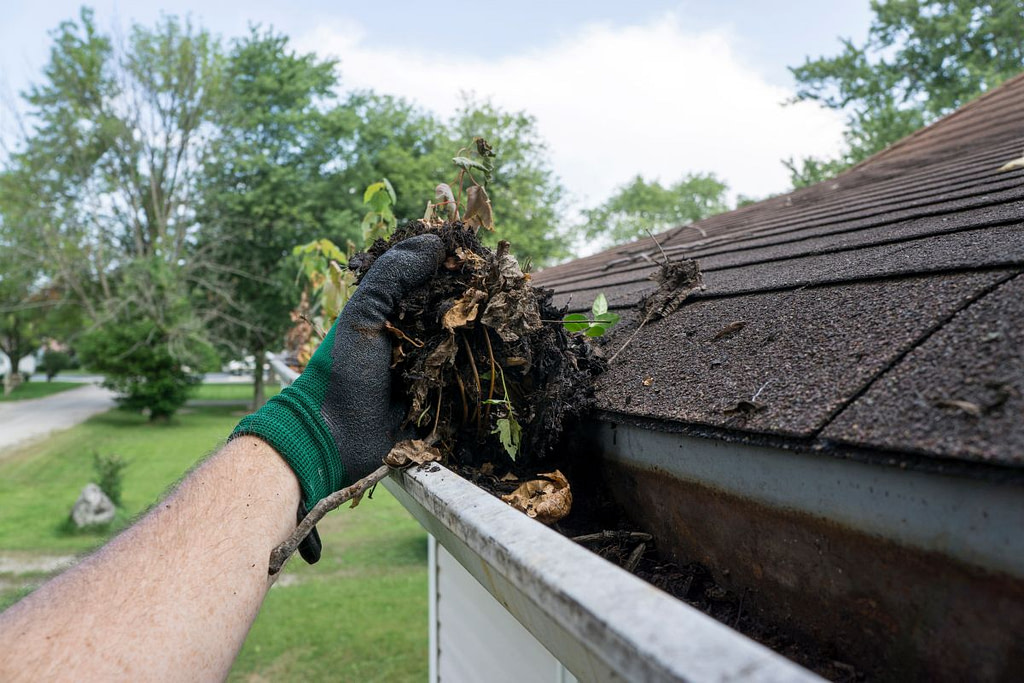
Once installed, maintaining your gutter system is key to keeping it working effectively.
Regular Cleaning
- Remove debris: Prevent clogs and overflow.
- Check for buildup: Leaves and dirt can block water flow.
- Seasonal maintenance: Clean gutters at least twice per year.
Cleaning keeps water moving properly.
Routine Inspections
- Check for leaks: Inspect joints and seams.
- Look for sagging: Ensure gutters remain properly aligned.
- Inspect downspouts: Confirm water flows away from the home.
Regular inspections help catch issues early.
Protect Your Home With Proper Gutter Installation
Understanding the basics of seamless gutter installation helps homeowners make informed decisions about protecting their home from water damage. Whether you take a DIY approach or work with professionals, proper planning and installation are essential for long-term performance.
Your gutter system plays a critical role in protecting your roof, siding, and foundation. Knowing how installation works helps you choose the best solution for your home.
Why Homeowners Trust Young Construction
- Exterior expertise: Helping homeowners understand gutter and roofing systems.
- Commitment to quality: Focused on durable, long-lasting solutions.
- Trusted guidance: Providing clear information for confident decisions.
Protect your home with a reliable drainage system. Contact Young Construction today for a free estimate and learn how expert exterior solutions can improve your home’s protection and performance.