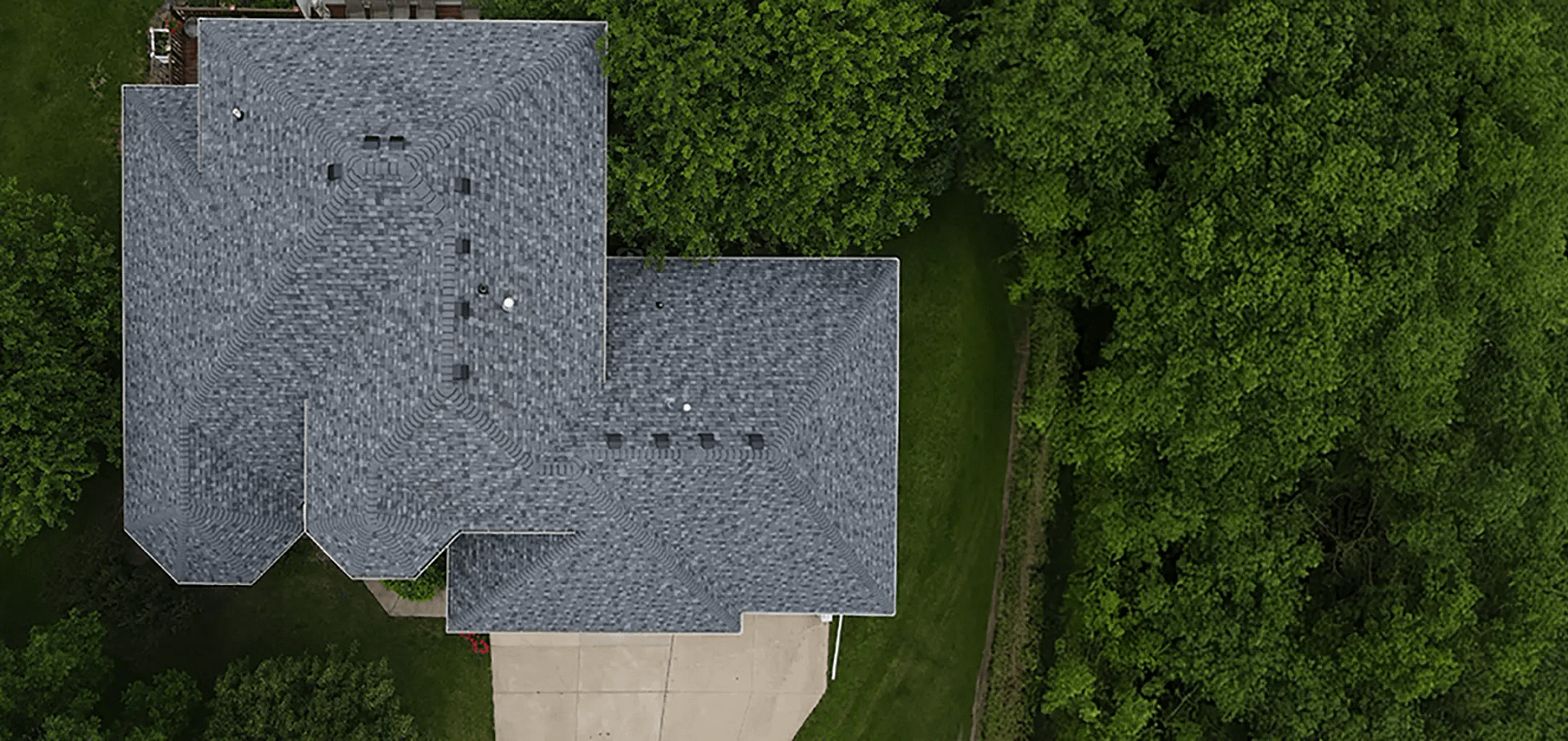
A successful siding installation can dramatically improve your home’s protection, efficiency, and curb appeal. Siding serves as the outer barrier against wind, rain, and temperature changes, so proper installation is just as important as choosing the right material. When siding is installed correctly, it helps prevent moisture intrusion, improves energy efficiency, and ensures your home’s exterior maintains a clean, polished appearance for years to come.
- Structural protection: Proper siding installation shields the home from moisture and weather damage.
- Energy efficiency: Well installed siding helps reduce heat loss and air leaks.
- Long lasting performance: Correct installation techniques extend siding lifespan.
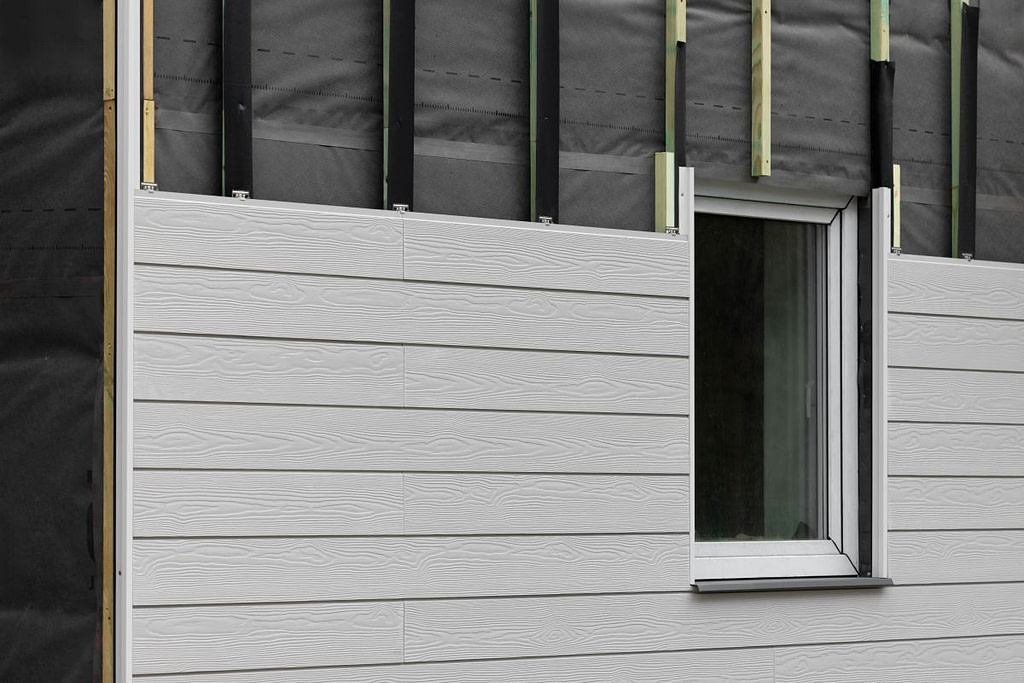
Why Proper Siding Installation Matters
Siding is more than a decorative exterior feature. It plays an important role in protecting the structural components of your home from weather exposure. If siding is installed incorrectly, water can enter behind the panels, leading to mold, wood rot, and insulation damage.
Professional installation techniques ensure that siding panels are properly aligned, securely fastened, and installed with the correct spacing for expansion and contraction. When these details are handled correctly, the siding system can perform reliably for decades.
5 Tips For Better Siding Installation Results
Proper planning and attention to detail are essential when installing siding. These tips help ensure your siding installation provides maximum protection and long term performance.
1. Prepare the Wall Surface Properly
Before siding panels are installed, the wall surface must be clean, flat, and structurally sound. Proper preparation ensures that siding panels sit evenly and remain secure over time.
- Remove old materials: Damaged siding, nails, and debris should be cleared away before installation.
- Inspect wall sheathing: Check for rot, moisture damage, or structural weaknesses.
- Install a weather barrier: House wrap or similar materials protect the wall from moisture infiltration.
Preparing the wall surface creates a stable foundation for the new siding system.
2. Install Proper Flashing Around Openings
Flashing is a critical component that prevents water from entering around windows, doors, and other openings in the siding.
- Seal vulnerable areas: Flashing protects gaps where water could otherwise enter.
- Direct water outward: Proper installation ensures water flows away from the structure.
- Protect structural framing: Flashing helps prevent long term moisture damage behind siding panels.
Correct flashing installation significantly improves the durability of a siding system.
3. Allow Space for Expansion and Contraction
Many siding materials expand and contract as temperatures change. Without proper spacing, siding panels may warp, buckle, or crack over time.
- Leave small gaps: Expansion space prevents pressure on siding panels.
- Avoid overtightening fasteners: Nails should hold panels securely while allowing slight movement.
- Follow manufacturer guidelines: Proper spacing varies depending on siding material.
Allowing siding to move naturally with temperature changes helps prevent long term damage.
4. Ensure Proper Panel Alignment
Straight, evenly aligned siding panels are essential for both appearance and performance.
- Use leveling tools: Accurate alignment ensures consistent panel placement.
- Maintain consistent spacing: Uniform rows create a clean exterior appearance.
- Check alignment frequently: Small mistakes can become noticeable across the entire wall.
Precise alignment improves both the visual quality and functionality of siding installation.
5. Protect Against Moisture and Ventilation Issues
Proper ventilation and moisture management help siding perform effectively for decades.
- Install moisture barriers: These layers protect the wall structure behind the siding.
- Maintain airflow: Ventilation helps reduce trapped moisture behind panels.
- Inspect drainage paths: Water should always be directed away from the home.
Controlling moisture and airflow helps prevent hidden structural damage.
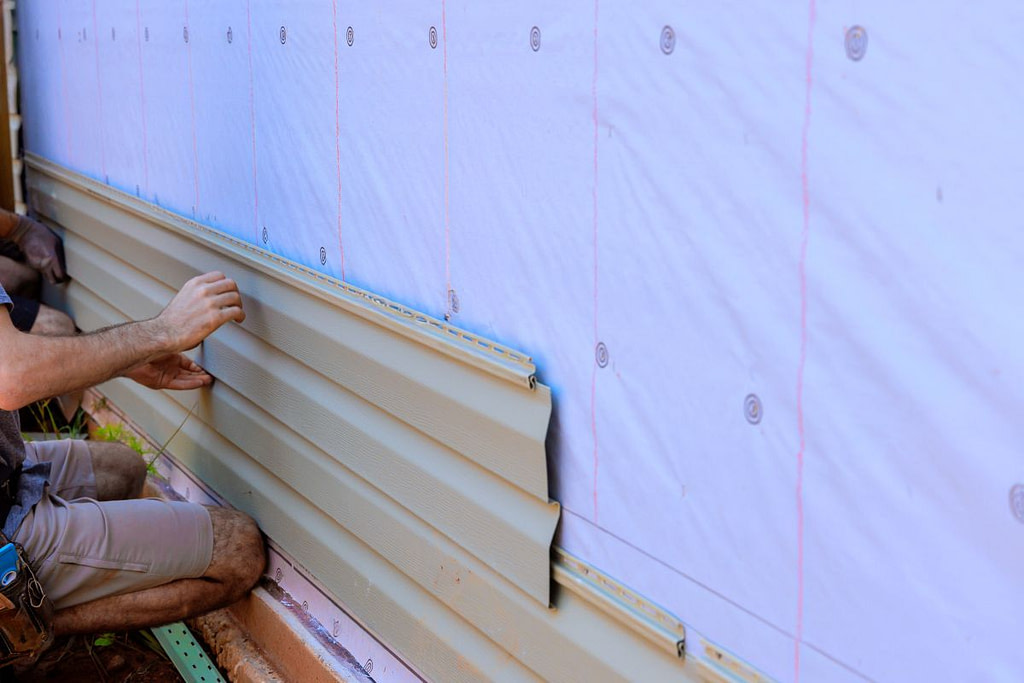
Common Siding Installation Mistakes to Avoid
Even small mistakes during installation can affect siding performance. Understanding common errors helps homeowners ensure the job is done correctly.
Improper Fastening Techniques
- Overdriven nails: Nails driven too tightly can cause siding panels to buckle.
- Loose fasteners: Panels may shift or detach during strong winds.
- Incorrect nail placement: Fasteners should be installed in designated slots.
Correct fastening ensures siding panels remain secure while allowing natural movement.
Poor Water Management
- Missing flashing: Water may enter behind siding near windows and doors.
- Improper sealing: Gaps can allow moisture to penetrate the wall system.
- Blocked drainage paths: Trapped water can lead to mold and structural damage.
Managing water flow is essential for long term siding durability.
Inadequate Preparation
- Skipping inspections: Hidden damage behind old siding may go unnoticed.
- Uneven wall surfaces: Panels may appear crooked if installed on warped surfaces.
- Ignoring manufacturer instructions: Each siding material has specific installation requirements.
Proper preparation ensures the siding system performs as intended.
Choosing the Right Siding Material
The type of siding you choose can influence installation techniques and long term maintenance requirements.
Vinyl Siding
- Lightweight material: Easier to install and maintain.
- Low maintenance: Resistant to pests and moisture.
- Color variety: Available in many styles and finishes.
Vinyl siding remains a popular option for homeowners seeking affordability and durability.
Fiber Cement Siding
- Exceptional durability: Resistant to fire, moisture, and insects.
- Natural appearance: Often designed to resemble wood grain.
- Long lifespan: Can last several decades with proper installation.
Fiber cement siding offers a balance of strength and design flexibility.
Wood Siding
- Natural beauty: Provides a warm and classic appearance.
- Custom finishes: Can be painted or stained in many colors.
- Maintenance needs: Requires regular sealing or painting.
Wood siding offers timeless charm but requires more maintenance than synthetic options.
Metal Siding
- Extreme durability: Resistant to fire, pests, and severe weather.
- Modern appearance: Clean lines complement contemporary homes.
- Low upkeep: Minimal maintenance required compared to other materials.
Metal siding is becoming increasingly popular for modern residential designs.

Achieve Long Lasting Results With Proper Siding Installation
A high quality siding installation protects your home, improves energy efficiency, and enhances curb appeal. When siding is installed correctly with proper preparation, flashing, and spacing, it can provide reliable protection for decades.
Your home’s siding plays a vital role in protecting the structure and maintaining its visual appeal. Understanding proper installation techniques helps homeowners make confident decisions about exterior improvements.
A well installed exterior protects your home for years to come. Contact Young Construction today for a free estimate and discover how expert craftsmanship can improve the performance and appearance of your home’s exterior.